
When organizing a home in Singapore, choosing between Muji storage and IKEA often comes down to the scale of your organization needs and your aesthetic preferences. Muji storage excels in uniform, minimalist organization for smaller items, offering a highly cohesive look with its signature translucent and neutral-toned containers. In contrast, IKEA offers broader versatility for large-scale and customizable space planning, making it highly adaptable for entire rooms or structural wall-to-wall installations. Deciding which brand delivers better value for your specific living space requires looking beyond brand popularity to evaluate practical factors like budget, material composition, and modular flexibility.
Muji’s design language focuses on understated simplicity, utilizing natural wood tones, matte whites, and translucent polypropylene or acrylic that blends seamlessly into quiet, minimalist interiors. IKEA presents a highly diverse range of styles, from modern Scandinavian to traditional, featuring customizable fronts, varied color palettes, and modular configurations that can serve as bold focal points or subtle backdrops.
To determine which system truly fits your home, you must evaluate three core dimensions: your total budget in S$, the specific material composition verified on the product labels, and how the modularity of each system integrates with your apartment’s layout.
Products mentioned in this guide
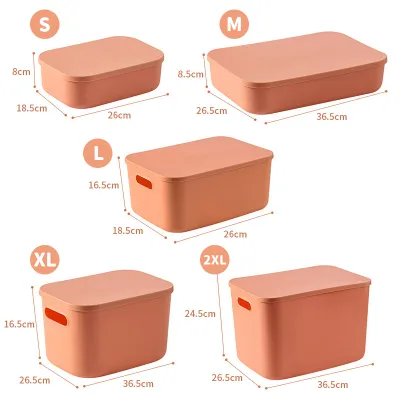
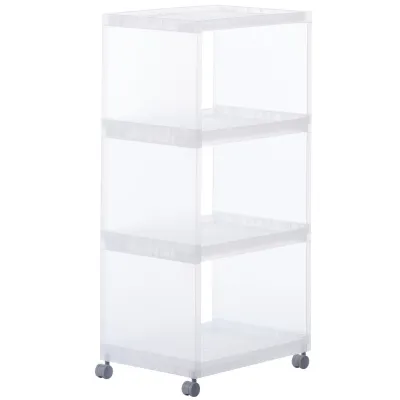
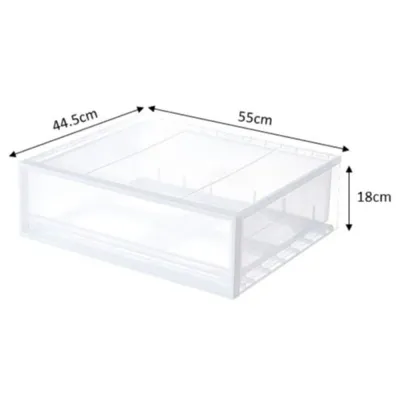
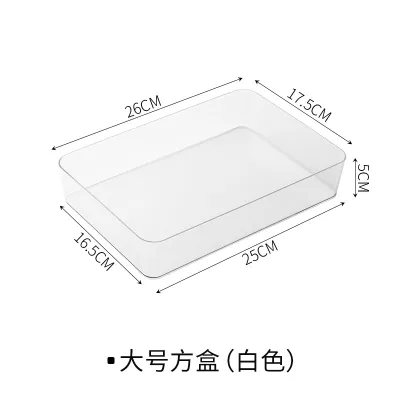
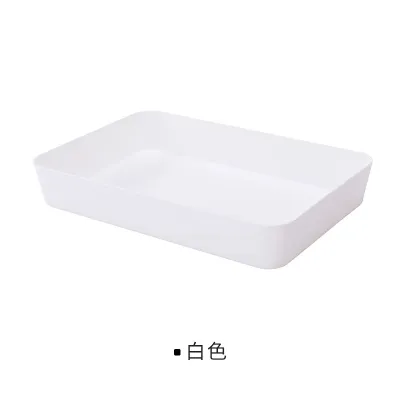
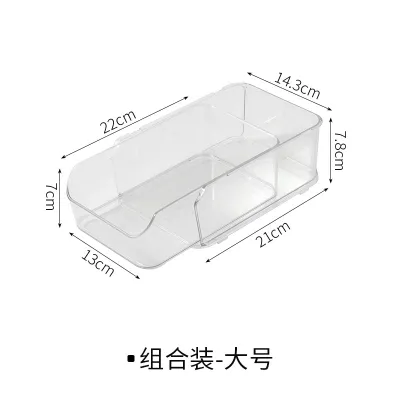
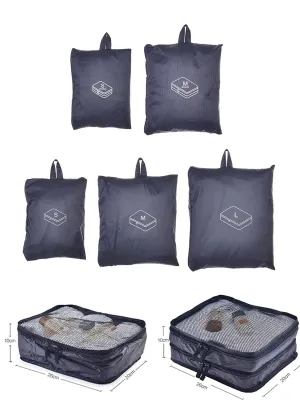

76 Lazada user ratings
Size: a bit small Durability: not sure Compartments: good No muji tag. Shipped from china. Not sure if it’s really muji
Easy to clean, Versatile storage options, Durable material, Stylish design, nice blue colour and can hang too.
Convenient for travel, Excellent craftsmanship, Perfect size, Stylish design, Durable material, well packed
Size:compact 👌Ease of Use:lots of compartment good to store 🛠️Durability:seems ok, Very durable material,
👌Ease of Use:good 🛠️Durability:good 🔒Security:yrs Size:a bit smaller
Prices are valid at publication and may change. Please refer to the product page for the latest price.
Price Points and Budget: Evaluating S$ Costs and Long-Term Value
Evaluating the financial commitment of these two brands requires looking at how they structure their product lines. IKEA generally covers a wider spectrum of budget tiers, offering highly accessible entry-level options alongside more premium, robust furniture lines. This makes it easier to furnish an entire room or large wall area on a modest budget, as you can select basic shelving units and scale up as funds allow.
Muji storage typically occupies a more premium, mid-to-high pricing tier. While individual small containers or desktop drawers may seem manageable, outfitting a complete wardrobe or a large shelving system with Muji’s coordinated components can quickly accumulate a higher total cost in S$.
To make an accurate financial comparison, readers should verify current prices on official brand websites or authorized online retailers in Singapore. Keep in mind that seasonal promotions, member discounts, or package deals can significantly shift the value equation, making a premium system more accessible during specific times of the year.
Consider the long-term cost-per-use and future expansion plans. A lower upfront cost might seem appealing, but if a storage unit cannot be easily expanded or modified when your household needs change, you may end up replacing the entire system. Muji’s highly standardized dimensions mean you can reliably buy matching inserts years later, whereas IKEA’s vast catalog undergoes regular product rotations, meaning specific lines or colors might be discontinued, requiring a complete redesign of your storage setup.
Material Quality and Durability: What to Verify on the Label
When evaluating durability, do not rely on brand reputation alone; instead, carefully read the product labels and manufacturer specifications. Look for the exact material composition, which typically ranges from solid wood and engineered wood (such as particleboard or fiberboard) to plastics like polypropylene and acrylic.

Engineered wood is common in large shelving units from both brands, but its resistance to wear depends heavily on the surface treatment. Check the label to see if the item features a paper foil, melamine foil, or real wood veneer finish. Melamine and veneer generally offer better resistance to daily wear and moisture than basic paper foil, which can peel if exposed to heavy friction or damp cleaning cloths.
For plastic storage containers, verify the type of plastic used. Polypropylene is highly flexible, impact-resistant, and slightly translucent, making it excellent for high-use areas like kitchens or children’s playrooms. Acrylic, while offering glass-like clarity and high rigidity, is more prone to scratching and can crack if dropped, making it better suited for low-impact display storage or vanity organization.
Perform observable checks on the physical items in-store. Examine the joint structures of wooden units to see if they rely on simple dowels, cam locks, or reinforced brackets. Test the drawer mechanisms to ensure they slide smoothly without sticking, and check the manufacturer-specified weight capacity limits for shelves to ensure they can safely support your books, kitchen appliances, or heavy storage boxes.
Singapore’s humid climate poses unique challenges for furniture preservation. Always consult the care instructions and warranty terms provided by the manufacturer. Some materials require specific cleaning routines or should not be placed in direct sunlight or high-humidity zones, and understanding these limits beforehand will help you maximize the expected lifespan of your storage units.
Modularity and Space Planning for Singapore Apartments
Before purchasing any storage system, the critical first step is to measure your available space with high precision. In typical Singapore apartments, where floor area is premium, you must account not only for the width and depth of the storage unit but also for doorway and lift access during delivery, window openings, electrical outlets, and ceiling heights. Ensure there is sufficient clearance for cabinet doors or drawers to open fully without obstructing walkways.
The modularity approaches of these two brands serve different spatial strategies. Muji’s system is highly focused on stackable, interlocking desktop or drawer units that fit together with mathematical precision. This allows you to build compact, highly organized zones on desks, inside existing wardrobes, or within small alcoves, maximizing vertical space without requiring heavy structural installations.
IKEA’s modularity shines in large-scale customizable shelving and wardrobe frames. Systems like their modular wardrobes or wall shelves allow you to plan entire walls from floor to ceiling, choosing everything from the frame depth to the specific configuration of drawers, hanging rods, and outer doors. This is ideal for creating dedicated storage zones in bedrooms, living rooms, or entryways where you need to maximize every cubic centimeter of wall space.
To avoid assembly issues, use a checklist to verify component compatibility within the same brand’s ecosystem. Do not assume that all drawers or baskets from a brand will fit every shelf unit they sell. Check the manufacturer’s compatibility guides to ensure that the specific inserts, runners, and doors you select are designed to fit the exact frame model and depth you are purchasing.
Decision Framework: Choosing the Right System for Your Needs
To help finalize your choice, consider this practical decision framework based on your budget, aesthetic preferences, and spatial requirements.
Choose Muji storage if:
- You prefer a highly cohesive, minimalist aesthetic with natural wood tones, matte whites, or translucent materials.
- Your primary goal is organizing smaller items, desktop accessories, or closet interiors with uniform, stackable containers.
- You have a flexible budget that allows for a higher upfront investment in exchange for long-term dimensional consistency and modular expansion.
Choose IKEA if:
- You need to furnish a large wall area, an entire room, or a complete wardrobe system on a defined budget.
- You want a wide variety of design styles, colors, and customizable front panels to match your existing home decor.
- You require highly customizable internal configurations, such as adjustable hanging rods, pull-out shoe racks, and integrated lighting.
Verify first if your situation involves specific safety or structural requirements:
- If you have young children, older adults, or pets, verify the anchoring method required for tall shelving units. Many tall units must be secured to the wall to prevent tip-over accidents; check if your walls can support the necessary wall anchors and screws.
- If you plan to store heavy items like books, ceramic tableware, or tools, verify the manufacturer-specified load capacity per shelf to prevent sagging or structural failure.
- If you live in a rented apartment, check if the assembly conditions and wall-mounting requirements of the storage system align with your tenancy agreement.
As a final step, visit physical showrooms in Singapore to test the materials firsthand. Touch the surfaces, test the smoothness of the drawer runners, and observe how the modular units fit together in real-world displays. This physical inspection will give you the confidence that your chosen storage system will perform reliably in your home.
Frequently Asked Questions (FAQ)
Can I mix Muji storage boxes with IKEA shelving units?
Yes, you can combine storage boxes from one brand with shelving units from another, but you must verify the exact interior dimensions and clearance tolerances beforehand. Measure the internal width, depth, and height of the shelf space, and compare these with the external dimensions of the storage boxes, leaving at least a few millimeters of clearance on all sides for easy insertion and removal. Additionally, check the weight capacity of the host shelving unit to ensure it can safely support the combined weight of the loaded storage boxes.
How do I prevent mold on fabric and wood storage in Singapore?
To prevent mold growth in Singapore’s humid climate, always check the manufacturer’s care labels for specific cleaning and drying instructions. Perform regular observable checks for moisture buildup, especially on units placed against external walls or in poorly ventilated corners. Ensure adequate air circulation by leaving a small gap between the furniture and the wall, and consider using moisture-absorbing packets or dehumidifiers in enclosed wardrobes and fabric storage boxes to maintain a dry environment.

Community discussion
Share your experience or ask a question. Comments are reviewed before publication.