
Choosing between Muji’s polypropylene (PP) and acrylic storage lines is a matter of balancing what you want to hide against what you want to display, while considering the physical constraints of your living space. Polypropylene offers lightweight, semi-opaque utility for high-volume storage, whereas acrylic provides crystal-clear visibility for curated items. Neither material is universally superior; the right choice depends on checking your specific storage environment, load requirements, and maintenance preferences.
To make an informed decision, you must evaluate how each material behaves under daily use. This guide breaks down the physical characteristics, care requirements, and ideal use cases for both materials, helping you verify product specifications and match the right organizer to your space without relying on assumptions.
Muji Storage Materials: Polypropylene vs Acrylic Basics
Muji’s polypropylene (PP) and acrylic storage lines serve distinct organizational purposes, characterized by their physical forms and visual properties. The PP line is widely recognized for its frosted, semi-translucent appearance, which allows light to pass through while softening the outlines of the items inside. This collection typically includes modular drawer units, deep storage boxes, and wardrobe cases designed to stack together. Because PP is a versatile, cost-effective polymer, these containers are often produced in larger dimensions suitable for clothing, bed linens, and utility closet organization.
Products mentioned in this guide
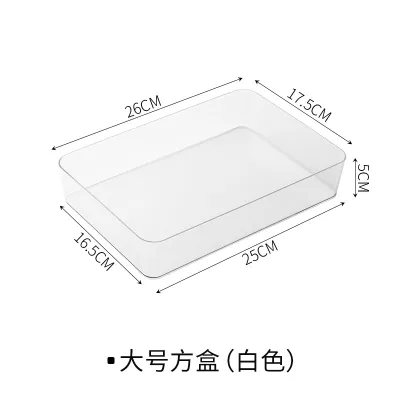
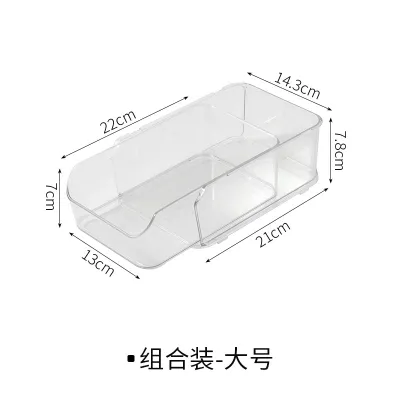
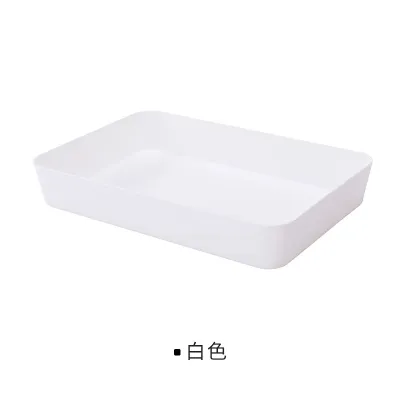
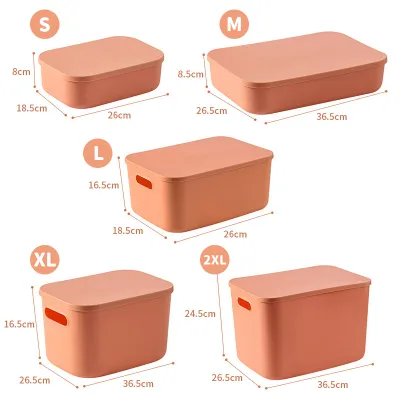
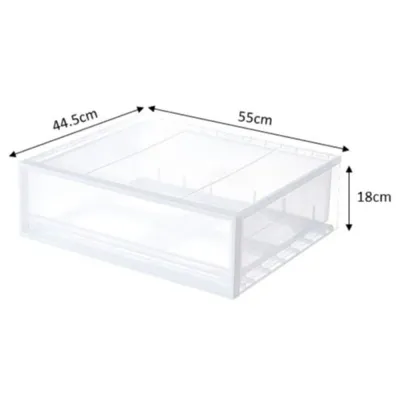
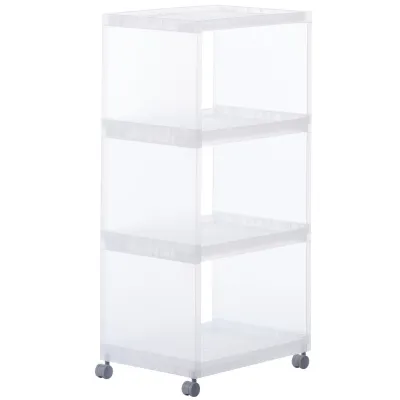
Prices are valid at publication and may change. Please refer to the product page for the latest price.
In contrast, Muji’s acrylic storage line is defined by its absolute optical clarity, mimicking the look of high-grade glass without the associated weight or fragility. This line primarily consists of smaller, highly structured organizers, such as multi-tiered cosmetic drawers, partition stands, pen pots, and specialized display cases. These items are designed to showcase their contents, making them popular for desktop organization, vanity setups, and displaying small collectibles.
When shopping, always verify the exact material composition on the product label or official specification sheet. Visual similarities in online photographs can sometimes be misleading, as clear polystyrene or other low-cost plastics can look identical to acrylic but may not share the same structural integrity or scratch resistance. Confirming the material ensures you receive the exact performance characteristics you expect for your home.
What to Check When Comparing PP and Acrylic Organizers
Selecting the right storage solution requires looking beyond aesthetic appeal to evaluate how these materials perform under physical stress and environmental exposure. Material names alone do not guarantee durability or suitability; you must cross-reference manufacturer specifications for your specific intended use.

To find the right fit, you should focus on three main evaluation pillars: visibility, structural handling, and surface care. Each pillar directly impacts how well the organizer will integrate into your daily routine and maintain its appearance over time.
Visibility and Aesthetic Appeal
The primary differentiator between these two materials is how they handle light and visibility. Acrylic offers exceptional transparency, allowing you to identify contents instantly from any angle. This makes it highly suitable for storing items you use daily and want to keep visually accessible, such as makeup, jewelry, or color-coded office supplies. The clear walls eliminate the need for labeling and create an open, airy feeling on desks and vanities.
Polypropylene, with its frosted or semi-transparent finish, acts as a visual filter. It diffuses light and obscures the sharp details of the items stored inside, which helps hide visual clutter in busy spaces. If your storage contains mismatched items, colorful packaging, or folded garments that are not perfectly organized, PP drawers will keep the overall look of the room clean and uniform.
When planning your layout, consider the visual weight of the items being stored. Acrylic organizers virtually disappear into the background when empty, but they can look chaotic if packed with cluttered, non-cohesive items. PP containers maintain a consistent, neutral block of color regardless of what is inside, making them easier to integrate into minimalist home decors.
Weight, Handling, and Structural Limits
Physical handling and structural limits vary significantly between these two product lines. Acrylic is a dense, rigid material that feels substantial and stays firmly in place on flat surfaces. However, this rigidity means it is brittle under impact; dropping an acrylic drawer on a hard floor can cause it to crack or shatter. It also lacks flexibility, meaning it cannot stretch or bend to accommodate slightly oversized items.
Polypropylene is lightweight and possesses a degree of structural flexibility. This slight give makes PP drawers highly resilient to drops and daily wear, as they absorb impact without cracking. The lightweight nature of PP makes large drawers easy to pull out, carry, and reposition, even when fully loaded with clothing or toys.
Before purchasing, always check the manufacturer’s stated maximum weight capacity for drawers and shelves. Measure your available space, doorway clearances, and shelf heights to ensure a proper fit. Stacking heavy items in a flexible PP drawer can cause the frame to bow slightly, which may impede the smooth sliding of the drawer, while overloading rigid acrylic can cause structural failure at the joints.
Surface Care and Environment Suitability
Maintaining the pristine look of your organizers requires adhering to specific cleaning protocols. Acrylic surfaces are highly susceptible to fine scratches from abrasive dust, rough paper towels, or harsh scrubbing pads. To keep them clear, you must use soft, non-abrasive microfiber cloths and avoid chemical cleaners containing ammonia, alcohol, or strong solvents, which can cause the plastic to cloud or develop tiny surface cracks known as crazing.
Polypropylene is generally more forgiving and resistant to minor scuffs, fingerprints, and standard household cleaning agents. It can be wiped down easily with mild soap and water, making it highly practical for high-traffic areas or spaces where sticky spills are common, such as kitchens and children’s playrooms.
Environmental factors like sunlight and humidity also play a role in material longevity. While both materials are synthetic, prolonged exposure to direct ultraviolet (UV) light can cause some plastics to yellow or become brittle over time. If you plan to place organizers near large windows, check the product warnings regarding direct sunlight to ensure the material will withstand the exposure.
Matching Muji Storage Materials to Your Home Environment
To get the most utility out of your storage, match the physical properties of PP and acrylic to the specific demands of each room in your home. High-volume, utilitarian spaces are best served by the resilience and concealing nature of polypropylene. In wardrobes, walk-in closets, or under-bed storage areas, large PP drawers protect clothes from dust while keeping the visual landscape tidy. Their lightweight design is also beneficial in pantries, where you may need to pull down entire boxes of dry goods from high shelves.
For personal grooming and workspace areas, acrylic organizers are highly effective. Placing acrylic drawers on a vanity table keeps daily cosmetics, brushes, and skincare products clean, dry, and visible, reducing the time spent searching through deep drawers. On office desks, acrylic paper trays and pen holders maintain a professional, polished aesthetic while keeping essential documents within arm’s reach.
When organizing bathrooms or laundry rooms, assess the moisture levels and verify if the specific product’s care instructions support placement in those areas. While both PP and acrylic are waterproof, check for any metal components, such as drawer runners or screws, that could rust in high-humidity environments. Ensuring the specific design is rated for damp conditions will prevent premature wear.
Decision Framework: Choosing the Right Muji Storage
To finalize your purchase, use this conditional framework to determine which material aligns with your immediate organizational goals and home setup:
- Choose Polypropylene (PP) if: You need to store high-volume, lightweight items like clothing, toys, or pantry goods; you prefer a frosted finish that hides visual clutter; and you require durable, impact-resistant drawers that are easy to carry and clean.
- Choose Acrylic if: You are organizing small, visually appealing items like makeup, jewelry, or stationery; you require absolute transparency for quick identification; and you are willing to use gentle cleaning methods to prevent surface scratches.
- Verify first if: You plan to stack multiple units, place them in high-humidity zones, or store heavy items. Always consult the specific product’s assembly, stacking, and safety guidelines to ensure stability.
Finally, check the current pricing in S$ for the specific units you need. Because acrylic is more expensive to manufacture, a single acrylic drawer unit can cost significantly more than a PP unit of comparable volume. If you are organizing an entire wardrobe or pantry, budgeting for PP units may allow you to scale your storage system more affordably, while reserving acrylic for smaller, high-impact display areas.
Frequently Asked Questions (FAQ)
Can I stack Muji acrylic drawers on top of PP ones?
Visual alignment does not guarantee structural compatibility. You should check the official product specifications for explicit stacking instructions and interlocking mechanisms before combining different lines. Because acrylic is heavier and more rigid than polypropylene, stacking heavy acrylic units on top of flexible PP drawers can cause the lower PP frames to bow or sag, which may prevent the drawers from opening smoothly. Unless the manufacturer explicitly approves the combination, avoid stacking these materials together to prevent tipping or structural failure.
How do I remove sticky residue from acrylic storage?
To remove adhesive residue from acrylic without damaging the surface, avoid using abrasive scrubbers, alcohol, or strong chemical solvents, as these can permanently cloud or crack the plastic. Check the product’s care label first for specific cleaning instructions. If no specific warning is present, apply a few drops of mild dish soap mixed with warm water to a soft microfiber cloth, lay it over the residue for a few minutes to soften the adhesive, and then gently wipe it away. Always test any cleaning method on a small, inconspicuous area first to ensure it does not affect the clarity of the material.

Community discussion
Share your experience or ask a question. Comments are reviewed before publication.