
Finding the right storage for a compact Singapore Housing & Development Board (HDB) bathroom requires balancing tight spatial constraints with high daily humidity. MUJI storage solutions, known for their minimalist aesthetic and modular designs, offer practical ways to organize toiletries, towels, and cleaning supplies. However, not every material in the brand’s lineup is suited for the damp, splash-prone environment of a typical HDB bathroom. Selecting the best options involves matching specific materials—such as polypropylene, acrylic, and stainless steel—to the distinct moisture zones of your space. By understanding how these materials perform under humid conditions and measuring your layout precisely, you can create an organized, clutter-free sanctuary that withstands daily wear.
Assessing Space and Moisture in Your HDB Bathroom
HDB bathrooms, particularly those in newer Build-To-Order (BTO) flats, are notoriously compact and often feature awkward layouts. Common challenges include narrow gaps between the vanity and the toilet bowl, limited countertop space around the sink, and tight door swing clearances that can easily collide with poorly placed shelving. Additionally, exposed plumbing pipes under the sink or along the walls can restrict where you can place standard storage units. Before purchasing any organizers, you must map out these physical boundaries to ensure your chosen storage does not obstruct daily movement or block access to essential fixtures.
Moisture levels vary significantly across different areas of an HDB bathroom, creating distinct microclimates that dictate which materials you can safely use. The shower enclosure and the immediate surrounding floor constitute high-splash zones, where items are regularly exposed to direct water contact. The vanity countertop and the area directly above the toilet are semi-dry zones; while they rarely experience direct splashes, they are subject to high humidity and steam from hot showers. The interior of closed vanity cabinets or high wall-mounted shelves represent the driest zones, though they still require adequate ventilation to prevent stagnant, humid air from trapping moisture.
Products mentioned in this guide
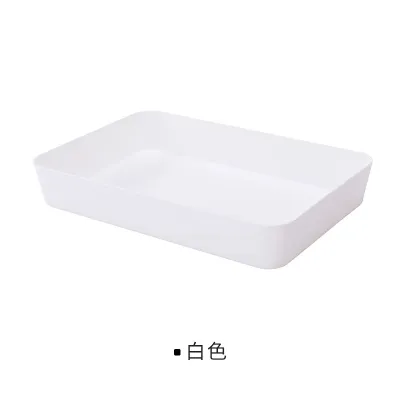
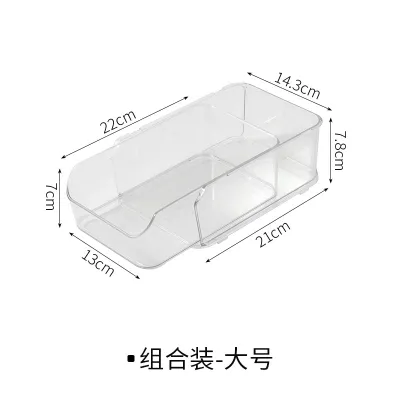
Prices are valid at publication and may change. Please refer to the product page for the latest price.
To avoid purchasing storage that is either too large or non-functional, you must measure your bathroom’s exact clearances with a physical measuring tape. Do not rely on visual estimates or general floor plans, as actual finished dimensions can vary due to wall tiling, skirting boards, and pipe casings. Measure the width, depth, and height of every potential storage spot, paying close attention to how doors, shower screens, and cabinet drawers open. Accounting for these structural elements beforehand ensures that your storage units fit seamlessly into the available space without causing operational friction.
MUJI Storage Types Suited for Humid, Compact Spaces
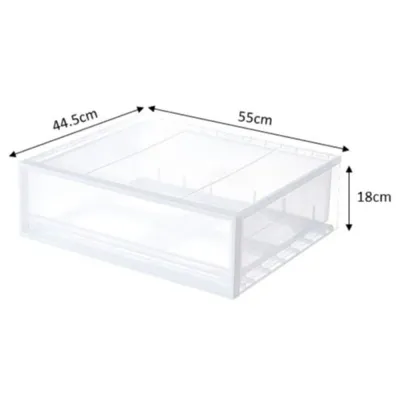
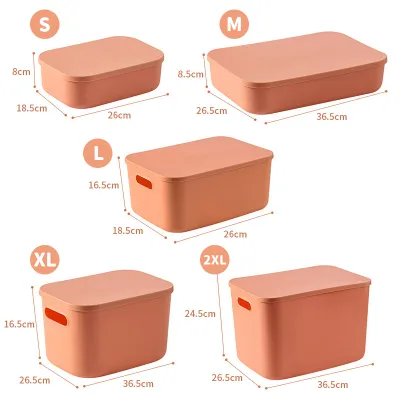
Polypropylene (PP) drawers and boxes are among the most resilient options for the humid conditions of an HDB bathroom. This synthetic polymer is naturally water-resistant, non-porous, and highly durable, meaning it will not warp, swell, or degrade when exposed to steam or occasional water splashes. The modular nature of these containers allows you to stack different sizes to fit your specific layout, making them excellent for utilizing vertical space. When selecting PP drawers, always check the manufacturer’s guidelines for maximum stackability limits and verify the exact outer dimensions to ensure they slide smoothly into your designated gaps.

Aluminum and stainless steel shelving units offer a sleek, industrial look while providing sturdy support for heavier bathroom essentials. These metal options are best suited for dry or semi-dry zones, such as above the toilet or tucked into a corner away from the direct spray of the shower. While these metals are more resistant to corrosion than standard steel, you should still verify the rust-resistance ratings and material grades on the product labels before purchasing. To prolong their lifespan, avoid placing metal shelves in direct splash zones and ensure they are kept dry to prevent mineral buildup and potential surface oxidation over time.
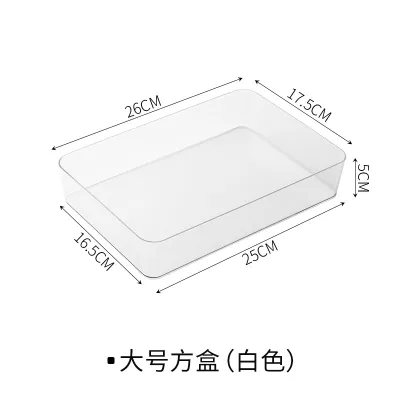
Acrylic and ABS resin organizers are excellent choices for sorting smaller toiletries, cosmetics, and daily grooming tools on countertops or inside cabinet drawers. The crystal-clear nature of acrylic organizers provides excellent visibility, which is particularly beneficial in dimly lit HDB bathrooms where finding small items can be challenging. ABS resin, which is opaque and highly impact-resistant, offers a clean, uniform look that helps conceal visual clutter. Both materials are easy to wash with mild soap and water, but they should be handled with care to avoid scratching the polished surfaces during cleaning.
While natural materials like rattan, wicker, and cotton-linen baskets are popular for their warm, organic aesthetic, they should be used with extreme caution in HDB bathrooms. The high humidity and limited ventilation typical of these compact spaces create an ideal breeding ground for mold and mildew on organic fibers. If left in a damp environment, natural baskets can quickly develop musty odors and structural rot, potentially ruining the items stored inside them. If you highly prefer the look of these materials, restrict their use strictly to well-ventilated dry zones, or opt for synthetic alternatives that mimic the woven texture without the associated moisture risks.
Configuring Storage for Specific Bathroom Zones
The awkward space underneath a pedestal sink or inside a vanity cabinet can be difficult to organize efficiently due to the presence of plumbing pipes. You can maximize these irregular vertical gaps by using stackable PP boxes of varying heights, placing shallower boxes around the pipes and taller ones in the open areas. This modular approach allows you to build a customized storage tower that conforms to the shape of your plumbing, turning previously wasted space into a highly functional cabinet system. Ensure that you leave enough clearance around the pipes to allow for routine maintenance and leak inspections.
In the shower and wet zones, storage must be highly water-resistant and easy to clean to prevent soap scum and mold accumulation. Water-resistant PP caddies with drainage holes are ideal for holding shampoos, body washes, and razors, as they prevent standing water from pooling around your bath products. If you plan to use suction cups, adhesive hooks, or tension rods to mount these caddies on tiled walls, verify the weight capacity and surface compatibility specified by the manufacturer. Smooth, non-porous tiles generally provide the best grip, whereas textured or matte tiles may require mechanical mounting to prevent the storage from slipping or falling.
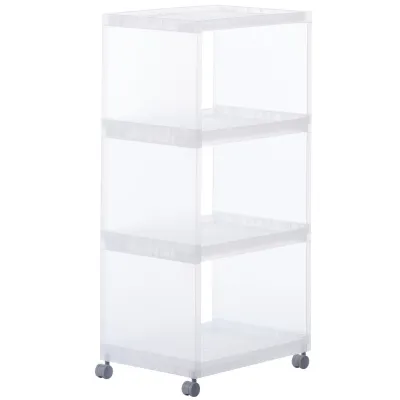
Utilizing the space above the toilet or squeezing a slim, tall shelving unit into a narrow gap is an excellent way to reclaim underutilized vertical space. When installing tall storage units in a compact bathroom, you must carefully evaluate their stability, weight distribution, and potential tipping risks. Place heavier items, such as extra toilet paper rolls or cleaning detergent bottles, on the lowest shelves to lower the center of gravity. If the unit is top-heavy or placed in a high-traffic pathway where it could easily be bumped, consider anchoring it securely to the wall using moisture-resistant hardware to ensure household safety.
Pre-Purchase Checklist and Label Verification
Before heading to a store or placing an order online, compile a comprehensive measuring tape checklist to verify all physical clearances. Measure the maximum swing path of your bathroom door and shower screen to ensure they can open fully without striking your planned storage units. Check the height of existing wall fixtures, such as towel racks, toilet paper holders, and water heaters, to avoid overlapping or blocking access to them. Taking these precise measurements beforehand prevents the hassle of returning bulky items that do not fit your layout.
Reading the product labels carefully is a crucial step in verifying that the storage materials are suitable for your bathroom’s specific environmental conditions. Look for material codes, heat resistance limits, and moisture warnings on the packaging to understand how the product will perform in a damp setting. Pay close attention to the maximum weight limits specified for shelves, drawers, and hanging organizers to avoid overloading them, which can lead to structural sagging or tipping. If a label advises against use in high-humidity environments, it is best to find an alternative material.
To ensure a smooth purchasing experience, check the current stock availability, exact dimensions, and pricing on the official website or at local physical stores in Singapore. Physical stores allow you to examine the build quality, drawer glide smoothness, and material finishes in person, helping you make a more informed decision. Keep in mind that product dimensions listed online may exclude protruding handles or feet, so verifying these details in person can save you from unexpected fit issues. Comparing options across official channels ensures you get the correct configuration for your home.
Maintaining Storage in High-Humidity Conditions
Regular maintenance is essential to prolonging the life of your bathroom storage and keeping your toiletries hygienic. Establish a routine of wiping down metal, acrylic, and plastic surfaces with a dry microfiber cloth to prevent water spots, soap scum, and mineral deposits from hardening. If you notice any moisture buildup inside closed drawers or boxes, remove the contents, wipe the interiors dry, and leave them open to air out completely. This simple practice prevents mold from developing on your stored items and maintains a fresh environment.
Adequate ventilation is the most effective defense against humidity-related damage in a compact HDB bathroom. Always turn on the exhaust fan during and after showers, or keep the bathroom window cracked open to facilitate continuous airflow and allow damp air to escape. Good ventilation not only protects your storage organizers from premature wear but also helps dry out towels and bath mats faster, reducing overall humidity levels. If your bathroom lacks a window or an exhaust fan, consider using a small dehumidifier or moisture-absorbing sachets inside closed cabinets.
Over time, even the most durable organizers may show signs of wear, requiring you to assess whether they need deep cleaning or replacement. Inspect your storage units periodically for signs of persistent mold, rust spots on metal components, or structural warping in plastic drawers. If an organizer becomes difficult to clean, develops a permanent musty odor, or compromises the hygiene of your toiletries, it is time to stop using it. Replacing damaged or heavily soiled organizers promptly ensures that your bathroom remains a clean, safe, and pleasant space for your daily routine.
Frequently Asked Questions (FAQ)
Can I use MUJI rattan baskets in my HDB bathroom?
Natural rattan baskets are highly susceptible to mold and mildew when exposed to the high humidity and limited ventilation of a typical HDB bathroom. It is highly recommended to restrict these organic fiber baskets to dry areas of your home, such as bedrooms or living rooms. If you must use them in the bathroom, ensure the space has excellent, continuous mechanical ventilation, and place them far away from any splash zones.
Do MUJI PP storage boxes come with wheels for easy cleaning?
Some larger polypropylene (PP) storage units are compatible with optional casters, which can be purchased separately to make cleaning underneath cabinets much easier. Before purchasing, verify the specific product details to ensure the boxes have the necessary slots to accommodate the wheels. Always adhere to the recommended weight limits when the unit is fully loaded to prevent the casters from cracking or damaging your bathroom floor tiles.

Community discussion
Share your experience or ask a question. Comments are reviewed before publication.