
Quick Answer: Which MUJI Dining Chair Fits Your Daily Routine?
Choosing the right dining chair is a balance between daily habits, physical space, and table design. When comparing the iconic MUJI standard wooden chair and the MUJI elbow chair, there is no single superior option. Instead, the right selection depends on how you use your dining area and the dimensions of your existing table.
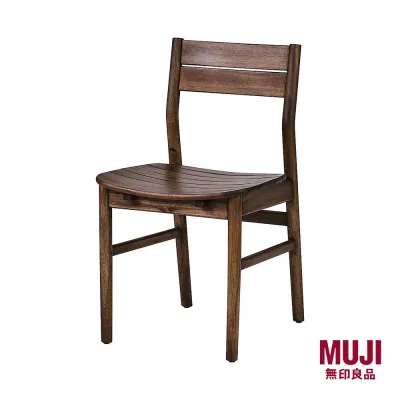
The Standard Wooden Chair is an armless, highly functional option built for efficiency. It is the ideal choice for compact dining rooms, such as those found in many Singapore apartments, where maximizing seating capacity and saving floor space are top priorities. Because it lacks arms, it slides fully under almost any dining table, keeping walkways clear when not in use.
Conversely, the Elbow Chair prioritizes upper-body support and comfort during extended sitting sessions. It features low-profile, integrated armrests that support your forearms without the bulk of a traditional armchair. This makes it the premier choice if your dining table doubles as a home office, or if you prefer lingering over long, multi-course meals.
Products mentioned in this guide
Prices are valid at publication and may change. Please refer to the product page for the latest price.
Ergonomics and Comfort: Armless Freedom vs. Armrest Support
The daily comfort of a dining chair depends heavily on how it supports your natural sitting posture. The primary ergonomic difference between these two popular models lies in the presence or absence of armrests. This design choice fundamentally alters how you place your arms, how you shift your weight, and how close you can sit to the table edge during a meal.

Standard Wooden Chair (Armless)
The armless design of the Standard Wooden Chair offers complete freedom of movement. Without lateral barriers, sitting down and standing up require minimal effort, as you can easily slide into the seat from the side. This is particularly convenient in tight dining spaces where pulling a chair far back from the table is not physically possible.
Additionally, the absence of armrests allows you to sit as close to the table edge as you prefer. For shorter individuals, children, or those who lean forward while eating, this close proximity ensures a natural posture without straining the lower back. The flat, open sides also make it easy to shift your seating position or turn your body to converse with others around the table.
However, this freedom comes with a trade-off in long-term support. Because there are no armrests, your arms must rest either on the table surface or in your lap when you are not actively eating. Over extended periods—such as during three-hour dinner parties or long work sessions—this lack of forearm support can lead to minor shoulder fatigue and upper back tension.
Elbow Chair (With Armrests)
The Elbow Chair is engineered to support the upper body by providing dedicated resting points for your forearms. The gently curved backrest extends seamlessly into two short, low-profile armrests. This design allows your shoulders to relax completely, distributing your upper body weight more evenly and reducing tension in the neck and upper back.
This ergonomic profile makes the Elbow Chair exceptionally well-suited for multi-purpose spaces. If your dining table frequently serves as a workspace, a study desk, or a crafting station, the armrests provide the necessary support to maintain a comfortable upright posture for hours. It encourages a relaxed, slightly reclined posture that is perfect for slow dining and conversation.
The main physical constraint of this design is the restriction on lateral movement. The armrests frame your body, which some users may find slightly restrictive. Furthermore, depending on the thickness of your table’s edge and the height of the armrests, you may not be able to pull yourself as close to the table as you would with an armless chair, which can affect your eating posture.
Space Planning, Aesthetics, and Table Compatibility
A dining chair does not exist in a vacuum; it must harmonize with your dining room’s layout and your physical table. Before committing to either style, it is essential to evaluate the physical footprint, visual weight, and structural compatibility of both designs to ensure they do not disrupt the flow of your home.
Footprint and Traffic Flow
The Standard Wooden Chair features a compact lateral footprint. Because it lacks protruding arms, its overall width is minimized, allowing you to place more chairs side-by-side along a rectangular table. This makes it highly efficient for hosting larger groups or for fitting a four-to-six-seat setup into a narrow dining alcove.
The Elbow Chair, by contrast, has a wider stance to accommodate the integrated armrests. It occupies a larger visual and physical footprint, requiring more breathing room on either side of the seat. If you attempt to crowd multiple Elbow Chairs along one side of a standard table, the dining area can quickly feel cramped, and guests may bump elbows.
When planning your layout, measure the walking clearance behind your dining table. In typical Singapore layouts where dining zones sit adjacent to main walkways, a chair that sticks out can block traffic. The armless chair requires less clearance to pull out, while the wider Elbow Chair demands a more generous perimeter to ensure smooth movement around the room.
Table Apron Clearance and Tuck-In
One of the most common mistakes when buying a new muji chair is overlooking the table apron. The apron is the vertical wooden board positioned directly beneath the tabletop that connects the legs and provides structural support. The height of this apron dictates whether a chair can be tucked fully under the table when not in use.
To avoid an expensive mismatch, grab a tape measure and record two key dimensions: the height from the floor to the underside of the table apron, and the interior distance between the table legs. The Standard Wooden Chair, with its low back and lack of armrests, easily slides completely under almost any standard dining table, keeping your dining area tidy and maximizing floor space.
The Elbow Chair presents a greater compatibility challenge. Its armrests rise to a specific height that may collide with a low table apron. If the armrests cannot clear the apron, the chair will remain partially stuck outside the table footprint, permanently protruding into your dining room’s traffic lane. Additionally, because the chair is wider, you must verify that the distance between the table legs is sufficient to accommodate the width of the chairs when tucked in side-by-side.
Wood Finishes, Seat Options, and Daily Maintenance
Investing in high-quality dining furniture requires a clear understanding of material choices and practical daily upkeep. MUJI offers these chairs in various wood finishes and seat configurations, each carrying distinct aesthetic qualities and maintenance demands that must be managed carefully to preserve their appearance.
Material Verification
Before purchasing, always verify the exact material specifications on the product label or the official MUJI Singapore store pages. These chairs are typically crafted using premium hardwoods such as solid oak or walnut, sometimes utilizing veneers for specific components. Solid wood offers excellent structural stability, a heavy feel, and natural grain variations, while engineered wood or veneered parts can offer a more uniform look and lighter weight. Understanding the exact composition helps you choose the right cleaning products and anticipate how the wood will age.
Seat Options
You will generally find these chairs available with either a solid wood seat or an upholstered cushion. A solid wood seat offers a seamless, minimalist aesthetic and is incredibly easy to clean; a quick wipe with a dry or damp cloth resolves most dining spills. However, it provides a firmer sit that may feel cold or hard during long periods of sitting.
Upholstered or cushioned seats, which may feature fabric or synthetic leather covers, provide immediate comfort and pressure relief. The trade-off lies in maintenance. Fabric seats are highly susceptible to liquid stains, food spills, and dust accumulation, requiring prompt spot cleaning or specialized fabric protectors. If you have young children or pets, a solid wood seat or an easily cleanable synthetic cover is often the more practical choice.
Daily Care and Environment
To keep your wooden chairs in pristine condition, establish a simple but consistent care routine. Always wipe up liquid spills and food residue immediately using a soft, lint-free cloth. Avoid using harsh chemical cleaners, abrasive pads, or excessive water, which can strip the protective finish and damage the underlying wood grain.
Singapore’s tropical climate presents unique environmental challenges. While wood is resilient, placing your chairs in direct sunlight near large windows can cause the finish to fade unevenly over time. Similarly, positioning the chairs directly under or adjacent to powerful air-conditioning drafts can cause rapid temperature and humidity fluctuations, potentially leading to wood warping or joint separation.
Finally, protect both your chairs and your flooring by applying high-quality felt pads to the bottom of the chair legs. This prevents unsightly scratches on vinyl, laminate, or hardwood floors and minimizes scraping noises. Always consult the specific care manual provided by the manufacturer for detailed instructions tailored to your specific finish.
Decision Framework: Choosing the Right Chair for Your Dining Room
To make your final decision, evaluate your daily lifestyle, household habits, and the physical constraints of your dining space. Both chairs are exceptional examples of minimalist design, but they serve different living patterns.
Choose the Standard Wooden Chair if:
- Space is limited: Your dining area is compact, or you live in a cozy apartment where every square centimeter of floor space counts.
- You need to maximize seating: You frequently host guests and need to fit as many seats as possible along the sides of your dining table.
- Your table has a low apron: Your existing table features a deep under-table support beam or low clearance that prevents armed chairs from sliding underneath.
- You prefer lightweight furniture: You want a chair that is easy to pick up, move around the house, and clean under.
Choose the Elbow Chair if:
- The dining table is a multi-functional hub: You use the table for remote work, studying, or hobbies, requiring comfortable upper-body support for hours.
- You prioritize long-term comfort: You enjoy long, leisurely meals, deep conversations around the table, and a more relaxed, supportive sitting posture.
- You have ample room: Your dining space is spacious, and your table legs are set wide apart, allowing the wider profile of the chairs to sit comfortably.
- You want a statement piece: You appreciate the sculptural, flowing lines of the integrated backrest and armrests as a focal point in your room.
Verify First
Never rely solely on online photos when selecting furniture. Measure your dining table’s height, apron clearance, and the distance between the legs, and compare these figures against the official dimensions of the MUJI chair you are considering. If possible, visit a physical MUJI retail store in Singapore to test the seating comfort in person. Sit in both models, experience the backrest angles, and assess how the seat depth matches your body proportions before making your investment.
Frequently Asked Questions (FAQ)
Addressing common queries helps clear up remaining uncertainties before you make your purchase.
Can I mix the Standard and Elbow chairs at the same dining table?
Yes, mixing these two styles is an excellent way to create a dynamic, modern look in your dining room. To maintain visual harmony, ensure that you select the exact same wood species and finish (such as natural oak or dark walnut) for both models. A popular arrangement is placing two Elbow Chairs at the heads of the table to serve as statement captain’s chairs, while lining the longer sides with the armless Standard Wooden Chairs. Always verify that the seat heights are compatible so that everyone sits at a comfortable level relative to the tabletop.
Do these chairs require assembly upon delivery?
Assembly requirements can vary depending on the specific retailer and delivery options available at the time of purchase in Singapore. Some options arrive fully assembled and ready for immediate use, while others may be delivered as flat-packs. If self-assembly is required, carefully follow the step-by-step instructions in the provided manual. Over time, the physical movement of sitting and sliding the chairs can cause joint fasteners to loosen slightly. It is a good practice to periodically check and tighten any screws or bolts to ensure long-term stability and prevent wobbling.
Community discussion
Share your experience or ask a question. Comments are reviewed before publication.