
Quick Answer: Evaluating MUJI vs. Alternatives for Long Sessions
When choosing between a MUJI floor chair and alternative brands for extended sitting, the ideal option depends on your specific posture requirements, aesthetic preferences, and space constraints. MUJI floor chairs are widely recognized for their minimalist, low-profile design and reliable multi-stage reclining mechanisms, making them excellent for compact living spaces and casual use. However, specialized ergonomic competitors often provide thicker padding, dedicated lumbar support, and integrated armrests that may better suit long-duration activities like gaming or home office work.
Because standardized comfort metrics do not exist across brands, selecting the right chair requires verifying physical specifications such as foam density, gear count, and frame dimensions. The primary trade-off centers on choosing between a clean, space-saving aesthetic that blends seamlessly into modern interiors and a more robust, heavily cushioned structure designed specifically for anatomical support.
What Defines Comfort for Extended Floor Sitting?
To evaluate any floor chair for long-term comfort, you must look past brand marketing and focus on objective structural criteria. Sitting close to the floor alters your natural spinal alignment, making proper posture support the most critical factor. A high-quality floor chair must offer adjustable backrest angles to help you maintain an upright or slightly reclined position, reducing the tendency to slouch. Look for models that feature built-in lumbar contouring or allow space to add an external support cushion, which helps preserve the natural curve of your lower spine during long sessions.
Products mentioned in this guide
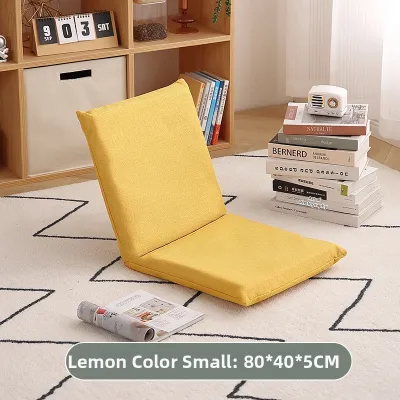
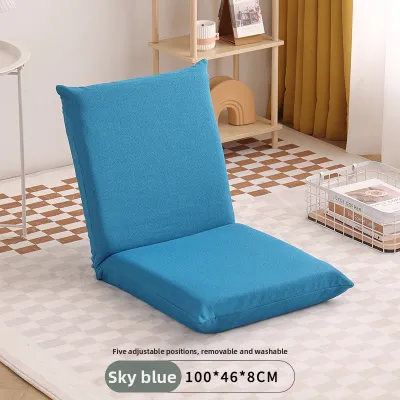
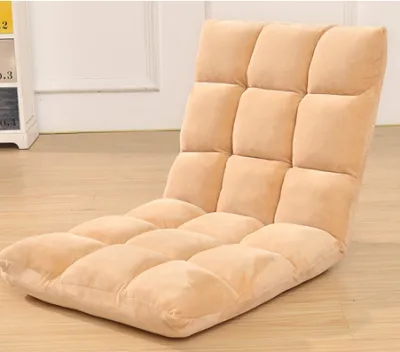
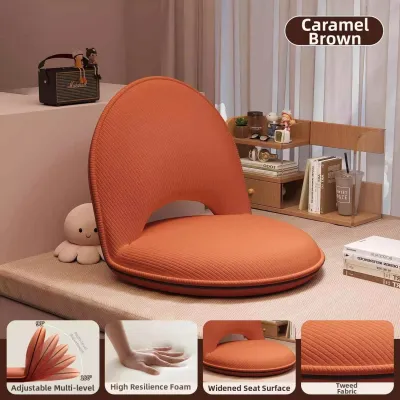
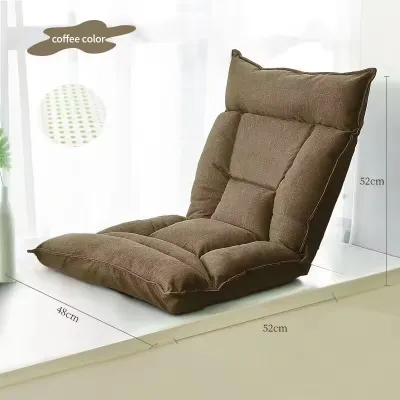
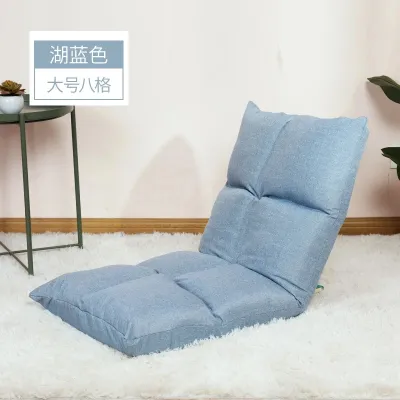
Prices are valid at publication and may change. Please refer to the product page for the latest price.

Seat depth and height also play a vital role in maintaining healthy circulation. If a seat cushion is too shallow, your thighs will lack adequate support, placing excessive pressure on your sit bones. Conversely, a seat that is too deep can force your knees into awkward angles or prevent your back from fully reaching the backrest. Ensure there is sufficient knee clearance and thigh support to allow you to shift positions comfortably, whether you prefer sitting cross-legged or with your legs extended.
The stability of the reclining mechanism directly impacts how secure you feel when leaning back. Most floor chairs utilize either a multi-gear click system or a friction-based hinge. Multi-gear systems lock into distinct, pre-set angles, providing rigid support that will not slip under pressure. Friction hinges offer more fluid adjustments but require careful inspection to ensure they do not loosen over time.
Finally, base stability is essential for preventing accidental tipping. A floor chair should feature a wide, low-gravity base that remains flat on the floor even when you shift your weight or lean back fully. A non-slip bottom material is also beneficial, as it prevents the chair from sliding across smooth flooring surfaces like polished wood or tiles when you sit down or stand up.
Comparing Ergonomics and Build Quality
When comparing MUJI floor chairs to alternative brands, a physical inspection of the internal frame and hardware is the most reliable way to assess overall build quality. The internal metal frame serves as the backbone of the chair; thicker steel tubing generally offers greater resistance to bending and warping over time. When visiting a showroom, test the reclining gears by adjusting the backrest through its full range of motion. The transition between angles should feel smooth, distinct, and free of grinding noises. If you are purchasing online through an ecommerce platform, review the return policy carefully to ensure you can test the mechanism at home.
Weight capacity is another critical specification that varies significantly between brands. Rather than assuming a standard limit, always verify the manufacturer’s stated maximum load capacity in the product manual or specification sheet. A chair rated for a higher weight capacity typically utilizes stronger joints and thicker metal brackets, which translates to greater stability and a longer lifespan under daily use.
The presence or absence of armrests is a key differentiator between minimalist designs and specialized ergonomic alternatives. Armless models, which are characteristic of MUJI’s signature style, offer maximum freedom of movement, making them ideal for cross-legged sitting, meditation, or tucking away under low coffee tables. On the other hand, floor chairs with integrated armrests provide essential upper-body support, reducing strain on your shoulders and neck if you frequently use a laptop, read books, or play video games for hours.
To gauge the long-term durability of the reclining hardware, look for indicators of quality in the warranty terms and user documentation. Manufacturers that offer explicit warranties on the internal mechanism demonstrate confidence in their hardware’s longevity. Additionally, check the user manual for maintenance guidelines; high-quality chairs often include instructions on how to keep the hinge areas clean and free of debris to prevent premature wear.
Upholstery, Padding, and Climate Considerations
The materials used in a floor chair’s cushion and cover directly affect both immediate comfort and long-term durability, especially in warm and humid climates like Singapore. When evaluating the padding, look for high-resilience polyurethane foam or memory foam layers rather than standard polyester fiberfill. High-resilience foam retains its shape and supportive properties under continuous pressure, whereas low-density fills tend to flatten permanently within a few months of use. You can perform a simple physical rebound check by pressing firmly into the cushion; a quality foam should quickly spring back to its original shape without leaving a lasting indentation.
Fabric breathability is a crucial consideration for preventing heat buildup during extended sitting sessions. Natural fiber blends, such as cotton and linen, are highly breathable and feel soft against the skin, making them popular choices for minimalist home decors. Synthetic mesh fabrics offer superior airflow, which is highly advantageous if you do not use air conditioning constantly. While synthetic leather covers are easy to wipe clean, they tend to trap heat and moisture, which can lead to discomfort during long, humid afternoons.
Given that floor chairs sit directly on the ground, they are highly susceptible to dust, spills, and pet hair. Choosing a model with a removable, machine-washable cover is essential for maintaining long-term hygiene. Verify the care label instructions to ensure the cover can be washed without shrinking or pilling. If a chair features a non-removable cover, you will need to rely on spot cleaning, which can make maintaining a pristine appearance more challenging over time.
Keep an eye out for early wear and tear indicators during the first few weeks of use. Check the seams and zippers for any signs of fraying or pulling under tension. High-quality upholstery should exhibit tight, double-stitched seams that distribute stress evenly, preventing the fabric from tearing at key pressure points where the seat meets the backrest.
Decision Framework: Which Floor Chair Fits Your Needs?
To finalize your choice, use this structured framework to align a floor chair’s specifications with your daily habits, living space, and physical requirements.
When to Choose a Minimalist, Low-Profile Brand (e.g., MUJI)
- Aesthetic Integration: You prefer a clean, understated look that complements Japanese-style, Scandinavian, or minimalist home interiors.
- Firm Support: You prefer a firmer, more structured seating surface that encourages active sitting rather than deep sinking.
- Multi-Purpose Utility: Your primary activities include short-to-medium reading sessions, meditation, tea drinking, or casual socializing around a low table.
- Space Optimization: You need a compact, lightweight chair that can be easily folded flat and stored in a closet or under a bed when not in use.
When to Choose a Specialized Ergonomic Competitor
- Extended Sitting Sessions: You plan to sit in the chair for several consecutive hours for gaming, watching movies, or working on a laptop.
- Anatomical Support: You require pronounced lumbar contouring, adjustable headrests, or thick memory foam padding to relieve pressure points.
- Upper Body Relief: You prefer having integrated armrests to support your elbows and forearms while typing or holding a controller.
- High Weight Capacity: You need a heavy-duty frame designed to support larger weight profiles with enhanced stability.
Essential Pre-Purchase Verifications
- Space and Access: Measure your designated floor area to ensure the chair fits comfortably when fully reclined. If you live in an apartment or HDB flat, verify that the packaged dimensions can easily pass through your doorways and lift access.
- Mobility Considerations: If you experience knee, hip, or lower back stiffness, keep in mind that getting in and out of a floor-level chair requires significant joint flexibility.
- Trial and Return Policies: Whenever possible, visit a local showroom to test the seating firmness in person. If buying online, confirm whether the retailer offers a comfort trial or a flexible return policy.
Frequently Asked Questions (FAQ)
Can floor chairs cause back pain during long use?
Yes, floor chairs can contribute to back pain if used improperly or for excessively long periods. Because floor seating positions your hips at the same level as or lower than your knees, it naturally tilts your pelvis backward, which can flatten the lumbar curve and lead to slouching. To mitigate this discomfort, it is highly recommended to take regular standing breaks every 30 to 45 minutes to stretch your muscles and restore circulation. Additionally, if your floor chair lacks built-in lumbar support, you can place a small, supportive cushion or rolled towel behind your lower back to help maintain a healthy spinal posture. Individuals with pre-existing joint, hip, or spinal conditions should consult a medical professional before adopting floor-level seating for extended periods.
How do I maintain the reclining mechanism?
Preserving the internal reclining mechanism requires careful handling and regular, simple maintenance. Always adjust the backrest according to the manufacturer’s instructions, avoiding the temptation to force the hinge past its designed stopping points or clicking the gears too aggressively. Keep the area around the hinge free of dust, pet hair, and debris by vacuuming it regularly, as particles can migrate into the gear teeth and cause grinding or misalignment. Refer to your specific product manual before applying any lubricants, as some mechanisms are designed to operate dry, and improper oils can attract dirt and degrade the internal components. If you notice the mechanism slipping, failing to lock securely, or making unusual grinding noises, stop using the chair immediately and contact the retailer or manufacturer for assistance.
Community discussion
Share your experience or ask a question. Comments are reviewed before publication.