
Finding the right storage solution often comes down to balancing functional utility with home aesthetics, a dilemma many face when choosing between MUJI’s iconic polypropylene (PP) drawers and their classic wood drawer counterparts. The direct answer is that polypropylene drawers are highly suitable for high-humidity areas, temporary rentals, and modular closet organization due to their lightweight, water-resistant nature, whereas wood drawers are well-suited for permanent living spaces where structural weight capacity, visual warmth, and long-term durability are the primary goals. Making the right decision requires evaluating your home’s environmental conditions, your budget, and how frequently you plan to reconfigure your storage layout.
How do the visual aesthetics of MUJI polypropylene and wood drawers differ?
MUJI polypropylene drawers present a highly utilitarian, minimalist aesthetic characterized by clean lines and semi-translucent or solid neutral finishes, while MUJI wood drawers offer a warm, organic presence featuring natural grain variations. These distinct design languages serve very different styling purposes within a home.
Polypropylene storage is designed to blend into the background rather than stand out. The semi-translucent variety allows a soft silhouette of the contents to remain visible, which helps with quick identification but can look cluttered if the interior is disorganized. For a cleaner look, solid or opaque PP options provide a uniform, clinical neatness that fits exceptionally well in modern industrial, Scandinavian, or ultra-minimalist interiors. Because they are modular and lightweight, they carry very little visual weight, making small rooms feel more open and less crowded.
Products mentioned in this guide
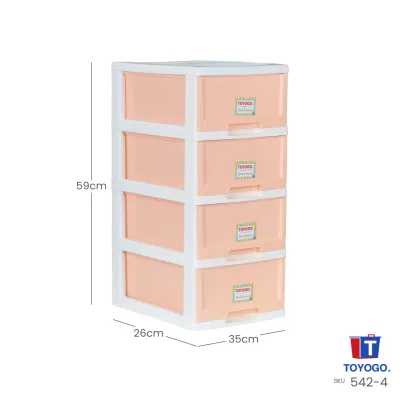
61 Lazada user ratings
Delivery on 4th day. Cheaper than retail price but workmanship is not so good, drawers' edges are slanted, uneven and croaked . But still fu…Read full reviewShow less
Delivery on 4th day. Cheaper than retail price but workmanship is not so good, drawers' edges are slanted, uneven and croaked . But still function-able. Retailers have much prettier drawers but also cost a lot more.
ordered on 15Aug, received on 18Aug, just nice for my moving! no other colour option, drawer is sturdy too. pls note the measurements before…Read full reviewShow less
ordered on 15Aug, received on 18Aug, just nice for my moving! no other colour option, drawer is sturdy too. pls note the measurements before purchase, this is the right size for me. thanks seller!
Size:wrong buy, the size very small, not the size I want
Useful to store stuff in the office
nice drawers
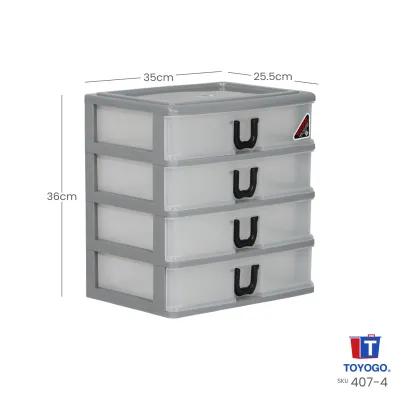
37 Lazada user ratings
Second one bought. Use it to store / sort lego. Functional...not exactly good looking.
Recieved the product in good condition. Very good size, will recommend friends to buy.
The quality is 💯👍🏻👍🏻👍🏻👍🏻Going to buy some more. Thank You Seller !
the item is well packed in a carton box.
Great storage to tidy up my documents.
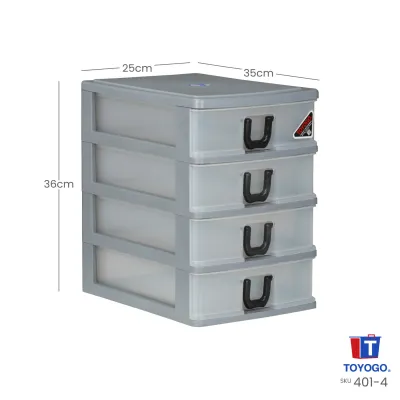
31 Lazada user ratings
The product is great, exactly what I was looking for.
Good replacement for my old 7 years old drawer
Fast delivery. Product so far so good.
Received, fast delivery, thanks
Good quality.
Prices are valid at publication and may change. Please refer to the product page for the latest price.
In contrast, wood drawers—typically crafted with oak, walnut, or maple veneers—bring an immediate sense of warmth, texture, and permanence to a room. Each piece displays unique grain patterns, knots, and color tones that synthetic materials cannot replicate. This natural variation complements cozy minimalist, rustic, or classic mid-century modern design themes. Unlike the clinical, functional appearance of plastic, a wood drawer unit functions as a substantial piece of furniture that anchors a room’s layout, adding visual depth and a premium feel to living rooms, bedrooms, or entryways.
What are the daily maintenance and cleaning routines for each material?
Polypropylene drawers are exceptionally low-maintenance, requiring only a quick wipe with a damp cloth and mild soap, whereas wood drawers demand careful, dry-cleaning methods and strict moisture control to preserve their finish. Establishing the correct routine prevents premature wear and keeps the surfaces looking pristine.

Cleaning polypropylene is straightforward because the material is non-porous and highly resistant to water. Dust and static buildup can attract lint over time, but this is easily managed by wiping the surfaces down with a soft microfiber cloth dampened with water or a diluted, neutral household detergent. Because PP does not absorb liquids, spills from cosmetics, toiletries, or kitchen ingredients can be wiped away without leaving permanent stains, provided they are addressed before drying. However, abrasive scrubbing pads or harsh chemical solvents must be avoided, as they can scratch the plastic surface and leave permanent cloudy patches.
Wood drawers require a much more disciplined maintenance routine to prevent degradation. Daily cleaning should be limited to dry dusting with a soft, lint-free cloth to prevent dust from settling into the grain. Water is wood’s primary enemy; any liquid spills must be blotted dry immediately to prevent the veneer or solid wood from swelling, warping, or cracking. When deeper cleaning is necessary, use a slightly damp cloth wrung out almost completely, followed immediately by a dry cloth. Owners should consult the manufacturer’s care tags to determine if the specific wood finish requires periodic oiling or polishing, and avoid placing wood drawers in direct sunlight, which can cause uneven fading of the natural wood tones over time.
How should you evaluate the durability and weight capacity of MUJI drawers?
To accurately evaluate the durability and weight capacity of these drawers, you must check the official product manuals for specific load limits per tier and physically inspect the structural joints and rail mechanisms. Relying on visual assumptions can lead to overloaded drawers and structural failure.
Polypropylene is inherently flexible and resilient against minor impacts, but it has clear structural limitations when subjected to heavy loads. Overloading a PP drawer can cause the plastic frame to sag, which directly interferes with the smooth opening and closing of the drawer slides. Before purchasing, check the physical tags or official product specifications to verify the maximum weight capacity per drawer tier and the cumulative stack limit. Because PP drawers typically rely on molded plastic tracks rather than metal runners, they are more appropriate for lightweight items like clothing, linens, stationery, or toys.
Wood drawers offer significantly higher structural rigidity and load-bearing capacity, making them suitable for heavier storage needs such as books, files, or heavy winter wear. However, their durability depends heavily on the quality of the joint connections and the drawer slide mechanisms. When evaluating wood options, inspect the drawer glides—whether they are wooden runners or metal tracks—to ensure they operate smoothly under weight.
Environmental factors also play a critical role in long-term durability, particularly in humid climates like Singapore. High relative humidity can cause wood to expand and contract, potentially leading to sticky drawers or misaligned frames if the wood is not properly sealed or treated. Polypropylene is entirely unaffected by humidity, making it immune to rot or mold growth, though it should be kept away from high-heat sources to prevent warping. Always verify the warranty terms and material treatment details provided by the manufacturer to understand how each option performs under local climate conditions.
How do the initial costs and long-term value of MUJI PP and wood drawers compare?
Polypropylene drawers offer a highly accessible, low-cost entry point with the flexibility of affordable modular expansion, while wood drawers require a substantial initial investment but deliver excellent long-term value as durable, permanent home furniture. Balancing these financial aspects depends on your current budget and housing stability.
The financial commitment for polypropylene storage is relatively low, making it an attractive option for budget-conscious shoppers, students, or renters. Because these drawers are sold individually or in small modular stacks, you can start with a single unit and gradually expand your storage setup as your budget and needs grow. When planning a modular system, it is wise to calculate the cumulative cost of adding multiple tiers over time in S$ to ensure the total investment remains within your budget. Additionally, check the official MUJI platform to verify the ongoing availability of specific drawer dimensions, as modular systems rely on consistent sizing for stable stacking.
Wood drawers are positioned as premium furniture pieces, reflecting the cost of natural materials, veneer craftsmanship, and structural hardware. While the upfront cost in S$ is considerably higher than plastic, wood furniture often provides excellent long-term value. A well-maintained wood drawer unit can last for decades, surviving multiple moves and style transitions, whereas plastic drawers may eventually degrade, discolor, or become brittle over years of use. When deciding, weigh the immediate affordability and flexibility of PP against the enduring aesthetic appeal and physical longevity of wood.
Which MUJI drawer material is the right choice for your specific living space?
Choosing the right material depends on matching polypropylene’s moisture resistance and modular flexibility to high-humidity or temporary spaces, and wood’s structural stability and warmth to permanent, dry living areas. Assessing your specific room conditions and lifestyle will point you to the correct choice.
Polypropylene drawers are highly recommended for spaces where moisture, frequent rearrangement, or compact footprints are key factors. Their water-resistant nature makes them highly suitable for bathrooms, kitchens, laundry rooms, and walk-in wardrobes where humidity levels fluctuate. If you live in a rental home or plan to relocate soon, the lightweight design of PP drawers makes packing and transport exceptionally easy. They can be easily unstacked, reconfigured, or repurposed for different rooms as your living situation changes.
Wood drawers are best suited for permanent living spaces where the furniture will remain stationary and serve as a design anchor. Living rooms, master bedrooms, and home offices benefit greatly from the rich texture and solid presence of wood. These spaces typically have controlled humidity levels, reducing the risk of wood movement, and require the higher weight capacity that wood naturally provides for storing heavier household items.
Before making your final purchase, go through this practical checklist to ensure a seamless integration into your home:
- Measure Available Floor Space: Ensure the depth, width, and height of the designated spot accommodate the drawer unit, leaving ample clearance for the drawers to pull out fully without hitting other furniture.
- Verify Access Routes: For larger, pre-assembled wood drawer units, measure your doorways, hallways, and lift access to guarantee the delivery team can safely maneuver the item into your home.
- Assess Daily Usage Patterns: Consider who will use the drawers; lightweight plastic drawers are easy for children to operate but can tip over if fully extended while overloaded, whereas heavy wood drawers offer greater stability but require more effort to open if they lack modern roller tracks.
- Align with Budget and Longevity Goals: Determine whether you need a quick, adaptable storage fix in S$ or are ready to invest in a permanent heirloom piece that enhances your home's interior design.
Community discussion
Share your experience or ask a question. Comments are reviewed before publication.