
Selecting the ideal chair for a home office in Singapore is a balancing act between physical comfort, spatial constraints, and interior design. With hybrid work arrangements remaining a permanent fixture for many professionals, the chair you choose directly impacts your daily productivity and long-term physical well-being. While dedicated ergonomic chairs prioritize mechanical adjustability to support the body during long working hours, lifestyle-focused options prioritize visual harmony and integration into residential spaces.
MUJI has long been favored by homeowners who appreciate minimalist aesthetics, clean lines, and natural materials. However, when compared to specialized ergonomic brands or mass-market furniture retailers, these design-forward chairs present distinct trade-offs. Understanding how these options compare across key performance areas is essential for making an informed investment that suits your specific work habits and living environment.
Quick Answer: Is a MUJI Chair Right for Your Home Office?
MUJI chairs excel in minimalist design, compact proportions, and high-quality material finishes, making them an excellent choice for multi-purpose rooms, compact study corners, and light-to-medium work sessions. If your priority is maintaining a cohesive, clutter-free home aesthetic and your daily desk time is limited to short-to-medium bursts, a MUJI chair will serve your space beautifully. The brand’s focus on neutral fabrics, natural wood, and understated frames allows these chairs to blend seamlessly into a residential living area without looking like intrusive office equipment.
Products mentioned in this guide
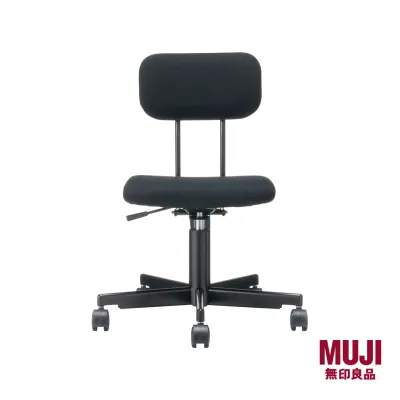
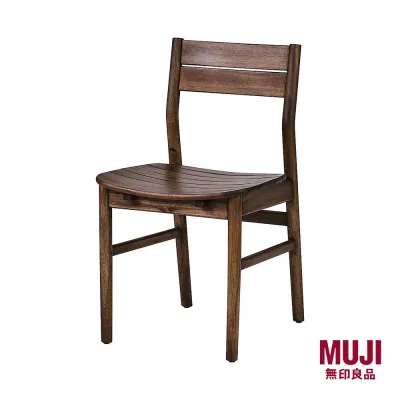
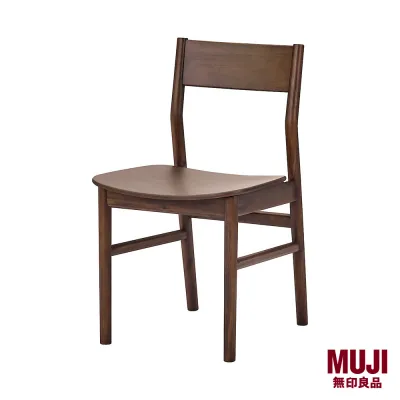
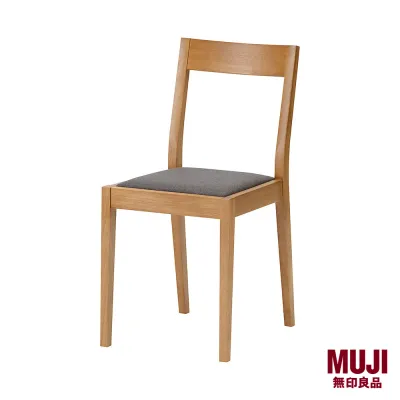
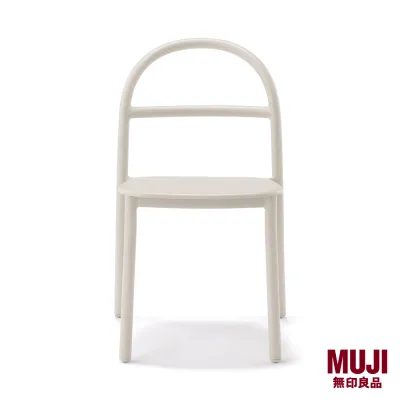
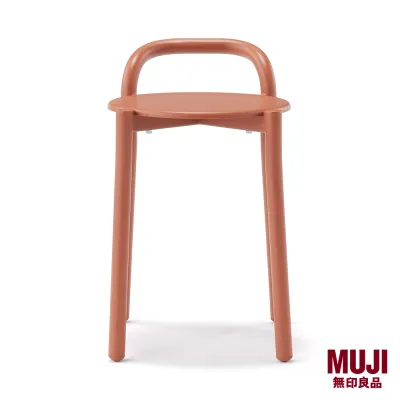
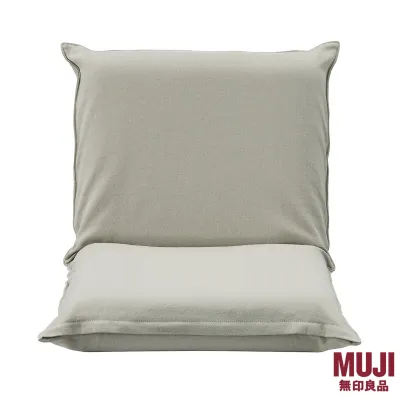
Prices are valid at publication and may change. Please refer to the product page for the latest price.
Conversely, if you work seated for eight or more hours a day, require robust lumbar support, or experience chronic back and neck discomfort, a MUJI chair is generally not the most suitable primary option. These chairs typically lack the advanced, multi-point adjustability mechanisms found in dedicated ergonomic seating. For long-duration, high-intensity desk work, prioritizing a specialized ergonomic chair with customizable support zones will yield better physical outcomes and prevent fatigue.
Core Comparison Dimensions for Home Office Seating
Evaluating home office chairs in Singapore requires a framework that accounts for both physical comfort and the practical realities of local living conditions. Because residential space is often at a premium in local apartments, and the tropical climate introduces specific environmental challenges, a chair cannot be judged solely on its appearance or its specifications on paper.

To determine which chair offers the best value and utility for your home, it is helpful to analyze options across two primary dimensions: ergonomic support for long hours of sitting, and design integration within compact, multi-use living spaces.
Ergonomics and Long-Hour Comfort
True ergonomic comfort is determined by how well a chair can be adjusted to match your unique body proportions and seating posture. Key adjustability features include dynamic lumbar support, seat depth adjustment, adjustable armrests, and recline tension control. These mechanisms ensure that your spine remains in a neutral alignment, reducing pressure on your lower back, thighs, and shoulders.
In Singapore’s warm and humid climate, material breathability is a critical factor in long-term comfort. Chairs upholstered in heavy, non-breathable materials can trap body heat and moisture, leading to discomfort during extended work sessions. High-tension mesh backrests offer superior airflow, whereas fabric and foam options must rely on high-quality, breathable weaves to keep the user cool. It is important to note that material names alone do not guarantee comfort; you must evaluate the specific adjustability features and construction of the chair to determine its suitability for long-duration use.
Design Aesthetics and Space Integration
In many Singaporean homes, the home office is not a dedicated room but a designated corner within a bedroom or living room. Consequently, the visual footprint of an office chair is a major consideration. Bulky, high-back ergonomic chairs with aggressive, industrial styling or gaming-inspired aesthetics can easily overwhelm a small room, disrupting the domestic feel of the space.
Minimalist chairs, characterized by low profiles, natural wood finishes, and muted fabric tones, integrate far more naturally into residential interiors. They preserve the visual flow of a room and can easily double as extra dining or vanity seating when not in use. Balancing this visual integration against the physical support required for your work habits is the central decision point when choosing between design-first and function-first seating.
MUJI Chairs: Strengths, Limitations, and the Ideal User
MUJI’s seating philosophy centers on simplicity, functional minimalism, and the use of tactile, high-quality materials. Their home office offerings, such as the compact working chairs and cushioned wooden task chairs, are designed to look like domestic furniture rather than corporate office gear. By utilizing neutral color palettes—such as greys, beiges, and deep navies—and omitting loud branding or complex external skeletons, MUJI chairs maintain a low visual profile that respects the design of your home.
However, this commitment to simplicity means that MUJI chairs have clear limitations when it comes to heavy-duty ergonomic features. Most models offer basic pneumatic height adjustments and a simple swivel mechanism, but they generally lack advanced features such as:
- Independent lumbar support: There are no adjustable lumbar pads or tension knobs to customize the pressure against your lower back.
- Seat depth adjustment: The seat pan is fixed, which may cause discomfort for exceptionally tall or short users who need to adjust the distance between the seat edge and the back of their knees.
- Multi-directional armrests: Armrests on MUJI models are typically fixed or omitted entirely to maintain a compact, tuck-under profile.
- Synchro-tilt mechanisms: The backrest and seat do not recline in a synchronized ratio, which limits dynamic movement during the day.
Because of these design choices, the ideal user for a MUJI chair is someone who operates in a hybrid work model, spending only a few hours at a time at their desk. They are highly suited for students, creative professionals who move around frequently, and those who prioritize a clean, cohesive interior design over medical-grade physical support. Before purchasing, always check the specific product labels for weight capacities, material composition, and care instructions to ensure the model aligns with your physical requirements.
How MUJI Compares to Other Popular Brands in Singapore
To understand where MUJI fits in the local market, it is helpful to compare its offerings against two major categories of competitors available in Singapore: dedicated ergonomic brands and mass-market furniture retailers. Rather than focusing on fleeting individual models, analyzing these categories reveals the broader design philosophies, feature sets, and value propositions you will encounter.
MUJI vs. Dedicated Ergonomic Brands
Dedicated ergonomic brands prioritize human biomechanics above all else. These manufacturers design chairs specifically to mitigate the physical strain of sitting for eight to twelve hours a day. They utilize advanced engineering, such as self-adjusting lumbar support zones, high-tension mesh that distributes body weight evenly, and armrests that adjust in three or four dimensions to support your forearms while typing.
| Feature / Dimension | MUJI Chairs | Dedicated Ergonomic Brands |
|---|---|---|
| Primary Design Focus | Minimalist aesthetics, home integration | Biomechanical support, adjustability |
| Lumbar Support | Basic, integrated backrest curve | Adjustable height, depth, or dynamic tension |
| Adjustability | Limited (height, simple swivel/tilt) | Extensive (seat depth, 3D/4D armrests, tilt lock) |
| Main Materials | Natural wood, polyester fabrics, molded plastics | High-tension mesh, polymer frames, aluminum |
| Visual Footprint | Low, compact, blends with home decor | High, industrial, prominent office aesthetic |
| Typical Price Band | Budget to Mid-range | Mid-range to Premium |
While dedicated ergonomic brands offer superior physical support, they often carry a higher price point, with premium models easily exceeding S$1,000. Additionally, their industrial, highly technical appearance can look out of place in a cozy home environment. Choosing between MUJI and an ergonomic brand represents a direct trade-off: you are deciding whether to prioritize the visual harmony of your living space or the specialized physical support required for long-duration desk work.
MUJI vs. Mass-Market Furniture Brands
Mass-market furniture brands offer a middle ground, providing a wide array of home office chairs that attempt to balance affordability, basic ergonomics, and domestic styling. Many of these retailers offer chairs with high mesh backs, integrated headrests, and basic lumbar support cushions at highly competitive price points.
However, MUJI distinguishes itself from typical mass-market alternatives through its superior material finishes, strict quality control, and cohesive design language. While a mass-market chair might offer more adjustment levers on paper, the plastics used can feel brittle, the foam cushion may compress permanently after a few months of use, and the aesthetic design can feel disjointed. MUJI focuses on tactile quality—using durable, tightly woven fabrics and finely finished wood or matte plastics—ensuring that even their simplest chairs feel premium and remain structurally sound over time. If you appreciate consistent design details and want a chair that coordinates perfectly with other minimalist storage units and desks, MUJI offers a more refined aesthetic identity than typical mass-market options.
Decision Framework: Which Chair Should You Choose?
To make a confident decision, evaluate your daily habits, physical needs, and spatial limitations against the following conditional guidelines.
- Choose a MUJI Chair if:
- Your daily desk work is limited to short or medium sessions (under 4–5 hours).
- Your workspace is situated in a prominent, multi-use area like the living room, and you want a chair that looks like home decor.
- You prefer natural textures, neutral colors, and a clean, minimalist aesthetic that coordinates with wooden or simple white desks.
- You do not suffer from chronic back, neck, or shoulder pain that requires specialized orthopedic support.
- Choose a Dedicated Ergonomic Brand if:
- You work from home full-time, sitting at your desk for 8 or more hours a day.
- You require precise adjustments to maintain a comfortable posture, such as altering the seat depth, armrest height, or lumbar tension.
- You experience discomfort or stiffness during long work sessions and need a high-tension mesh backrest to stay cool and supported.
- You view your office chair primarily as a tool for physical health and productivity, and are comfortable with a larger, more industrial visual footprint.
- Choose a Mass-Market Alternative if:
- You are working with a strict budget and need basic adjustable features without a premium price tag.
- You are furnishing a temporary workspace or a rental property where long-term durability is not a primary concern.
- You want a high-back chair with a built-in headrest but do not want to invest in a high-end ergonomic model.
- Verify first if:
- You have specific physical requirements or pre-existing joint issues. In such cases, consulting a physical therapist or visiting a showroom to test various adjustment mechanisms is highly recommended before committing to any brand.
What to Verify Before Buying an Office Chair in Singapore
Before finalizing your purchase and arranging delivery, take the time to verify several practical factors to ensure your new chair fits your home and lifestyle seamlessly.
First, measure your desk height. Standard desks in Singapore typically stand between 72cm and 75cm high. Ensure that the chair’s seat height adjustment range allows your elbows to rest at a 90-degree angle relative to the desk surface while keeping your feet flat on the floor. Additionally, check if the chair’s armrests (if present) can slide under your desk when the chair is not in use; this is crucial for saving space in tight HDB study corners.
Second, verify access constraints. If the chair is delivered fully assembled, confirm the dimensions of your apartment’s main doorway, room doors, and the building’s lift. Some heavy-duty ergonomic chairs have wide five-star wheel bases (often measuring 65cm to 70cm in diameter) that can be difficult to maneuver through narrow corridors or tight doorways.
Third, identify your flooring material. If your home has vinyl, laminate, or solid parquet flooring, standard hard nylon casters can cause micro-scratches or scuff marks over time. Check if the manufacturer offers soft polyurethane (PU) casters designed for hard floors, or consider purchasing a protective floor mat to preserve your flooring’s finish.
Finally, review the manufacturer’s warranty terms and return policies. Because an office chair is a mechanical item subject to daily wear, understanding what is covered—such as the gas lift cylinder, the tilt mechanism, and the frame—provides peace of mind. Always consult the manufacturer’s official care instructions and assembly guides before attempting to set up or clean your new furniture.
Frequently Asked Questions (FAQ)
Are MUJI chairs suitable for long hours of gaming or coding?
While MUJI chairs are comfortable for short-to-medium tasks, they are generally not recommended for continuous, eight-plus-hour sessions of gaming or coding. These intensive activities require sustained focus, during which users often lean forward or slouch. Dedicated ergonomic or gaming chairs provide the specialized lumbar support, adjustable headrests, and multi-directional armrests needed to prevent strain during extended screen time. If you choose to use a design-focused chair like a MUJI model for long tasks, it is highly recommended to take active breaks every hour to stretch and stand.
How do I maintain wooden or fabric MUJI chairs in a humid climate?
To maintain wooden or fabric chairs in Singapore’s humid climate, keep them away from direct sunlight and direct air-conditioning vents, as extreme temperature fluctuations can cause wood to warp or fabric fibers to degrade. Vacuum fabric upholstery regularly using a soft brush attachment to prevent dust mite buildup and remove surface oils. For wooden components, wipe them down periodically with a dry or slightly damp microfiber cloth. Always refer to the manufacturer’s care label on the underside of the chair for specific cleaning instructions, and avoid using harsh chemical solvents that could strip the protective finish.

Community discussion
Share your experience or ask a question. Comments are reviewed before publication.