
Selecting the right wardrobe storage system is a pivotal decision that shapes your daily routine, room layout, and home organization efficiency. The ideal choice depends on whether you prioritize long-term adaptability, immediate mobility, or seamless architectural integration. Modular wardrobe systems offer adjustable, track-based components that can evolve alongside your storage needs. Freestanding racks provide an independent, highly mobile solution that requires zero wall drilling, making them excellent for temporary living arrangements. Built-in wardrobes maximize every square centimeter of your room with permanent, custom-fitted joinery. By evaluating your housing tenure, local wall structures, and spatial constraints, you can select a system that aligns with your lifestyle and budget.
Understanding the Three Wardrobe Rack Systems
To make an informed decision, you must first understand the structural and functional foundations of each wardrobe configuration. Each system addresses space management differently, offering distinct trade-offs in installation complexity, cost, and flexibility.
Modular wardrobe systems are designed around a framework of vertical standards, wall-mounted tracks, or freestanding frames that support interchangeable components. These systems allow you to reposition shelves, hanging rods, drawers, and baskets at any time. The primary appeal lies in this adjustability, enabling you to reconfigure the layout as your clothing collection or household dynamics change over the years.
Products mentioned in this guide
Prices are valid at publication and may change. Please refer to the product page for the latest price.
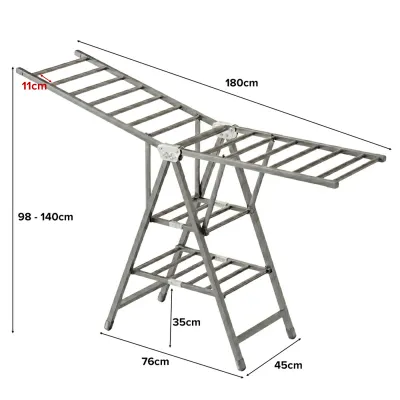
Freestanding wardrobe racks are self-supporting units that rest directly on the floor without requiring permanent attachment to your walls. They range from simple metal garment rails to elaborate multi-bay shelving units with integrated covers. Because they do not rely on wall support, they offer unmatched mobility and can be positioned anywhere in a room, moved between bedrooms, or packed up entirely during a residential relocation.
Built-in wardrobe systems are custom-engineered, permanent installations designed to fit the exact dimensions of a specific wall or alcove. These units are anchored securely to the floor, walls, and ceiling, often featuring integrated sliding or hinged doors that blend seamlessly with the room’s architecture. While they represent a significant, non-portable investment, they offer the most streamlined aesthetic and utilize vertical space more efficiently than any other option.
Modular Wardrobe Racks: Flexibility and Expansion
Modular wardrobe systems bridge the gap between temporary racks and permanent built-ins, offering a highly customizable storage solution. These systems typically utilize a horizontal top rail anchored to the wall, from which vertical hanging standards depend. Shelves, drawers, and hanging rods then clip into these standards, allowing you to design a layout tailored to your specific wardrobe mix.

When planning a modular installation, precise vertical and horizontal space planning is essential. You must ensure that the top track is mounted perfectly level, as any slight tilt will be magnified down the vertical standards, causing shelves to sit unevenly and drawers to bind. Because these systems allow you to add or remove components, you can easily expand your storage horizontally by adding more vertical standards, or vertically by adjusting shelf heights to accommodate taller items like boots or long coats.
Before loading a modular system, always verify the manufacturer’s specified weight capacity limits for each individual component. Hanging rods, wire shelves, and drawer units have distinct load thresholds that must not be exceeded to prevent structural sagging or wall anchor failure. Distribute heavier items, such as winter coats or storage boxes, evenly across the system, and ensure that the wall anchors used are rated for the total anticipated weight of both the frame and your belongings.
The long-term value of a modular system lies in its reconfiguration potential. If your storage needs change—for instance, if you transition from formal office wear to casual attire—you can swap out hanging rods for additional shelving or wire baskets without replacing the entire structural frame. This adaptability makes modular systems a highly sustainable choice for growing families or individuals with evolving lifestyles.
Freestanding Wardrobe Racks: Mobility and Renters
For those living in rental properties or seeking a highly flexible room layout, freestanding wardrobe racks offer a practical, non-permanent storage solution. These independent structures require no drilling, preserving your walls and ensuring you can take your storage setup with you when you move.
When selecting a freestanding rack, verifying the floor space footprint and base stability is critical. Because these units are not anchored to the wall, they rely entirely on their base design to maintain balance. Look for models with wide, stable bases or weighted lower shelves to prevent tipping, especially if you plan to hang heavy garments on the upper rails. If you choose a model with caster wheels for easy repositioning, ensure the wheels feature reliable locking mechanisms to keep the rack secure when stationary.
Mobility is a key advantage, but it requires careful spatial planning. Before purchasing a large freestanding wardrobe, check the clearances of your doorways, hallways, and elevators. If you plan to move the unit fully assembled between rooms or during a relocation, it must fit through these tight spaces. For larger units, verify how easily the frame can be disassembled and reassembled without compromising the integrity of the joints.
The durability of a freestanding rack depends heavily on its joint stability and connection hardware. Frequent disassembly and reassembly can wear down screw threads and weaken structural joints, leading to a wobbly frame. Opt for racks with robust metal-to-metal connections rather than plastic joints, and periodically check and tighten all fasteners to maintain the unit’s structural integrity over time. Local options, such as those found on rack.sg, provide various configurations designed to balance stability with ease of assembly.
Built-In Wardrobe Systems: Space Maximization and Permanence
Built-in wardrobes represent the pinnacle of spatial efficiency and tailored design, making them a popular choice for homeowners looking to optimize their living space permanently. By enclosing a specific area from floor to ceiling, these systems eliminate awkward gaps where dust can accumulate, creating a clean, integrated look.
The success of a built-in installation relies on meticulous measurement. You must measure the exact dimensions of your room at multiple points, accounting for ceiling height variations, skirting boards, light switches, and uneven floors. In many homes, walls are not perfectly plumb, and floors may have subtle slopes. Professional installers typically use filler panels and scribing techniques to adapt the wardrobe frame to these structural irregularities, ensuring a flush, gap-free fit.
Structural wall conditions are another critical consideration. Built-in wardrobes are heavy, and when fully loaded with clothing, shoes, and accessories, they exert significant force on the surrounding structure. Installers must locate structural studs or anchor directly into masonry walls to ensure the heavy cabinets remain securely upright. If your room features drywall partition walls, additional internal framing or specialized heavy-duty anchors may be required to support the weight safely.
Because built-in wardrobes are permanently anchored to the building’s structure, they cannot be easily removed or relocated. This permanence means you must be entirely satisfied with your room’s layout, as the wardrobe will dictate the placement of your bed and other furniture for years to come. While a well-designed built-in wardrobe can enhance your home’s appeal and potentially increase property resale value, it represents a long-term commitment that limits future layout flexibility.
How to Choose the Right Configuration for Your Home
Selecting the right wardrobe system requires balancing your current housing status, budget, wall construction, and long-term lifestyle plans. By evaluating these factors systematically, you can identify the configuration that offers the best utility for your space.
A modular wardrobe system is highly recommended if you own your home, have standard concrete or stud walls, and anticipate that your storage needs will change over time. This option provides a custom-like appearance and excellent space utilization while retaining the flexibility to adjust shelves and rods as your wardrobe evolves. It represents a mid-range investment that balances adaptability with structural permanence.
A freestanding wardrobe rack is the ideal choice if you are renting your home, operate on a limited budget, or enjoy frequently rearranging your bedroom layout. Because these units require no wall drilling, they comply fully with strict tenancy agreements and can be packed up easily during a move. They are also highly suitable for guest rooms or temporary storage setups where a permanent installation is not justified.
A built-in wardrobe system is best suited for homeowners who plan to stay in their property long-term, have irregular room dimensions (such as sloped ceilings or awkward alcoves), and desire a premium, seamless aesthetic. Although it requires a higher upfront financial investment and professional installation, it maximizes storage capacity and adds lasting value to the property.
Before making a final decision, always verify your lease agreement and inspect your wall types. If you rent, drilling holes for a modular or built-in system may result in security deposit deductions unless you obtain written landlord permission. Additionally, use a stud finder or consult a professional to determine if your walls are concrete, brick, or drywall, as this directly impacts the type of anchors required and the maximum weight your chosen wardrobe system can safely support.
Frequently Asked Questions (FAQ)
Can I convert a freestanding rack into a built-in system?
Converting a freestanding rack into a permanent built-in system is generally not recommended. Freestanding frames are engineered to distribute weight across their own self-supporting bases and lack the structural rigidity, flat backing, and anchoring points required for secure wall integration. Attempting to anchor a freestanding unit permanently can compromise its structural integrity, leading to joint failure or tipping hazards. If you desire a built-in look but currently own a freestanding rack, it is safer to replace the unit with a dedicated modular or custom built-in system designed specifically for wall anchoring.
How do I check if my walls can support a modular or built-in rack?
To determine if your walls can support a heavy wardrobe system, you must identify the wall material. Tap on the wall: a hollow sound typically indicates drywall over timber or metal studs, while a solid, dull thud indicates concrete, brick, or masonry. For drywall, use a stud finder to locate the vertical studs, as heavy modular tracks must be anchored directly into these studs rather than the drywall alone. For concrete or masonry walls, which are common in Singapore homes, you will need a rotary hammer drill and appropriate masonry wall plugs to ensure a secure hold. If you are uncertain about your wall’s load-bearing capacity, consult a qualified professional installer to assess the structure before mounting heavy components.
Community discussion
Share your experience or ask a question. Comments are reviewed before publication.