
Finding the right shelving unit for a compact HDB bedroom or study requires balancing storage capacity with physical and visual space. The ideal setup typically features a shallow depth of 30 to 40 centimetres, a tall vertical profile that stops safely below any ceiling fixtures, and a modular configuration that mixes open shelving with closed cabinets. By selecting a system that can be customized to your specific room layout, you can maximize every square metre without making the space feel cramped or dark.
Measuring Your Room and Delivery Clearances
Before browsing online marketplaces or visiting showrooms, grab a measuring tape to map out the exact footprint of your room. Measure the floor-to-ceiling height at multiple points, as concrete floors and ceilings can sometimes have minor leveling variances.
Do not just measure wall-to-wall; account for skirting boards, which typically protrude 1 to 2 centimetres from the wall. If your modular shelving unit does not have a base cutout to accommodate skirting boards, it will sit away from the wall, creating an unstable gap and reducing usable floor space.
Products mentioned in this guide
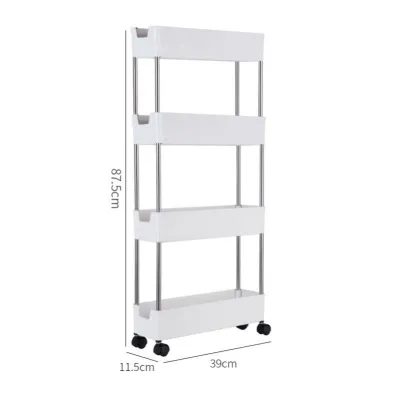
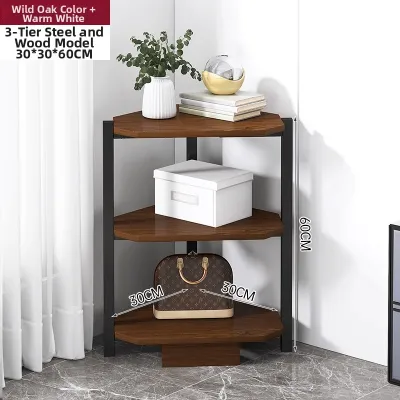
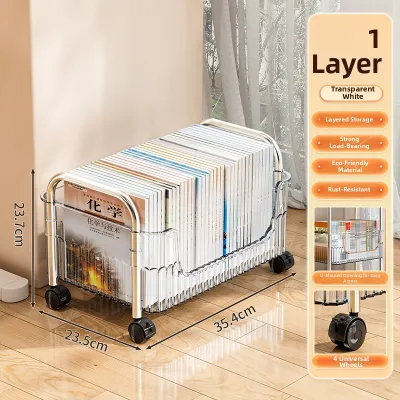
165 Lazada user ratings
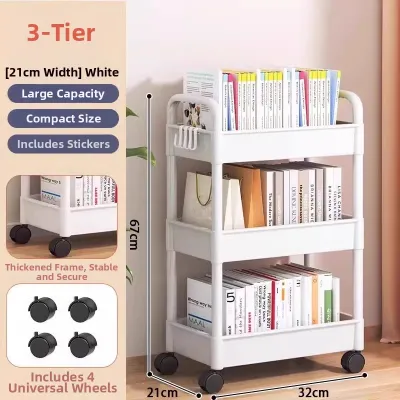
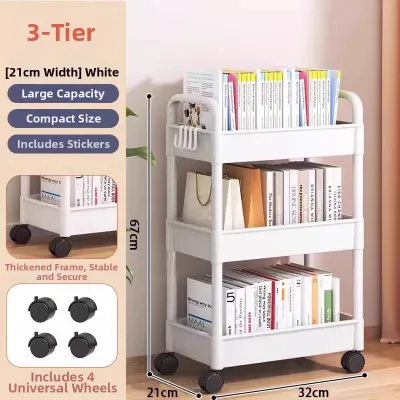
This mobile bookshelf fits perfectly next to my daughter's desk, making it easy to grab books. When not in use, it can be pushed aside witho…Read full reviewShow less
This mobile bookshelf fits perfectly next to my daughter's desk, making it easy to grab books. When not in use, it can be pushed aside without taking up much space, and the quality is pretty good.
This mobile bookshelf fits nicely next to my daughter's desk, making it easy to grab books. When not in use, it can be pushed aside and does…Read full reviewShow less
This mobile bookshelf fits nicely next to my daughter's desk, making it easy to grab books. When not in use, it can be pushed aside and doesn't take up much space. The quality is pretty good.
Lighter than I expected, and it might be because of the wheels being a bit wobbly, but it's great for holding snacks and random stuff withou…Read full reviewShow less
Lighter than I expected, and it might be because of the wheels being a bit wobbly, but it's great for holding snacks and random stuff without any issues.
It holds things steady without wobbling or tipping over. It's really great and worth recommending. It was super easy to put together.
It's great! Looks good and has solid quality. My child loves it, it's easy to move around, and can be secured well.
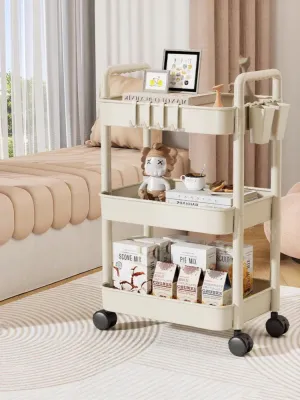
90 Lazada user ratings
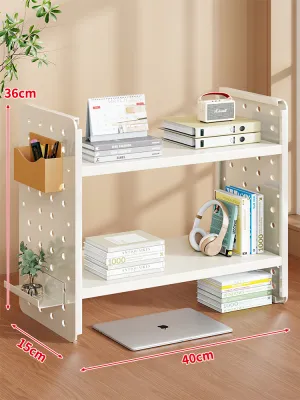
It's great for keeping my face masks and lashes organized on the table, making everything look tidier.
The quality wasn't great; I had a wheel break before I even finished putting it together.
The quality is great, and I'll definitely come back again.
สามารถติดตั้งได้ง่าย
5 Lazada user ratings
happy with the product. Design:nice
Prices are valid at publication and may change. Please refer to the product page for the latest price.
Look out for built-in ledges, structural columns, and wall-mounted trunking. Air-conditioner copper pipes and electrical casing often run along HDB walls, which can prevent a tall, wide shelving unit from sitting flush against the wall surface.
Delivery access is just as critical as the final room placement. Measure the height and width of your flat’s main door, the corridor outside, and the internal dimensions of the passenger lift. Flat-pack boxes for tall modular systems can be surprisingly long, and some pre-assembled frames might not clear tight corridor corners or lift doors.
Finally, map out the locations of power sockets, light switches, and window swing paths. Blocking a power outlet with a heavy shelving unit limits your room’s functionality, while a unit placed too close to a window can obstruct the swing of the window pane or block access to the window handles.
Selecting the Optimal Dimensions for Compact Spaces
In a small HDB room, every centimetre of floor space is premium real estate. Standard shelving depths generally range from 30 to 50 centimetres. For tight walkways and narrow bedrooms, a depth of 30 to 35 centimetres is highly recommended, as it provides ample space for books, files, and storage boxes while leaving enough room to walk past comfortably.

If you require deeper storage for larger items or storage bins, a 40 to 45-centimetre depth may be necessary. However, you must ensure that there is at least 60 to 70 centimetres of clear clearance between the edge of the shelf and adjacent furniture, such as a bed or desk, to allow for easy movement and drawer operation.
Utilizing vertical space is the most effective way to increase storage without expanding the footprint. Tall units measuring 1.8 to 2 metres high are excellent for high-density storage, but you must check the clearance of ceiling fans, light fixtures, and sprinkler heads. In Singapore, standard HDB ceiling heights are typically around 2.6 metres, so a 2-metre unit leaves comfortable clearance at the top.
Width is the final dimension to balance. A single wide unit can dominate a wall and block natural light from windows, making the room feel smaller and darker. Instead of one massive horizontal unit, consider a narrower modular frame that can be expanded incrementally if space permits, ensuring that natural light and cross-ventilation are preserved.
Configuring Modular Layouts for Storage and Flow
Modular shelving units offer the flexibility to build a system that matches your room’s proportions. For narrow rooms, a vertical tower configuration is ideal because it concentrates storage upward. For wider walls, a stepped or low-profile horizontal configuration can keep the sightlines open, making the room feel more spacious.
A successful modular layout balances open and closed storage. Too many open shelves filled with items can create visual clutter, which instantly makes a small room feel chaotic. Incorporating closed cabinet modules, drawers, or opaque storage baskets at the bottom hides everyday clutter and maintains a clean aesthetic.
When arranging your modular components, always place the heaviest modules, such as deep drawers or filing cabinets, at the very base of the unit. This lowers the center of gravity, which significantly improves the physical stability of the shelving unit and makes it safer in daily use.
Do not feel pressured to pack every single shelf with items. Leaving intentional empty spaces, or “breathing room,” on open shelves creates visual relief. You can use these zones to display a few curated decorative items or plants, preventing the modular unit from looking like a heavy, monolithic block of storage.
Installation, Anchoring, and Safety Requirements
Safety is paramount when installing tall furniture in any home. In Singapore HDB flats, walls are typically made of solid precast concrete, structural concrete, or drywall partitions. Identifying your wall type is essential because it dictates the type of wall plugs, screws, and drilling equipment required to anchor the unit securely.
Never rely solely on gravity to keep a tall shelving unit upright, especially if it is over 1.2 metres tall. Use the manufacturer-supplied anti-tip kits and wall anchors. For concrete walls, you will need a hammer drill and masonry wall plugs; for drywall partitions, specialized toggle bolts or hollow-wall anchors are necessary to prevent the screws from pulling out.
When loading your shelves, distribute the weight evenly across the entire frame. Avoid placing heavy books or equipment on the upper shelves, and always adhere to the manufacturer’s specified load limits per shelf. Overloading can cause shelves to sag or compromise the structural integrity of the modular frame.
If your modular shelving unit houses electronic devices like Wi-Fi routers, gaming consoles, or small appliances, ensure there is adequate clearance for heat dissipation. Enclosing these devices in tight, unventilated compartments can cause overheating and reduce their lifespan.
If you are unsure about your wall’s load-bearing capacity, do not have the correct tools, or feel uncomfortable drilling into concrete, stop the DIY installation immediately. It is always safer to hire a qualified local handyman or professional installation service to ensure the unit is anchored securely and level.
Common Sizing and Placement Mistakes to Avoid
One of the most common mistakes is failing to subtract the thickness of skirting boards from your wall measurements. This oversight leads to a gap behind the unit, which not only collects dust but also prevents the top of the unit from sitting flush against the wall, making secure anchoring much more difficult.
Another frequent error is overlooking the packaging dimensions of flat-pack furniture. Even if the assembled shelving unit fits perfectly in your room, the shipping boxes might be too long to fit into your HDB lift or navigate the tight corners of your entryway, resulting in delivery complications.
Overloading the upper shelves of an unanchored unit is a severe safety hazard. In high-traffic areas of a small room, bumping into an unstable, top-heavy shelving unit can cause it to tip over, risking serious injury and property damage.
Lastly, avoid placing tall modular units directly beneath or adjacent to your air-conditioning unit. Doing so can restrict the airflow throughout the room, reduce cooling efficiency, and block the necessary access space required for regular air-con servicing and filter cleaning.
Community discussion
Share your experience or ask a question. Comments are reviewed before publication.