
Finding the right shelving organizer for a compact Singapore apartment requires balancing tight floor plans with strict structural guidelines. In HDB flats and condominiums where square footage is at a premium, the most effective modular shelving organizer is one that maximizes vertical space without obstructing daily foot traffic or violating building codes. Rather than relying on a one-size-fits-all storage unit, homeowners benefit most from highly adaptable, customizable systems that can be reconfigured as storage needs evolve. The ideal setup fits the exact physical dimensions of your designated zone, respects the load-bearing limits of your specific wall types, and maintains a light visual profile to keep small rooms feeling open and airy.
Assessing Spatial Constraints in HDB and Condo Units
Before purchasing any shelving organizer, precise physical measurements of your intended space are essential. Begin by measuring the available floor footprint, taking care to account for the swing radius of nearby doors, wardrobe panels, and entryways. Walkway clearance is a critical safety and comfort factor in compact layouts; standard corridors and pathways should ideally maintain a clear width of at least 90 centimeters to allow comfortable passage. Vertical measurements are equally vital, especially if you plan to install floor-to-ceiling modular units or tension-rod systems. Measure the height from the floor to the ceiling at multiple points, as minor structural variations can affect the stability of tall units.
Beyond basic height and width, local structural elements require careful inspection. In Singapore, many HDB flats feature a reinforced concrete Household Shelter (bomb shelter). These walls are structurally vital and subject to strict drilling restrictions, meaning any shelving inside or directly on the exterior of these shelters must typically be freestanding or rely on non-invasive tension mechanisms. Additionally, check the location of skirting boards along the base of your walls, as these can prevent a shelving unit from sitting completely flush against the wall surface, creating a small gap that affects stability. Take note of wall-mounted power outlets, light switches, and air-conditioner ledges or trunking. Blocking these utilities not only limits access but can also create safety hazards or complicate future maintenance work.
Products mentioned in this guide
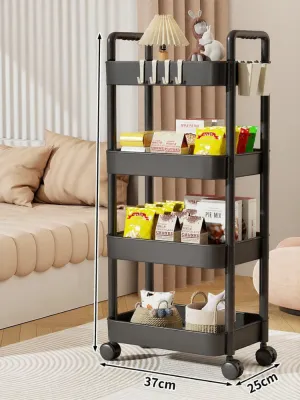
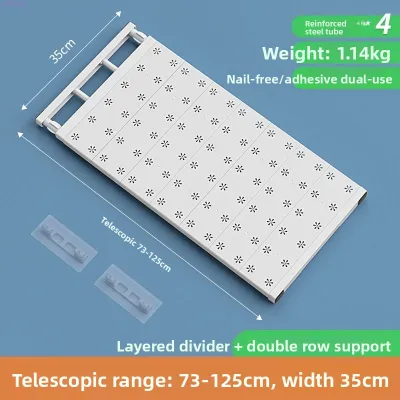
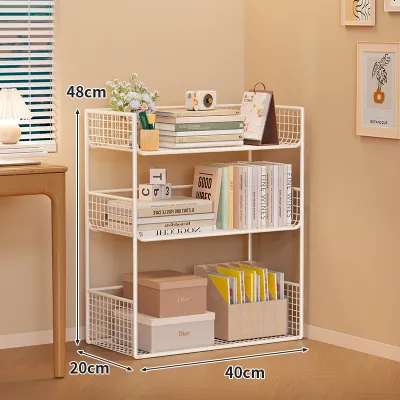
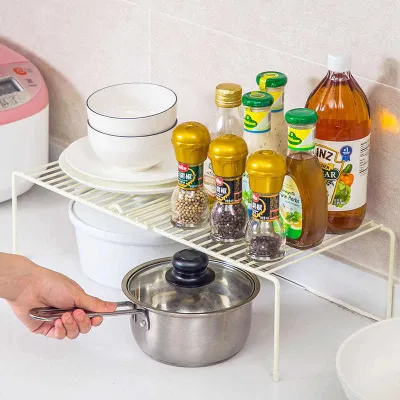
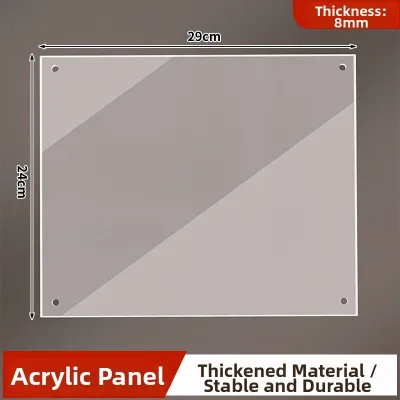
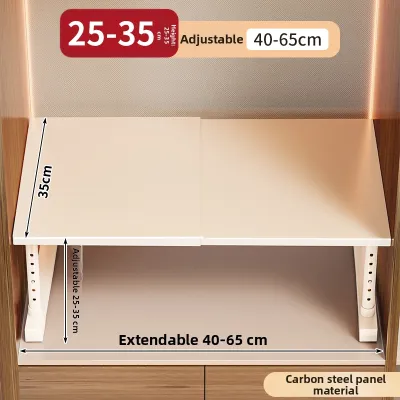
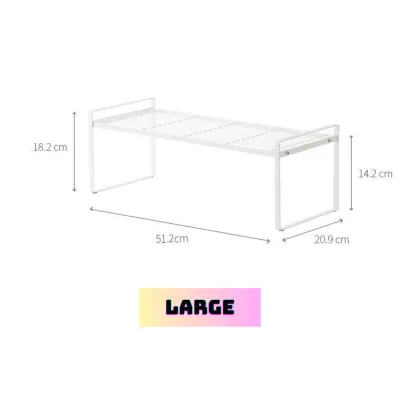
Prices are valid at publication and may change. Please refer to the product page for the latest price.
Selecting Modular Features for Compact Layouts
The primary advantage of a modular shelving organizer is its ability to adapt to changing storage requirements. When evaluating different systems, prioritize units that offer highly adjustable shelf heights. Shelves that can be shifted in small increments allow you to customize the vertical clearance for specific items, preventing wasted vertical space above shorter objects. Removable tiers are another valuable feature, giving you the flexibility to convert a tall bookcase-style unit into two shorter, low-profile consoles if you decide to rearrange your living room or move to a different apartment.

Depth is a critical specification when selecting furniture for narrow spaces. Standard shelving units often range from 30 to 45 centimeters in depth. For tight entryways, narrow hallways, or compact study rooms, look for slim-profile organizers with a depth of 30 centimeters or less. This ensures the unit does not encroach too far into the room’s primary pathways. Conversely, deeper shelves of 40 centimeters or more are better suited for utility rooms or kitchens where larger appliances or storage boxes need to be accommodated, provided there is sufficient clearance to stand and bend in front of the unit.
The visual weight of the shelving organizer also plays a significant role in how spacious a room feels. Solid wood or heavy, dark-colored closed cabinets can make a small room feel cramped and dark. To maintain an open, airy atmosphere, consider open-frame modular systems made of slim metal or light-colored wood. These designs allow light to pass through, reducing the perceived bulk of the furniture. If you require concealed storage to hide clutter, look for modular systems that allow you to integrate lightweight fabric bins, woven baskets, or removable drawer inserts into specific compartments, combining the benefits of open display and hidden storage.
Configuring Shelving Zones for Everyday Use
To get the most utility out of a modular shelving organizer, customize its configuration based on the specific room it occupies. In the living area, a balanced approach works best. Use the middle and eye-level shelves for open displays, such as books, decorative items, or small indoor plants, which add personality to the space. For the lower shelves, introduce matching storage bins or baskets to conceal loose items like remote controls, chargers, and children’s toys. This keeps the living room looking tidy while ensuring frequently used items remain easily accessible.
In the bedroom, vertical space is often underutilized. A modular shelving organizer can be positioned in narrow gaps beside built-in wardrobes or even configured to frame the space around or above the bed headboard, provided it is securely anchored. This setup can replace traditional, bulky bedside tables, offering multiple tiers of storage for reading materials, glasses, and personal electronics without consuming valuable floor space. Ensure that any shelves positioned directly above sleeping or sitting areas are reserved for lightweight items to minimize safety risks.
Kitchens and utility yards present unique environmental challenges that dictate material choices and layout configurations. These areas are prone to high humidity, heat exposure from cooking appliances, and potential water splashes. When placing a shelving organizer in these zones, verify that the material finish is moisture-resistant and easy to clean. Powder-coated steel, rust-resistant metals, or treated plastics are generally more durable in these conditions than untreated wood or MDF. Position heavier kitchen appliances, such as microwave ovens or rice cookers, on the lower, more stable tiers of the shelving unit to maintain a low center of gravity. Ensure there is adequate ventilation space around appliances to prevent heat buildup, and keep shelves clear of overhead water pipes or air-conditioning drainage lines to avoid water damage from condensation or leaks.
Installation, Safety, and Structural Checks
Proper installation is critical to ensuring the safety and longevity of your modular shelving organizer. Before mounting any shelves to a wall, you must identify the wall material. In Singapore apartments, walls typically fall into three categories: reinforced concrete (common in structural walls and household shelters), lightweight concrete blocks or brick, and drywall (often used for internal partitions in newer condos and renovated HDB flats). Each wall type requires specific drill bits, wall plugs, and screws. For instance, mounting heavy shelves on drywall requires specialized hollow-wall anchors to prevent the screws from pulling out under load, whereas concrete walls require masonry drill bits and heavy-duty plastic or metal wall plugs.
Always consult the manufacturer’s guidelines to verify the maximum load capacity per shelf and for the entire unit. Never exceed these limits, and distribute the weight of your items strategically. Place the heaviest items, such as books, storage boxes, and appliances, on the bottom shelves. This lowers the overall center of gravity of the unit, significantly improving its stability. Lighter decorative items, photo frames, and small accessories should be placed on the upper tiers.
For any shelving unit that is tall, narrow, or top-heavy, implementing anti-tip measures is a non-negotiable safety step. Most reputable modular shelving systems come with wall-anchoring brackets or straps. Secure these brackets firmly to the wall studs or solid masonry. If you are renting your apartment and drilling is restricted by your tenancy agreement, avoid tall, freestanding units that require wall anchoring. Instead, opt for low-profile modular configurations, wider base units, or specialized tension-rod shelving systems that wedge securely between the floor and ceiling without the need for screws or adhesive.
Frequently Asked Questions (FAQ)
Can I drill into my HDB Household Shelter walls to mount shelves?
No, drilling into the internal or external walls of an HDB Household Shelter is strictly prohibited under local housing regulations. The shelter is a reinforced concrete structure designed to provide protection during emergencies, and drilling can compromise its structural integrity. If you want to organize the space inside your household shelter, you must use freestanding shelving units, boltless racks, or tension-based storage systems that do not require any drilling or permanent wall mounting.
How do I prevent a tall modular shelf from tipping over?
To prevent a tall modular shelf from tipping, always secure it to the wall using the manufacturer-provided anti-tip kit or heavy-duty L-brackets. Ensure the anchors used are appropriate for your specific wall type, whether concrete or drywall. Additionally, practice smart weight distribution by placing your heaviest items on the lowest shelves to keep the center of gravity as low as possible. Regularly check the stability of the unit and tighten any loose joints or wall connections over time.
Community discussion
Share your experience or ask a question. Comments are reviewed before publication.