
To maximize storage in a compact HDB flat, the most effective strategy is to transition from horizontal to vertical storage using highly customizable modular shelves. By tailoring the height, depth, and compartment styles of your shelving units, you can reclaim valuable floor space while keeping your home organized and visually clean. Success lies in precise spatial planning, balancing open and closed storage, and securing the units safely according to your flat’s specific wall types.
Measure Your Space and Shelf Clearances
Before purchasing any modular components, grab a measuring tape and map out your exact floor footprint. In compact HDB layouts, every millimeter counts. Measure the width and depth of the designated area, ensuring that the shelf will not block walkways, room doors, or wardrobe doors when they are fully opened. Don’t forget to measure the vertical distance from the floor to the ceiling, as this determines how high you can safely stack your modules.
Logistics are just as critical as the final placement. Check the dimensions of the largest modular shelf base units or flat-pack boxes against the physical constraints of your building. Ensure they can easily fit through the HDB lift doors, navigate narrow common corridors, and clear your main entrance door frame. Measuring these transit pathways beforehand prevents the frustration of receiving delivery items that cannot physically enter your home.
Products mentioned in this guide
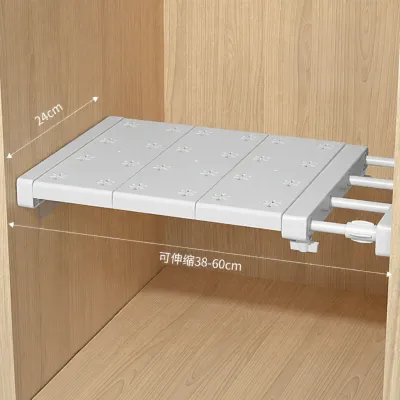
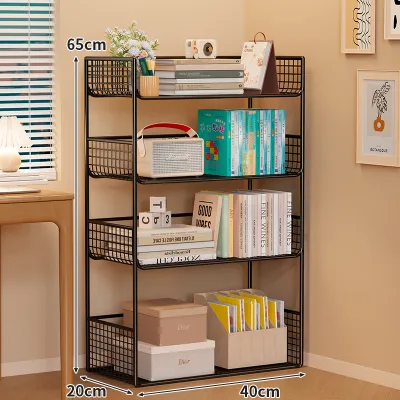
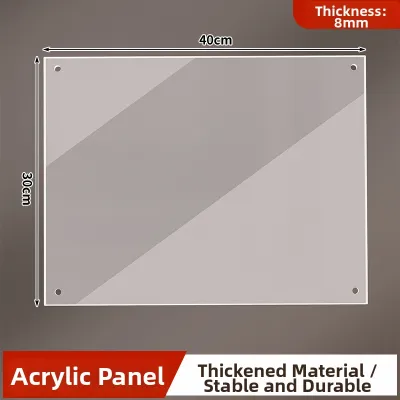
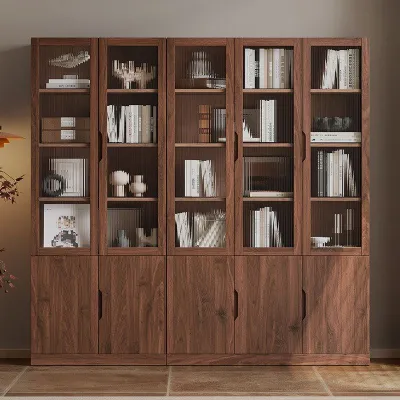
![[SG Stock] Bookcase Shelves Household Living Room Shelves Random Combination Of Storage /Complimentary Backplane](https://img.lazcdn.com/g/p/9a0b8f65d82b163824e1be96eb5a788b.jpg_webp_400x400q80.jpg_.webp)
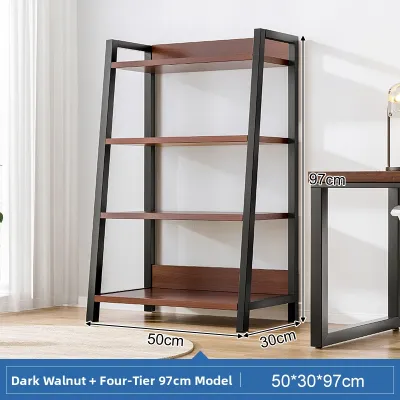
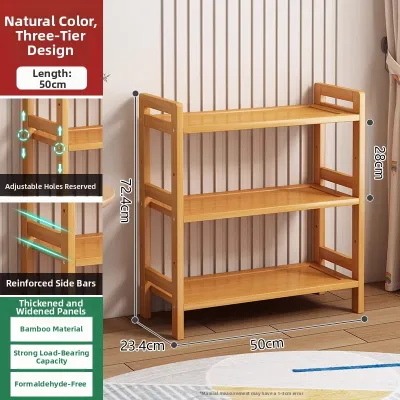
Prices are valid at publication and may change. Please refer to the product page for the latest price.
Look closely at the base of your walls for hidden obstacles. Skirting boards can prevent a shelf from sitting completely flush against the wall, leaving an awkward gap that reduces stability. You must also account for the location of wall-mounted power outlets, light switches, and air conditioning trunking. Blocking these features not only limits access to electricity but can also force the shelving unit forward, disrupting your entire layout plan.
Plan Vertical Layouts to Free Up Floor Space
Maximizing vertical space is the golden rule of small-space living. Evaluate your ceiling height to determine how many stackable modules or vertical extensions you can safely add. When planning high shelving, always check the positions of your ceiling fans, track lights, and air conditioning units. Leaving sufficient clearance around these fixtures ensures that your storage does not block airflow or cast deep shadows across the room.

To maintain a safe and stable home environment, plan your storage distribution with gravity in mind. Reserve the highest shelves for lightweight, infrequently used items such as seasonal bedding, travel bags, or holiday decorations. Keeping heavy items near the bottom of the unit lowers the overall center of gravity, which significantly reduces the risk of the shelf tipping forward.
Consider utilizing unconventional zones, such as the space directly above door frames or over the headboard of your bed. These areas are often completely wasted but can host shallow modular shelves perfectly. When installing shelves above a bed or desk, ensure there is ample headroom clearance so you can sit up comfortably without any risk of bumping your head. Always verify that these high-altitude shelves are anchored securely to prevent items from falling.
Arrange Modules for Your Specific Storage Items
The beauty of modular shelving lies in its adaptability. Instead of settling for fixed shelf heights, adjust individual tiers to match the exact dimensions of your largest household items. In Singaporean households, this often includes bulky appliances like standing fans, vacuum cleaners, large luggage bags, or plastic storage boxes. Customizing the shelf heights around these items eliminates wasted vertical gaps and keeps bulky gear neatly tucked away.
A balanced mix of open and closed storage is essential for maintaining a tidy aesthetic in a small flat. Use open shelving to display curated items, books, or frequently used daily essentials that you need to grab quickly. For visual clutter—such as loose cables, paperwork, or pantry items—incorporate closed modular inserts like drawers, cabinet doors, or opaque fabric boxes. This hybrid approach keeps your home looking organized and spacious.
To maximize the efficiency of individual shelves, introduce smaller organizing accessories. Modular dividers, pull-out bins, and side-mounted hooks are excellent for managing loose items like stationery, keys, or electronic accessories. By assigning a specific container or hook to smaller objects, you prevent them from scattering across open shelves and creating visual chaos.
Secure Your Shelves and Verify Weight Limits
Safety must be your top priority when installing tall or heavy modular shelving units. Before mounting anything, identify the composition of your walls. HDB flats typically feature a mix of solid concrete structural walls and lightweight drywall or hollow-block partition walls. Concrete walls require heavy-duty masonry wall plugs and robust screws, while drywall partitions demand specialized hollow-wall anchors to distribute weight safely.
Always consult the manufacturer’s specifications to verify the maximum load capacity per shelf and for the entire unit. Never exceed these limits, and make a conscious effort to distribute weight evenly across each shelf rather than concentrating heavy items in one spot. If you plan to store heavy books or kitchen appliances, ensure the shelf material and support brackets are rated for that specific load.
Drilling into walls carries inherent risks. If you are uncertain about the location of concealed electrical wiring, water pipes, or air conditioning conduits behind the wall, stop immediately. Use a reliable stud finder with live-wire detection, or consult a qualified professional handyman to perform the installation safely. While hiring a professional handyman in Singapore might cost a modest fee of S$50 to S$120, it is a worthwhile investment to guarantee structural safety.
Frequently Asked Questions (FAQ)
Do I need a permit to install heavy modular shelves in an HDB flat?
Generally, you do not need a formal HDB renovation permit to install standard wall-mounted shelves or free-standing modular units. However, there is a strict distinction between drilling minor holes for shelving anchors and making structural alterations. You must avoid drilling into structural columns or shear walls with heavy impact tools without professional guidance. For exceptionally heavy, ceiling-hung, or complex wall-integrated systems, it is highly recommended to check the latest official HDB renovation guidelines or consult a licensed contractor to ensure compliance.
How can I prevent modular shelves from warping in a humid climate?
Singapore’s tropical climate brings high humidity, which can cause certain shelf materials like particleboard or MDF to swell and warp over time. To prevent this, always check the manufacturer’s material specifications and care instructions, opting for moisture-resistant finishes or solid wood and metal options where possible. Ensure your rooms are well-ventilated by opening windows or using ceiling fans to keep air moving. If a room is prone to dampness, consider using a dehumidifier and avoid placing your modular shelves directly flush against damp external walls to allow air to circulate behind the unit.
Community discussion
Share your experience or ask a question. Comments are reviewed before publication.