
Finding the right rack storage shelf configuration for a Singapore HDB flat or compact apartment requires balancing storage capacity with available floor area. The ideal setup maximizes vertical volume without blocking natural light, obstructing walkways, or violating safety limits. By selecting modular components that match your specific room layout, you can create a highly customized storage system that adapts to your household’s changing needs.
Assessing Your Space for a Modular Rack Storage Shelf
Accurate measurements are the foundation of any successful home organization project. Use a metal measuring tape to record the exact width, depth, and height of your targeted wall space. In Singapore HDB flats, structural beams, columns, and exposed utility trunking often run along walls, so measure the clearance below these elements rather than assuming a standard ceiling height.
Next, account for functional clearances to ensure your home remains easy to navigate. Ensure the rack does not block door swings, window openings, or natural walking paths. Walkways should maintain a clear width of at least 70 to 90 centimeters to allow comfortable passage. For kitchen or service yard setups, leave a ventilation gap of 5 to 10 centimeters around heat-generating appliances like refrigerators or dryers.
Products mentioned in this guide
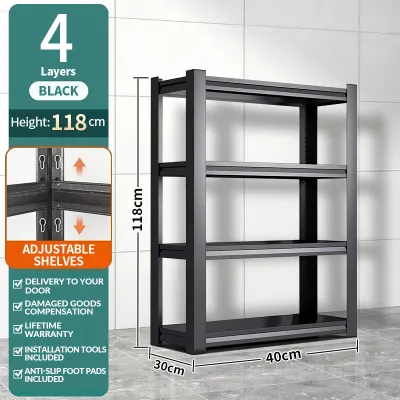
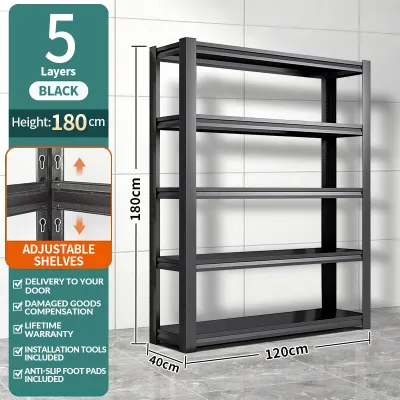
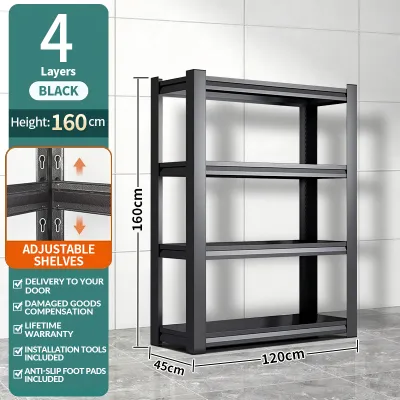
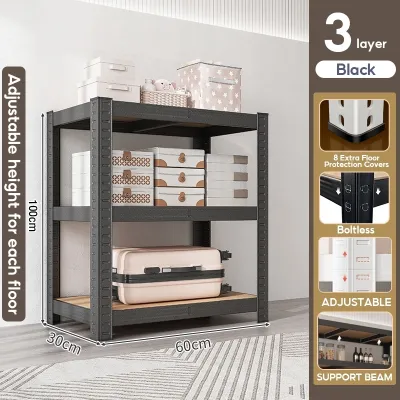
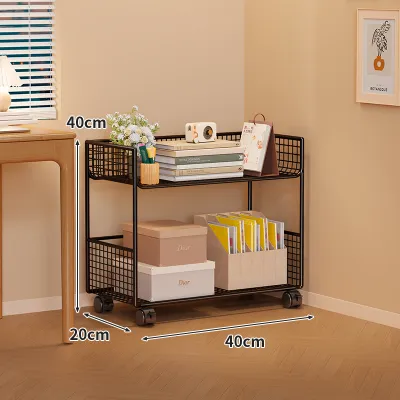
Prices are valid at publication and may change. Please refer to the product page for the latest price.
Categorize your belongings by weight, physical size, and how often you use them. Heavy items like toolboxes, bulk groceries, or kitchen appliances require robust shelving with high load capacities. Lightweight items like spare linens or plastic organizers can sit on lighter frames. Place daily-use items at waist-to-eye level, reserving the highest and lowest tiers for seasonal or rarely used storage.
Finally, evaluate the delivery and assembly route. Before ordering, check the dimensions of your building’s passenger lift, your main door frame, and any narrow corridors. While modular systems usually arrive flat-packed, exceptionally long upright posts or wide pre-assembled frames might struggle to clear tight turns. Confirming these access routes beforehand prevents delivery day complications.
Matching Rack Storage Shelf Dimensions to Your Floor Plan
Selecting the right shelf depth is crucial for maintaining room flow. Standard shelf depths typically range from 30 to 60 centimeters. Shallow shelves of 30 to 40 centimeters are excellent for narrow entryways, corridors, or behind doors, as they minimize visual weight. Deeper shelves of 50 to 60 centimeters are better suited for household shelters or utility rooms to hold large storage tubs.

Decide between a wide horizontal layout or a tall, narrow vertical configuration based on your floor plan. For tight corners, alcoves, or small niches, a tall, narrow rack maximizes unused vertical space. In contrast, a low, wide horizontal layout under a window or along a living room wall keeps sightlines open, preventing the room from feeling cramped while offering a functional top surface.
Choose modular systems that offer high adjustability, such as boltless metal frames or wire shelving with adjustable clips. These systems allow you to adjust individual tier heights in small increments, often every 2.5 to 5 centimeters. This flexibility eliminates wasted vertical space above shorter items and lets you easily reconfigure the layout as your storage needs change.
Always review the manufacturer’s structural specifications before finalizing your layout. A tall, narrow setup has a higher center of gravity, which increases the risk of tipping if not properly balanced. Check the specified weight limits per tier and the overall load capacity of the frame to ensure it can safely support your intended items without bowing.
Zone-Specific Configurations for Compact Homes
In living and dining areas, open-back modular shelving units can double as stylish room dividers. Placing a medium-height shelf between the dining table and the living area defines separate zones without blocking natural light or airflow. Keep the shelves partially open and decorated with books or plants to maintain a spacious, airy feel.
Bedrooms and wardrobes benefit greatly from targeted vertical storage. A narrow, tall rack placed inside a wardrobe alcove or in an unused bedroom corner can organize accessories, bags, or folded clothing. Low-clearance modular shelves can also be configured to fit neatly under loft beds or below window sills, turning awkward architectural spaces into useful storage.
Kitchens and utility rooms require durable, heavy-duty configurations. If you plan to store heavy appliances like stand mixers, ovens, or microwave units, select sturdy metal frames with verified weight capacities. Ensure the bottom shelf is high enough to allow easy cleaning underneath, and check product labels to confirm the finish is resistant to kitchen humidity and spills.
Balconies and service yards in Singapore are exposed to high humidity and occasional rain. Verify that your chosen rack has appropriate protective coatings, such as powder coating or rust-resistant stainless steel. Configure the shelves to leave the bottom 15 to 20 centimeters clear of the floor to allow for proper drainage and easy washing of the balcony tiles.
Safe Installation and Common Sizing Mistakes to Avoid
Safety must be your top priority when installing tall modular shelving. Any rack exceeding 1.5 meters in height should be securely anchored to the wall. In Singapore HDB flats, most internal walls are solid concrete or precast panels. These require a masonry drill bit, plastic wall plugs, and matching screws; always check for hidden electrical conduits or water pipes before drilling.
Check your floor’s levelness using a spirit level during installation. Uneven floors place uneven stress on the frame, reducing its overall load capacity and stability. If your modular rack includes adjustable leveling feet, screw them in or out to compensate for minor floor slopes. Avoid using temporary shims like cardboard, which can compress over time.
Avoid common sizing and placement mistakes that restrict home functionality. Do not block electrical outlets, distribution boards (DB boxes), or fiber termination points with heavy shelving. Additionally, avoid configuring the top shelf too close to the ceiling, which makes accessing items difficult and can block ceiling fans, light fixtures, or air conditioning airflow.
Always follow the manufacturer’s assembly manual carefully to ensure all connectors, beams, and safety clips are fully secured. For boltless rivet systems, use a rubber mallet to seat the beams firmly into the post slots. Establish a routine to inspect the rack every six months, checking for loose joints, structural bowing, or signs of wear, and tighten components as needed.
Frequently Asked Questions (FAQ)
Can I combine different modular shelf brands or systems?
It is generally not recommended to mix different modular shelving brands or systems. Even if they appear similar, minor differences in post thickness, hole spacing, connector shapes, or slot designs can compromise structural integrity. Mixing incompatible parts can lead to unstable joints, reduced weight capacities, and an increased risk of collapse. Always stick to components from the same manufacturer and product line.
How do I prevent a tall, narrow rack from tipping over?
To prevent tipping, always place the heaviest items on the bottom shelf to lower the unit’s center of gravity. Secure the rack to a solid wall using manufacturer-approved wall anchors or anti-tip straps. If drilling is not permitted, choose a wider or shallower configuration with a safer base-to-height ratio, or use heavy-duty tension rods designed to wedge the rack securely between the floor and ceiling.
Are wire or solid shelves better for small apartments?
Wire shelves offer better airflow, minimize dust accumulation, and allow natural light to pass through, which helps small spaces feel more open and bright. They are ideal for pantries, kitchens, and service yards. Solid shelves, made of steel or wood composites, are better for storing small, unstable items that might slip through wire gaps, and they prevent liquid spills or dust on upper tiers from dripping onto items below.
Community discussion
Share your experience or ask a question. Comments are reviewed before publication.