
Creating a dedicated reading nook in a compact Singapore Housing & Development Board (HDB) flat requires a careful balance between spatial efficiency and child-friendly accessibility. When floor space is limited, a modular kids book shelf offers the flexibility needed to adapt to tight corners, narrow corridors, or shared bedrooms. By choosing the right configuration, you can establish an inviting, organized environment that encourages independent reading without making your home feel cluttered.
The key to success lies in matching the modular layout to your child’s developmental stage and your room’s physical boundaries. Unlike traditional, rigid furniture, modular systems allow you to scale up, spread out, or wrap around existing features as your storage needs change. Whether you are dealing with a tiny bedroom in a 3-room build-to-order (BTO) flat or a multi-functional living area, configuring these systems properly ensures you maximize every square centimeter.
Assessing Your Space: Measuring for a Compact Reading Corner
Before purchasing any modular components, taking precise measurements of your designated reading corner is essential for a seamless fit. Begin by measuring the available floor width and depth using a standard measuring tape. In HDB flats, rooms often feature tight corners or niche spaces where even a few millimeters can make a difference. Do not rely on floor plans alone; physical measurements are crucial because actual dimensions can vary slightly after plastering and painting.
Products mentioned in this guide
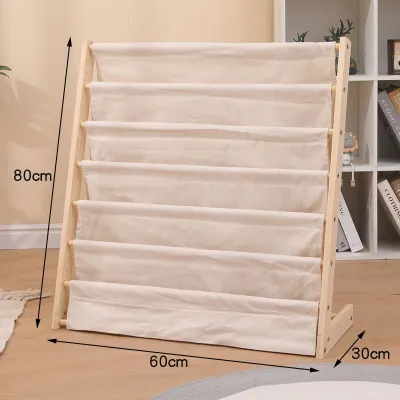
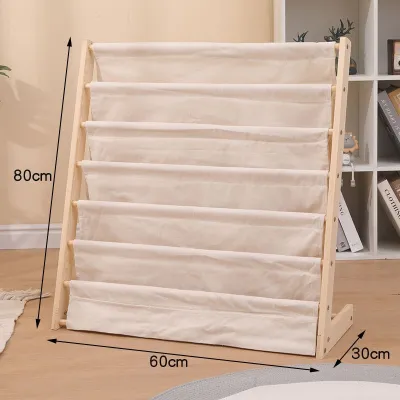
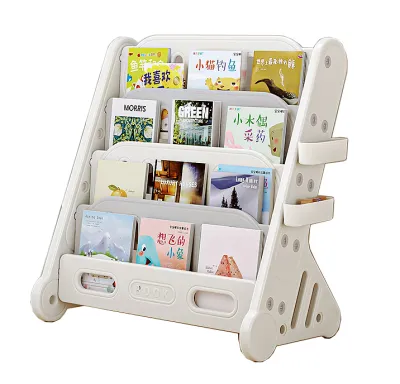
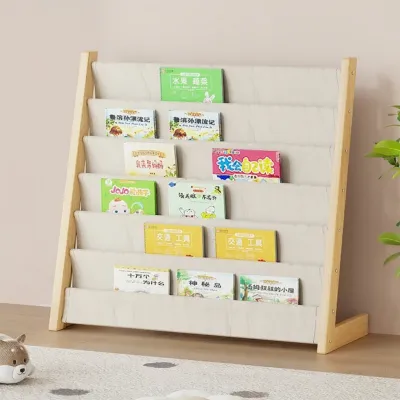
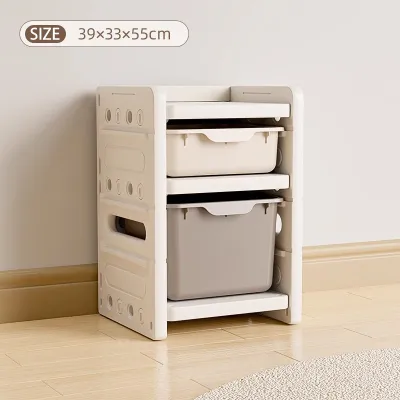
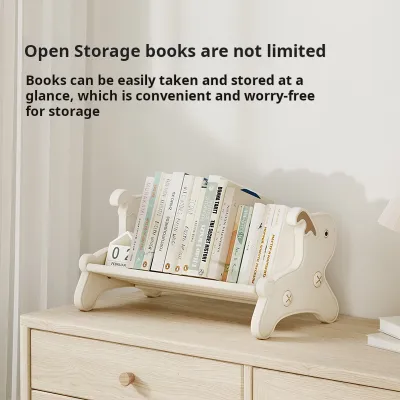
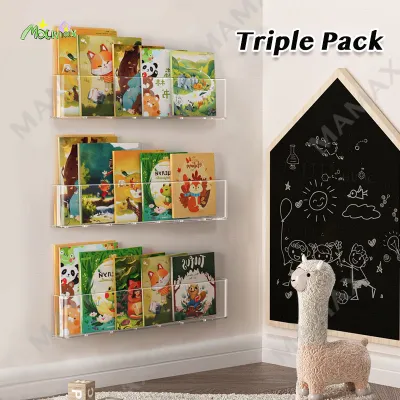
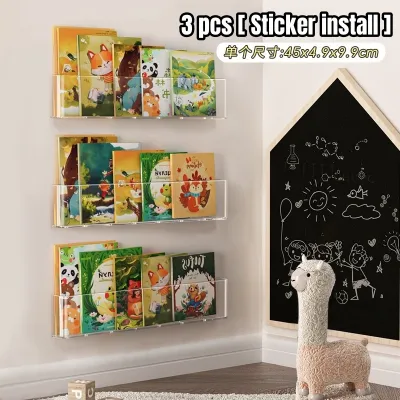
Prices are valid at publication and may change. Please refer to the product page for the latest price.
Next, measure the vertical clearance from the floor to the ceiling, especially if you plan to stack modular units high. Pay close attention to architectural details that might obstruct the shelving. Skirting boards along the base of HDB walls can prevent a flat-backed bookshelf from sitting flush against the wall, creating an unstable gap. You must also account for the location of power outlets, light switches, and wall-mounted fans or air-conditioning units. Ensure the shelf will not block access to these utilities or disrupt the airflow.
Another critical factor is the door swing path. Measure the swing radius of bedroom doors, wardrobe doors, and even windows to ensure they can open fully without colliding with the modular units. Beyond the footprint of the shelf itself, you must leave adequate floor clearance for your child to use the space comfortably. Allocate at least 60 to 80 centimeters of open floor space in front of the shelf to accommodate a small reading chair, a soft beanbag, or floor cushions.
Finally, evaluate the depth of the intended wall space. In narrow walkways or near doorways, a shelf that protrudes too far can become a tripping hazard or block natural traffic flow. Standard modular units come in various depths, so selecting a shallow profile is often the best strategy for maintaining clear pathways in compact HDB layouts.
Top Modular Configurations for Small Spaces
Modular furniture excels in small-space living because it can be customized to suit different room geometries. By arranging individual cubes or shelving units in specific layouts, you can address the unique constraints of your HDB flat while creating an engaging reading zone for your child.

Vertical Tower Stacks
When floor area is limited, the most logical direction to build is upward. Vertical tower stacks involve stacking modular cubes or single-column shelves to utilize the unused air space in your room. This layout keeps the footprint remarkably small, leaving more floor space open for play and other furniture.
To make this configuration work for a child, you must organize the contents strategically based on height. Place your child’s everyday reading books and favorite stories in the lower modules, ideally below one meter, where they are within easy, independent reach. The upper modules can then be utilized by parents to store bulkier toy rotation bins, out-of-season items, or decorative items. This vertical division of labor keeps the room tidy while fostering your child’s autonomy.
L-Shaped Corner Wraps
Corners are frequently underutilized in HDB bedrooms, often becoming dead space that collects dust. An L-shaped corner wrap utilizes two adjacent walls by connecting modular units at a 90-degree angle. This configuration is highly effective for defining a distinct, cozy reading zone within a larger, multi-purpose room.
By wrapping the shelves around the corner, you create an enclosed, nook-like feel that naturally invites children to sit down with a book. This layout keeps the center of the room entirely open, preserving valuable play space. When assembling an L-shaped setup, it is vital to check the manufacturer’s assembly conditions. Ensure that the corner modules connect securely using the system’s proprietary interlocking brackets or hardware to maintain alignment and prevent shifting over time.
Low-Level Horizontal Spreads
If you have an unbroken low wall or space beneath a window, a low-level horizontal spread is an excellent configuration. This setup typically utilizes wide, low-profile modular units, such as a 2×2 or 3×1 grid of storage cubes, placed side-by-side along the floor.
The primary benefit of a horizontal layout is absolute accessibility. Because the entire unit sits low to the ground, even toddlers can easily view, select, and return their books, which strongly supports early literacy and independent cleanup habits. Additionally, the flat top surface of a low-profile shelf serves as a perfect display ledge for showcasing favorite book covers or placing small, child-safe decorative items. However, before utilizing the top surface, verify the manufacturer’s load capacity and structural ratings to ensure it can support the extra weight, and always ensure the unit is properly secured.
Safety and Stability: Anchoring Your Kids Book Shelf in HDB Walls
Safety must be your absolute priority when installing any kids book shelf. Children are naturally curious and may attempt to climb shelves to reach a toy or book placed on a higher level. Unsecured furniture poses a severe tip-over risk, which can lead to serious injuries. Therefore, anti-tip anchoring is not optional; it is a mandatory step for every modular shelving setup, regardless of its height.
Anchoring methods depend heavily on the type of walls in your HDB flat. Most HDB flats feature a mix of structural concrete walls (such as external walls, household shelters, or structural columns) and non-structural partition walls (often found between bedrooms). Concrete walls are exceptionally sturdy but require a rotary hammer drill and appropriate masonry wall plugs to secure anchoring brackets. Partition walls, which are typically made of drywall or lightweight concrete panels in newer BTO flats, require specialized hollow-wall anchors or toggle bolts to distribute the load safely.
Always check the manufacturer’s instructions and use the provided anti-tip hardware. If the provided screws or plugs are not suitable for your specific wall material, do not attempt to improvise with standard wood screws. Instead, purchase high-quality wall anchors designed specifically for your wall type. If you are uncertain about the composition of your walls or lack the necessary tools for installation, stop immediately and consult a qualified handyman or professional installer to complete the task safely.
Furthermore, observe the manufacturer’s specified weight limits for each modular unit. Distribute the weight evenly, placing heavier books and storage bins in the bottom modules to keep the center of gravity as low as possible. Regularly inspect the anchoring brackets and wall connections to ensure they remain tight and secure over time, especially in Singapore’s humid climate, which can affect certain wall materials and finishes.
Kid-Friendly Features to Prioritize in Modular Units
When selecting modular components for your child’s reading corner, look for specific features that enhance both usability and safety. Traditional bookshelves present books spine-out, which can be uninspiring for young children who recognize books by their covers. Prioritizing modular units that accept forward-facing book rails or sling-style display add-ons can make a significant difference. Displaying book covers front-facing naturally catches a child’s eye and encourages them to pick up a book.
Integrating storage bins into the lower levels of your modular system is another highly practical feature. Opt for lightweight fabric, felt, or plastic bins that fit perfectly into the modular cubes. These bins are excellent for organizing smaller items like soft toys, coloring books, or art supplies. Because they are light and easy to slide out, children can manage them independently without the risk of heavy drawers pinching small fingers.
Physical safety features are equally important. Look for modular units designed with rounded edges and smooth, splinter-free finishes. If you are using low-level horizontal units where children active in play might bump into corners, consider adding soft, aftermarket silicone corner guards. Always verify the manufacturer’s care instructions and product labels to ensure the materials, paints, and finishes used are non-toxic and certified safe for children’s environments.
Common Sizing and Layout Mistakes to Avoid
To ensure your reading corner remains functional and spacious, avoid several common configuration mistakes. First, avoid purchasing modular units that are excessively deep. Standard children’s picture books and early readers are relatively slim and do not require deep shelves. Units designed for deep storage boxes (such as those exceeding 30 to 35 centimeters in depth) waste valuable floor space in a small HDB room and often cause smaller books to get pushed to the back, where they are forgotten.
Second, be mindful of natural light and ventilation. Avoid placing tall vertical stacks directly in front of windows, as this blocks natural light, making the reading corner dim and uninviting. Similarly, ensure your modular configuration does not obstruct air-conditioning vents, wall-mounted fans, or essential ventilation grilles. Proper airflow is crucial for maintaining a comfortable indoor climate in Singapore’s warm, humid weather.
Finally, never construct top-heavy configurations. Stacking multiple units vertically without securing a heavy, stable base is a major hazard. Always build your modular layout with the widest and heaviest components at the bottom. If you are combining different module sizes, ensure the base is wider than the top, and never omit the wall anchoring step.
Frequently Asked Questions (FAQ)
Can I mount a modular kids book shelf on a non-structural partition wall?
Yes, you can place freestanding modular units against a non-structural partition wall, but wall-mounted shelves or tall vertical stacks require careful consideration. Partition walls have lower load-bearing capacities than concrete walls. For heavy or tall setups, you must use specialized drywall anchors or toggle bolts, or locate the wall studs for secure fastening. Always verify the modular manufacturer’s specific installation guidelines and weight limits for partition walls before mounting.
How deep should the shelves be for children's books?
For standard children’s picture books, early readers, and board books, a shelf depth of approximately 15 to 25 centimeters is ideal. This depth keeps books easily visible and accessible without consuming unnecessary floor space. Choosing shallow shelves is one of the most effective ways to preserve walking room in a compact HDB flat.
Community discussion
Share your experience or ask a question. Comments are reviewed before publication.