
Choosing the right display cabinet to showcase your prized collection is more than a matter of finding open shelf space. The ideal style depends on the specific items you collect, your home’s existing interior design, and how much time you want to spend on upkeep. Modern minimalist cabinets offer a clean backdrop that lets contemporary items shine, while industrial designs bring a rugged, textured character to vintage pieces. Classic wood cabinets provide a sense of permanence and warmth, making them highly suitable for traditional heirlooms. By aligning the cabinet’s design with the physical and visual qualities of your collection, you can create a balanced display that protects your items while enhancing your living space.
Defining the Three Core Display Cabinet Styles
To select the right cabinet, it helps to understand the design language of each style and how they appear in showrooms or online catalogs. Modern minimalist display cabinets focus on simplicity and transparency. These pieces typically feature thin metal or wooden frames, large glass panels, and hidden or integrated hardware that keeps the visual profile as clean as possible. Neutral colors like matte black, crisp white, or muted grey dominate this style, ensuring that the cabinet itself does not distract from the items displayed inside.
Industrial display cabinets embrace raw, utilitarian aesthetics. They often combine dark steel frames with distressed wood shelves, visible rivets, and heavy-duty casters or brackets. The hardware is intentionally exposed, celebrating the structural elements of the piece rather than hiding them. This style relies on contrasting textures, pairing the cold smoothness of metal with the rough, grain-heavy surface of reclaimed or manufactured wood finishes.
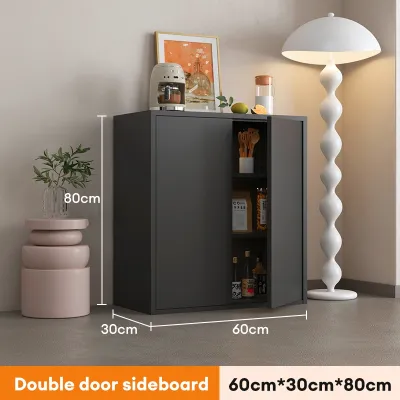
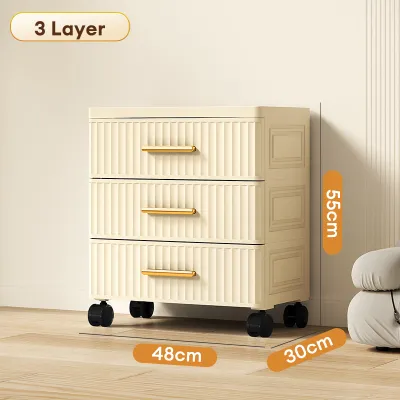
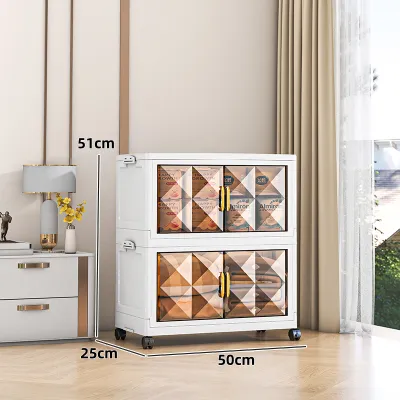
Products mentioned in this guide
![Easyhome.sg [EASY INSTALL] JG Foldable Storage Cabinet with Wheels | Stackable Plastic Organizer Box | 45-65CM](https://img.lazcdn.com/g/p/eaee4372988fa662c9bd3fadb94d42a1.png_400x400q80.png_.webp)
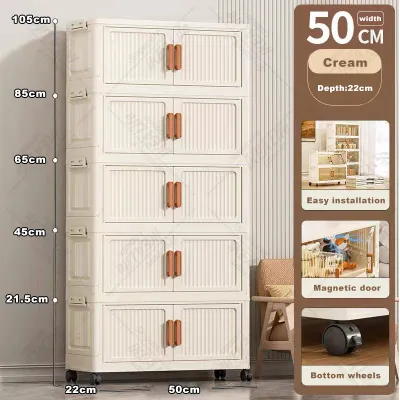
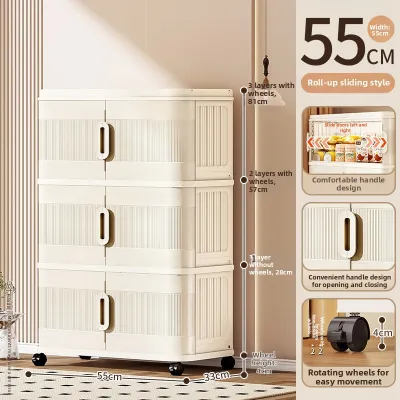
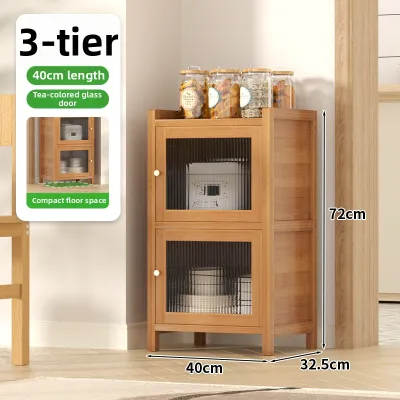
Prices are valid at publication and may change. Please refer to the product page for the latest price.
Classic wood display cabinets are defined by traditional craftsmanship and substantial visual weight. These cabinets often feature solid wood construction, detailed crown molding, raised panel doors, and ornate brass or bronze handles. The finishes range from deep cherry and warm walnut to rich mahogany, highlighting the natural grain patterns of the timber. Traditional joinery, such as dovetail or mortise-and-tenon joints, is common in these pieces, giving them a timeless, heirloom-quality presence in a room.
Matching Cabinet Styles to Your Collection Type
The items you display should dictate the style of the cabinet, as the background design can either elevate your collection or clash with it. Modern minimalist cabinets are highly effective for showcasing contemporary art pieces, designer vinyl toys, sleek modern electronics, and minimalist ceramics. The expansive glass panels and thin frames allow maximum light to reach the items, ensuring that intricate details and vibrant colors are visible from multiple angles without being overshadowed by heavy wooden borders.

Industrial cabinets provide an excellent backdrop for collections with historical, mechanical, or rugged characteristics. Vintage cameras, antique tools, vinyl records, old-school leather-bound journals, and metallic memorabilia look natural against the raw steel and weathered wood of an industrial frame. The textured, darker background of these cabinets complements the patina of older items, turning the entire display into a cohesive narrative of history and craftsmanship.
Classic wood cabinets are the traditional choice for preserving and displaying delicate, high-value heirlooms. Fine porcelain, antique china, crystal glassware, silver tea sets, and vintage jewelry find their natural home among the warm tones and sturdy shelves of a classic wooden unit. The substantial frame of a wood cabinet provides a sense of security and prestige, framing these delicate items in a way that emphasizes their age and sentimental value.
When matching your collection to a cabinet, consider the visual weight of both the furniture and the items. A heavy, dark wood cabinet can easily overwhelm small, modern plastic figurines, making the display look mismatched. Conversely, placing a collection of heavy, antique leather books inside a delicate, ultra-thin glass minimalist cabinet can create an unsettling visual imbalance, where the shelves appear structurally inadequate for the weight of the collection.
Space, Lighting, and Room Aesthetics Considerations
Integrating a new cabinet into your home requires a careful assessment of your room’s layout, lighting, and existing furniture. In smaller living spaces, such as typical apartments or cozy dining areas, a modern minimalist cabinet with slim frames and high glass content helps maintain an open, airy feel. Because light passes through these cabinets easily, they do not block sightlines or make a room feel cramped. Industrial and classic wood cabinets, with their darker tones and solid structures, carry more visual weight and are often better suited for larger rooms or as dedicated focal points against a main wall.
Lighting plays a critical role in how your collection is perceived. Modern minimalist cabinets often come with integrated LED strip lighting or are designed to accommodate slim puck lights easily, casting a clean, even glow over contemporary items. Industrial cabinets benefit from warm, ambient room lighting or vintage-style Edison bulbs, which enhance the rustic textures of the metal and wood. Classic wood cabinets often utilize warm, yellow-toned spotlights mounted at the top of the unit, which reflect beautifully off glass shelves and highlight the rich grain of the wood panels.
To avoid a jarring visual clash, observe the dominant furniture styles in your room before making a purchase. An industrial cabinet can look out of place in a highly formal, traditional dining room filled with polished mahogany furniture. However, you do not need an exact match to achieve a cohesive look; mixing styles can work if you find a common element, such as matching the black metal legs of an industrial cabinet with the black metal accents on your modern coffee table.
Practical Checks: Dimensions, Materials, and Maintenance
Before committing to a specific cabinet style, you must verify that the piece will physically fit your home and support your collection safely. Start by measuring the designated floor space and ceiling height, leaving at least a few centimeters of clearance at the top and sides for positioning. It is equally important to measure your doorways, hallways, and lift doors to ensure the delivery team can safely transport the cabinet into your home without damaging the walls or the furniture itself.
Next, check the manufacturer’s specifications for shelf load capacity, especially if you plan to display heavy items like books, stone sculptures, or thick glassware. Tempered glass shelves in minimalist cabinets are highly durable but have strict weight limits that must not be exceeded. If your collection includes items of varying heights, look for cabinets with adjustable shelf brackets so you can customize the interior layout without wasting vertical space.
The materials used in the cabinet’s construction will dictate your long-term maintenance routine. Glass surfaces in minimalist and industrial cabinets require regular dusting and wiping with a glass cleaner to remove fingerprints and smudges, which are highly visible under direct light. Metal frames should be wiped with a dry microfiber cloth to prevent moisture buildup, which can lead to rust over time if the protective coating is compromised.
Classic wood cabinets require a different level of care to preserve their finish. Solid wood is sensitive to fluctuations in humidity and temperature, which can cause the timber to warp or split over time. You should position wood cabinets away from direct sunlight and air conditioning vents to prevent the finish from fading or drying out. Regular dusting and occasional treatment with a high-quality wood polish or wax will keep the timber hydrated and maintain its natural luster.
Decision Framework: Which Style Should You Choose?
To make your final decision, evaluate your priorities using a simple, condition-based framework. Choose a modern minimalist cabinet if your primary goal is to keep the focus entirely on your collection, especially if you display contemporary items and prefer a clean, clutter-free home aesthetic. This style is also the most practical choice for smaller rooms where preserving light and open space is a priority.
Opt for an industrial cabinet if your home features raw architectural elements like exposed brick, concrete, or matte black fixtures, and your collection consists of vintage, mechanical, or highly textured items. This style is ideal for creating a relaxed, casual atmosphere and is highly forgiving of minor scratches or dust due to its distressed finish.
Select a classic wood cabinet if you want a timeless, formal piece of furniture that acts as an heirloom in its own right. This option is highly suitable if your home features traditional decor, and you need to display delicate, classic items like fine china or antique books.
Regardless of the exterior style, always verify if your collection has specific preservation needs. If you are displaying highly sensitive items like rare comic books, vintage textiles, or delicate oil paintings, you must check if the cabinet can be fitted with UV-filtering glass or climate-control strips. Protecting your collection from environmental damage should always take precedence over purely aesthetic considerations.
Frequently Asked Questions (FAQ)
Can I mix industrial and modern minimalist styles in the same room?
Yes, these two styles can coexist beautifully because they share a common design element: the use of metal and clean, geometric lines. To blend them successfully, choose an industrial cabinet with a relatively slim metal frame and pair it with minimalist furniture that features similar black or dark grey metal accents. Keeping the color palette of the room neutral will help tie the raw textures of the industrial piece and the smooth surfaces of the minimalist furniture together without creating visual chaos.
Do classic wood cabinets require more maintenance than metal or glass options?
Classic wood cabinets generally require more specialized care than metal or glass alternatives. While glass and metal can be cleaned quickly with standard household wipes, solid wood is sensitive to environmental changes and requires protection from direct sunlight, high humidity, and dry air conditioning drafts. To maintain the wood’s appearance and prevent cracking, you will need to dust it regularly with a soft cloth and apply a dedicated wood conditioner or wax once or twice a year, depending on the manufacturer’s instructions.
Community discussion
Share your experience or ask a question. Comments are reviewed before publication.