
Selecting the right dining furniture requires balancing aesthetic appeal with spatial efficiency, especially when integrating a highly distinct material like acrylic. The ideal acrylic chair style depends entirely on your home’s dominant design language: modern spaces thrive on mixed-material designs that pair clear shells with metal or wood; minimalist homes benefit from fully transparent, seamless “ghost” chairs that preserve light and open space; and eclectic interiors utilize tinted or classic clear frames as a visual palate cleanser to balance rich textures and bold patterns.
By understanding how light, form, and material interactions affect your dining area, you can select an acrylic chair that elevates your existing decor. This guide breaks down how to identify your interior style, match it with the correct chair silhouette, and plan for the spatial and maintenance realities of acrylic furniture in modern, space-conscious homes.
Diagnose Your Space: Is Your Home Modern, Minimalist, or Eclectic?
Before purchasing any new seating, it is essential to establish a clear baseline of your current interior design style. Homes rarely fall into a single category perfectly, but identifying the dominant visual signals in your dining area will guide you toward the right furniture pairing.
Products mentioned in this guide
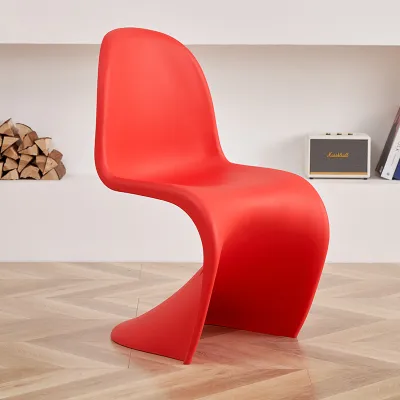
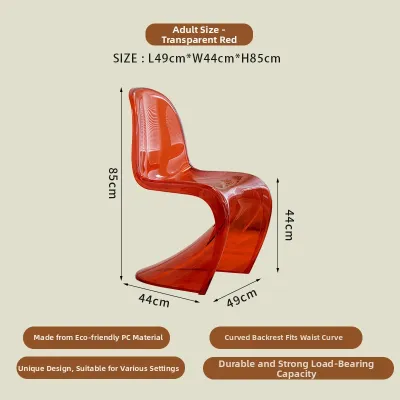
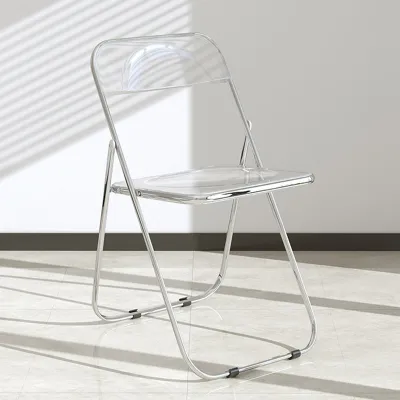
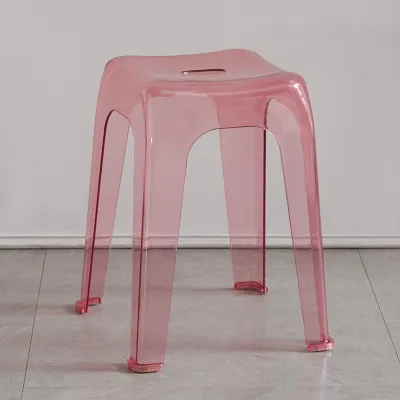
Prices are valid at publication and may change. Please refer to the product page for the latest price.
To diagnose your space, observe the following characteristics:
- Modern Interiors: Look for a curated mix of materials like polished metals, sintered stone, engineered wood, and leather. The color palette often relies on sophisticated neutrals—charcoal, taupe, cream, or matte black—punctuated by clean, geometric lines and structured furniture silhouettes.
- Minimalist Interiors: These spaces prioritize absolute simplicity, functional layouts, and an abundance of negative space. The color scheme is typically monochromatic or highly restricted, featuring soft whites, muted greys, and natural wood tones. Decorative items are kept to a minimum, and furniture features clean, unornamented profiles.
- Eclectic Interiors: Characterized by a layered, curated aesthetic, eclectic spaces confidently mix furniture from different eras, bold wall colors or patterned wallpapers, and a high density of decorative objects. You will find a rich variety of textures, such as velvet, brass, carved wood, and woven textiles, arranged in a highly personalized manner.
Beyond style, take a close look at your dining room’s physical layout and lighting conditions. In compact urban apartments, such as typical HDB flats or condominiums, natural light may be concentrated near a single balcony door or window. The amount of light your room receives directly impacts how an acrylic chair behaves visually. In brightly lit spaces, transparent acrylic refracts light beautifully, making the room feel larger. In dimly lit or enclosed dining alcoves, dark-tinted or smoked acrylic can look heavy or create unwanted shadows, whereas fully clear styles help maintain an open, airy feel.
Modern Interiors: Pairing Acrylic with Mixed Materials and Sleek Lines
In a modern home, a pure acrylic chair can sometimes feel cold or detached if it lacks structural contrast. To successfully integrate this material into a modern aesthetic, look for designs that combine a clear or tinted acrylic seat shell with contrasting legs and frames. Pairing a transparent acrylic seat with chrome, brushed brass, or matte black steel legs introduces a sophisticated, industrial-leaning edge that aligns perfectly with modern design principles. Alternatively, choosing an acrylic shell supported by warm timber legs, such as walnut or oak, bridges the gap between organic warmth and contemporary synthetic design.

An acrylic chair serves as an excellent tool to soften the heavy or rigid elements of a modern dining table. If you own a substantial dining table made of white marble, sintered stone, or dark-stained oak, surrounding it with solid, heavy wooden chairs can make the dining set look imposing and bulky. Introducing acrylic seating breaks up this visual mass. The transparency of the chairs allows the natural veining of a marble tabletop or the rich grain of a wooden table to remain visible, turning the table itself into the focal point of the room.
When selecting the silhouette of your chairs, pay attention to the curves. Modern architecture often features sharp angles, recessed lighting, and rectangular layouts. Choosing acrylic chairs with gently curved backrests, rounded seat pans, or organic, molded shapes helps soften these harsh lines. This contrast creates a more inviting, balanced dining environment while maintaining a sleek, forward-thinking aesthetic.
Minimalist Interiors: Maximizing Light and Space with Ghost Chairs
For minimalist homes, the primary goal of furniture selection is to maintain visual purity, unbroken sightlines, and an effortless flow of light. The classic “ghost chair”—originally inspired by the ornate lines of Louis XV armchairs but rendered entirely in clear polycarbonate or acrylic—is a staple for this design philosophy. By stripping away visual weight, a fully transparent chair allows the eye to pass right through it, making the dining set appear almost weightless.
In small or strictly monochromatic dining rooms, traditional solid chairs can easily clutter the visual field, making the walls feel as though they are closing in. Fully transparent acrylic chairs solve this issue by preserving the room’s negative space. They allow the flooring, baseboards, and wall treatments to remain fully visible, which trick the brain into perceiving a larger, more open room. This is particularly beneficial if your dining table sits in a multi-purpose open-plan living and dining area, where keeping the visual boundaries clean is crucial for a sense of calm.
To align with minimalist principles, look for seamless, single-mold acrylic designs. These chairs are crafted from a single sheet of molded acrylic or injected polycarbonate, completely eliminating the need for visible screws, metal brackets, wooden joints, or ornate hardware. The beauty of these pieces lies in their structural simplicity. By avoiding unnecessary decorative details, the chair remains highly functional and visually quiet, seamlessly blending into the background of a minimalist sanctuary.
Eclectic Interiors: Balancing Visual Clutter with Transparent Seating
Eclectic spaces are wonderfully vibrant, but they run a constant risk of crossing the line from curated personality into chaotic visual clutter. In a room filled with patterned rugs, bold artwork, and mismatched decor, the dining chairs need to play a strategic role. Here, transparent acrylic chairs act as a “visual palate cleanser.” Placing clear seating around a heavy, ornate antique dining table or atop a busy, colorful Persian rug provides a moment of visual rest. It breaks up the density of the room, allowing the eclectic elements to shine without competing for attention.
If fully clear chairs feel too sterile for your eclectic taste, explore the world of tinted, smoked, or textured acrylic. Soft amber, olive green, rose, or smoky grey tints add a subtle layer of color and depth that can complement your room’s existing palette without adding physical bulk. Textured acrylic, such as ribbed or frosted finishes, catches the light in unique ways, adding a tactile quality that fits right in with a layered, texture-rich space.
Another highly effective styling strategy in eclectic homes is mixing acrylic seating with other furniture styles. Instead of buying a matching set of six identical clear chairs, try placing a pair of statement acrylic armchairs at the head and foot of the table, while flanking the sides with vintage wooden chairs or upholstered benches. Alternatively, you can alternate clear acrylic chairs with colorful metal or woven rattan seats. This intentional, curated contrast makes the dining area feel assembled over time rather than purchased from a single showroom, embodying the true spirit of eclectic design.
Space Planning and Care for Acrylic Chairs in Compact Homes
While choosing a style is exciting, practical considerations are paramount when integrating acrylic chairs into compact homes, such as HDB flats and condominiums in Singapore. Proper space planning ensures your dining area remains functional, comfortable, and easy to navigate daily.
Before purchasing, perform these essential spatial checks:
- Table Apron Clearance: Measure the height from the floor to the underside of your dining table's frame or apron. Ensure the armrests or seat front of your chosen acrylic chairs can slide fully underneath the table when not in use to maximize floor space.
- Walkway Widths: To maintain comfortable traffic flow, leave at least 90 centimeters of clearance between the edge of the dining table and the nearest wall or piece of furniture. This allows diners to pull out chairs and sit down comfortably without blocking the walkway.
- Seat Width and Depth: Compare the footprint of the chairs against the distance between your dining table's legs. Ensure you can fit the desired number of chairs side-by-side without them bumping into each other or the table legs.
Beyond spatial planning, understanding the structural limits of acrylic is vital for long-term safety and durability. Never rely solely on the material name “acrylic” or “polycarbonate” as a guarantee of quality. Always verify the manufacturer’s specified weight capacity and examine the quality of the structural joints. High-quality acrylic chairs should feel rigid and stable, with solid connections where the legs meet the seat shell, and should not exhibit excessive flexing or wobbling when sat upon.
To keep your chairs looking pristine, follow a gentle, non-abrasive cleaning routine. Acrylic is highly susceptible to clouding and micro-scratches if treated with the wrong chemicals. Always use a clean, damp microfiber cloth to wipe away dust and fingerprints. Avoid using household window cleaners, ammonia-based sprays, or alcohol-based disinfectants, as these harsh chemicals can permanently degrade the plastic, causing it to turn yellow, cloudy, or develop tiny surface cracks known as crazing. For stubborn greasy spots, a mild solution of warm water and a few drops of gentle dishwashing liquid is highly effective.
Position your acrylic furniture away from direct heat sources, such as portable heaters or intense, prolonged sunlight streaming through unshaded windows, as extreme heat can cause the material to warp. Finally, always check the applied product’s care label and the manufacturer’s specific instructions before attempting to apply any commercial plastic polishes or scratch-removal treatments.
Frequently Asked Questions (FAQ)
Do acrylic chairs scratch easily, and how can I prevent it?
Yes, acrylic is a relatively soft material compared to glass or wood, making it prone to micro-scratches from daily use. To prevent scratching, attach soft felt pads to the bottom of any decorative items or cushions placed on the seat. Avoid sliding heavy or rough objects across the surface, and never use paper towels, abrasive sponges, or dry, dusty cloths for cleaning. Instead, stick to clean microfiber cloths and manufacturer-approved cleaning solutions.
Can I mix different acrylic chair styles around one dining table?
Absolutely. Mixing different acrylic chair styles can create a highly stylish, dynamic look if executed with intention. To keep the arrangement cohesive, ensure the chairs share at least one common design element. For example, you might mix different silhouettes—such as sleek armless side chairs along the table sides and more structured armchairs at the ends—while keeping the material finish identical, such as all fully transparent or all matching a smoky grey tint.
Are acrylic dining chairs comfortable for long meals?
Solid acrylic chairs are rigid and do not have the natural flex or cushioning of upholstered or wooden seating. However, many designs feature ergonomic contours, curved backrests, and molded seat pans that distribute weight evenly and provide surprising comfort. For extended dining sessions, you can easily enhance comfort by adding thin, stylish seat cushions. Look for cushions with non-slip backings or tie-backs to prevent them from sliding off the smooth acrylic surface.
Community discussion
Share your experience or ask a question. Comments are reviewed before publication.