
Investing in a modern luxury dining chair in Singapore is an exercise in balancing timeless design, physical comfort, and environmental resilience. In a region where the dining room often serves as a multi-functional centerpiece for hosting, remote work, and daily family life, these high-touch furniture pieces must withstand both rigorous physical use and a demanding tropical climate. Selecting the right modern luxury dining chair requires moving beyond superficial aesthetic appeal to evaluate the structural integrity, material provenance, and ergonomic engineering that justify a premium price point.
For Singaporean homeowners navigating high-end furniture acquisitions, the market presents a mix of established European heritage brands, avant-garde design houses, and bespoke artisanal creators. Making an informed investment means understanding how these chairs are constructed, how their materials behave in high-humidity environments, and how to verify their authenticity through local distribution channels. By focusing on verifiable quality indicators rather than marketing narratives, you can secure dining seating that retains both its functional performance and its aesthetic value for decades.
What Defines an "Investment-Grade" Luxury Dining Chair
Distinguishing between a merely expensive furniture piece and an investment-grade dining chair requires looking closely at the relationship between form, material, and longevity. High-priced chairs often rely on passing design trends or brand licensing fees to justify their cost. In contrast, an investment-grade modern luxury dining chair is characterized by its ability to retain structural integrity and aesthetic relevance across generations. These pieces are designed with a long-term lifecycle in mind, ensuring that the initial capital outlay is amortized over decades of continuous use.
Products mentioned in this guide
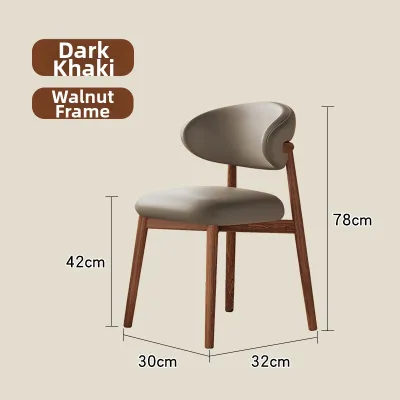
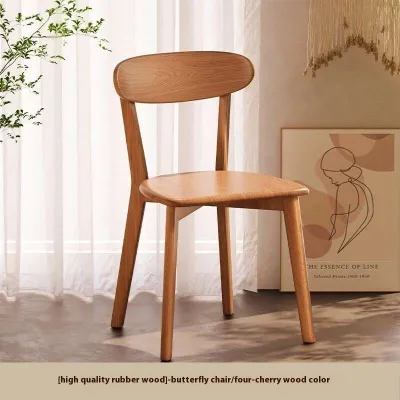
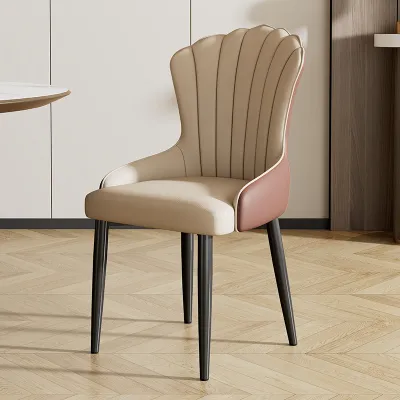
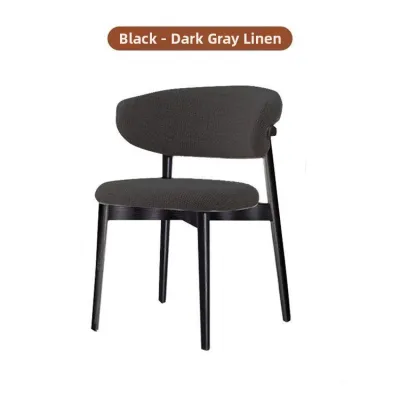
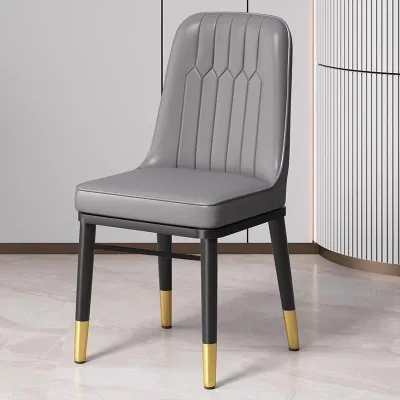
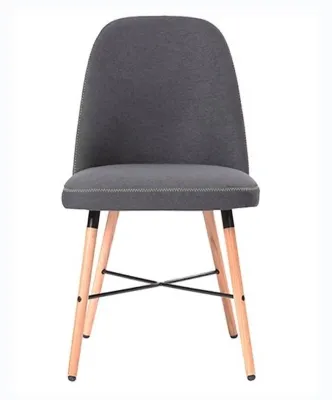
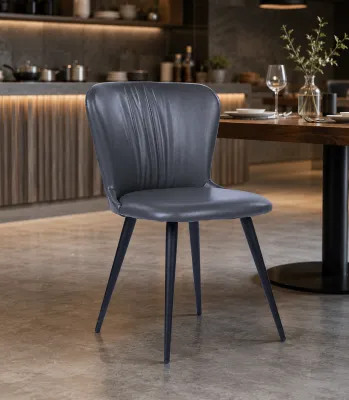
Prices are valid at publication and may change. Please refer to the product page for the latest price.
Design provenance and brand heritage play a significant role in preserving the value of luxury furniture. Iconic designs from recognized brands often retain their value—and can even appreciate—due to their historical significance and recognized design awards. Brands with deep archives collaborate with legendary architects and industrial designers, producing pieces that are documented in design history. When you purchase a chair with clear design provenance, you are acquiring a piece of functional art that carries a verified market demand, making it far easier to restore, resell, or pass down as an heirloom.
At the core of an investment-grade chair is its underlying construction. While mass-produced seating relies heavily on metal staples, quick-setting adhesives, and light-gauge wood screws, luxury manufacturers employ traditional joinery methods. Mortise-and-tenon joints, dowel construction, and finger joints provide superior resistance to the mechanical stresses placed on a chair when a user shifts their weight. Furthermore, the frames of high-end chairs are often reinforced with solid corner blocks that are both glued and bolted, preventing the frame from wobbling or loosening over time.
Another critical marker of investment-grade furniture is the manufacturer’s commitment to repairability. True luxury brands design their products with replaceable components. Whether it is the availability of original replacement glides to protect your flooring, detachable seat cushions that can be easily reupholstered, or proprietary hardware kits, these brands ensure that a single worn element does not render the entire chair obsolete. Before purchasing, verify whether the brand offers long-term access to spare parts and structural repair services, either directly or through their authorized local representatives.
Material Benchmarks and Design Philosophies to Look For
Evaluating a modern luxury dining chair requires a critical analysis of its material specifications. Luxury brands utilize premium raw materials that are selected for both their sensory qualities and their structural performance. When reviewing product specification sheets, look for solid hardwoods such as European oak, American walnut, or sustainably sourced teak. These woods are kiln-dried to precise moisture levels to prevent warping. In contrast, mid-market alternatives frequently use medium-density fibreboard (MDF) or veneered plywood for primary structural elements, which lack the tensile strength and repairability of solid timber.

Upholstery materials represent another major quality differentiator. True luxury chairs feature full-grain or top-grain leathers that have been aniline or semi-aniline dyed. These leathers retain the natural pore structure of the hide, allowing the material to breathe—a critical factor in comfortable seating. Corrected-grain leathers, which are heavily sanded and coated with plastic finishes, feel hot and sticky in warm environments and are prone to cracking. For fabric upholstery, look for high-performance natural fibers like Belgian linen, wool blends, or specialized technical textiles that carry high Martindale rub counts (ideally 30,000 rubs or higher) to ensure resistance to abrasion.
Different design philosophies directly influence how these materials are shaped and joined:
- Minimalist Structuralism: Focuses on exposing the raw beauty of the materials, utilizing ultra-slim metal frames or cantilevered steel supports that require exceptional welding precision and high-grade alloys to maintain stability without visible bulk.
- Sculptural Organic Forms: Emphasizes fluid, continuous lines carved from solid wood or molded using advanced multi-layer plywood bending techniques, requiring seamless transitions where the backrest meets the legs.
- Bespoke Artisanal Craftsmanship: Prioritizes hand-finished details, hand-stitched leather seams, and hand-applied oil or wax finishes that highlight the unique grain patterns of each timber piece.
To verify these material claims, look beyond promotional brochures. Request the manufacturer’s technical specification sheets, material origin disclosures, and care labels. Reputable luxury brands are transparent about where their timber is harvested, how their leather is tanned, and the exact composition of their fabrics. Additionally, inspect the execution of the hardware and finishing details. High-quality chairs feature flush-mounted screws, neatly aligned zippers, and double-stitched seams with high-tensile marine-grade threads, indicating rigorous quality control standards during assembly.
Sourcing Authentic Pieces in Singapore: Showrooms and Distributors
While online shopping offers convenience, sourcing a modern luxury dining chair requires a physical, tactile evaluation. Visiting an authorized physical showroom in Singapore is essential for assessing the chair’s actual scale, weight, and finish quality under realistic lighting conditions. High-end furniture enclaves—typically located around the Orchard Road shopping belt, the Henderson and Outram design districts, or specialized lifestyle centers like Millenia Walk—allow you to experience the tactile difference of premium finishes and evaluate how a chair’s proportions coordinate with various dining table styles.
To protect your investment, always purchase through authorized dealerships, official brand boutiques, or certified distributors. These entities are directly contracted by the manufacturing brands, guaranteeing that every piece is authentic and backed by a genuine manufacturer’s warranty. Authorized distributors have direct lines of communication with the factories in Europe or North America, enabling them to facilitate custom orders, manage quality control discrepancies, and handle structural claims efficiently.
Buying from unauthorized online platforms, parallel importers, or grey-market sellers carries significant financial and structural risks. While these channels may tempt buyers with slightly lower upfront prices, they almost always void the manufacturer’s warranty. If a joint splits, a frame warps, or the upholstery fails prematurely, grey-market buyers are left without recourse. Furthermore, unauthorized sellers rarely have access to original replacement parts, such as proprietary floor glides or custom-color touch-up kits, making long-term maintenance exceptionally difficult.
When ordering luxury dining chairs in Singapore, understand the logistical timeline and service standards. Because many high-end chairs are made-to-order in European workshops, standard lead times typically range from 12 to 24 weeks. This timeline includes precision manufacturing, maritime or air freight, customs clearance, and local warehousing. Ensure your retailer provides comprehensive white-glove delivery and installation services. In Singapore’s high-rise residential landscape, this service is crucial; the delivery team must assess passenger lift dimensions, navigate tight condominium corridors, and assemble the chairs on-site using protective floor blankets to prevent damage to your home.
Evaluating Ergonomics and Climate Resilience for Daily Use
A dining chair cannot be judged solely on its appearance; its primary function is to support the human body comfortably during extended meals. When testing chairs in a showroom, pay close attention to key ergonomic dimensions. The standard dining table in Singapore stands around 75 centimeters high, which requires a chair with a seat height of 45 to 48 centimeters to allow comfortable leg clearance. The seat depth should measure between 40 and 45 centimeters, ensuring your thighs are fully supported without the front edge of the seat pressing uncomfortably against the back of your knees.
The angle of the backrest is equally vital for posture support. A modern luxury dining chair should feature a backrest angle of 95 to 105 degrees, promoting an upright yet relaxed sitting position that encourages natural conversation. Look for subtle lumbar curves built into the backrest frame or cushion padding. Cushioning should utilize high-resilience (HR) cold-cure polyurethane foam. Unlike cheap slab foams that compress permanently under body heat and weight, HR foam maintains its supportive loft and springiness over decades of daily use, preventing the “bottoming out” sensation during long dinner parties.
Singapore’s tropical climate, characterized by high relative humidity and consistent warmth, presents unique challenges for furniture preservation. High humidity can cause solid timber frames to expand, potentially stressing joinery if the wood was not correctly kiln-dried. It also creates an environment conducive to mold growth on organic fibers. To mitigate these risks, prioritize materials with high breathability and natural moisture resistance. For timber, look for matte polyurethane lacquers or specialized wood oils that seal the grain while allowing the wood to adapt to minor environmental shifts. For fabrics, synthetic-natural blends (such as polyester-linen or acrylic-wool) offer the breathability of natural fibers with the mildew resistance of technical synthetics.
Finally, evaluate the chair’s physical stability and floor protection. A well-engineered chair must have a low center of gravity and a balanced base to prevent tip-over risks when a user leans back. Check the underside of the legs for appropriate floor glides. Singaporean homes frequently feature polished marble, homogeneous porcelain tiles, or engineered timber flooring. Hard plastic glides can easily scratch soft marble, while cheap adhesive felt pads quickly attract dust and peel off in humid weather. Opt for chairs equipped with screw-in, replaceable felt or polyurethane glides designed specifically for your home’s flooring type to ensure smooth, silent movement and long-term surface protection.
A Practical Pre-Purchase Checklist for Your Final Decision
Before finalizing your investment in a set of modern luxury dining chairs, systematically work through this practical checklist to ensure the pieces fit your physical space, lifestyle, and aesthetic environment:
- Measure Your Dining Space: Confirm the finished dimensions of your dining room. Allow at least 60 centimeters of width for each chair at the table, with an additional 15 to 20 centimeters of breathing room between adjacent chairs to prevent a cramped appearance.
- Verify Table Clearances: Ensure there is a gap of 25 to 30 centimeters between the top of the chair seat cushion and the underside of the dining table frame or apron. If your chosen chair features armrests, verify that they can slide completely under the table when the chair is not in use.
- Assess Wall and Walkway Clearances: Ensure there is a minimum of 75 to 90 centimeters of clear space behind each dining chair when pulled out, allowing guests to sit down and walk behind occupied seats comfortably.
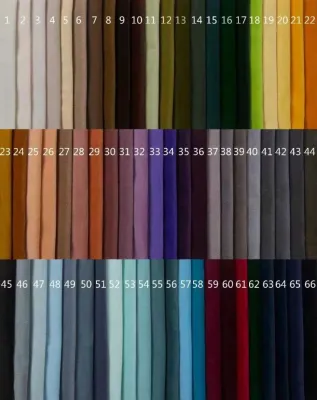
- Request Physical Material Swatches: Never rely on digital screens for color matching. Request physical fabric, leather, and timber finish samples from the showroom. View these swatches inside your home under both natural daylight and your specific evening LED lighting (such as warm 2700K or neutral 3000K sources) to ensure they complement your existing decor.
- Review Retailer and Manufacturer Policies: Clarify the exact terms of the purchase agreement. Confirm the estimated delivery date, potential delay penalties, restocking fees for cancelled orders, and whether the retailer offers professional reupholstery or maintenance services in the future.
- Examine the Warranty Documentation: Read the fine print of the warranty. Distinguish between structural frame coverage (which should ideally span 5 to 10 years) and cosmetic or upholstery coverage (typically limited to 1 to 2 years). Understand the specific maintenance steps required to keep the warranty valid.
Frequently Asked Questions (FAQ)
How does high humidity affect leather and wood dining chairs?
High relative humidity, which is common in Singapore, causes natural materials to absorb moisture from the air. For solid wood frames, this can lead to microscopic expansion and contraction, which can stress traditional adhesive joints if the timber was not properly seasoned. For leather upholstery, excessive moisture can compromise the protective topcoats, leading to a loss of suppleness, potential cracking, or mold cultivation in unventilated spaces. To protect your investment, maintain a stable indoor environment using air conditioning or dehumidifiers, keep furniture out of direct tropical sunlight, and clean materials strictly according to the manufacturer’s environmental care instructions.
Are bespoke fabrics and custom finishes available through local showrooms?
Yes, authorized luxury showrooms in Singapore typically offer extensive customization programs for modern dining chairs. Buyers can select from hundreds of manufacturer-approved fabrics, premium leathers, and metal or timber frame finishes to match their interior design scheme. However, opting for these made-to-order configurations will extend the production and shipping lead times, often taking up to six months. Additionally, because these customized pieces are manufactured to your exact specifications, they are subject to strict, non-refundable deposit terms and are generally ineligible for standard return or exchange policies once the production process begins at the overseas factory.
Community discussion
Share your experience or ask a question. Comments are reviewed before publication.