
Selecting a metal wardrobe cabinet for a Singapore HDB bedroom requires balancing strict spatial limitations with the demands of a tropical climate. In high-humidity environments, traditional wooden furniture often struggles with mold, warping, and pest infestations. Heavy-duty, powder-coated steel wardrobes and modular metal storage systems have emerged as excellent alternatives, offering unmatched structural durability and zero-formaldehyde emissions. Finding the perfect fit involves understanding how to evaluate local brands, measure HDB bedroom dimensions accurately, and choose configurations that optimize limited floor space.
Benefits and Trade-offs of Metal Wardrobes in HDB Flats
Singapore’s tropical climate poses significant challenges for home furniture. HDB flats, particularly those located near coastal areas or experiencing limited cross-ventilation, often maintain high indoor humidity levels. Under these conditions, engineered wood products like medium-density fibreboard (MDF) or particleboard are highly susceptible to moisture absorption, leading to swelling, mold growth, and musty odors. A high-quality metal wardrobe cabinet offers an effective solution to these issues, as steel and aluminum are completely impervious to moisture, fungal spores, and wood-boring pests like termites or booklice.
Another critical advantage of metal storage systems is the complete absence of formaldehyde emissions. Many traditional wooden cabinets utilize urea-formaldehyde adhesives during manufacturing, which can release volatile organic compounds (VOCs) into the indoor air for years. In smaller HDB common bedrooms where ventilation might be restricted—especially when air conditioning is running—minimizing indoor air pollutants is vital for respiratory health. Metal wardrobes do not require these chemical binders, providing a clean, inert storage environment that is highly beneficial for allergy sufferers, infants, and health-conscious households.
Products mentioned in this guide
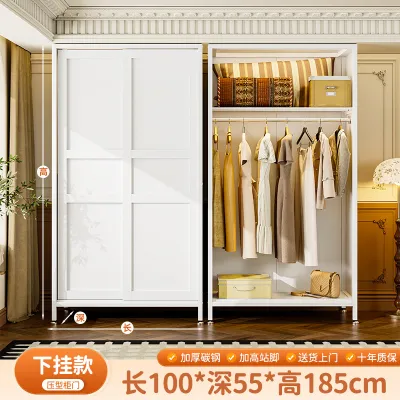
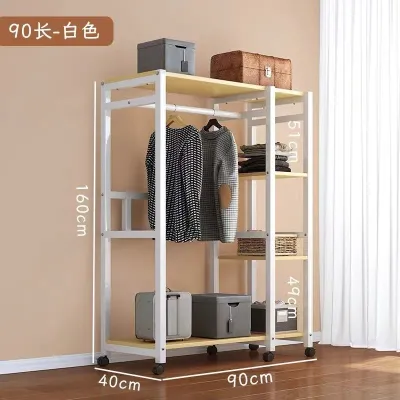

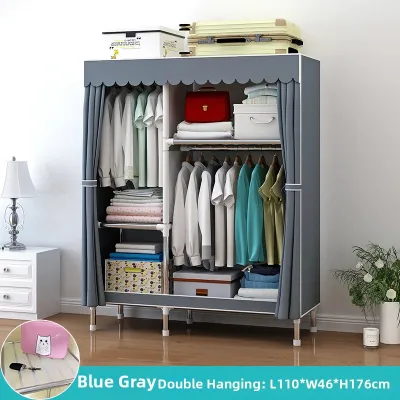
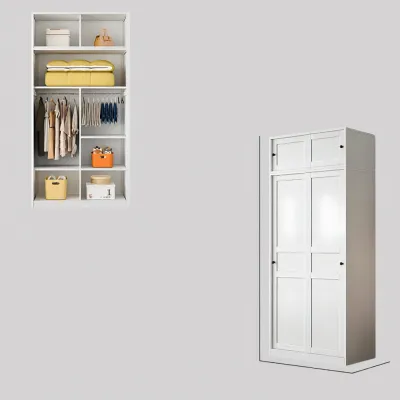
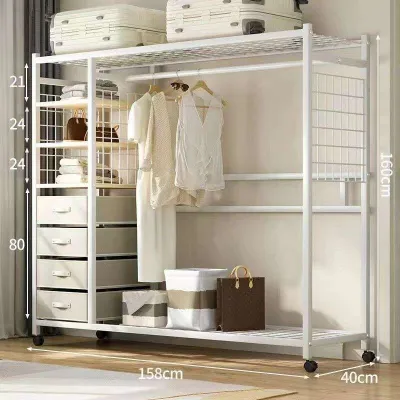
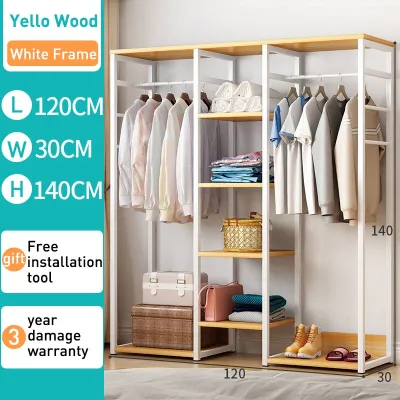
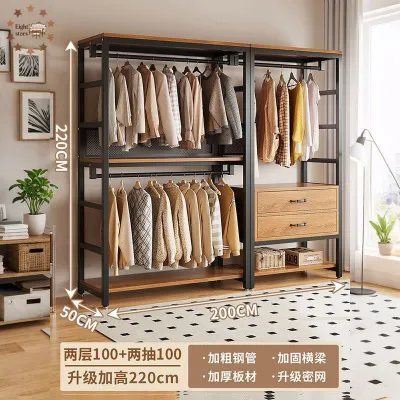
Prices are valid at publication and may change. Please refer to the product page for the latest price.
However, incorporating metal furniture into your home requires weighing several practical trade-offs. Steel cabinets are inherently heavy, making them difficult to relocate once assembled. The acoustic profile of metal is also distinct; closing doors, sliding drawers, or placing hangers on metal rods can generate metallic sounds. While modern designs incorporate rubber dampeners, soft-close hinges, and magnetic latches to minimize noise, the tactile and auditory experience differs significantly from wood. Additionally, metal wardrobes offer limited aesthetic customization, typically featuring industrial, minimalist, or utilitarian designs that may not seamlessly align with warm, traditional, or highly decorative interior themes.
Matching Metal Wardrobe Dimensions to HDB Bedroom Layouts
HDB bedroom layouts demand precise spatial planning to maintain comfortable walkways and functional furniture placement. A standard HDB common bedroom typically measures between 9 and 11 square meters, while master bedrooms generally range from 12 to 15 square meters. To maximize this footprint, you must select a wardrobe width that accommodates your storage needs without encroaching on essential clearance zones. Standard widths of 120cm and 150cm are highly popular because they balance storage capacity with space efficiency, allowing for a queen-sized bed and bedside tables to coexist comfortably.

The choice between swing doors and sliding doors is a pivotal decision in tight HDB layouts. Swing doors require a minimum clearance of 50cm to 60cm in front of the wardrobe to open fully, which can severely restrict movement if the bed is positioned close to the cabinet. If your bedroom walkway is narrow, a metal wardrobe cabinet with sliding doors is the superior option, as the doors operate within the unit’s own footprint. However, sliding doors require a deeper overall cabinet frame to accommodate the track mechanism, which is an important dimension to verify before purchasing.
Before finalizing your purchase, compile a comprehensive measurement checklist of your bedroom’s physical features. Note the height and projection of skirting boards along the floor, as these can prevent a flat-backed wardrobe from sitting flush against the wall, leaving an awkward gap where dust can accumulate. Pay close attention to the placement of wall-mounted air-conditioning units, exposed copper trunking, and electrical conduits, which are common in HDB flats. Ensure the wardrobe height clears these obstructions and that the unit does not block access to light switches, power sockets, or window frames.
Finally, assess the internal layout of the metal wardrobe in relation to your specific clothing collection. Unlike custom timber carpentry, metal wardrobes rely on pre-drilled holes and modular inserts that offer less granular adjustability. If you have a large collection of long dresses, trench coats, or formal wear, verify that the hanging rods can be positioned to provide sufficient vertical clearance. Conversely, if your wardrobe consists primarily of folded garments, ensure the shelving configurations are deep and wide enough to prevent clothes from spilling over, and check if the shelves can support the weight of heavy winter wear or bedding.
How to Evaluate Metal Wardrobe Brands and Sellers in Singapore
When evaluating metal wardrobe brands and retailers in Singapore, material specifications and manufacturing quality must be your primary focus. Do not rely solely on the generic “metal” label; instead, inspect the manufacturer’s technical specifications for steel sheet thickness. High-quality residential metal cabinets typically utilize steel sheets with a thickness between 0.6mm and 0.8mm. Anything thinner than 0.5mm is highly susceptible to denting under daily impact and may warp under the weight of heavy storage.
The type of protective finish applied to the steel is equally crucial for long-term durability. Look for brands that utilize electrostatic powder coating rather than basic liquid paint. Powder coating involves spraying a dry plastic powder onto the metal surface, which is then cured under high heat to form a hard, continuous, and highly scratch-resistant barrier. Inspect the welded joints, seams, and interior corners of the wardrobe; these areas should be completely covered by the coating, with no exposed raw metal or sharp, unfinished edges that could snag delicate fabrics or cause physical injury.
Given the weight and structural complexity of metal wardrobes, local service and professional support are invaluable. Seek out brands or local furniture distributors that maintain physical showrooms in Singapore, particularly in established industrial hubs like Ubi, Defu Lane, or Toh Guan. Visiting a showroom allows you to physically test the smoothness of the drawer runners, the stability of the frame, and the overall rigidity of the doors. Furthermore, ensure the retailer provides professional delivery and on-site assembly services, as leveling and securing a heavy steel cabinet requires specialized tools and expertise that are difficult to replicate in a self-assembly scenario.
A robust warranty is a strong indicator of a brand’s confidence in its product’s longevity. Review the warranty terms carefully to understand what is covered and for how long. A reliable manufacturer should offer a warranty of at least 1 to 5 years covering structural warping, welding failures, and hardware malfunctions such as track alignment issues or hinge failures. Ensure you understand the process for filing a claim and whether the warranty covers rusting under normal indoor humidity conditions, which is a critical consideration in Singapore’s climate.
When choosing your purchasing channel, weigh the trade-offs between official brand stores, specialized local furniture showrooms, and general online marketplaces. Official brand stores and specialized local showrooms typically offer the highest level of customer service, reliable warranties, and professional installation teams. E-commerce platforms and online marketplaces may present lower upfront prices, but they often leave assembly to the buyer, offer limited return policies, and may not provide verified information regarding steel thickness or coating standards. If purchasing online, always read customer reviews carefully to assess delivery reliability and the condition of the goods upon arrival.
Comparing Metal, Wood, and Laminate Wardrobes for HDB Homes
To validate your decision to purchase a metal wardrobe cabinet, it is helpful to contrast its performance characteristics with traditional wood and laminate alternatives. In terms of durability and maintenance, metal is the clear winner in Singapore’s humid climate. While particleboard and MDF wardrobes are highly prone to moisture absorption, swelling, and eventual structural degradation, metal remains completely stable. Solid wood wardrobes are highly durable but require regular polishing, termite treatments, and a controlled environment to prevent the wood from expanding and contracting with seasonal humidity shifts.
Impact resistance presents a different set of physical characteristics across these materials. While high-quality steel does not crack or split, thin-gauge metal sheets can dent if subjected to a sharp, heavy impact. Once a metal panel is dented, restoring its perfectly flat surface is extremely difficult. In contrast, solid wood and high-pressure laminates are highly resilient against minor impacts and do not dent easily, though severe impacts can chip the decorative laminate surface or gouge the wood grain, requiring specialized wood fillers or refinishing to repair.
From a cost-to-lifespan perspective, metal wardrobes occupy a highly competitive middle ground. Basic laminate flat-pack wardrobes are cheap initially, but they often require replacement within a few years due to sagging shelves, peeling edges, or mold infestations. High-end solid wood or custom-built carpentry offers exceptional longevity and can be tailored to fit your space perfectly, but the upfront cost is significantly higher. A well-constructed metal wardrobe cabinet requires a moderate initial investment but offers an exceptionally long lifespan, making it a highly cost-effective choice over the long term.
Aesthetics and interior integration remain the primary areas where wood and laminate excel. Custom laminate carpentry allows for seamless, floor-to-ceiling integration that maximizes every square inch of vertical space, creating a clean, built-in appearance. Wood grain textures also introduce a sense of warmth and natural beauty that metal cannot replicate. Metal wardrobes, with their clean lines and industrial heritage, provide a distinct minimalist, modern, or loft-like aesthetic. While they can look incredibly stylish in contemporary homes, they may feel out of place in interiors designed around soft, traditional, or rustic themes.
Installation Prep and Daily Care for Metal Cabinets
Proper installation preparation is essential to ensure the stability and safety of your metal wardrobe cabinet. HDB bedroom floors, especially in older estates, are rarely perfectly level. Because metal frames are rigid, placing a heavy wardrobe on an uneven floor can cause the cabinet to wobble, put uneven stress on the joints, and cause sliding doors to jam or slide open spontaneously. Before assembling or positioning the wardrobe, use a spirit level to assess the floor’s evenness. If necessary, place durable, non-slip plastic or rubber shims under the cabinet’s feet to achieve a perfectly level and stable foundation.
Safety must be a primary consideration during installation, particularly for tall, narrow metal wardrobes. Because these units can become top-heavy when loaded with clothing and storage boxes, they pose a potential tip-over hazard. It is highly recommended to anchor the wardrobe securely to the wall using the manufacturer’s supplied anti-tip hardware. If you are installing the unit in a household with young children or active pets, this step is absolutely essential. Ensure you use high-quality wall plugs and screws that are appropriate for your specific HDB wall type, whether it is solid concrete or a drywall partition.
Maintaining your metal wardrobe cabinet is straightforward, but it requires adhering to specific care instructions to preserve the protective powder coating. For routine cleaning, wipe the surfaces down using a soft microfiber cloth dampened with warm water and a mild, pH-neutral detergent. Never use abrasive scrubbing sponges, steel wool, or harsh chemical solvents such as bleach, acetone, or ammonia. These abrasive materials and chemicals can scratch, dull, or strip the protective coating, exposing the raw steel underneath to oxygen and moisture, which will eventually lead to rust. Always consult the manufacturer’s specific care instructions and product labels before applying any cleaning agents or attempting structural modifications.
Finally, managing condensation is crucial for preventing localized moisture buildup on metal surfaces. In air-conditioned HDB bedrooms, the rapid cooling of the room can cause moisture in the air to condense on cold metal panels. Ensure your bedroom has adequate ventilation by opening windows during the day, and use a dry microfiber cloth to wipe away any visible condensation promptly. Additionally, avoid placing the wardrobe directly against damp external walls; maintain a small gap of at least 2cm to 5cm between the back of the cabinet and the wall to promote healthy airflow and prevent moisture trapping.
Frequently Asked Questions (FAQ)
Do metal wardrobes rust in Singapore's humid climate?
Modern metal wardrobes designed for residential use are highly resistant to rust, provided they have been treated with a high-quality electrostatic powder coating or galvanization process. These manufacturing treatments create a continuous, impermeable barrier that prevents moisture and oxygen from reaching the underlying steel. To maintain this resistance, you must ensure the protective coating remains undamaged. Avoid using abrasive cleaners, wipe down any surface condensation that forms when using air conditioning, and maintain a small gap between the wardrobe and the wall to prevent moisture from trapping in unventilated spaces.
Can I customize the internal layout of a metal wardrobe?
Unlike custom wooden carpentry, metal wardrobes are manufactured in fixed dimensions and do not allow for structural alterations to the main frame. However, many modular metal wardrobe brands offer a high degree of internal adjustability through pre-drilled interior tracking systems. You can easily customize the storage layout by adjusting the height of the shelves, adding or removing hanging rods, and incorporating modular accessories such as pull-out wire baskets, trouser racks, or drawer units designed specifically for that brand’s system. Always verify the compatibility of these accessories with the manufacturer before purchasing.
Community discussion
Share your experience or ask a question. Comments are reviewed before publication.