
Selecting the perfect seating for your kitchen island or home bar involves balancing aesthetics and physical comfort. When choosing a stool, metal options provide exceptional structural integrity and design versatility, making them a popular choice for modern residences. However, a mismatch between your seating and your overall interior design can disrupt the visual flow of your home. Aligning your stool’s design with your existing cabinetry, flooring, and lighting is essential to creating a cohesive, intentional space.
To narrow down your options, take a moment to evaluate your current interior aesthetic. Look at your kitchen or dining area and identify the dominant textures: are they raw and textured like concrete and brick, or polished and smooth like quartz and high-gloss laminate? Next, consider your color palette: is it monochromatic and neutral, or does it feature bold, warm, or pastel tones? Finally, evaluate the spatial vibe: is your room highly utilitarian and functional, or is it soft, cozy, and filled with natural light? Answering these questions will point you directly to the design category that best matches your home.
Measure Your Space: Height, Width, and Clearance
Before committing to a specific design, accurate physical measurements are critical to prevent ergonomic discomfort and avoid the hassle of returns. The most common mistake is confusing counter height with bar height. Standard kitchen counters in modern apartments typically stand around 90 cm high, requiring a stool with a seat height of approximately 60 to 65 cm. In contrast, dedicated home bars or high counters usually measure around 105 cm in height, which demands a taller seat height of 75 to 80 cm. To ensure comfortable seating, always aim to leave 25 to 30 cm of clearance between the top of the stool seat and the underside of the counter.
Products mentioned in this guide
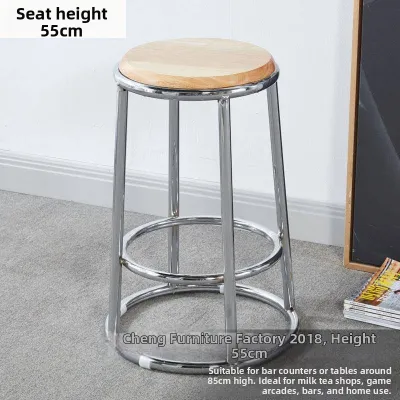
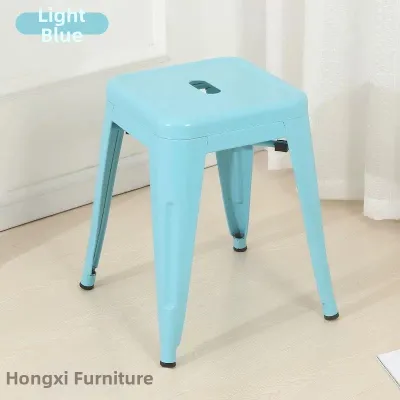
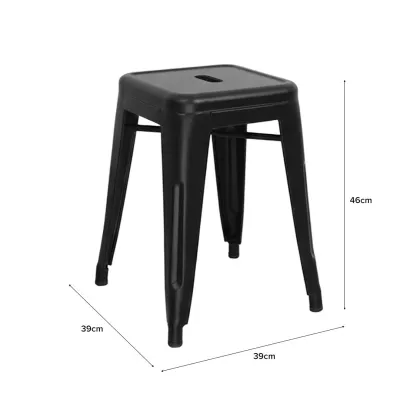
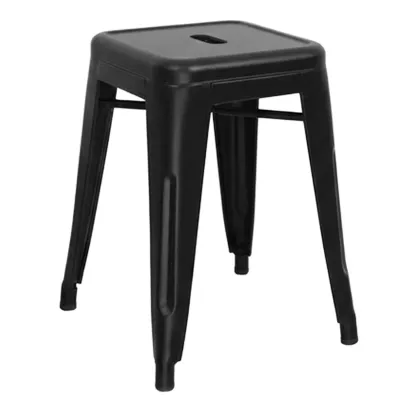
Prices are valid at publication and may change. Please refer to the product page for the latest price.
Calculating the width and spacing of your seating is equally vital to prevent a cramped dining experience. To determine how many stools can comfortably fit along your counter, measure the total usable length of the island or bar. Allocate roughly 60 to 70 cm of horizontal counter width per stool. This spacing ensures that guests have adequate elbow room and can mount or dismount their seats without colliding. For stools with swivel mechanisms or wider armrests, lean toward the upper end of this range to maintain optimal comfort.
Do not forget to assess the surrounding traffic patterns. In compact open-plan layouts, a stool that juts out too far can block essential walkways, obstruct pull-out drawers, or interfere with nearby cabinet doors. Measure the clearance behind the stools when they are in use; you should ideally maintain at least 90 cm of open space behind the seating to allow people to walk past comfortably. Additionally, verify the base width of the stool and the placement of its footrests. A stool with an overly wide flared base might occupy more floor space than expected, creating a tripping hazard, while poorly positioned footrests can compromise seating stability and ergonomic support.
Match Your Decor: 4 Metal Bar Stool Styles
Once you have established your space’s physical dimensions, you can focus on aesthetic integration. Metal is a highly adaptable material that can be molded, welded, and finished to suit almost any design movement. By understanding the distinct visual traits, ideal pairings, and maintenance requirements of the four primary design styles, you can select a stool that enhances your home’s character.

Industrial Metal Bar Stools
Industrial design celebrates the raw, unrefined beauty of utilitarian spaces. When selecting an industrial stool, metal finishes are typically characterized by exposed hardware, visible welds, and distressed or matte surfaces. These stools often combine heavy-duty metal frames with rustic mixed materials, such as reclaimed wood seats or distressed leather upholstery. Color palettes lean heavily toward dark, moody tones, including gunmetal grey, matte black, textured bronze, and weathered iron.
This style is an exceptional match for loft-style apartments, homes with exposed brick or concrete feature walls, and open-plan kitchens with an edgy, unfinished aesthetic. It pairs beautifully with track lighting, open shelving, and concrete or stainless steel countertops. The rugged nature of industrial seating adds immediate texture and visual weight to a room, making it a great anchor for minimalist or rustic spaces alike.
However, industrial designs require careful practical inspection before purchase. Raw or distressed metal edges can sometimes be sharp or abrasive, posing a risk to delicate clothing or young children. Furthermore, some distressed finishes are susceptible to oxidation if left unsealed. It is crucial to check the manufacturer’s care instructions to confirm if the metal has been treated with a protective clear coat or if it requires periodic waxing or oiling to prevent rust. If the stool features reclaimed wood, ensure the surface is smooth enough to prevent splinters while retaining its rustic charm.
Modern Minimalist Metal Bar Stools
Modern minimalist design is defined by simplicity, precision, and the elimination of unnecessary ornamentation. A minimalist stool metal frame prioritizes clean geometric lines, seamless welds, and incredibly slim profiles that create a sense of visual lightness. Hidden joints and integrated footrests are common, resulting in a sleek, fluid silhouette. The color scheme is strictly curated, focusing on monochromatic options such as pure white, deep black, brushed stainless steel, or polished chrome.
These stools are the perfect complement to sleek, contemporary kitchens featuring handleless cabinetry, flat-panel doors, and seamless quartz or marble countertops. Because they occupy minimal visual volume, they are highly effective in smaller spaces where you want to maintain an open, uncluttered feel. They allow the architectural lines of your kitchen island to remain the focal point while providing functional seating.
While visually striking, minimalist designs come with specific trade-offs. The ultra-slim profiles and low-profile backs may offer limited lumbar support, making them less suitable for long, multi-course dining. Additionally, highly polished surfaces like brushed steel or high-gloss chrome are notorious for showing fingerprints, smudges, and water spots. To keep them looking pristine, check the product label for recommended cleaning methods; typically, a soft microfiber cloth and a mild glass cleaner are preferred, while abrasive sponges or harsh chemical solvents must be avoided to prevent micro-scratches.
Vintage and Retro Metal Bar Stools
Vintage and retro designs bring a sense of nostalgia, warmth, and personality to contemporary interiors. These stools often feature curved backrests, tubular steel frames, and classic diner-style details like vinyl-padded swivel seats. Unlike the neutral tones of industrial or minimalist styles, retro seating frequently embraces bold, powder-coated pastel shades—such as mint green, duck-egg blue, or pale yellow—or vibrant primary colors like cherry red and mustard yellow.
This style serves as an excellent statement piece in eclectic homes, mid-century modern spaces, or neutral kitchens that need a pop of color and character. A set of colorful retro stools can instantly soften a stark white kitchen, adding a playful, welcoming energy. They pair wonderfully with pendant lighting, patterned backsplash tiles, and warm wood accents.
Before purchasing, pay close attention to the quality of the protective coatings. Powder-coated finishes are highly durable but can chip if struck sharply by heavy cast-iron pots, metal belt buckles, or vacuum cleaners. Verify the coating thickness or finish quality in the product specifications. For maintenance, stick to gentle, non-chemical soapy water solutions; harsh abrasive cleaners can dull the vibrant colors and degrade the protective powder layer over time.
Scandinavian-Style Metal Bar Stools
Scandinavian design is world-renowned for its focus on functionality, light, and organic warmth. To adapt metal to this cozy aesthetic, designers soften the material’s inherent coldness by combining light-colored metal frames with natural, tactile materials. You will often see slim metal legs finished in soft white, light grey, or muted beige, topped with seats made of light oak, molded plywood, woven paper cord, or soft neutral fabrics.
These stools are tailor-made for bright, airy kitchens, Scandinavian-inspired interiors, and spaces that prioritize natural light and “hygge” comfort. They pair harmoniously with light wood cabinetry, white stone countertops, and indoor greenery. The combination of clean metal lines and warm organic seats creates a balanced, inviting look that makes the kitchen island feel like the heart of the home.
On a practical level, light-colored metal frames are more prone to showing dark scuffs from shoes, which requires regular wiping with a damp cloth. Furthermore, the mixed-material seats demand extra care. Unsealed wood or woven paper cord can easily absorb liquid spills, leading to permanent staining or warping, and prolonged exposure to direct sunlight through large windows can cause the natural wood to fade or crack. Always check the manufacturer’s care guide to ensure the wood components are pre-sealed with a water-resistant polyurethane or oil finish, and clean spills immediately with a dry cloth.
Compare the 4 Styles at a Glance
To help you quickly diagnose these options and determine which style aligns best with your home, we have summarized the core characteristics of each metal bar stool design below.
| Style | Key Visual Traits | Best Decor Match | Maintenance Focus | Ideal Space Size |
|---|---|---|---|---|
| Industrial | Exposed hardware, matte/distressed finishes, dark tones, mixed wood/metal | Loft-style, exposed brick, concrete floors, open-plan kitchens | Checking metal seals, periodic waxing/oiling, cleaning rustic wood | Medium to large, open-plan layouts |
| Modern Minimalist | Clean geometric lines, seamless welds, slim profiles, monochromatic colors | Contemporary kitchens, handleless cabinets, minimalist spaces | Wiping fingerprints/smudges, avoiding abrasive cleaning tools | Small to medium, compact spaces |
| Vintage & Retro | Curved backrests, powder-coated pastels/bold colors, tubular steel frames | Mid-century modern, eclectic homes, neutral kitchen accent pieces | Preventing chips in powder coating, using gentle non-chemical cleaners | Variable, works well as a focal point |
| Scandinavian | Light-colored frames, natural wood or woven seats, soft organic warmth | Bright, airy kitchens, light wood cabinetry, hygge-focused spaces | Protecting wood/woven seats from spills, wiping scuffs off light metal | Small to large, light-filled rooms |
Space and Climate Checks for Singapore Homes
When shopping for furniture in Singapore, local housing layouts and environmental conditions introduce unique practical considerations. Most Singaporeans reside in HDB flats or condominiums, where kitchen and dining spaces are often integrated or compact. In these layouts, maintaining clear walkways is essential. Opting for stackable, backless, or visually lightweight metal stools allows you to tuck them completely under the island counter when not in use, preserving precious floor space and ensuring smooth traffic flow through the kitchen.
Singapore’s tropical climate, characterized by high humidity and ambient salt air, is another critical factor to keep in mind. While solid metal is inherently sturdy, high moisture levels can accelerate rust on uncoated iron components or degrade the adhesive joints of mixed-material stools, such as wood seats mounted on metal frames. To ensure longevity, always verify the manufacturer’s material specifications on the product label. Look for stools featuring rust-resistant treatments, high-quality powder coatings, or stainless steel hardware rather than assuming all metal furniture is automatically humidity-proof.
Finally, do not overlook the logistics of delivery and assembly. Many Singapore apartments feature narrow doorways, tight corridors, and standard-sized passenger lifts. If you are purchasing bulky, pre-assembled metal stools, measure your lift doors and stairwell widths beforehand to ensure the delivery team can safely transport them to your unit. For flat-packed options, check whether specific assembly tools are required for the metal joints or if the package includes all necessary hex keys and bolts to secure a stable, wobble-free setup.
Frequently Asked Questions (FAQ)
How do I stop metal bar stools from scratching my tile or vinyl flooring?
To protect your flooring from scratches and gouges, start by inspecting the bottom of the stool legs for factory-installed floor glides or plastic caps. If these are missing, worn down, or made of hard plastic that could still scratch vinyl, you should install aftermarket protectors. Choose high-quality felt pads, silicone leg caps, or wrap-around sleeve protectors that match the exact diameter of your stool’s legs. Regularly clean the bottom of these protectors, as trapped grit and dust can act like sandpaper over time. Additionally, consult your flooring manufacturer’s care guidelines to verify which protector materials are safest for your specific tile, laminate, or vinyl finish.
Are backless metal bar stools comfortable for long meals?
Backless metal stools are primarily designed for space-saving efficiency, allowing them to slide completely under counters to keep walkways clear. Because they lack lumbar support, they are best suited for short-duration activities such as quick breakfasts, meal preparation, or casual drinks rather than extended multi-course dining. If you plan to use your counter as a primary dining area or home workspace, look for stools that feature ergonomically contoured seats, padded cushions, or well-positioned footrests. These features help distribute your body weight more evenly and reduce fatigue during longer periods of sitting.
Community discussion
Share your experience or ask a question. Comments are reviewed before publication.