
Matching a metal bar stool to your home interior requires evaluating your existing design theme, measuring spatial clearances, and selecting a metal finish that balances your room’s color palette. Metal stools are highly versatile, but their visual weight, silhouette, and surface treatment must align with your cabinetry, lighting, and flooring to create a cohesive look. By understanding how different styles interact with your space, you can select seating that is both highly functional and visually integrated.
Selecting the right stool involves more than just picking an attractive design. You must consider how the material properties of metal—such as its reflectivity, texture, and color—interact with the surrounding environment. A well-chosen metal stool can ground a bright, airy kitchen or add a touch of modern sophistication to a dark, cozy dining nook. Conversely, an mismatched style can disrupt the visual flow of your home, making the seating area feel cluttered or out of place.
How to Assess Your Space and Existing Decor
Before browsing specific stool designs, take a close look at the dominant design theme of your kitchen, dining, or living area. If your space features clean lines, handleless cabinets, and integrated appliances, it leans toward a modern or minimalist aesthetic. If you have open shelving, exposed pipes, or textured brickwork, your home is better suited for industrial elements. Identifying this baseline helps narrow down your choices and ensures your new seating complements, rather than clashes with, your existing decor.
Products mentioned in this guide
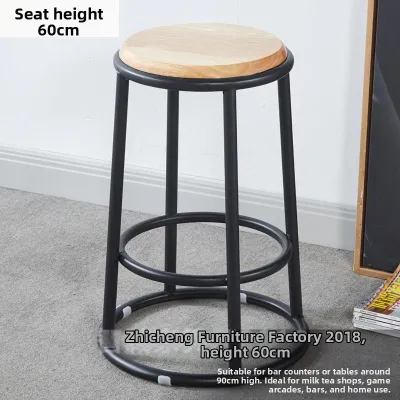
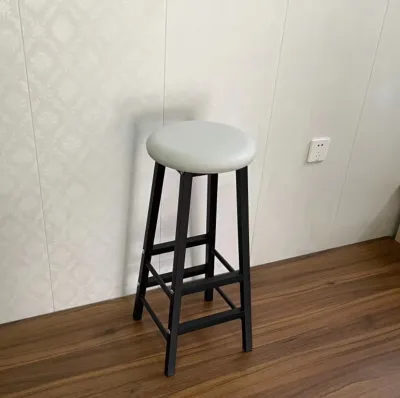
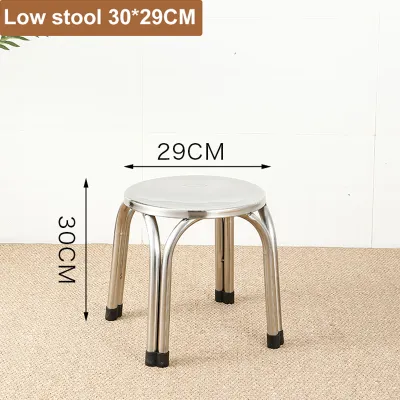
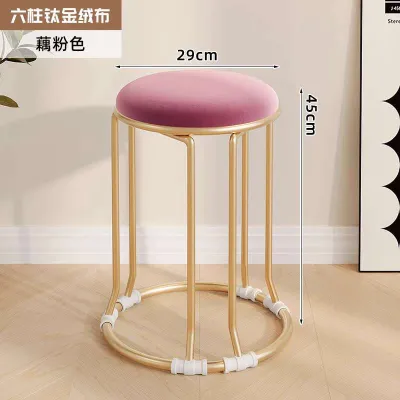
Prices are valid at publication and may change. Please refer to the product page for the latest price.
Next, observe the existing metal finishes, wood tones, and color palettes in the room. Look at your cabinet handles, pendant lights, kitchen tapware, and major appliances. If your kitchen is dominated by cool stainless steel, introducing a warm, brushed brass metal stool can create an appealing contrast, whereas a matte black stool might offer a bold, graphic anchor. Take note of the undertones in your flooring and countertops as well, as these surfaces will directly frame your new stools.
Accurate physical measurements are essential before making any purchase. Measure the height of your counter or island from the floor to the underside of the counter surface. This measurement determines the required seat height, ensuring comfortable legroom clearance. Additionally, consider the practicalities of delivery and installation. In high-rise apartments or condominiums, verify that the fully assembled dimensions of the stools can easily clear lift doors, narrow entryways, and tight hallway corners.
Popular Metal Bar Stool Styles Explained
Matching stool silhouettes and finishes to your room’s overarching design language creates a sense of intentionality. The lines of a stool—whether they are sharp and geometric or soft and curved—greatly influence how the piece is perceived. Similarly, the finish of the metal plays a major role in determining its visual weight. Polished surfaces reflect light and draw attention, while matte or distressed finishes tend to absorb light and blend more quietly into the background.

Different metal treatments also affect how warm or cool a room feels. A powder-coated finish in a soft pastel or neutral white can make a metal stool feel light and approachable, while a raw, blackened steel finish conveys strength and utility. Understanding these subtle design cues allows you to select a style that reinforces the specific mood you want to establish in your dining or bar area.
Industrial and Rustic Styles
Industrial and rustic metal stools are defined by their raw, utilitarian look and robust construction. Key features often include exposed hardware, visible welds, distressed finishes, and raw metal textures. These stools frequently incorporate reclaimed wood or distressed leather seats, emphasizing a rugged, time-worn aesthetic that celebrates imperfection and structural honesty.
This style pairs exceptionally well with homes featuring exposed concrete screed floors, brick accent walls, or heavy timber countertops. The dark, textured metal frames ground the space and add visual depth to open-plan layouts. When styling these stools, look for opportunities to connect them with other industrial elements in the room, such as matte black track lighting or steel-framed glass doors.
In high-traffic homes or households with young children, safety is a primary consideration. Inspect industrial stools carefully for sharp edges, rough welds, or exposed bolts that could snag clothing or cause minor injuries. Ensure the manufacturer has applied a smooth, clear protective coat over any distressed or raw metal surfaces to prevent snagging while maintaining the desired rustic appearance.
Modern and Contemporary Styles
Modern and contemporary metal stools are characterized by their sleek, minimalist profiles and clean lines. These designs often feature geometric shapes, slender frames, and highly polished or ultra-matte finishes. The focus is on simplicity and sophistication, with unnecessary ornamentation stripped away to highlight the purity of the stool’s form.
These stools are highly suitable for streamlined, uncluttered kitchens and open-plan living spaces. A polished chrome or brushed stainless steel stool can mirror the clean surfaces of modern appliances and quartz countertops, creating a seamless, high-end look. Because of their airy profiles, modern metal stools are excellent for smaller spaces, as they allow light to pass through and keep the room feeling spacious.
When choosing sleek, contemporary designs, it is important to verify the base stability and weight distribution. Stools with single-stem pedestal bases or very thin, tapered legs must be engineered correctly to prevent tipping. This is especially crucial on smooth, hard floors like polished marble or large-format porcelain tiles, where a lack of grip or an uneven base can compromise safety.
Scandinavian and Minimalist Styles
Scandinavian and minimalist metal stools emphasize light, functional design and understated elegance. These styles frequently feature powder-coated light metals in shades of white, soft grey, or muted earth tones. To soften the coldness of the metal, designers often mix these frames with natural wood seats, such as light oak or ash, or ergonomically molded plastic seats.
The core philosophy behind this style is a focus on ergonomics, subtle curves, and uncluttered visuals. The stools are designed to be highly functional and comfortable without dominating the room visually. They work beautifully in bright, sunlit kitchens with light wood cabinetry, white countertops, and natural stone textures, contributing to a warm, inviting atmosphere.
Because Scandinavian designs often utilize very slim, lightweight metal frames to maintain their delicate aesthetic, structural integrity is key. Always check the manufacturer’s stated weight capacity to ensure the stools are robust enough for everyday use. Look for reinforced joints where the legs meet the seat, ensuring the minimalist design does not compromise long-term durability.
Mid-Century Modern and Retro Styles
Mid-Century Modern and retro metal stools bring a nostalgic yet highly functional design element to contemporary homes. This style is easily recognized by its tapered metal legs, often finished with brass or gold-toned caps, curved backrests, and hairpin leg designs. These stools frequently feature bold accent colors, such as mustard yellow, olive green, or teal, or classic black-and-gold combinations.
These pieces are excellent for blending with vintage, eclectic, or transitional decor. They add character and a sense of history to a space without feeling outdated, especially when paired with warm walnut wood cabinets or retro-inspired pendant lighting. The playful yet structured silhouettes of mid-century stools make them an instant conversation starter at any kitchen island.
Over time, the angled joints and tapered legs characteristic of retro designs can experience significant leverage and stress. It is important to inspect the joint integrity and connection points regularly. Look for high-quality welding or robust screw connections where the legs attach to the main frame, ensuring the stool remains stable and secure through years of daily use.
Essential Sizing and Safety Checks Before Purchase
To ensure your metal bar stools are comfortable and safe, you must calculate the correct seat height relative to your counter. As a general rule, allow 25 to 30 cm of clearance between the top of the stool seat and the underside of the counter. For a standard kitchen island counter height of approximately 90 cm, look for counter-height stools with a seat height of 60 to 65 cm. For a taller bar counter of around 105 cm, select bar-height stools with a seat height of 75 to 80 cm.
Beyond height, you must verify the footprint and base width of the stools to ensure they fit comfortably within your designated space. Measure the length of your counter overhang and calculate how many stools can fit while leaving at least 15 cm of space between each seat. This spacing allows users to turn, sit, and stand up comfortably without bumping into one another. Additionally, ensure the stools can be tucked fully under the counter overhang when not in use to keep walkways clear.
Structural stability is paramount, particularly for backless, swivel, or single-pedestal models. Check the manufacturer’s specifications for maximum load capacity and look for designs with a wide, weighted base that lowers the center of gravity. If you choose a swivel stool, ensure the mechanism operates smoothly and does not cause the stool to wobble or tilt when in motion.
Finally, inspect the floor protection features on the bottom of the stool legs. Metal legs can easily scratch, dent, or scuff delicate flooring materials such as vinyl, engineered timber, or polished marble. Ensure the stools come equipped with high-quality rubber caps, felt pads, or durable plastic glides. If the included glides are not suitable for your specific flooring type, plan to purchase compatible aftermarket floor protectors before assembling the stools.
Tips for Mixing Metals and Materials
Successfully integrating metal stools into a space with existing finishes requires a thoughtful approach to mixing materials. You do not need to match every metal finish in your kitchen perfectly; in fact, mixing metals can add depth and character to your design. The key is to balance warm metal tones, like brass, copper, and gold, with cool metal tones, such as chrome, nickel, and stainless steel, to prevent the space from feeling too sterile or overly busy.
To maintain a cohesive look, apply a dominant and accent ratio across the room. For example, you might let cool stainless steel be the dominant metal (representing 60% to 70% of the metal surfaces, including appliances and sinks) and use a warm brushed brass on your bar stool frames and pendant lights as an accent (representing 30%). This structured approach ensures the mixed metals look intentional rather than accidental.
Combining metal frames with contrasting seat materials is another excellent way to add texture and warmth to your dining area. Consider pairing a sleek black metal frame with a rich leather, soft velvet, or woven textile seat. These materials not only soften the industrial edge of the metal but also significantly improve seating comfort, making your kitchen island a more inviting place for family and guests to gather.
Frequently Asked Questions (FAQ)
How do I prevent metal bar stools from rusting in a humid climate?
To prevent rust in humid environments, keep your metal stools away from direct water exposure, such as open windows during heavy rain, and wipe up any spills or condensation immediately with a dry microfiber cloth. When purchasing, check the manufacturer’s guidelines to ensure the stools are rated for indoor use and verify if they feature a protective, rust-resistant powder coating. Avoid using harsh chemical cleaners that can strip away protective clear coats, and only apply protective wax or metal polish if it is explicitly approved by the maker.
Are backless metal bar stools comfortable for long seating periods?
Backless metal bar stools are highly effective for short, casual seating periods, such as a quick morning coffee or a casual chat while cooking, and they excel at saving space because they tuck completely under the counter. However, they lack lumbar support, which makes them less suitable for extended meals, working from home, or long study sessions. If you choose a backless design, check the footrest placement carefully; a well-positioned footrest is essential to help relieve pressure on the thighs and maintain proper leg circulation during use.
Community discussion
Share your experience or ask a question. Comments are reviewed before publication.