
A good night’s sleep can make or break an outdoor adventure. When preparing for a night under the stars, your choice of gear determines how energized you will feel the next morning. The camping pillow is a critical but often overlooked component of this sleep system, serving as the primary support for your neck and head. Choosing the right one requires balancing the comfort of your home bed with the practical constraints of trail travel.
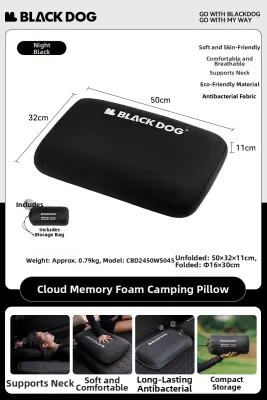
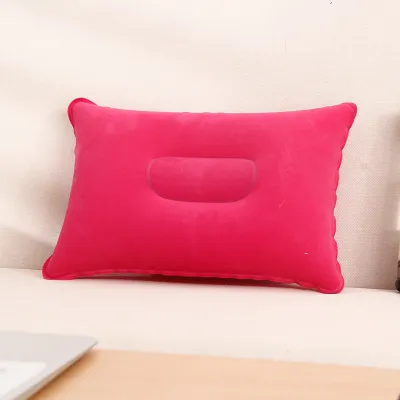
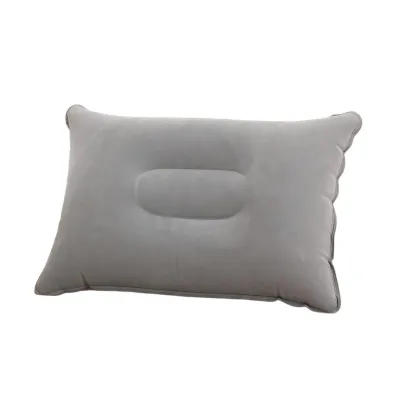
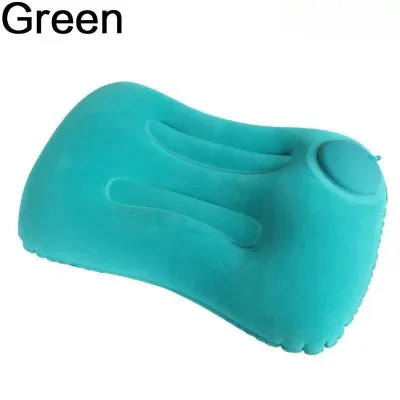
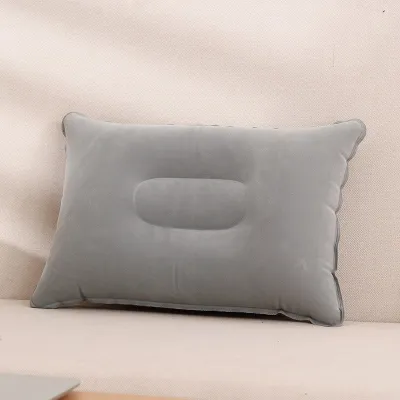
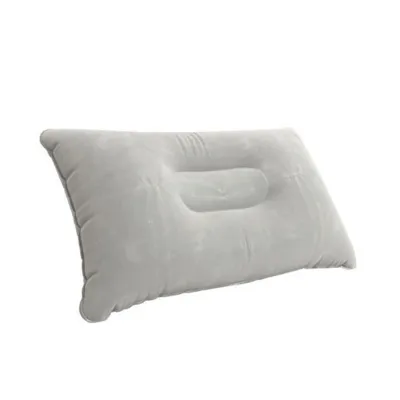
The core decision when selecting a camping pillow is balancing comfort and familiarity against weight and packability. Memory foam pillows offer excellent support and a familiar feel but are bulky and heavy. Inflatable pillows are incredibly lightweight and pack down to the size of a lime, but they can feel bouncy or noisy. Compressible pillows, filled with down or synthetic fibers, offer a middle ground with a soft, traditional feel and moderate packability.
To make a quick decision, align your choice with your camping style. Choose a memory foam pillow if you prioritize consistent neck support, are car camping, and do not mind extra gear bulk. Opt for an inflatable pillow if you are backpacking, need to minimize pack volume, and prefer adjustable loft. Select a compressible pillow if you want a soft, bed-like feel and have moderate space in your pack.
Products mentioned in this guide
![[SG FREE 🚚] Portable Inflatable Flocking PVC Pillow Camping Sleeping Air Pillow For Travel Outdoor Hiking Flight Foldable Head Rest Pillow](https://img.lazcdn.com/g/p/7c7e8dccc27170ad66771c8abe66593c.jpg_400x400q80.jpg_.webp)
![[SG Local Stock]U-Shaped Hooded Memory Foam Neck PillowFoldable Portable Travel Support Airplane Sleeping With Bag](https://img.lazcdn.com/g/p/2729aeb745041616a8bfff95bb4045f8.png_400x400q80.png_.webp)
Prices are valid at publication and may change. Please refer to the product page for the latest price.
For campers torn between these options, hybrid designs offer a compelling alternative. These models typically feature an inflatable air bladder at the core to provide adjustable height and structure, topped with a thin layer of memory foam or synthetic insulation to mimic the plush feel of a traditional home pillow. This combination attempts to deliver the packability of an inflatable with the surface comfort of a foam or filled pillow.
Comfort and Support: Evaluating Sleep Quality by Pillow Type
Memory foam camping pillows are highly regarded for their contouring properties, which allow the material to mold to the unique shape of your head and neck. This pressure-relieving support is highly consistent throughout the night, as the foam does not shift or require readjustment. However, memory foam is temperature-sensitive and can retain body heat, which might feel warm in humid or tropical environments. Additionally, high-density foam can become quite firm in cold temperatures, requiring body heat to soften it up before it becomes comfortable.
Inflatable pillows rely on air pressure for structural support, allowing you to customize the firmness and height by adding or releasing air through a valve. While highly adjustable, they can sometimes present a “bouncy” or unstable feel, particularly when fully inflated, as air shifts rapidly when you move your head. They also tend to lack edge support, which can cause your head to slide off during the night. Furthermore, the synthetic outer shells of inflatable pillows can create annoying squeaking or rustling noises when rubbed against sleeping bags or tent floors, potentially disrupting light sleepers.
Compressible pillows utilize loose down, feathers, or shredded synthetic fibers to create a soft, traditional loft. This construction provides a plush, cloud-like surface that closely mimics a standard household pillow. The primary drawback of compressible fill is its tendency to shift, clump, or flatten under the weight of your head over several hours. Campers who move frequently during sleep may find themselves waking up to fluff or reposition the pillow to restore its height and support.
To verify comfort features before purchasing, look beyond basic product descriptions. Check the denier (D) rating of the outer fabric; lower denier fabrics are thinner and can be noisier, while higher denier or brushed fabrics offer a quieter, softer feel. Look for pillows that feature brushed polyester, microfleece, or cotton-blend covers to minimize skin irritation and noise. Finally, inspect the manufacturer’s specifications for foam density or fill power to gauge the structural support and loft stability you can expect.
Packability and Weight: Managing Gear Space and Load
For ultralight backpackers, thru-hikers, and anyone managing strict weight budgets, inflatable pillows are the undisputed leaders. When deflated, these pillows compress into exceptionally small packages, often measuring no larger than a soda can or even a pack of cards. They typically weigh between 50 to 100 grams, making them virtually unnoticeable in a backpack. Their minimal volume allows them to slip easily into side pockets, lid compartments, or the smallest crevices of a stuffed pack.

Compressible pillows offer a middle-ground profile that balances comfort with manageable transport dimensions. These pillows are designed to roll or stuff into an integrated pocket or a separate stuff sack, compressing to about one-third of their fully expanded size. While they are significantly more packable than standard pillows, they still occupy a noticeable amount of space—often comparable to a small water bottle—and generally weigh between 200 to 400 grams depending on the fill material.
Memory foam pillows represent the heaviest and bulkiest end of the camping pillow spectrum. Because solid or shredded memory foam cannot be compressed as tightly as air or loose fibers, these pillows remain relatively large even when packed tightly. They can weigh anywhere from 300 to over 600 grams and occupy substantial space in a gear bag. Consequently, memory foam pillows are generally restricted to car camping, recreational vehicle (RV) travel, or basecamps where transport volume and weight are not primary concerns.
When evaluating packability, always check the “packed dimensions” and “trail weight” listed on product tags or manufacturer websites. Do not rely solely on photos of the expanded pillow, which can make a bulky foam pillow look deceptively compact. Compare the packed volume against the available space in your backpack, and ensure the weight aligns with your daily mileage goals if you plan to carry the gear over long distances.
Durability and Care: Maintaining Your Pillow in the Outdoors
Inflatable pillows are highly susceptible to punctures and tears from rough terrain, sharp twigs, pine needles, or abrasive tent floors. A single microscopic hole can render the pillow completely unusable for the rest of a trip. The valve mechanism is another critical point of failure; dirt, sand, or ice can compromise the seal, leading to slow leaks overnight. To ensure longevity, look for inflatable bladders made from thermoplastic polyurethane (TPU), which is significantly more flexible, durable, and crack-resistant over time than cheaper polyvinyl chloride (PVC) materials. Always carry a compatible repair patch kit on your trips.
Memory foam is highly sensitive to environmental moisture, humidity, and sweat. If a memory foam pillow becomes damp and is packed away without being thoroughly dried, it can quickly develop mold, mildew, and unpleasant odors. Cleaning these pillows requires care, as the solid or shredded foam core is rarely machine washable and can disintegrate under the agitation of a washing machine. Maintenance typically involves removing the outer cover for machine washing, while the foam core itself must be carefully spot-cleaned with a damp cloth and allowed to air dry completely out of direct sunlight.
Compressible pillows are generally robust, but their lifespan depends on seam strength and fill maintenance. Over time, frequent compression can cause synthetic fibers to clump or down feathers to lose their loft. Many compressible pillows are machine washable, which helps restore their original loft by cleaning away body oils and dirt. However, you must follow the manufacturer’s care label closely, using gentle cycles and low-heat drying cycles, often adding clean tennis balls to the dryer to break up clumps and restore fluffiness.
Before exposing any camping pillow to harsh outdoor conditions, read the manufacturer’s care labels and material specifications. Look for outer shells made from ripstop nylon or polyester with water-resistant coatings to protect the inner cushioning. Establish a routine of inspecting seams, valves, and fabric surfaces after every trip, and never store your pillows compressed or damp for extended periods.
Quick Comparison: Memory Foam vs Inflatable vs Compressible
| Feature | Memory Foam | Inflatable | Compressible |
|---|---|---|---|
| Best Camping Style | Car camping, RVs, basecamps | Backpacking, trekking, travel | Car camping, short hikes, travel |
| Relative Weight | Heavy (300g to 600g+) | Ultralight (50g to 100g) | Moderate (200g to 400g) |
| Packed Size | Bulky, difficult to compress | Extremely compact (soda can size) | Moderate (small water bottle size) |
| Support Type | Contouring, firm, consistent | Adjustable firmness, bouncy | Soft, plush, traditional |
| Maintenance Level | Medium (spot-clean foam, wash cover) | High (puncture risk, valve checks) | Low (often fully machine washable) |
Final Selection: Aligning Pillow Choice with Your Sleep Profile
Your sleeping position plays a vital role in determining the ideal pillow design. Side sleepers require a higher loft and firmer support to fill the gap between the ear and the shoulder, keeping the spine aligned. For these individuals, memory foam or fully inflated pillows with robust side baffles are highly recommended. Back and stomach sleepers, conversely, need a much lower loft to prevent their necks from being arched upward at an uncomfortable angle. Partially deflated inflatable pillows or thinner compressible pillows work best for these positions, as they allow for easy height reduction.
Consider the logistics of your journey before making a final purchase. If you are embarking on a multi-day trek where every gram counts, an inflatable pillow is almost always the correct choice, even if you find it slightly less comfortable than a foam model. For weekend car camping trips where your vehicle does the heavy lifting, do not compromise on comfort—bring a memory foam or large compressible pillow to maximize your sleep quality.
To avoid buyer’s remorse, run through a practical checklist before purchasing. Verify the retailer’s return policy, as sleep comfort is highly subjective and you may need to test the pillow at home first. Check whether the pillow comes with essential accessories, such as a dedicated stuff sack, compression straps, or a puncture repair kit. Finally, measure your sleeping bag’s hood and your sleeping pad’s width; ensure the expanded pillow fits securely inside the hood or matches the pad width so it does not slide off onto the tent floor during the night.
Frequently Asked Questions (FAQ)
Can I use my regular bed pillow for camping?
While you can technically bring a standard household pillow for car camping, it is generally not recommended for regular outdoor use. Standard pillows lack weather resistance, absorb moisture quickly from the night air, and are highly susceptible to dirt and stains. They are also extremely bulky, taking up valuable cargo space, and are difficult to clean thoroughly if they become soiled in a tent environment.
How do I fix a leaking inflatable camping pillow?
To repair a leak, first inflate the pillow fully and submerge it in a basin of water or wipe soapy water over the surface to locate the source of the leak; bubbles will form where air is escaping. Once identified, mark the spot and deflate the pillow completely. Clean and dry the area around the leak thoroughly, then apply a manufacturer-approved repair patch or flexible seam sealer according to the product’s specific instructions, allowing it to cure completely before reinflating.
Are camping pillows suitable for side sleepers?
Yes, side sleepers can sleep comfortably on camping pillows, provided they select a model with adequate loft and support. Side sleepers should avoid ultra-thin compressible pillows that flatten completely under weight. Instead, look for memory foam pillows or inflatable models with structured baffles that maintain a height of at least 8 to 10 centimeters, ensuring the head and neck remain properly aligned with the spine.
Community discussion
Share your experience or ask a question. Comments are reviewed before publication.