
Selecting a lift-up coffee table requires balancing aesthetics with mechanical reality. While standard coffee tables only need to look good sitting still, a lift-up model must function as a sleek centerpiece when closed and a stable, comfortable workstation or dining surface when raised. To find a style that integrates seamlessly into your living room, you must evaluate your existing interior theme, coordinate finishes, manage the visual impact of the lifting hardware, and ensure the table’s physical proportions match your space constraints.
By taking a systematic approach to matching materials, shapes, and mechanism designs, you can select a multi-functional table that enhances both the utility and the visual harmony of your home. Whether you are furnishing a compact apartment or a spacious open-plan living area, the right lift-up coffee table should feel like an intentional design choice rather than a compromise on style.
Define Your Living Room's Existing Interior Theme
Before browsing online marketplaces or visiting local showrooms, take a step back to analyze the established design language of your living room. A common mistake is selecting a coffee table solely for its individual appeal, only to find that its visual weight, color undertones, or silhouette clashes with the surrounding furniture. Start by observing the dominant lines in the room; are your existing pieces characterized by sharp, geometric angles, or do they feature soft, organic curves?
Products mentioned in this guide
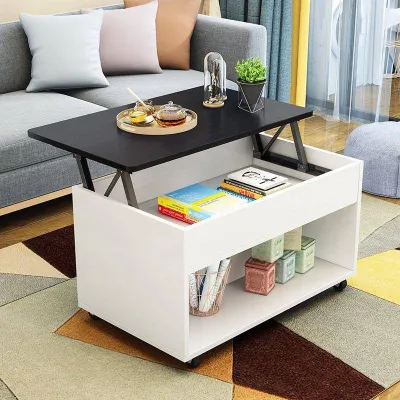
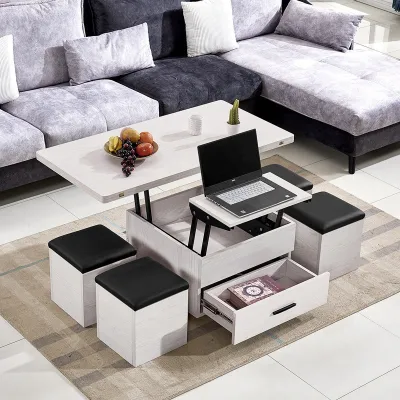

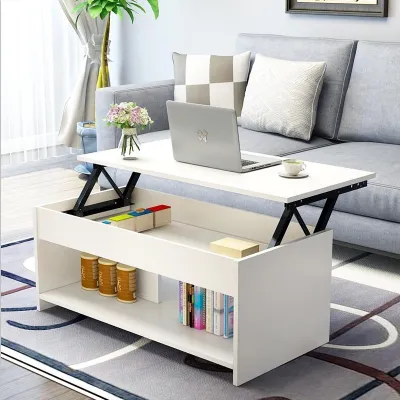
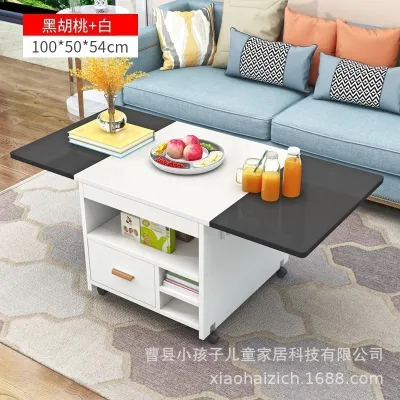
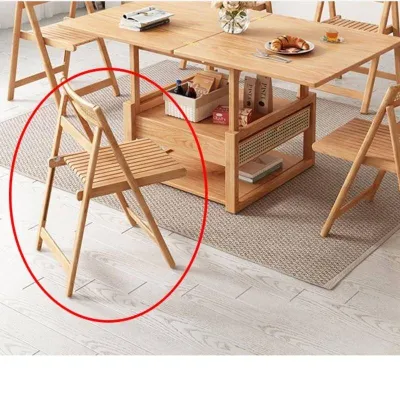
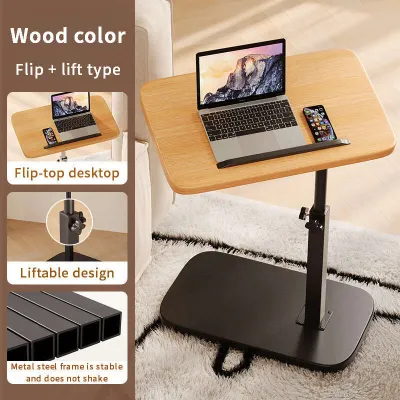
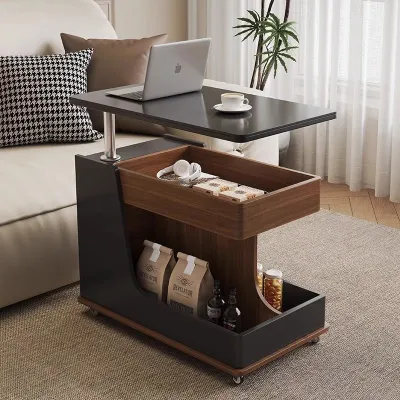
Prices are valid at publication and may change. Please refer to the product page for the latest price.
Next, evaluate the color palette and textures that define the space. Note the dominant tones of your walls, flooring, and large built-in elements like TV consoles or shelving units. If your room features cool-toned grey flooring and matte black accents, a warm, golden-oak coffee table with a highly visible rustic grain will likely feel out of place. Conversely, a ultra-modern high-gloss white table will look stark and cold in a room filled with warm linen upholstery and woven rattan textures.
Identify the true anchor pieces in your seating area, which are typically the sofa and the primary area rug. The coffee table sits in direct physical contact with these elements, meaning its scale and style must complement them. For instance, a low-profile, deep-seated sectional sofa requires a coffee table that maintains a similarly grounded presence, whereas a classic three-seater sofa elevated on slender wooden legs pairs better with a table that allows light to pass underneath.
Categorize your room’s overall theme into a broad design category to streamline your search. While you do not need to adhere strictly to a single style, identifying whether your space leans toward contemporary, rustic, eclectic, or traditional design helps filter out incompatible options. This baseline ensures that the multi-functional table you choose supports the existing visual narrative rather than disrupting it.
Pair Table Finishes and Materials with Popular Themes
The surface finish, base material, and visible grain pattern of a lift-up coffee table dictate its visual weight and style. A common pitfall is relying solely on generic material names like “oak” or “walnut” when shopping. A walnut table can be finished with a rough, wire-brushed texture for a rustic look, or it can be coated in a smooth, low-sheen matte lacquer for a mid-century modern aesthetic. Always read product descriptions carefully to identify the specific finish type and surface treatment.

Furthermore, do not assume a material name guarantees specific performance characteristics. A table labeled as solid wood is not automatically resistant to scratches or moisture from hot coffee cups. Instead, check the manufacturer’s care instructions and verify if the surface has been treated with a protective polyurethane sealant, water-resistant melamine, or a durable laminate coating. This is especially critical for lift-up tables, which frequently double as dining surfaces and work desks.
Modern and Minimalist Living Rooms
For sleek, uncluttered spaces, look for lift-up coffee tables with clean lines, low-sheen matte finishes, and neutral or monochromatic color palettes. In a minimalist setting, visual clutter must be kept to an absolute minimum, which makes hidden storage highly valuable. Seek out designs where the lift-up top panel aligns flush with the outer frame when closed, concealing the internal storage compartment entirely from view.
Avoid heavy ornamental details, carved wooden trim, or bulky hardware. Instead, prioritize tables with slim, powder-coated metal legs or a floating plinth base that creates a clean, architectural silhouette. If the table incorporates accent materials, opt for tinted glass inserts or subtle, brushed-chrome metal trim that complements the monochromatic scheme without adding unnecessary visual weight.
Industrial and Urban Loft Spaces
Industrial interiors thrive on raw, unpolished textures and utilitarian design elements. For these spaces, look for lift-up coffee tables that feature distressed wood-look finishes, prominent grain patterns, and dark, heavy metal frames. The juxtaposition of warm, textured wood surfaces against cold, structured metal elements perfectly captures the urban loft aesthetic.
Unlike other design themes that seek to hide the mechanical nature of a lift-up table, industrial spaces allow you to embrace the hardware. Look for tables where the black iron lift brackets, exposed rivets, or steel support beams are visible when the table is closed or extended. This turns the functional lift mechanism into a deliberate, stylish design feature that enhances the room’s character.
Scandinavian and Japandi Interiors
Scandinavian and Japandi themes focus on warmth, natural elements, simplicity, and high functionality. To match these aesthetics, select lift-up coffee tables featuring light wood tones such as ash, beech, or pale oak. Look for soft, rounded edges, tapered legs, and organic shapes that bring a sense of calm and comfort to the seating area.
To maintain the bright, airy feel characteristic of these styles, ensure the table’s profile remains relatively low and grounded. Avoid dark, imposing colors or heavy, solid-block bases. Instead, choose a table with a light-colored wood frame and a protective matte lacquer finish that preserves the natural appearance of the wood grain while offering protection against daily wear and tear.
Conceal or Embrace the Mechanical Hardware
The defining feature of a lift-up coffee table is its internal lifting mechanism, which presents unique design and structural challenges. Because these tables must house metal brackets, springs, or gas struts inside their frames, their tabletops and main bodies are naturally thicker and heavier than those of standard coffee tables. If not carefully balanced, this added bulk can make the table look top-heavy, clumsy, or overly mechanical.
When shopping, pay close attention to how the hardware is integrated into the table’s structure. For a seamless, elegant look, prioritize tables designed with concealed or recessed hinges that remain completely invisible when the tabletop is closed. Additionally, look for models where the interior storage compartment is lined with a dark or color-matched material that allows the black metal lifting arms to blend into the background when the table is extended.
Evaluate the lifting mechanism itself, choosing between traditional spring-tension brackets and modern gas-strut hydraulic systems. Gas-strut mechanisms generally offer a much smoother, quieter, and more controlled movement, preventing the tabletop from slamming down abruptly. This is a critical safety consideration if you have young children or pets, and it also prevents premature wear on the table’s joints and fasteners.
To balance the inherent thickness of a lift-up tabletop, evaluate the design of the base and legs. If the table features a thick, solid-block top, it should be supported by sturdy, well-proportioned legs—such as thick wooden posts, a solid plinth, or heavy-duty metal sled legs—to ground the piece visually. If the legs are too thin or spindly, the table will look unstable and structurally weak.
Because of the heavy metal hardware and robust construction required for stability, lift-up coffee tables are often exceptionally heavy. Before finalizing your purchase, verify the delivery and assembly conditions. Check the finished, packaged dimensions of the table against your home’s entryways, doorways, and the dimensions of your apartment’s passenger lift to ensure a smooth delivery process. If the table requires self-assembly, ensure you have the necessary tools and assistance, as aligning the heavy lifting brackets correctly requires precision and physical support.
In humid tropical climates like Singapore, moisture can affect both the mechanical parts and the wood structure. Ensure the lifting hardware is rust-resistant, and check that any engineered wood or veneer panels feature high-quality, moisture-resistant edge-banding. This prevents humidity from penetrating the seams, which can cause the wood to swell, warp, and eventually misalign the lifting mechanism.
If you find that the open metal brackets still look too utilitarian for your taste when the table is raised, you can use surrounding decor to soften the look. Placing a textured, woven floor cushion nearby or draping a soft, high-quality throw blanket over the adjacent sofa corner helps draw the eye away from the exposed metal hardware, keeping the focus on the cozy textures of the room.
Coordinate Shapes and Colors for Visual Harmony
Achieving visual harmony in your living room requires careful coordination of the coffee table’s shape, color, and physical dimensions with your existing seating arrangement. The shape of the table should not only match your aesthetic but also facilitate smooth traffic flow and comfortable daily use. This is particularly important in compact living spaces, where every centimeter of floor space counts.
Matching Table Shapes to Sofa Configurations
- Rectangular Tables: These are highly versatile and pair exceptionally well with standard three-seater sofas and large L-shaped sectionals, mirroring the long, linear lines of the seating.
- Square Tables: Ideal for large, symmetrical seating arrangements, such as two facing sofas or U-shaped sectionals, providing equal access to the surface from all sides.
- Round and Oval Tables: Excellent for softening the sharp angles of a room and improving traffic flow in tight spaces. While round lift-up tables are less common due to mechanical constraints, oval designs offer a great compromise by providing a long surface while eliminating sharp corners that can cause painful bumps in narrow walkways.
When planning your layout, maintain a clearance zone of 30cm to 45cm between the closed coffee table and the front of your sofa. This provides enough legroom to sit comfortably while keeping the table within easy reach. However, with a lift-up table, you must also calculate the lift trajectory. Most lift-up mechanisms do not rise straight up vertically; instead, they swing upward and outward, moving the tabletop 20cm to 30cm closer to the sofa.
Before purchasing, measure your sofa’s seat height and compare it to the table’s raised height. Ideally, the raised tabletop should sit at a comfortable working or dining height—typically between 60cm and 68cm from the floor—and should not press tightly against your knees or overlap too deeply with the sofa cushions when extended. Ensure there is sufficient clearance for your legs to slide comfortably under the raised panel.
Color coordination plays a vital role in anchoring the room. If you want the coffee table to blend seamlessly into the background, select a wood tone or paint color that closely matches your TV console, sideboards, or flooring. If you want to create a deliberate focal point, choose a contrasting color. For example, a deep charcoal-black lift-up table in a light cream or beige living room creates a striking center of gravity that defines the entire seating area.
Style the Surface Without Blocking the Lift Mechanism
Decorating a lift-up coffee table requires a highly practical approach because the surface is designed to move. Traditional coffee table styling—which often involves heavy stacks of art books, tall floral arrangements, and delicate ceramic sculptures—is impractical for a table that is frequently raised, lowered, and used for dining or working.
To maintain a beautiful aesthetic without sacrificing functionality, utilize decorative trays to corral your smaller decor items. Grouping coasters, a small scented candle, and remote controls inside a single, low-profile wooden or leather tray allows you to clear the entire tabletop in a single, effortless motion when you need to transition the table to its raised position. This keeps your surface organized and prevents small items from sliding around during transition.
Avoid using exceptionally tall, heavy, or fragile decor pieces on a lift-up surface. The physical motion of raising and lowering the table, even with a smooth gas-strut system, introduces vibrations that can cause top-heavy items to tip over and break. Furthermore, placing excessive weight on the tabletop puts unnecessary strain on the lifting brackets and springs, which can shorten the lifespan of the mechanism. Always check the manufacturer’s specified weight limit for both the closed and extended states, and avoid overloading the lifting arms.
Finally, consider the visual transition of the table when it is open. When the tabletop is raised, the interior storage compartment becomes fully visible to anyone sitting on the sofa. Keep this internal space organized by using small felt baskets, drawer dividers, or decorative boxes to store board games, chargers, and notebooks. This ensures that opening your table reveals a clean, intentional storage solution rather than a cluttered, distracting mess.
Community discussion
Share your experience or ask a question. Comments are reviewed before publication.