
Selecting a coffee table with storage in Singapore requires balancing your home’s aesthetic with practical space-saving needs. In compact apartments, such as HDB flats and condominiums, every piece of furniture must serve multiple purposes without crowding the room. A well-chosen storage coffee table does not just hide remote controls and magazines; it complements your interior design theme—whether that is a clean Scandinavian look, a sleek minimalist layout, a warm mid-century modern vibe, or a rugged industrial setup. By understanding how different design languages handle storage, you can find a piece that fits both your floor plan and your visual style.
Identifying Your Interior Style and Storage Requirements
Before browsing local showrooms or online catalogs, you must define the primary design theme of your living room. A cohesive space relies on matching the coffee table’s materials, colors, and lines with your existing sofa, TV console, and flooring. For instance, if your room features light oak vinyl flooring and neutral-colored upholstery, a heavy, dark-toned industrial table might look out of place. Identifying whether your style leans toward organic textures, sleek modernism, or vintage warmth helps narrow down your options immediately.
Next, evaluate what you actually need to store. Storage requirements generally fall into two categories: concealed storage and open display. If your goal is to hide daily clutter like gaming controllers, chargers, and children’s toys, you will require deep drawers, lift-top compartments, or sliding doors. Conversely, if you want to showcase art books, decorative trays, or collectible items, open shelving or glass-topped compartments are more appropriate. Assessing these needs prevents you from purchasing a beautiful table that fails to solve your organizational challenges.
Products mentioned in this guide
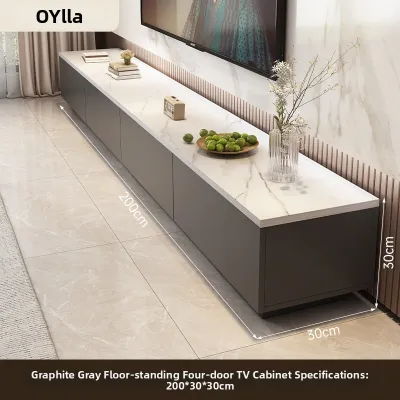
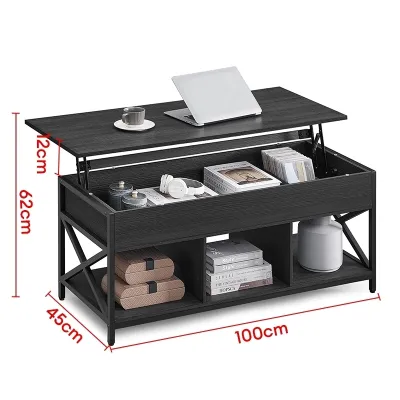
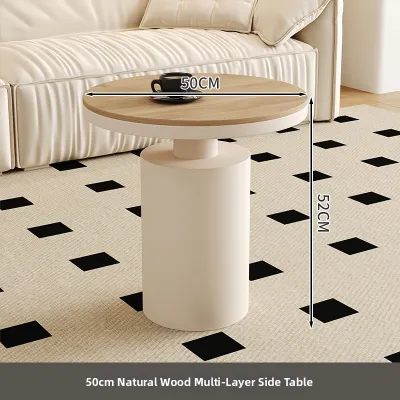
![[3S FURNITURE] Modern Rustic Simple Solid Rubber Wood Foldable Coffee Table with Storage Panel * FREE DELIVERY *](https://img.lazcdn.com/g/p/63e8aa4a6743093f0d281c796b72676d.png_400x400q80.png_.webp)
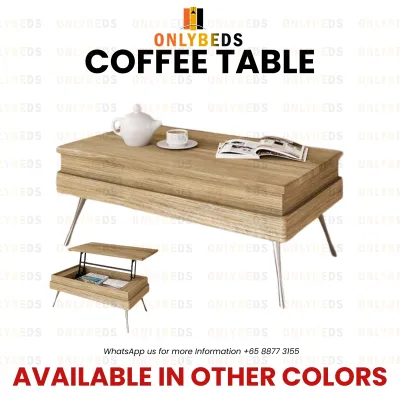
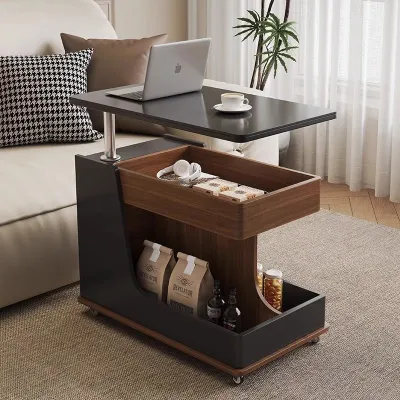
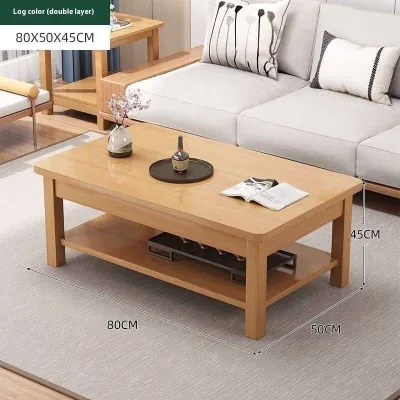
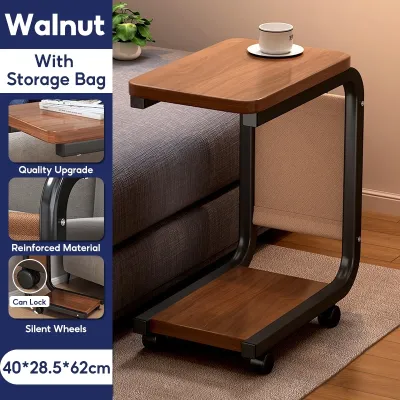
Prices are valid at publication and may change. Please refer to the product page for the latest price.
Finally, spatial constraints dictate the physical limits of your coffee table. In many Singapore living rooms, the clearance between the sofa and the television console is highly limited. You must measure the available footprint carefully, leaving at least 30 to 45 centimeters of walkway space between the table and the surrounding seating. This ensures comfortable movement and allows you to access the storage compartments without bumping your knees or blocking the flow of traffic.
Comparing Design Languages: Storage Mechanisms by Interior Style
Different interior design styles handle storage in distinct ways, affecting both the visual weight and the physical silhouette of the coffee table. A table with solid, floor-length sides and deep drawers has a high visual weight, making it a dominant focal point in the room. In contrast, a table raised on tall, slender legs with an open shelf underneath feels lighter and more spacious, which is highly beneficial for smaller living areas.

Integrating functional hardware also presents a design challenge. High-quality storage tables must balance material authenticity with the mechanical parts required for drawers, hinges, and lift-tops. While solid wood and natural stone offer beautiful textures, they must be paired with robust metal runners and soft-close hinges to ensure long-term durability. Understanding how different design movements resolve this balance allows you to choose a table that is both beautiful and reliable.
Scandinavian and Minimalist Approaches
Scandinavian and minimalist designs prioritize simplicity, functionality, and light. To maintain clean sightlines, these styles typically utilize concealed storage mechanisms that hide clutter entirely from view. You will often find coffee tables featuring seamless push-to-open drawers, hidden flip-up compartments, or lift-top mechanisms that raise the tabletop to a comfortable working height. These features allow the table to maintain a sleek, uninterrupted exterior when closed.
The material palette for these approaches focuses on light-colored woods like ash, beech, or light oak, often finished with matte lacquers to preserve the natural grain. Low-profile silhouettes and rounded edges are common, helping to soften the look of the living room. These tables are excellent for creating a calm, uncluttered atmosphere in busy households.
However, these sleek designs come with practical trade-offs. The complex internal hardware, such as gas struts or spring-loaded lift mechanisms, requires careful handling. Overloading these compartments can strain the hinges, leading to misalignment or mechanical failure over time. When choosing a minimalist lift-top table, you must strictly adhere to the manufacturer’s weight limits and avoid forcing the mechanism open or shut.
Industrial and Mid-Century Modern Approaches
Industrial and mid-century modern styles embrace structural elements and retro aesthetics, often incorporating storage as an active design feature rather than hiding it away. Industrial coffee tables frequently showcase raw, rugged materials such as reclaimed wood, distressed metal, and wire mesh. Storage in these tables often takes the form of open lower shelves, metal baskets, or exposed rivets and latch hardware, adding a sense of utilitarian character to the space.
Mid-century modern designs, on the other hand, focus on organic curves, tapered legs, and warm wood veneers like walnut or teak. Storage in these pieces is often integrated through sliding wooden doors, open cubbies, or shallow drawers with recessed pull handles. These elements evoke a nostalgic, vintage feel while providing practical spaces to tuck away reading materials and coasters.
The primary trade-off with these styles lies in maintenance and organization. Open shelving and wire baskets expose your stored items to view, meaning you must keep them tidy to prevent the living room from looking messy. Additionally, mixed materials—such as wood paired with powder-coated iron—require different cleaning methods. You must ensure that moisture does not sit on metal joints to prevent rust, and use specialized wood cleaners to maintain the luster of delicate veneers in Singapore’s humid climate.
Essential Specifications and Safety Checks Before Purchase
Before finalizing your purchase, you must perform several physical and safety checks to ensure the coffee table is compatible with your home. Start by measuring the exact clearance required for all moving parts. If the table features drawers that pull out or doors that swing open, map out their path on your living room floor. Ensure these parts can extend fully without hitting your sofa, side tables, or thick rug piles. For lift-top tables, verify that the raised top reaches a comfortable height for your seating and does not collide with low-hanging pendant lights.
Next, verify the weight capacity of the table’s surfaces and storage compartments. Manufacturers typically list these specifications on their product labels or assembly manuals. A table designed for light decorative items may sag or warp if loaded with heavy books or laptop equipment. Pay close attention to the weight limits of moving shelves and cantilevered lift-tops, as these are the most vulnerable to structural stress.
Stability is another critical safety factor, especially if you have young children or pets. Test the table’s balance by applying downward pressure on the edges and corners. A well-designed coffee table should remain firmly planted on the floor, even when its drawers are fully extended or the lift-top is raised and loaded. Tables with wide, heavy bases or low centers of gravity generally offer better stability than those with narrow, top-heavy designs.
Finally, inspect the quality of the joints and hardware. Look for sturdy metal brackets, smooth-gliding drawer runners, and soft-close mechanisms that prevent fingers from getting pinched. If you are purchasing a self-assembly model, ensure the instructions are clear and that all structural joints are reinforced with dowels or cam locks rather than simple wood screws, which can strip the material over time.
Evaluating Furniture Brands and Showroom Offerings
To find a high-quality coffee table with storage in Singapore, you should evaluate local furniture brands by visiting their physical showrooms. Testing the furniture in person is the most reliable way to assess build quality. Open and close every drawer, lift the tabletop, and slide the doors to check for smooth, quiet operation. Any resistance, squeaking, or wobbling during these tests indicates poor craftsmanship or misaligned hardware that will likely worsen with daily use.
While exploring showrooms, review the brand’s material transparency. High-quality retailers clearly label their products, distinguishing between solid hardwood, engineered wood (such as MDF or particleboard), and wood veneers. While solid wood offers excellent longevity, high-grade engineered wood with a thick veneer can be highly stable and less prone to warping in Singapore’s humid tropical climate. Avoid brands that use vague terms like “wood solids” without specifying the actual materials used.
You should also compare the warranty terms offered by different brands. A reliable warranty should cover structural joints and moving hardware, such as drawer runners and lift-top struts, for at least one to five years. Be sure to read the fine print to understand what constitutes normal wear and tear versus a manufacturing defect.
Lastly, inquire about delivery and assembly services. Complex storage coffee tables, particularly those with lift-top mechanisms or multiple drawers, can be difficult to assemble correctly without professional tools. Opting for a brand that includes professional delivery and on-site assembly ensures that the table is put together safely, preserving its structural integrity and warranty coverage.
Decision Framework: Matching Your Style to the Right Table
To make your final decision, use a structured framework that balances your aesthetic preferences with your practical living conditions. If your primary goal is to maintain a serene, clutter-free environment and hide everyday items from view, prioritize a Scandinavian or minimalist design with concealed drawers or a lift-top mechanism. This choice keeps your living room looking tidy and spacious.
If you prefer a warmer, more textured look and do not mind keeping your storage organized, choose a mid-century modern or industrial design. These styles allow you to display curated items on open shelves while adding visual character to your home through rich wood grains or rustic metal accents.
Before purchasing, always double-check your physical layout. If your living room is highly compact, or if you use a thick, high-pile rug that might obstruct low-clearance drawers, a table with sliding doors or a simple open shelf is often more practical than one with pull-out drawers.
Finally, recognize the limits of coffee table storage. If the volume of items you need to store exceeds what a standard coffee table can safely hold, do not try to force everything into one piece of furniture. Doing so can compromise the table’s stability and make your living room feel cramped. In such cases, it is better to pair a simpler, lightweight coffee table with dedicated storage solutions elsewhere in the room, such as a sideboard, wall shelving, or a TV console with deep cabinets.
Community discussion
Share your experience or ask a question. Comments are reviewed before publication.