
A square coffee table serves as a powerful anchor in a living room, offering a symmetrical focal point that balances seating arrangements. Finding the right style requires looking at your existing furniture lines, color palette, and spatial constraints. In Singaporean homes, where space optimization is key, selecting a square coffee table that complements your aesthetic ensures the room feels cohesive rather than cramped. Whether you are pairing it with a compact two-seater or a spacious L-shaped sectional, the right design bridges the gap between functionality and style.
Assess Your Current Living Room Aesthetic
Before browsing online marketplaces or local showrooms, take a step back to analyze your current living room. Look at the dominant colors, textures, and lines already present in the space. Is your sofa a plush, low-profile fabric piece, or does it have structured, clean lines with exposed wooden legs? The visual weight of your existing furniture—including heavy drapes, thick rugs, and large entertainment units—will dictate how substantial your new table should be.
Consider the overall vibe of the room and the flooring material, whether you have warm parquet, cool polished screed, or light-colored vinyl tiles. A space filled with cool tones, smooth surfaces, and metal accents leans modern or minimalist, whereas a room featuring warm wood grains, woven baskets, and soft linen textures points toward Scandinavian or Japandi styles. Note how light enters the room; bright, airy spaces can handle different materials compared to cozy, dimly lit corners. Understanding these elements establishes a clear baseline, preventing you from buying a piece that clashes with your established decor.
Products mentioned in this guide
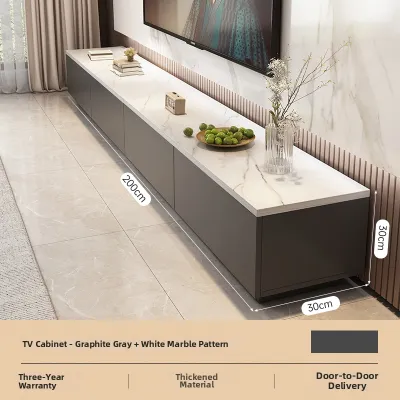
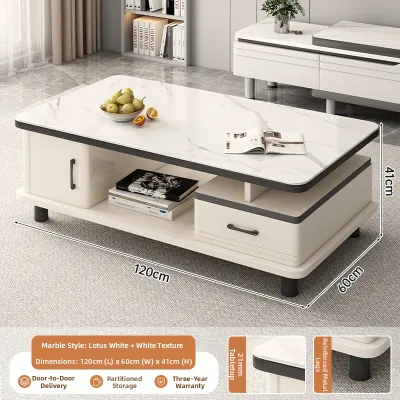

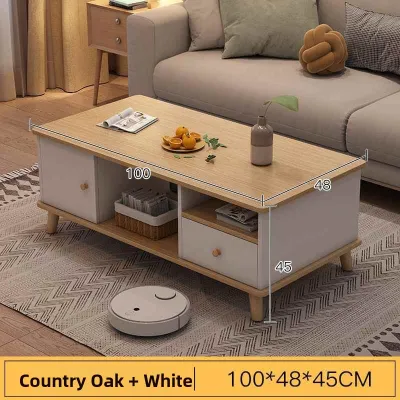
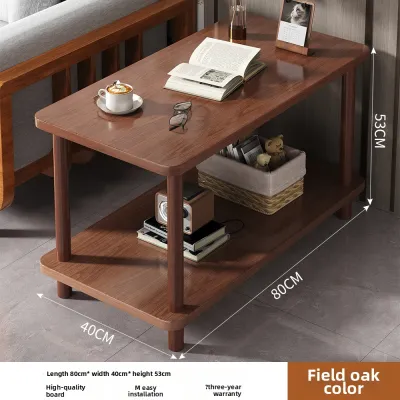
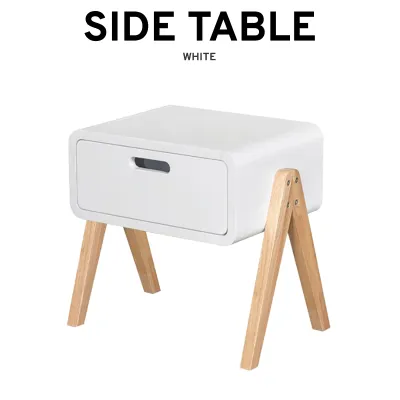
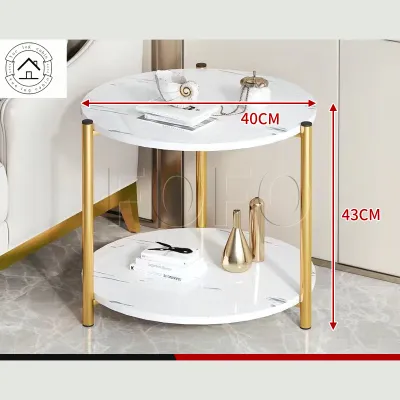

Prices are valid at publication and may change. Please refer to the product page for the latest price.
Matching Square Coffee Tables to Common Living Room Themes
Translating your room’s theme into a physical table involves matching materials, leg designs, and finishes to create visual balance. The goal is to introduce a central piece that either harmonizes with your existing furniture or provides a deliberate, stylish contrast.

Clean, Minimalist, and Scandinavian Spaces
For homes that embrace simplicity and light, a square coffee table should maintain visual lightness. Look for tables featuring light-toned woods like ash or oak, clear glass tops, or slender metal legs. These design elements prevent the center of your seating area from feeling blocked or heavy, which is particularly important in compact apartment layouts.
Avoid bulky box-like bases or dark, solid structures that disrupt the airy flow of a minimalist room. A table with an open frame or a shelf made of thin spindles offers storage without adding visual clutter. This keeps the focus on clean lines and natural light, ensuring your living room remains a serene, uncluttered sanctuary.
Warm, Textured, and Japandi Environments
Japandi and warm modern aesthetics thrive on organic textures and low-profile silhouettes. To match this vibe, seek out square coffee tables crafted from natural wood with visible grains, matte finishes, and softly rounded edges. The rounded corners soften the inherent rigidity of a square shape, making the room feel more inviting.
Balance these tactile wooden surfaces with your existing soft furnishings, such as textured boucle sofas or woven jute rugs. A low-slung square table keeps the sightlines open and emphasizes a relaxed, close-to-the-ground lifestyle. Ensure the wood tone of the table complements, rather than perfectly matches, other wooden elements in the room to create a layered, curated look.
Urban, Industrial, and Eclectic Layouts
If your living room features exposed brick, concrete finishes, or an eclectic mix of vintage and modern pieces, a bolder table design is required. Industrial styles pair well with square coffee tables that feature dark metal frames, reclaimed wood tops, or distressed finishes. These materials provide the necessary structural weight to anchor a room with strong architectural features.
When pairing a table with a heavy leather sofa or a dark velvet sectional, ensure the table’s visual weight matches the seating. A thin, delicate table might get lost next to substantial furniture. Instead, opt for geometric metal bases, thick wooden tops, or mixed-material designs that stand out as intentional design statements.
Practical Sizing and Proportion Checks for Compact and Open Layouts
Finding the right style is only half the battle; physical proportions must align with your living room layout. Start by measuring the available space around your seating area. For comfortable movement, aim for a clearance of about 30cm to 45cm between the edge of the sofa and the coffee table. In compact HDB or condo layouts, keeping this walkway clear is essential to prevent the space from feeling restricted.
Next, check the height of the square coffee table against your sofa’s seat cushions. Ideally, the table surface should be level with or slightly lower than the cushions—typically between 40cm and 50cm from the floor. A table that is too high disrupts the visual flow, while one that is too low can be uncomfortable to reach from the sofa.
Additionally, consider delivery and installation constraints before making a final decision. Measure your doorways, hallways, and lift access to ensure the fully assembled table can be safely transported into your home. A large, solid square table cannot be easily angled through tight corners, so verifying these finished dimensions beforehand prevents delivery day complications.
Finally, verify the table’s footprint relative to your rug and seating arrangement. A square coffee table works best when it is roughly one-half to two-thirds the length of your sofa. If you have a large L-shaped sectional, a square table fits snugly into the corner nook, but you must ensure it does not overwhelm the center rug or block access to the surrounding seats.
Evaluating Material Durability for Daily Household Use
A coffee table is a high-traffic surface, making material durability and structural stability key considerations. Before purchasing, check the manufacturer’s care labels and specifications for heat, scratch, and moisture resistance. If you enjoy hosting or frequently place hot mugs and cold drinks on the table, look for finishes that resist water rings, or plan to use coasters consistently.
For households with young children or active pets, safety and maintenance are paramount. Sharp corners on a square coffee table can pose a hazard, so look for designs with rounded edges or consider protective corner guards. Avoid delicate glass tops or high-gloss lacquered finishes that easily show fingerprints, scratches, and smudges.
Instead, evaluate materials like solid wood with a durable polyurethane seal, engineered stone, or powder-coated metal. Check the stability of the joints and the load capacity of the frame to ensure the table can handle accidental bumps or heavy books. Always review the specific care instructions provided by the manufacturer to ensure your cleaning routine matches the material’s requirements.
Frequently Asked Questions (FAQ)
Can I mix a square coffee table with a curved sofa?
Yes, mixing a square coffee table with a curved sofa creates an appealing contrast between angular and organic lines. To make this pairing work, ensure the sharp corners of the table do not impede the natural flow of the curved seating. Maintaining a consistent clearance of at least 40cm along the curve of the sofa allows for safe movement and prevents the layout from feeling awkward or restricted.
How do I style a large square coffee table without making it look cluttered?
Styling a large square surface requires creating defined zones. Use a decorative tray to group smaller items like remotes, candles, or coasters, which instantly makes them look organized. Vary the heights of your decor pieces—such as pairing a stack of books with a taller vase—and leave plenty of empty space to let the table’s natural material and design lines stand out.
Community discussion
Share your experience or ask a question. Comments are reviewed before publication.