
When shopping for a leather dinning chair, understanding how different styles interact with your existing interior design is essential for creating a cohesive and inviting home. Leather seating brings an immediate sense of sophistication, warmth, and texture to any space, but its impact depends heavily on the design language of the chair itself.
In Singapore’s diverse housing landscape, from compact HDB flats to spacious condominiums, selecting the right aesthetic ensures your dining area feels balanced rather than overcrowded. By aligning the chair’s silhouette, frame material, and leather finish with your home’s interior theme, you can transform a simple dining zone into a striking design statement.
Key Factors for Matching Leather Chairs to Your Decor
Before choosing a specific chair design, you must evaluate the existing elements of your dining space to ensure a harmonious integration. The room’s color palette, natural lighting, and architectural features all play a role in how a leather chair is perceived. For instance, a dining area with abundant natural light can easily accommodate darker, more heavily textured leathers, whereas a dimmer alcove benefits from light-colored, smooth finishes that reflect light.
Products mentioned in this guide
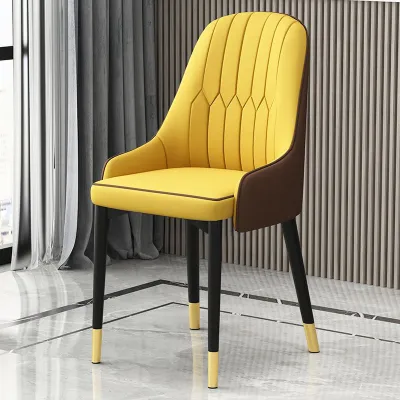
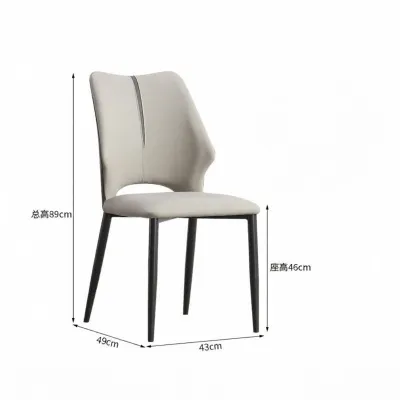
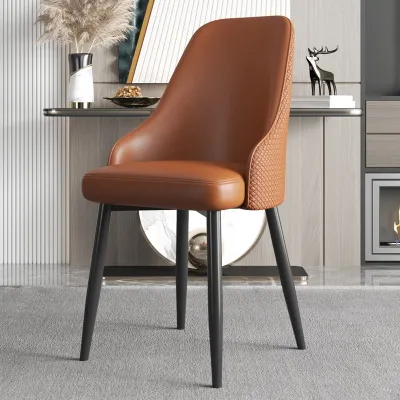
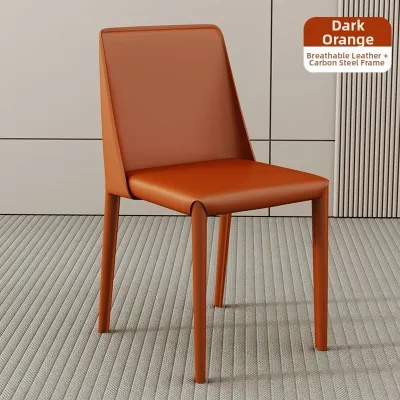
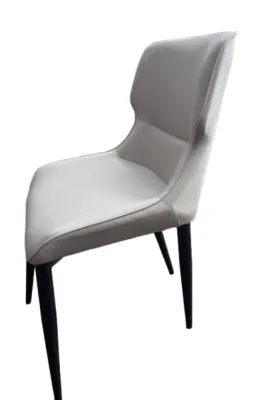
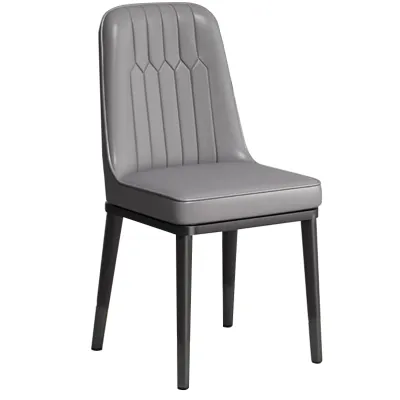
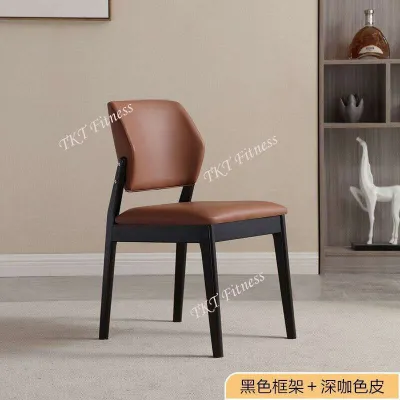
Prices are valid at publication and may change. Please refer to the product page for the latest price.
Leather textures significantly influence the visual weight and mood of the room. Smooth, polished leather finishes offer a clean, formal look that aligns well with upscale, minimalist, or highly structured spaces. Pebbled leather provides a subtle tactile depth that naturally hides minor wear and tear, making it an excellent option for busy family spaces. Distressed or vintage-look leather introduces a relaxed, lived-in character that softens modern architectural lines.
Frame materials work alongside the upholstery to define the chair’s overall style and physical footprint. Wooden frames, particularly those made from oak, walnut, or ash, bring natural warmth and a sense of organic permanence to the dining set. Metal frames, whether finished in matte black, chrome, or brass, offer a sleeker, more industrial or contemporary edge. The thickness of these frames also dictates the visual flow, with slender metal legs preserving sightlines in smaller layouts.
It is always wise to check the manufacturer’s product specifications and labels for the exact material composition before purchasing. Full-grain and top-grain leathers offer excellent breathability and develop a beautiful natural patina over time, though they require more mindful maintenance. Coated or corrected leathers provide enhanced resistance to spills and are highly practical for daily use, meaning your choice should align with both your aesthetic preferences and your lifestyle needs.
Proportion is the final structural factor to consider when matching chairs to your decor. High-backed leather chairs create a sense of grandeur and formality, but they can easily overwhelm a low-ceilinged room or block views in an open-plan living-dining area. Low-profile or mid-back designs offer a more casual, streamlined look that keeps the visual transition between different zones of your home seamless and airy.
Top Leather Dining Chair Styles and Where They Fit Best
Identifying your home’s primary decor theme allows you to select a leather chair style that enhances, rather than clashes with, your existing furniture. The ideal chair serves as a visual bridge, connecting your dining table to the surrounding living space and architectural elements.

By focusing on specific design movements, you can narrow down your options to find the perfect balance of form, comfort, and material harmony.
Modern and Contemporary
Modern and contemporary interiors prioritize sleek lines, geometric simplicity, and a distinct lack of unnecessary ornamentation. In these spaces, the focus is on clean silhouettes that emphasize functional elegance and open space. Dining chairs in this category often feature cantilever bases, thin metal legs, or integrated monolithic designs where the seat and back flow together seamlessly.
To complement this aesthetic, look for smooth or coated leather finishes in a disciplined, neutral color palette. Jet black, crisp white, cool charcoal grey, and deep navy are excellent choices that reinforce a sophisticated, high-end atmosphere. These clean tones allow the natural texture of the leather to stand out without disrupting the minimalist color scheme of the room.
These streamlined designs are particularly effective in contemporary Singaporean apartments where maximizing the perception of space is a priority. Because they lack bulky frames or ornate detailing, modern leather chairs maintain a low visual profile. Pairing them with a glass, marble, or sintered stone dining table creates a polished, airy look that keeps your dining zone feeling open and uncluttered.
Scandinavian and Japandi
Scandinavian and Japandi styles celebrate warm minimalism, natural light, and an appreciation for organic materials. Japandi, in particular, merges the rustic warmth of Japanese design with the functional simplicity of Nordic interiors. The furniture in these spaces focuses on gentle curves, ergonomic comfort, and a deep connection to nature.
For this style, seek out leather dining chairs that feature light-colored wooden legs crafted from ash, beech, or pale oak. The upholstery should consist of soft, matte leather in warm, earthy tones such as cream, beige, soft taupe, or muted olive green. These gentle hues enhance the light-filled, serene atmosphere characteristic of Scandinavian-inspired homes.
These chairs excel at introducing comforting tactile layers to a minimalist room without making it feel busy. The organic curves of the seat shell provide excellent ergonomic support, while the matte leather texture prevents the space from feeling cold or sterile. They pair beautifully with solid wood dining tables, creating a welcoming, grounded environment for family meals.
Industrial and Loft
Industrial and loft-style interiors embrace raw, unpolished architectural elements such as exposed concrete, brickwork, and visible structural steel. This design theme thrives on contrast, combining rugged surfaces with functional, hard-wearing furniture that carries a sense of history and utilitarian purpose.
To match this edgy aesthetic, opt for distressed, vintage-look, or heavily textured leather in rich, dark color palettes. Deep cognac, warm whiskey, chocolate brown, and charcoal are classic choices that bring immediate warmth to otherwise cool, industrial spaces. The natural variations and minor imperfections in distressed leather perfectly mirror the raw character of the surrounding architecture.
Look for chairs that feature robust black iron or steel frames, visible rivets, and sturdy silhouettes. The combination of dark, weathered leather and dark metal frames creates a striking visual anchor in open-concept layouts. These chairs look exceptionally fitting alongside solid reclaimed wood tables, balancing the coldness of concrete floors with rich, tactile warmth.
Mid-Century Modern
Mid-Century Modern design is celebrated for its retro charm, organic shapes, and playful yet sophisticated structural details. This style seamlessly blends nostalgia with timeless utility, making it a popular choice for homeowners who appreciate classic furniture design with a distinct personality.
Defining features of mid-century leather chairs include tapered wooden legs, gently curved bentwood frames, sling-style leather suspensions, and subtle button tufting. Warm, saturated leather tones like rich tan, vibrant cognac, mustard yellow, and deep olive green serve as staple color choices that highlight the iconic woodwork of the era.
These chairs function beautifully as standalone statement pieces that inject character and vintage sophistication into your dining area. The tapered legs create an illusion of lightness by exposing more of the floor underneath, which helps a dining space feel larger. They pair naturally with teak or walnut dining tables, reinforcing a warm, nostalgic, and highly curated aesthetic.
Quick Comparison of Popular Leather Dining Chair Styles
This quick-reference table summarizes how different leather dining chair styles align with key design features, interior themes, and typical leather finishes to help you make an efficient decision.
| Style | Key Design Features | Best Interior Match | Typical Leather Finish |
|---|---|---|---|
| Modern & Contemporary | Cantilever bases, thin metal legs, geometric profiles | Minimalist condos, sleek open-plan spaces | Smooth or coated leather in black, white, or charcoal grey |
| Scandinavian & Japandi | Light wood legs, organic curves, ergonomic shells | Warm, light-filled spaces, minimalist timber homes | Soft, matte leather in cream, beige, or muted earth tones |
| Industrial & Loft | Black iron frames, exposed hardware, robust shapes | Exposed brick, concrete finishes, open-concept lofts | Distressed or heavily textured leather in cognac or dark brown |
| Mid-Century Modern | Tapered wooden legs, sling designs, button tufting | Retro-inspired spaces, classic timber interiors | Saturated tan, warm cognac, or olive green leather |
Practical Space and Climate Considerations for Singapore Homes
When selecting leather dining chairs for a home in Singapore, local living conditions must play a central role in your final decision. Standard HDB and condominium layouts often require careful spatial planning to ensure comfortable movement. Before purchasing, measure your dining area precisely, ensuring that the chairs can tuck fully underneath the dining table when not in use to keep walkways clear.
Singapore’s tropical climate, characterized by high humidity and consistent warmth, also demands specific attention to material care. Excess moisture in the air can affect leather if it is not properly managed. Always check the manufacturer’s care instructions for your specific chairs, as different leather finishes require distinct maintenance routines to prevent mold or moisture damage.
To preserve the appearance and structural integrity of your leather chairs, avoid placing them in direct sunlight from windows, as prolonged UV exposure can cause the leather to dry out, crack, or fade. Similarly, try to position your dining set away from the direct path of air-conditioning vents, as the constant flow of cold, dry air can strip the natural moisture from the leather over time.
Finally, always verify the specific leather type on the product tag rather than relying on general assumptions about durability. Full-grain, top-grain, and corrected-grain leathers all react differently to daily wear and tropical humidity. Understanding the exact material composition allows you to apply the correct care steps, ensuring your dining chairs remain a beautiful and comfortable part of your home for years to come.
Frequently Asked Questions (FAQ)
These common questions address spatial constraints and material care to help you successfully integrate leather dining chairs into your Singapore home.
Can leather dining chairs work in a small HDB dining area?
Yes, leather dining chairs can work beautifully in smaller HDB dining spaces if you select the right design. Opt for armless profiles with slim metal or tapered wooden legs, as these designs have a smaller physical and visual footprint. Choosing chairs that can slide completely under your dining table when not in use is crucial for keeping your walkways open and maintaining a clutter-free environment. Be sure to measure both your table’s clearance height and the chair’s seat height before purchasing to guarantee a perfect fit.
How do I maintain leather chairs in a humid climate?
To maintain leather chairs in a humid climate, first check the manufacturer’s care label, as different leather treatments require specific upkeep. For general maintenance, dust your chairs regularly with a soft, dry microfiber cloth to prevent dust from trapping moisture on the surface. Ensure your dining room remains well-ventilated, and avoid placing the chairs near direct heat or moisture sources. If your chairs require deep cleaning, conditioning, or treatment for moisture-related issues, always consult a qualified professional or the manufacturer for approved products.
Community discussion
Share your experience or ask a question. Comments are reviewed before publication.