
Selecting the ideal display cabinet is more than a matter of matching your existing home decor; it is about creating a safe, visually engaging environment tailored to the unique characteristics of your collection. Whether you showcase delicate hand-painted figurines, heavy historical volumes, or fragile crystal glassware, the structural design of your cabinet directly influences how well your items are preserved and presented. A mismatch can lead to bowed shelves, obscured details, or even accidental damage to your prized possessions.
To achieve a balance between aesthetics and structural integrity, you must evaluate how different cabinet styles interact with your items. By understanding the physical demands of your collection and utilizing tools like a versatile cabinet organizer, you can transform standard shelving into a professional-grade gallery. This guide outlines how to match your specific collectibles with the right cabinet configurations, materials, and safety setups to ensure a lasting and beautiful display.
Assessing Your Collection's Physical and Environmental Needs
Before browsing styles or finishes, take a detailed inventory of what you plan to display. Begin by measuring your tallest, deepest, and widest items. These dimensions dictate not only the overall size of the cabinet but also the minimum shelf depth and vertical clearance required to prevent your items from looking cramped or pressing against the glass doors.
Products mentioned in this guide
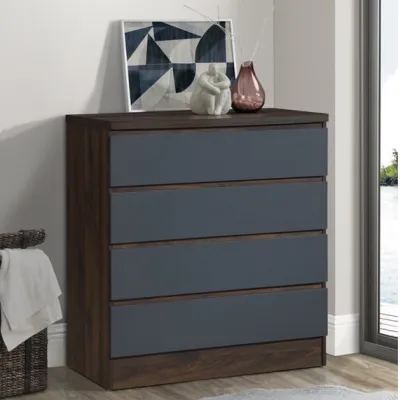
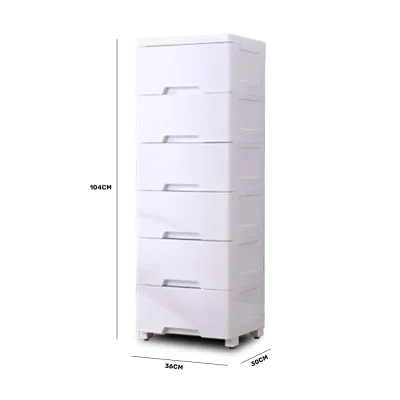
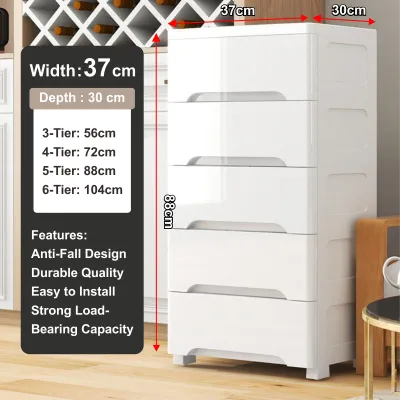
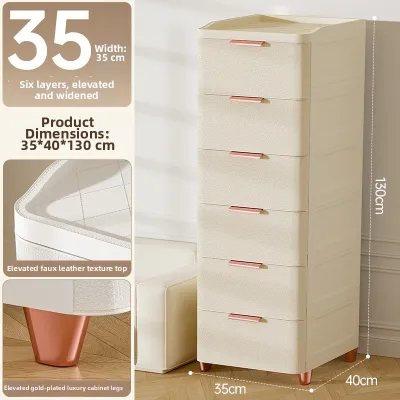
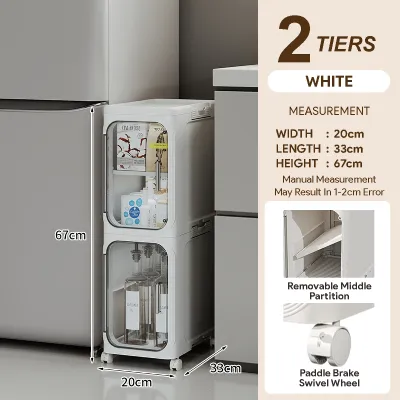
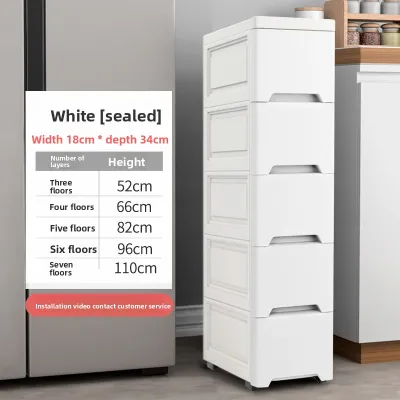
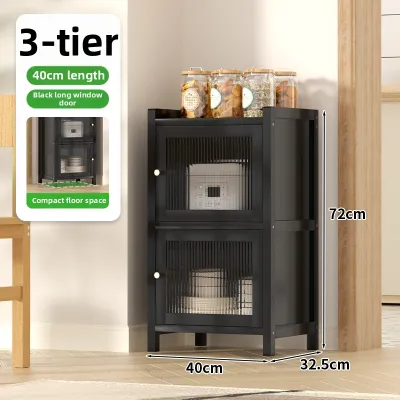
Prices are valid at publication and may change. Please refer to the product page for the latest price.
Environmental factors are equally critical, especially in tropical climates like Singapore where high humidity can accelerate the deterioration of sensitive materials. Paper, leather, wood, and certain plastics are highly vulnerable to moisture, mold, and dust. For these items, enclosed cabinets with tight-fitting doors are essential. If your display area receives direct sunlight, consider placing the cabinet away from windows or checking if the glass panels offer UV-filtering properties to prevent colors from fading over time.
Finally, estimate the total weight of your collection. Heavy items like stone sculptures, thick reference books, or large resin models can easily compromise standard shelving. Calculating the approximate weight per shelf allows you to verify that the cabinet’s load-bearing capacity meets your needs, preventing structural sagging or catastrophic shelf failure down the road.
Cabinet Styles for Figurines and Small Collectibles
Small collectibles, such as action figures, miniature models, and delicate keepsakes, require a display style that emphasizes visibility while offering maximum protection from physical disturbance. For these items, fully enclosed glass cabinets—often referred to as curio cabinets—are highly recommended. The glass panels on multiple sides allow light to enter from various angles, making it easier to appreciate intricate details from different viewpoints.

Dust is the primary enemy of small, detailed collectibles, as cleaning intricate joints and textured surfaces can be tedious and risk breaking fragile parts. Selecting a cabinet with magnetic door closures or integrated dust-proof seals along the frame edges significantly reduces the amount of airborne debris that enters the display space. This keeps your collection pristine and minimizes the frequency of hands-on maintenance.
To prevent smaller items from being shadowed by those in front, adjustable shelving is a vital feature. This flexibility allows you to set shelf heights that match the scale of your figures. Additionally, incorporating built-in or retrofitted LED strip lighting along the interior front corners or under individual shelves illuminates every level evenly, eliminating dark spots and highlighting the vibrant colors of your collection.
Configurations for Books and Heavy Memorabilia
Heavy memorabilia, dense book collections, and large-scale sculptures demand a cabinet style focused on structural strength and stability. Solid wood frames or reinforced metal units are the most reliable choices for these substantial items. When evaluating wood cabinets, check the construction joints; high-quality units utilize mortise-and-tenon joints or heavy-duty metal brackets rather than simple glue and staples to hold the frame together under load.
Shelf thickness and material composition are critical factors in preventing bowing. Standard particleboard shelves can sag over time under the weight of heavy books or heavy resin statues. Opt for thick solid wood, high-density fiberboard, or reinforced metal shelving. Ensure the shelf depth is sufficient to support the entire base of your largest items without any overhang, which can compromise stability and cause items to fall.
Because heavy cabinets have a high center of gravity, especially when loaded with books on the upper shelves, stability is a major safety concern. Always check that the cabinet design allows for secure wall anchoring. In Singaporean homes, which typically feature concrete or masonry walls, using the correct wall plugs and heavy-duty brackets is essential to prevent the unit from tipping forward, protecting both your household and your valuable collection.
Showcasing Glassware and Fragile Items
Displaying fragile glassware, porcelain, or crystal requires a cabinet style that balances elegant exposure with robust physical protection. Cabinets featuring sliding glass doors or soft-close hinges are ideal for these delicate items. These mechanisms prevent the sudden jarring and vibrations associated with slamming doors, which can cause thin-stemmed glasses or delicate porcelain plates to rattle and chip against one another.
Tempered glass is a critical safety feature for any cabinet housing fragile items. Tempered glass is significantly stronger than standard plate glass and, in the rare event of a break, crumbles into small, relatively harmless granular chunks rather than sharp, dangerous shards. Verify that both the external door panels and the internal shelves are made of certified tempered glass to ensure maximum safety.
To further secure fragile items, consider using non-slip shelf liners or specialized cabinet organizers designed to hold plates and stemware in place. These accessories prevent items from shifting when the cabinet doors are opened or closed. Grouping delicate glassware on lower or mid-level shelves also reduces the risk of severe damage in the event of an accidental bump to the cabinet.
Using Cabinet Organizers to Maximize Display Space
Even the most beautiful display cabinet can look cluttered or disorganized without proper internal structure. This is where a high-quality cabinet organizer becomes invaluable. By introducing varied heights and clear divisions, these organizers help you utilize the full vertical and horizontal volume of your shelves, ensuring that every piece in your collection is visible.
Acrylic risers and tiered steps are excellent examples of organizers that enhance visibility. By elevating the items in the back row above those in the front, you prevent your favorite pieces from being hidden from view. This multi-level approach is particularly effective for small figurines, perfume bottles, or cosmetic collections, creating a dynamic and professional museum-like presentation.
When selecting a cabinet organizer, pay close attention to the material and aesthetic compatibility with your cabinet. Transparent acrylic organizers are highly versatile because they allow light to pass through unimpeded, maintaining a bright and airy feel inside the cabinet. For wooden or rustic cabinets, minimalist metal or wooden organizers can complement the existing design while providing the necessary structural support to keep your items neatly grouped and protected.
Safety, Clearance, and Installation Checks
Before finalizing your purchase, perform a thorough spatial audit of your home. Measure the designated floor space and ceiling height, ensuring there is adequate clearance for cabinet doors to open fully without obstructing walkways. Additionally, measure your home’s entryways, hallways, and lift doors to guarantee the cabinet—whether fully assembled or flat-packed—can be safely transported into your living space.
Assess the levelness of your floor. Uneven flooring can cause the cabinet frame to twist slightly, leading to misaligned glass doors that do not close properly or latch securely. Many high-quality cabinets feature adjustable leveling feet that allow you to compensate for minor floor slopes, ensuring the unit remains perfectly upright and stable.
Finally, always consult the manufacturer’s assembly instructions and weight limit specifications before loading your shelves. When arranging your collection, place the heaviest items on the bottom shelves to establish a low center of gravity, which naturally enhances the cabinet’s stability. Regularly inspect the shelf supports and wall anchors over time to ensure they remain secure and in excellent condition.
Frequently Asked Questions (FAQ)
How do I prevent dust from building up inside an enclosed display cabinet?
To minimize dust accumulation, ensure your cabinet doors fit tightly against the frame. You can apply aftermarket silicone or felt dust-proofing strips along the door gaps to create a more secure seal. When cleaning, use a dry microfiber cloth to wipe down the interior surfaces, as microfiber naturally attracts and holds dust particles electrostatically without scratching glass or wood finishes. Avoid using harsh chemical sprays, which can leave a dull residue on glass or degrade wood sealants.
Can I mix different collection types in the same display cabinet?
Yes, you can successfully mix different types of collections by organizing them according to weight and environmental needs. Place heavier items like books or large sculptures on the sturdy lower shelves to maintain a low center of gravity, while reserving the upper glass shelves for lighter figurines or glassware. Use a dedicated cabinet organizer to create distinct visual zones on each shelf, ensuring that different styles of collectibles do not look cluttered or compete for visual attention.

Community discussion
Share your experience or ask a question. Comments are reviewed before publication.