
Protecting your home’s flooring from scratches, scuffs, and dents requires matching the material of your chair leg protector socks to your specific floor surface. In Singapore, where homes commonly feature ceramic tiles, vinyl planks, or natural parquet, choosing the wrong sock can lead to trapped grit, stained finishes, or accelerated wear. The ideal choice depends on how your floor handles friction, moisture, and weight distribution.
By understanding the unique vulnerabilities of your flooring and matching them with the right sock materials, you can maintain pristine floors while ensuring your chairs glide quietly and smoothly.
Identifying Your Floor Type and Its Vulnerabilities
Every flooring material reacts differently to the daily friction of moving chairs. In Singapore’s residential spaces, three main flooring types dominate, each requiring a specific approach to protection.
Products mentioned in this guide
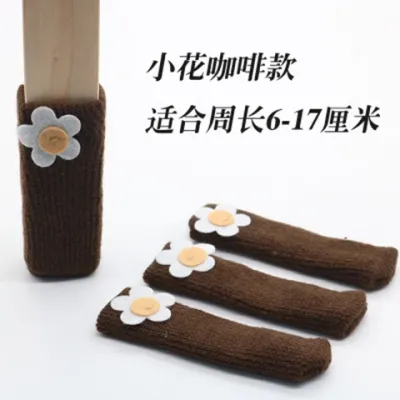
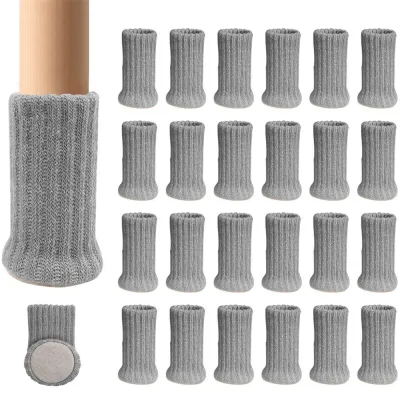
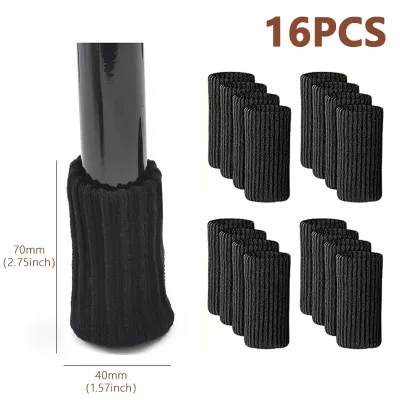
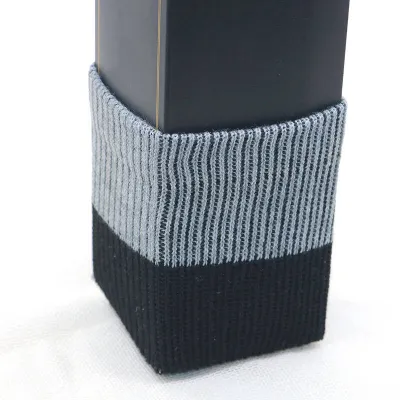
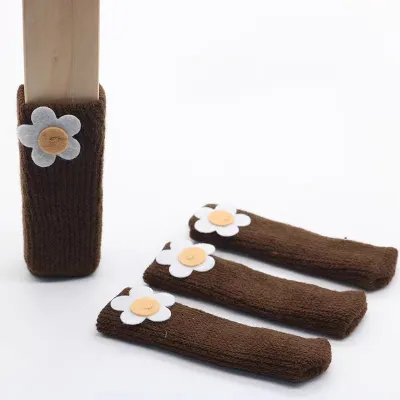
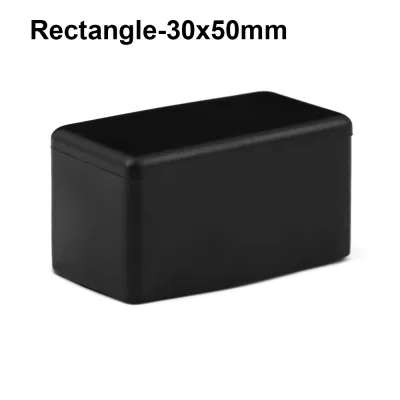
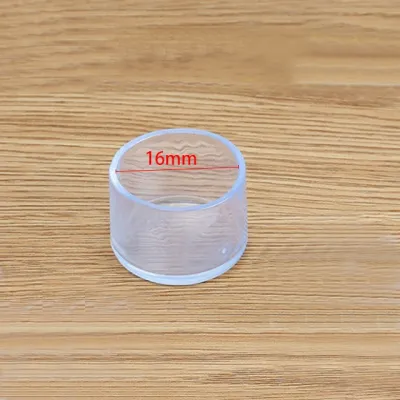
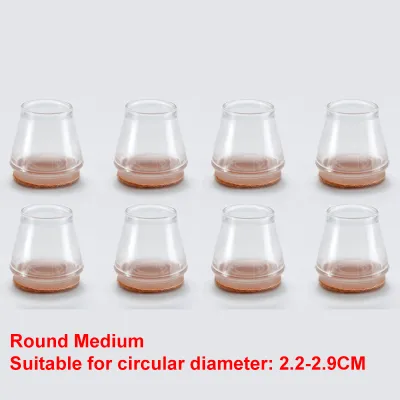
Prices are valid at publication and may change. Please refer to the product page for the latest price.
Ceramic and porcelain tiles are highly durable and resistant to deep scratches, but they are not entirely immune to damage. The primary vulnerability of tiled floors lies in the grout lines. These recessed joints easily trap fine grit, dust, and sand. When a chair leg slides across a grout line, any trapped particles can act like sandpaper, gradually dulling the tile’s glaze. For tiled floors, you need protectors that either glide smoothly over these transitions or offer enough cushioning to bridge minor height differences between tiles without catching.
Luxury vinyl tiles (LVT) and laminate flooring have become incredibly popular due to their water resistance and modern designs. However, these synthetic surfaces are highly susceptible to fine surface scratching and scuffing from hard plastics or rough fabrics. Additionally, Singapore’s high humidity means that moisture can sometimes become trapped beneath tight-fitting, non-breathable furniture protectors. This trapped condensation can cause discoloration or adhesive failure in vinyl planks. For these floors, selecting breathable, non-staining materials is essential to prevent both physical scratches and moisture-related damage.
Parquet and engineered wood floors bring natural warmth to a home but are the most delicate of all common flooring options. Real wood is highly vulnerable to deep scratches, gouges, and pressure dents from heavy furniture. The concentrated weight of a person sitting on a chair can easily compress wood fibers if the load is not distributed. To protect parquet, you must prioritize thick, shock-absorbing, and soft-bottomed protectors. These materials cushion the impact of daily use and distribute the chair’s weight across a wider surface area, preventing permanent indentations.
Matching Sock Materials and Designs to Floor Surfaces
Once you have identified your floor type, you can evaluate the different materials and designs of chair leg protector socks available on the market.

Felt-bottomed socks are the traditional standard for hard, smooth surfaces like parquet, engineered wood, and ceramic tiles. The soft, dense fibers of felt allow chairs to glide effortlessly across the floor with minimal friction and virtually no noise. When choosing felt-bottom options, always verify the thickness of the felt pad. Thin felt can quickly compress and wear through, causing the hard chair leg to bottom out and scratch the floor. Look for heavy-duty, reinforced felt bases that are securely bonded to the knit fabric of the sock.
Silicone or rubber-grip options are excellent for situations where you want to prevent chairs from sliding too easily, or when dealing with moisture-prone areas. However, synthetic rubbers and low-grade silicone can sometimes react chemically with the protective wear layers of vinyl and laminate floors. This reaction can leave permanent yellow stains or dark scuff marks. When shopping for these options, check the product specifications for non-marking properties and colorfastness. This ensures the material will not transfer dyes or chemicals onto your sensitive synthetic floors.
Knit or fleece-only socks, which lack a reinforced rubber or felt sole, are highly flexible and easy to wash. However, their soft structure makes them unsuitable for high-friction areas. These basic fabric socks are best reserved for low-movement furniture, such as accent chairs, side tables, or furniture placed on carpeted areas. On hard floors, the constant sliding of a dining chair will quickly wear holes through simple knit fabric, leaving your floors unprotected within a matter of weeks.
Before making a purchase, always review the product labels and manufacturer descriptions for explicit floor compatibility claims. Look for products that offer non-staining guarantees and clearly state which flooring types they are designed to protect. Taking a few moments to verify these details prevents costly mistakes and ensures long-term floor preservation.
Accounting for Chair Leg Shape, Size, and Usage
Finding a sock made of the right material is only half the battle; the protector must also fit your specific furniture legs securely to function properly.
Start by measuring the diameter and profile of your chair legs. Chair legs come in various shapes, including round, square, rectangular, and tapered designs. Most protector socks rely on elastic tension to stay in place, but a sock designed for a round leg may slip off a square or highly tapered leg. Measure the widest part of the leg base and compare it to the manufacturer’s sizing chart. Ensure the elastic opening is tight enough to grip the leg securely without being stretched to its absolute limit, which can cause the elastic fibers to snap prematurely.
Next, evaluate how frequently the chair is moved. High-traffic furniture, such as dining room chairs used multiple times a day, subjects protector socks to intense lateral forces. For these chairs, you need socks with reinforced seams and heavy-duty soles that can withstand constant sliding. Conversely, static furniture like bedroom dressers, display cabinets, or corner accent chairs require far less robust protection. Basic knit socks or simple silicone caps are usually sufficient for these low-movement pieces.
Finally, inspect the physical construction of the socks before installing them. Check the elasticity of the opening, the strength of the seams, and how much the material stretches. High-quality socks often feature double-layer knitting or spandex reinforcement to maintain their shape over time. If the fabric feels flimsy or the seams pull apart easily under a light stretch, the socks are likely to slip down or tear after only a few days of use.
Installation, Maintenance, and When to Replace
Proper installation and ongoing maintenance are crucial to ensure your chair leg socks continue to protect your floors rather than inadvertently damaging them.
Before slipping the socks onto your chair legs, thoroughly clean both the bottom of the legs and the floor surface. Any dust, grit, or small pebbles trapped inside the sock will act like sandpaper every time the chair is moved. Wipe down the chair feet with a damp cloth to remove old adhesive residue, dirt, or wax, and let them dry completely. Ensuring a clean starting surface prevents abrasive particles from being ground into your delicate floor finishes.
Establish a routine schedule to check the condition of your chair leg socks. Over time, the soles will wear down, the elastic may stretch out, and the fabric will inevitably accumulate household dust and pet hair. Inspect the socks every few months to ensure the chair legs are not bottoming out. If you notice the socks slipping down, sagging, or showing visible thinning at the base, it is time to replace them immediately to avoid accidental floor damage.
Many fabric and knit chair leg socks are machine washable, which makes maintaining them relatively simple. Follow the manufacturer’s washing instructions carefully, usually involving a gentle cycle in a laundry bag and air drying. Regular washing removes embedded grit and dust that accumulates in the fibers over time. Keeping the socks clean ensures they remain soft and safe for your floors, extending both the life of the protectors and the beauty of your home’s flooring.
Frequently Asked Questions (FAQ)
Can I use the same chair leg socks for both indoor dining chairs and outdoor patio furniture?
It is not recommended to use the same chair leg socks interchangeably between indoor and outdoor environments. Outdoor patio furniture is exposed to moisture, rain, and intense UV radiation, which quickly degrades standard indoor knit fabrics and elastics. Outdoor protectors require specialized weather-resistant materials, such as UV-stabilized plastics or heavy-duty rubber, to withstand the elements. Furthermore, using the same socks outdoors and then bringing them indoors carries a high risk of tracking abrasive outdoor dirt, sand, and moisture onto your delicate indoor floors, defeating the purpose of the protectors.
Do chair leg protector socks leave marks or residue on vinyl flooring?
Some low-quality rubber or plasticizer-heavy silicone protectors can cause chemical reactions, known as plasticizer migration, which leaves permanent yellow or dark stains on vinyl flooring. To prevent this, always look for socks with non-marking certifications or those made from high-quality, food-grade silicone and natural felt. Before installing a new set of protectors across all your chairs, test one sock on a chair leg in an inconspicuous area, such as inside a closet or under a heavy cabinet, for a few weeks. This simple check ensures the material will not react negatively with your specific vinyl floor finish.

Community discussion
Share your experience or ask a question. Comments are reviewed before publication.