
Finding a bed frame cover that fits your specific bed frame in Singapore can be a surprisingly complex task. While it is tempting to look for a simple compatibility list matching cover brands to popular bed frame brands, universal brand-to-brand compatibility lists are highly unreliable. Manufacturers frequently update their designs, alter frame thicknesses, and adjust manufacturing tolerances without changing product names.
The true key to avoiding sizing mismatches lies in matching the exact outer dimensions of your bed frame, accounting for HDB-specific space constraints, and verifying how the cover attaches relative to your bed’s structural features. Whether your bed has under-bed storage drawers, hydraulic gas-lifts, or a flush-to-wall headboard, understanding these physical characteristics is the only foolproof way to ensure a seamless fit.
Why Relying on Brand Names Causes Sizing Mismatches
Assuming that a specific bed frame cover brand will automatically fit a particular bed frame brand is one of the most common mistakes homeowners make. Even within a single furniture brand, design variations are vast. One Queen-sized frame might feature slim, minimalist metal rails, while another from the same brand boasts thick, plush upholstered sides. A cover designed for a slim frame will fail to stretch over an upholstered model, while a cover meant for a thick frame will sag loosely on a metal one.
Products mentioned in this guide
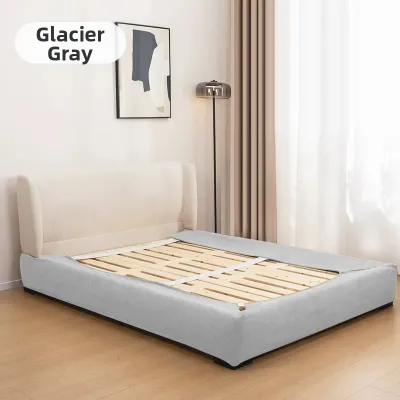
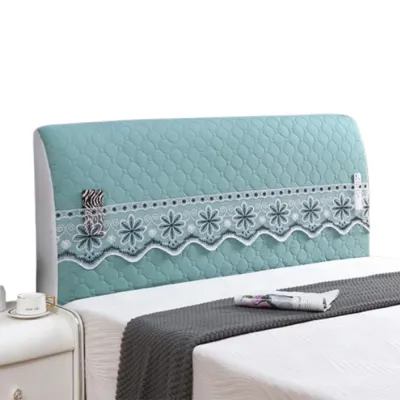
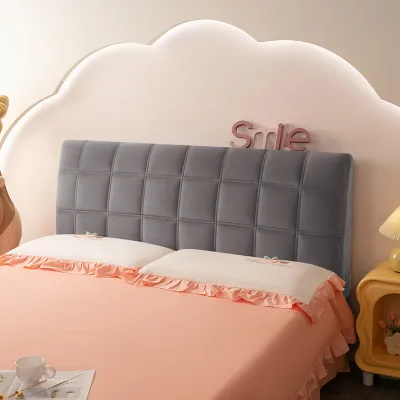
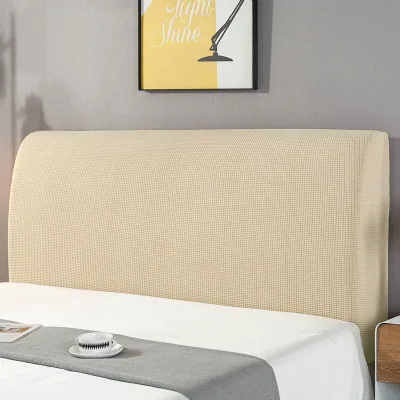
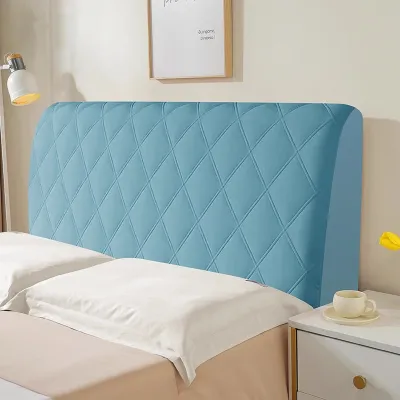
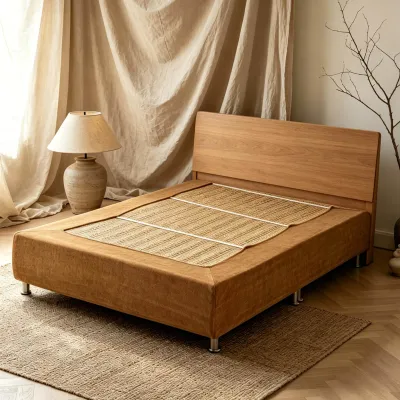
Prices are valid at publication and may change. Please refer to the product page for the latest price.
Furthermore, the compact layouts of typical HDB bedrooms place strict limitations on furniture placement. Beds are frequently pushed flush against walls, positioned tight against built-in wardrobes, or placed close to floor-to-ceiling windows to maximize floor space. A bed frame cover that adds unnecessary bulk or requires extensive side clearance for installation can disrupt these tight configurations, making it difficult to tuck in linens or slide the bed into its designated niche.
Another major source of confusion is the difference between standard mattress dimensions and actual outer bed frame dimensions. In Singapore, standard mattress sizes are relatively consistent (such as a standard Queen measuring 152 cm by 190 cm). However, the bed frame itself is almost always larger than the mattress. Upholstered borders, integrated headboards, and storage surrounds can add anywhere from 5 cm to over 20 cm to the total width and length of the setup. Buying a cover based solely on your mattress size rather than the frame’s outer dimensions inevitably leads to a tight, warped, or completely unusable fit.
Essential Measurements for HDB Bed Frames
To secure a proper fit before purchasing any bed frame cover, you must take precise physical measurements of your frame rather than relying on labeled sizes. Start by measuring the absolute outer length and outer width of the bed frame. Use a metal measuring tape for accuracy, and measure from the outermost edge of the headboard to the footboard, and from the outer edge of the left rail to the right rail. Do not measure the mattress itself; focus entirely on the wooden, metal, or upholstered structure that supports it.

Next, determine the correct drop length. This is the vertical distance from the top edge of the bed rail—where the cover will rest or attach—down to the floor. In HDB flats, you must pay close attention to floor skirting or baseboards. Skirting boards typically protrude 10 mm to 15 mm from the wall. If your bed frame is pushed tight against a skirted wall, a hanging fabric cover may bunch up or get pinched between the frame and the wall, preventing it from draping cleanly. Measuring the drop length accurately ensures the cover hangs just above the floor surface without dragging or gathering dust.
Finally, identify any physical obstructions around the bed frame. Take note of the location of the bed legs, support wheels, or nearby built-in furniture. In compact HDB bedrooms, built-in wardrobes with sliding doors or pull-out drawers are common. If your bed frame cover hangs too low or features loose, flowing fabric, it can easily get caught in wardrobe tracks or block drawer paths. Note where the legs are positioned; if they are flush with the corners of the frame, you will need a cover design that accommodates these structural points without bunching.
Comparing Cover Styles for Different Bed Structures
Different bed frame designs require specific cover styles to look tailored and function properly. Choosing the wrong style can render your bed’s built-in features useless or result in a messy, shifting appearance.
Wrap-around skirts with Velcro or upholstery pins are highly popular for standard platform beds. These covers typically feature a three-sided fabric panel that attaches directly to the box spring or the top edge of the platform frame. They provide a clean, classic look and are excellent for hiding simple wooden or metal legs. However, because they drape continuously around the sides, they can completely block access to under-bed storage. If your bed has pull-out drawers, you will have to lift the skirt every time you access them, which can cause the pins to pull loose or the Velcro to misalign over time.
Elastic fitted covers work similarly to fitted bed sheets, wrapping tightly around the perimeter of the bed rails. This style is ideal for thick, upholstered bed frames because the fabric has a textured surface to grip onto, keeping the cover taut and smooth. However, on smooth wooden or polished metal frames, elastic covers lack traction. Without a textured surface to hold them in place, they tend to slip upward, exposing the frame underneath and requiring constant manual adjustment.
Split-corner or tailored designs are essential for bed frames that feature prominent footboards, corner legs, or decorative posts. These covers have deliberate slits at the corners, allowing the fabric to bypass the structural legs and hang straight down. If you attempt to use a solid, continuous cover on a bed with corner legs, the fabric will stretch tightly across the corners, creating unsightly tension lines and leaving the middle sections sagging.
How to Verify Fit When Shopping Online
When browsing online marketplaces or specialized home decor platforms, you must look past marketing buzzwords to find actual physical specifications. To avoid the hassle of international returns or costly return shipping fees, follow a strict verification process.
First, locate and carefully interpret the seller’s size charts. Do not simply select “Queen” or “King” and proceed to checkout. Look for the exact dimensions listed in centimeters or inches. Pay close attention to adjustable features, such as drawstring toggles, elastic tension bands, or adjustable buckle straps, which offer some tolerance if your measurements are off by a centimeter or two. Check if the seller specifies a tolerance range (for example, “fits frames from 150 cm to 155 cm wide”).
Second, learn to identify and question misleading “universal fit” labels. A product labeled as a “universal stretch bed frame cover” is often made of highly elastic spandex-blend fabric. While it may technically stretch over various frame shapes, extreme stretching can thin out the fabric, making it translucent and exposing the original color or texture of the frame underneath. It can also put immense pressure on the seams, leading to premature tearing. Always look for the actual un-stretched dimensions in the product description to ensure the fabric is not pushed to its absolute limit.
Third, evaluate customer reviews and return policies with a critical eye. Filter reviews to look for feedback from buyers who have similar bed types, such as storage beds or upholstered frames. Look for photos uploaded by customers to see how the fabric drapes in real-world settings. Before purchasing, verify the seller’s return policy. Ensure that they allow returns for fit issues and check whether you will be responsible for return shipping costs, as shipping bulky fabric items back to overseas warehouses can sometimes cost as much as the cover itself.
Decision Framework: Matching Covers to Your Bed Type
To simplify your purchasing decision, use this conditional framework to match the right cover style to your specific bed frame configuration:
- Standard Platform Bed (No Storage): If your bed frame has standard clearance underneath and no built-in storage drawers, choose a wrap-around skirt with Velcro or upholstery pins. This style is easy to install, hides the open space beneath the bed, and can be adjusted easily to match your exact drop length.
- Hydraulic Gas-Lift or Drawer Storage Bed: If your bed features a hydraulic gas-lift mechanism or deep under-bed drawers, avoid continuous wrap-around skirts. Instead, choose easily removable elasticated rail wraps or split-panel covers. These designs allow you to cover the visible outer rails while leaving the storage access points, drawer tracks, and lifting mechanisms completely unobstructed.
- Oversized or Integrated Headboard Bed: If your bed frame has an oversized, extra-thick headboard or side rails that integrate directly into the headboard structure, standard slip-on covers will not fit. You must verify the manufacturer's specifications first. Look for covers specifically designed with open headboard ends or adjustable strap attachments that secure around the side rails without needing to slide over the top of the headboard.
- Proprietary or Unusual Structural Supports: If your bed frame uses proprietary mounting clips, unique geometric brackets, or non-standard structural supports, do not attempt to force a generic cover onto it. Stop and consult the bed manufacturer or a local upholstery professional. Forcing an incompatible cover can damage the frame's mounting hardware or cause the cover to tear under tension.
Frequently Asked Questions (FAQ)
Can I use a standard mattress protector as a bed frame cover?
No, you should not use a standard mattress protector as a bed frame cover. Mattress protectors are specifically engineered to fit over the top and sides of a mattress to guard against spills, sweat, and allergens. They lack the necessary drop length to reach the floor and do not feature the structural attachment methods, such as heavy-duty Velcro, upholstery pins, or tailored corner splits, required to secure fabric to bed rails. Additionally, mattress protectors are often made of lightweight, functional fabrics that will not look aesthetic or hold up well against the scuffs and kicks that bed rails typically endure.
How do I clean a bed frame cover without removing it entirely?
For bed frame covers that are difficult to detach or require moving a heavy mattress to remove, regular on-frame maintenance is the best approach. Start by using a handheld vacuum with a soft brush attachment to remove dust, pet hair, and lint from the fabric surface. For light stains or spills, spot-clean the area using a clean, damp microfiber cloth and a small amount of mild fabric detergent. Gently dab the stain rather than rubbing it to prevent the fabric from pilling. Always check the manufacturer’s care label first to ensure the fabric is compatible with water-based cleaning agents, and allow the area to air dry completely before replacing your bed linens.
What if my HDB bed frame has an unusual non-standard size?
If your bed frame does not conform to standard Singapore dimensions, you have several practical options. Look for adjustable bed frame covers that feature drawstring systems or elastic tension cords, which allow you to cinch the excess fabric for a snugger fit. Alternatively, you can use separate fabric panels or a multi-piece bed skirt system, securing individual panels to the frame rails using heavy-duty upholstery pins or adhesive hook-and-loop tape. For a perfectly seamless look on highly irregular frames, consulting a local custom upholstery service in Singapore is the most reliable way to get a cover tailored to your frame’s exact specifications.
Community discussion
Share your experience or ask a question. Comments are reviewed before publication.