
Selecting a dining wooden chair requires more than just picking a pleasing design. It demands an understanding of how wood species, grain patterns, finishes, and silhouettes interact with your existing interior architecture. Whether your home leans toward the bright simplicity of Scandinavian design, the warm minimalism of Japandi, the rugged contrast of industrial lofts, or the polished elegance of classic spaces, finding the right match prevents visual discord. By analyzing your room’s baseline elements first, you can choose a seating option that feels intentional and integrated rather than accidental.
Identify Your Dining Room's Core Aesthetic
In Singapore’s compact HDB flats and open-concept condominiums, the dining area often shares visual boundaries with the living room or kitchen. This open layout makes style consistency vital. Before browsing for a new dining wooden chair, perform a quick visual inventory of your current space to establish a clear baseline.
To assess your dining room’s core aesthetic, observe these three visual cues:
Products mentioned in this guide
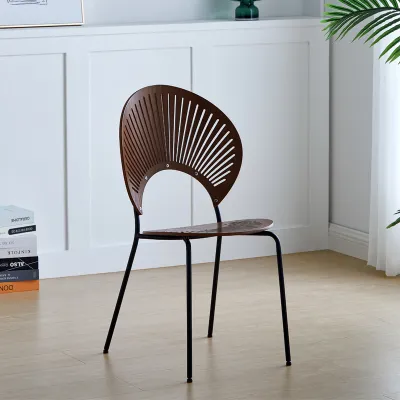
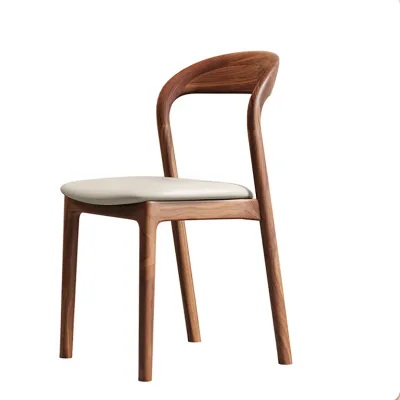
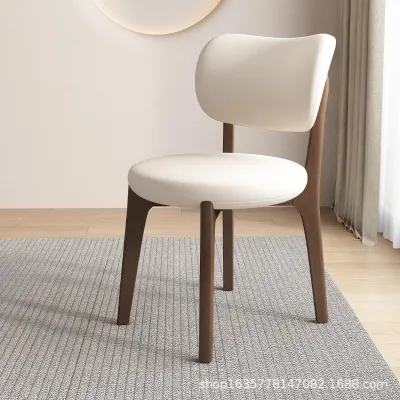
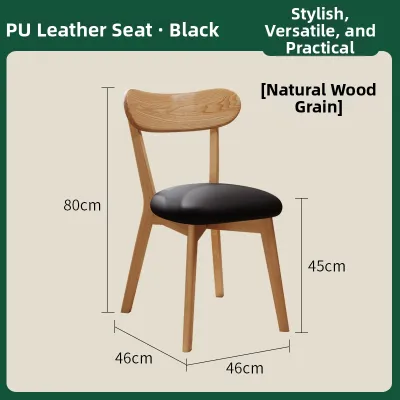
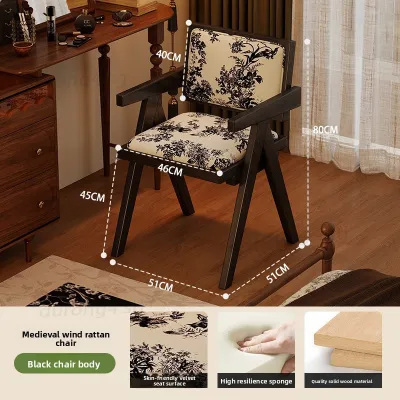
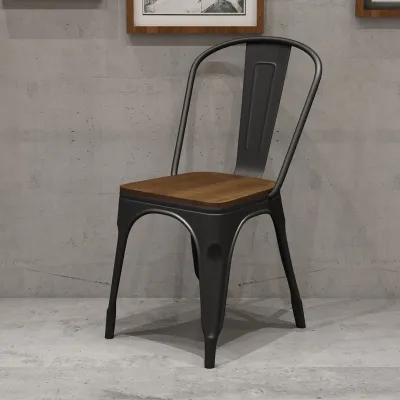
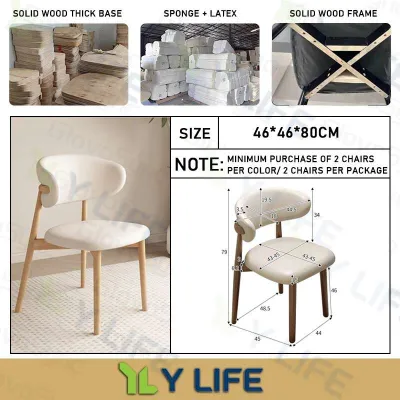
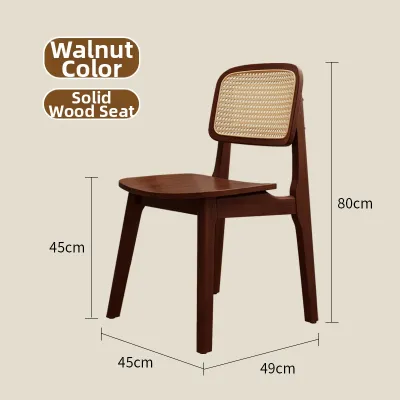
Prices are valid at publication and may change. Please refer to the product page for the latest price.
- Dominant color palettes: Note whether your walls and large furniture pieces feature cool whites, warm beiges, deep grays, or rich jewel tones.
- Existing material textures: Look at your flooring and surrounding surfaces. Are they polished marble, matte screed concrete, warm vinyl wood planks, or metallic accents?
- Lighting types: Identify if your space is flooded with cool, bright daylight, or if you rely on warm, recessed spotlights and statement pendant fixtures.
Identifying these elements establishes your baseline. For instance, if your flooring consists of light oak vinyl and your walls are off-white, introducing a heavy, dark mahogany chair might create a harsh visual break. Conversely, choosing a chair with complementary wood tones and a matching silhouette ensures a smooth transition across your living and dining zones. This self-assessment guides your journey through the four primary design pathways: Scandinavian, Japandi, industrial, and classic.
Scandinavian Interiors: Light Woods and Clean Lines for Your Dining Wooden Chair
Scandinavian design thrives on light, airiness, and functional simplicity. If your dining area features white or light gray walls, minimalist light-wood cabinets, and a focus on maximizing natural light, a Scandinavian-style chair is a natural fit.

For wood tones and finishes, seek out light-toned hardwoods such as European oak, ash, or beech. These species feature subtle, tight grain patterns that keep the visual weight of the chair light. Finishes should remain matte or natural-oiled. Avoid high-gloss lacquers, which reflect light harshly and detract from the organic, understated look characteristic of Nordic homes.
When evaluating silhouettes and design, look for clean, geometric lines paired with gentle, ergonomic curves. Classic Scandinavian designs often feature tapered legs, spindle backs, or curved plywood backrests that support the body without adding visual bulk. Carvings, ornate details, and heavy solid panels are absent here; every element serves a structural or comfort-driven purpose.
To style these pieces, pair light-wood chairs with neutral-colored seat pads in light gray, beige, or soft blue. Keep the surrounding decor airy by placing them around a matching light oak table, complemented by simple ceramic tableware and green indoor plants.
Light-colored woods with natural finishes require careful maintenance to prevent staining. Before purchasing, check the manufacturer’s product label to identify the surface treatment. Soap-treated or oiled woods offer a beautiful tactile feel but are more susceptible to water rings and oil stains than polyurethane-sealed options. Verify the specific cleaning and re-oiling requirements to ensure they align with your household’s dining habits.
Japandi Spaces: Warm Minimalism and Organic Textures
Japandi style merges the rustic warmth of Japanese traditional interiors with the functional minimalism of Scandinavian design. This hybrid aesthetic is highly popular in homes seeking a serene, sanctuary-like atmosphere. If your dining space features textured plaster walls, low-slung furniture, and a focus on natural materials, Japandi chairs will complement the look.
For wood tones and finishes, Japandi embraces warmer, richer, and slightly darker wood tones than traditional Scandinavian design. Medium oak, walnut, and teak are excellent choices. The finish should highlight the natural grain and texture of the wood, celebrating minor imperfections and a tactile, raw feel.
In terms of silhouettes and design, Japandi chairs often feature low-profile profiles that sit closer to the ground, reflecting traditional Japanese floor-level living. Look for designs with visible, high-quality joinery—such as mortise and tenon joints—and organic, rounded shapes. The lines are clean but softer and more grounded than their purely Scandinavian counterparts.
To style this look, blend these chairs with an earthy color palette of olive green, warm terracotta, charcoal, and beige. Style the dining area with a textured natural fiber rug, such as jute or sisal, and choose simple, handmade stoneware for your table settings.
To maintain the deep, warm patina of woods like walnut or teak, you must follow specific care protocols. Verify the manufacturer’s care instructions regarding humid environments, as tropical climates can affect wood moisture levels and cause untreated wood to warp. Inspect the physical joinery in person if possible; well-crafted joints not only look beautiful but also ensure the chair remains stable without relying on excessive metal fasteners or glues that can degrade over time.
Industrial Lofts: Raw Finishes and Bold Contrasts
Industrial interiors celebrate raw, unrefined materials, architectural history, and bold structural contrasts. If your dining space features exposed brick walls, track lighting, concrete screed flooring, or black metal window frames, your seating choices should reflect this rugged aesthetic.
For wood tones and finishes, look for dining wooden chairs made from reclaimed timber, or those featuring distressed finishes, dark stains, and prominent, textured grains. The wood should look lived-in and robust, showing off knots, natural color variations, and a rugged texture rather than a perfectly smooth, uniform surface.
When looking at silhouettes and design, a classic industrial approach involves mixing materials. Chairs that combine a solid wood seat or backrest with a matte black steel or iron frame are highly effective. If you prefer all-wood options, choose designs with heavy, blocky proportions, straight lines, and visible metal hardware like rivets or brackets.
To style these chairs, position them around a concrete-topped or heavy wooden trestle table. Complement the setup with industrial-style pendant lights featuring Edison bulbs, and balance the hard surfaces with leather accents or dark metal tableware.
Distressed or raw wood finishes can catch dust and food particles more easily than smooth surfaces. Check the product specifications to see if the wood has been sealed with a matte protective topcoat. If the wood is left completely raw or only waxed, it will require regular conditioning and specialized cleaning routines to prevent drying out or absorbing spills. Ensure the level of maintenance matches your lifestyle, especially if you have young children.
Classic Rooms: Polished Woods and Traditional Details
Classic or traditional dining rooms focus on symmetry, elegance, and heritage-inspired details. If your home features decorative wall moldings, tray ceilings, polished marble or parquet flooring, and formal lighting fixtures like chandeliers, your chairs should carry a sense of weight and refinement.
For wood tones and finishes, classic spaces call for deep, rich wood tones. Mahogany, cherry, and dark walnut are the standard choices. These woods are typically finished with high-gloss or semi-gloss lacquers that highlight the depth of the wood grain and give the chair a polished, formal appearance.
When considering silhouettes and design, look for traditional furniture details such as turned legs, cabriole curves, carved backrests (such as splat-back or shield-back designs), and elegant scrolls. Upholstered wooden frames are also common in classic styles, adding comfort and a touch of luxury.
To style classic chairs, match them with a formal, polished wooden dining table. Frame the space with heavy, high-quality drapes, an elegant area rug, and sophisticated table linens. A central chandelier hanging above the table will highlight the polished finish of the wood.
High-gloss lacquered surfaces are highly sensitive to heat, moisture, and scratches. Always check the manufacturer’s care guidelines for polishing and maintaining the glossy finish. Avoid placing hot serving dishes directly onto wooden surfaces, and use protective coasters or felt pads. If the chairs feature upholstered seats, verify the fabric composition and check if it has been treated with a stain-resistant coating, or if it requires professional dry cleaning.
Cross-Style Compatibility: Versatile Chairs for Transitional Homes
Many modern homes do not fit neatly into a single design category. If you live in a transitional space, enjoy an eclectic mix of styles, or anticipate changing your decor in the future, investing in highly specific chairs can feel restrictive. Fortunately, certain wooden chair designs act as visual bridges across different styles.
- Bridge Designs: Look for simple, mid-century modern inspired silhouettes with clean lines and medium wood tones, such as honey-colored oak or teak. A classic Windsor chair or a simple round-back wooden chair can adapt seamlessly. They are minimalist enough for a Scandinavian or Japandi room, yet their organic warmth can soften an industrial space or blend into a casual classic dining room.
- Styling Shifts: You can easily alter the visual weight of a neutral wooden chair using accessories. Add a sheepskin throw or a light linen seat cushion to lean into the Scandinavian look. Swap these out for a dark leather pad to match an industrial vibe, or use a tailored, patterned cushion to align with a classic aesthetic.
- Decision Framework: When your home's style is still evolving, prioritize simplicity. Choose chairs with medium-toned woods, straightforward joinery, and minimal ornamentation. This neutrality ensures that even if you paint your walls, change your dining table, or move to a new home, your chairs will continue to serve as a functional and stylish foundation.
Space, Clearance, and Stability Checks Before Purchasing
While aesthetic alignment is crucial, a dining chair must ultimately be comfortable and practical for daily use. Before finalizing your purchase, perform several physical checks to ensure the chairs fit your home and lifestyle.
First, measure your dining table’s height and compare it to the chair’s seat height. Standard dining tables are around 75 cm high, requiring a seat height of approximately 45 cm to allow comfortable leg clearance. Additionally, ensure there is at least 60 to 90 cm of walkway clearance behind each chair when pulled out, allowing family members to move around the table easily.
Second, navigate the logistics of delivery. In urban environments, navigating tight apartment corridors, lifts, and doorways is a common challenge. Check the finished dimensions of the chairs—especially if they are delivered fully assembled or come in bulky boxes. Ensure your building’s lift and your home’s front doorway can accommodate the packaging to avoid delivery complications.
Finally, verify the stability and weight capacity of the design. Review the manufacturer’s specified weight capacity and structural materials. When visiting physical showrooms, test the chair’s balance by sitting on it and shifting your weight. Check the joints under the seat; look for reinforcing corner blocks and secure screws rather than simple glue joints, ensuring the chair remains stable and squeak-free over years of daily use.
Community discussion
Share your experience or ask a question. Comments are reviewed before publication.