
Quick Answer: When to Choose a Pillow vs. a Chair
Deciding between a compact massage pillow and a full-sized massage chair comes down to your budget, available space, and the specific physical relief you require. A massage pillow is highly portable, budget-friendly, and excellent for targeting localized muscle knots in areas like the neck, shoulders, or calves. It fits easily into smaller living spaces and can be stored away when not in use.
Conversely, a full massage chair offers an immersive, multi-zone experience with automated programs, zero-gravity positioning, and full-body tracking. This makes it ideal for daily relaxation if you have the dedicated floor space and a higher budget. Before purchasing either device, consult a healthcare professional if you are dealing with severe, chronic, or undiagnosed pain to ensure mechanical massage is safe for your condition.
Step 1: Identify Your Target Areas and Relief Needs
To make an informed choice, start by diagnosing where you experience tension and how you prefer to address it.
Products mentioned in this guide
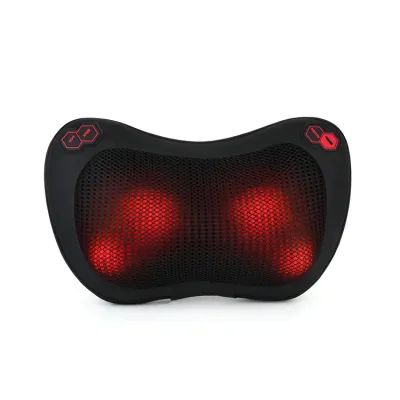
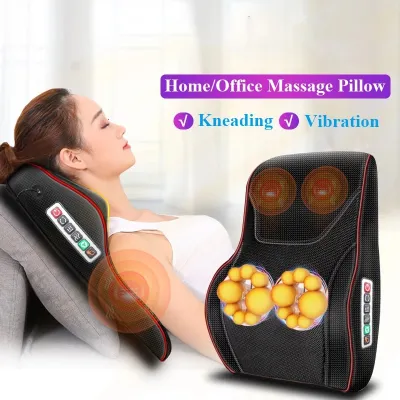
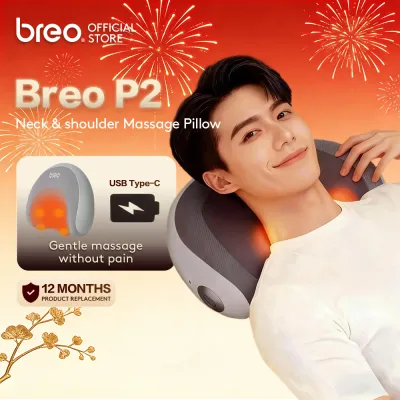
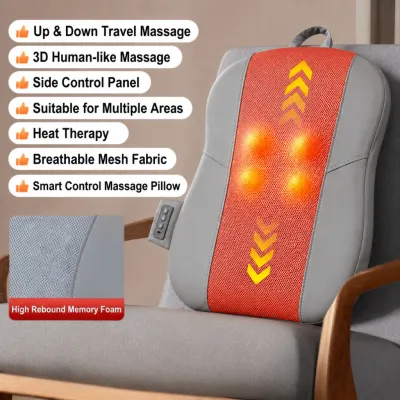
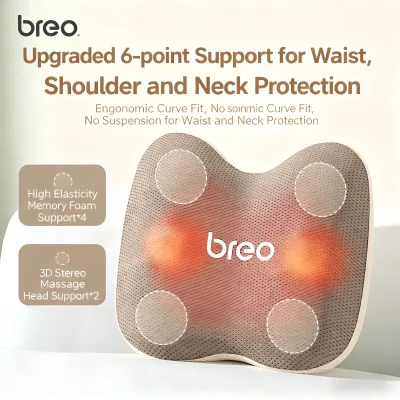
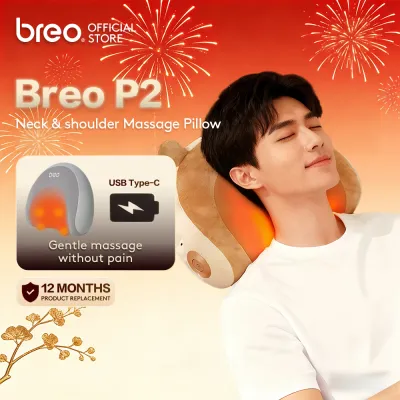
Prices are valid at publication and may change. Please refer to the product page for the latest price.

Evaluating Localized Tension
If your discomfort is concentrated in specific, isolated zones—such as stiffness in the neck after hours at a desk, or tight calves after a run—a massage pillow is often highly effective. These compact devices feature rotating nodes designed to mimic kneading techniques. Because they are small, you can manually position them precisely against the neck, upper back, lower back, or calves. Many models include adjustable straps to secure the unit to an office chair, allowing you to apply targeted pressure exactly where it is needed.
Seeking Comprehensive Full-Body Relief
If you experience generalized fatigue, full-body stiffness, or desire a hands-free relaxation routine, a full massage chair is the more comprehensive option. These chairs utilize complex internal tracks that run from your neck down to your glutes or thighs. They integrate multiple massage modalities simultaneously, combining rolling nodes, air compression sleeves for the arms and legs, and foot rollers. This provides a synchronized, multi-zone experience that a single pillow cannot replicate.
Verifying Specifications and Limitations
When comparing options, check the manufacturer’s specifications for node placement, speed settings, and adjustable intensity levels. Some users find certain node configurations too intense, while others require deeper pressure. Keep in mind that neither a massage pillow nor a full massage chair is a replacement for professional medical treatment or physical therapy. If you have underlying structural conditions, mechanical devices should only be used as a supplementary comfort measure under medical guidance.
Step 2: Check Your Space, Storage, and Daily Routine
Your living environment and daily habits play a decisive role in which device will integrate seamlessly into your life.
Spatial Constraints and Access Routes
In Singapore, where residential layouts like HDB flats and condominiums require efficient space planning, the physical footprint of a massage chair is a major consideration. Before buying, measure your designated floor space carefully, keeping in mind that recliners require extra clearance behind the backrest and in front of the footrest. Crucially, verify the finished dimensions of the chair against your home’s entry points. Measure doorway widths, hallway turns, and lift access dimensions to ensure the delivery team can safely transport the unit into your living room.
Portability and Storage Flexibility
A massage pillow offers unmatched flexibility for compact homes. It requires virtually no dedicated floor space and can be used on your existing sofa, bed, or office chair. When you are finished, it easily tucks away into a wardrobe or drawer, keeping your living area clutter-free. This portability also means you can easily move it between rooms or even take it to the office, adapting effortlessly to your daily schedule.
Lifestyle and Usage Habits
Consider how much effort you are willing to put into your relaxation routine. A massage chair is a permanent, always-ready station; you simply sit down and press a button. However, if placed poorly, its large visual footprint can disrupt household traffic and make a room feel cramped. A massage pillow requires manual positioning and setup each time you use it, which might feel tedious if you want a quick, hassle-free session after a long day.
Step 3: Weigh the Budget and Long-Term Value
The financial commitment extends beyond the initial purchase price, requiring a careful look at long-term value and ownership costs.
Initial Investment and Hidden Costs
The price difference between these two categories is substantial. A high-quality massage pillow typically ranges from under S$50 to around S$150, making it an accessible entry-level option. A full massage chair is a major investment, often starting around S$1,000 for basic models and climbing to S$10,000 or more for premium, feature-rich units. When budgeting for a full chair, look out for hidden costs such as specialized delivery and assembly fees, as well as the price of extended warranties.
Calculating Cost-per-Use
To determine if a massage chair is worth the financial stretch, calculate its potential cost-per-use. If multiple members of your household plan to use the chair daily, the high upfront cost is distributed across many sessions, often making it more economical over several years than frequent professional spa visits. Conversely, if you only anticipate using a massage device occasionally, a durable massage pillow provides excellent value without tying up significant capital.
Warranty and Local Support
Because both devices contain mechanical moving parts, checking the manufacturer’s warranty is essential. For a massage chair, look for comprehensive coverage that includes on-site repairs, as transporting a heavy chair to a service center is highly impractical. Ensure the brand has an established local service center in Singapore to guarantee access to replacement parts and qualified technicians. For massage pillows, verify the return policy and exchange window, especially when purchasing through online marketplaces.
Step 4: Your Final Decision Checklist
To finalize your choice, match your personal profile and household needs against the key characteristics of each device.
| User Profile | Recommended Device | Key Decision Factors |
|---|---|---|
| Space-Conscious Renter | Massage Pillow | Easy to pack, zero floor footprint, highly portable. |
| Targeted Tension Sufferer | Massage Pillow | Focuses pressure on specific knots (e.g., neck or calves). |
| Whole-Family User | Full Massage Chair | Accommodates multiple users with diverse, automated programs. |
| Premium Relaxation Seeker | Full Massage Chair | Offers zero-gravity positioning, heat therapy, and full-body tracking. |
Before making your final purchase, always review the product manual online to check for user weight limits, height restrictions, and medical contraindications. If possible, visit a physical showroom in Singapore to test the device in person. This allows you to experience the node intensity, seat comfort, and overall fit before committing your money and space. If buying online, prioritize retailers that offer clear return policies and trial periods.
Frequently Asked Questions (FAQ)
Can a massage pillow provide enough relief for chronic lower back pain?
A massage pillow can help alleviate localized muscle tightness and minor aches in the lower back by using rotating nodes and gentle heat to stimulate blood flow. However, chronic lower back pain is often linked to deeper structural issues, such as spinal misalignment or disc compression, which mechanical rollers cannot fix. When using a pillow on your lower back, ensure it has a secure strap system to keep it in place, and avoid applying your full body weight directly onto the nodes. Always consult a medical professional to diagnose the root cause of chronic pain before relying on home massage devices.
Are full massage chairs worth the investment if I only use them a few times a week?
Whether a full massage chair is worth the investment depends on your personal budget and how much you value having a dedicated, on-demand relaxation space. If the upfront cost of several thousand S$ fits comfortably within your budget, the convenience of a multi-zone massage at home can justify the expense, even with moderate use. However, if the financial commitment feels burdensome for occasional use, consider high-end massage cushions or seat covers. These intermediate options drape over existing armchairs or office seats, offering a compromise between the targeted relief of a pillow and the multi-zone coverage of a full chair at a fraction of the cost.

Community discussion
Share your experience or ask a question. Comments are reviewed before publication.