
Selecting a massage chair in Singapore involves navigating a sophisticated market where brands distinguish themselves through engineering precision, mechanical durability, and material resilience. Because a high-quality chair represents a significant financial and spatial investment, understanding the underlying technology and construction is essential. Brand differentiation primarily hinges on roller dimensionality, airbag zoning, structural integrity, and how well the materials withstand Singapore’s unique tropical climate.
No single brand or model universally suits every household. The ideal choice depends on whether you prioritize deep-tissue therapeutic relief or gentle, circulation-focused relaxation, as well as the physical layout of your living space. To make an informed decision, you must evaluate specific technical criteria: track design, mechanical precision, upholstery durability, and the reliability of local after-sales support networks.
Core Differences in Massage Technology
Massage technology has evolved from basic mechanical tapping to highly sophisticated systems that attempt to replicate the hands of a professional therapist. Understanding these mechanical variations allows you to look past marketing terminology and evaluate what a chair can actually deliver.
Products mentioned in this guide
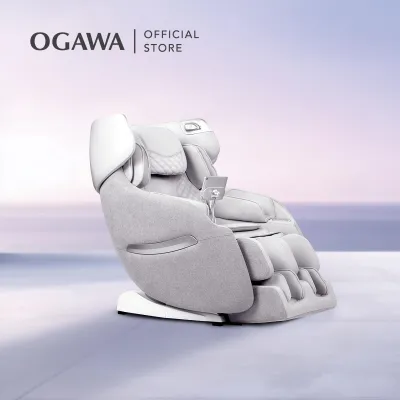
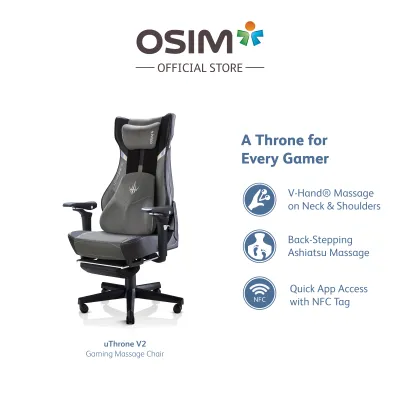
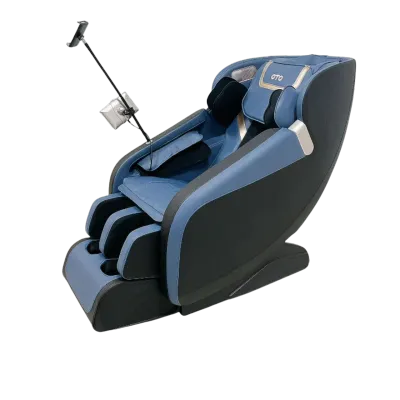
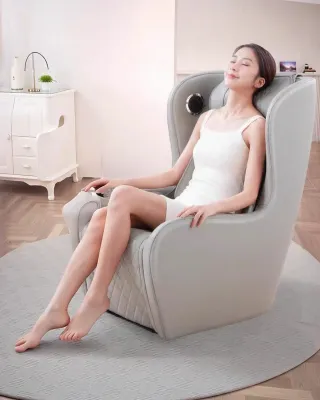
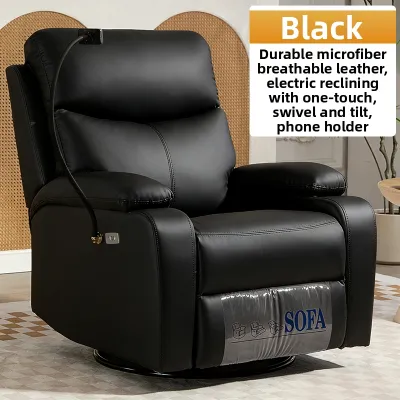
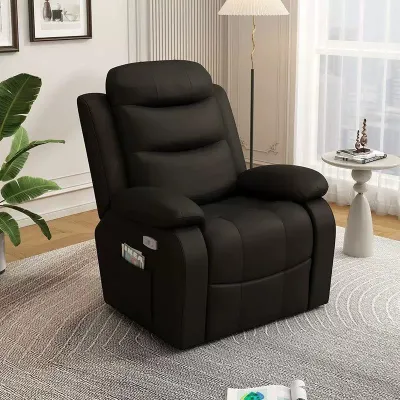
Prices are valid at publication and may change. Please refer to the product page for the latest price.
Roller Mechanisms and Track Designs
The core of any massage chair is its roller mechanism, which dictates the depth, direction, and rhythm of the massage. These mechanisms are generally categorized by their range of motion:
- 2D Rollers: These entry-level mechanisms move on a two-dimensional plane (up and down, left and right). They offer a consistent, flat massage but cannot adjust to the varying depth of your back.
- 3D Rollers: These systems add an in-and-out motion (the Z-axis), allowing the rollers to protrude forward into your muscles. This depth adjustment is crucial for targeting deep-tissue knots in the neck, shoulders, and lumbar region.
- 4D Rollers: Operating on the same physical axes as 3D rollers, 4D systems introduce dynamic speed and rhythm variations. The rollers can slow down as they press into tight muscle groups and speed up during lighter transitions, mimicking the natural tempo of human hands.
The path these rollers travel is determined by the internal track design. An S-track follows the natural curvature of the spine from the neck down to the lower back, but stops at the lumbar region. An L-track extends further down, running under the seat to massage the glutes and upper hamstrings, though it sometimes loses some of the spine’s natural curve. The modern SL-track combines the best of both designs, maintaining the spinal S-curve while extending the massage path from the head down to the thighs. When comparing models, verify the exact roller protrusion limits (often measured in millimeters) and the total track length in the manufacturer’s technical specifications to ensure the chair matches your physical height and massage preferences.
Airbag Compression, Heating, and Zero-Gravity
While rollers target the spine, secondary technologies provide full-body relief, promote circulation, and enhance the overall therapeutic effect of the session.
Airbag compression systems target areas that rollers cannot reach, such as the shoulders, forearms, calves, and feet. Brands differ significantly in how they engineer these systems. Rather than focusing solely on the total number of airbags, look at the number of independent air pumps and multi-stage valves. Advanced systems use sequential compression—inflating airbags in a specific order (for example, from the ankle up to the calf) to encourage lymphatic flow and blood circulation, rather than inflating all zones simultaneously.
Thermal therapy is another critical feature, typically delivered via heating elements in the lumbar region, calves, or feet. Some premium chairs incorporate heated rollers that apply direct warmth as they move along the track, which is highly effective at relaxing stiff muscle fibers before deep-tissue pressure is applied.
Finally, the zero-gravity recline feature positions your body in a posture where the knees are elevated slightly above the heart, distributing your body weight evenly across the chair. This position minimizes the gravitational load on your spine, allowing for a deeper, more effective roller massage. When evaluating zero-gravity models, always check the physical clearance required behind the chair; standard models need significant space to recline, while space-saving designs slide forward on their base as they tilt.
Evaluating Build Quality and Durability
A massage chair is a complex mechanical appliance containing multiple motors, air pumps, electronic boards, and moving parts. Evaluating the build quality of both the exterior materials and the internal chassis is vital to ensuring your investment lasts for years.

Upholstery, Padding, and Frame Materials
The choice of upholstery is particularly critical in Singapore, where high relative humidity can accelerate the degradation of synthetic materials. Most massage chairs utilize synthetic leather, such as Polyurethane (PU) or Polyvinyl Chloride (PVC), because natural leather can dry out, crack, and stretch under the constant friction of mechanical rollers.
However, cheap PU and PVC are highly susceptible to hydrolysis—a chemical breakdown caused by moisture in the air, which leads to peeling, flaking, and a sticky surface texture. When shopping, look for manufacturers that specify the use of medical-grade synthetic leather or highly durable EPU (environmental polyurethane) that has been rated for hydrolysis resistance (often tested to withstand 5 to 10 years of humid conditions). Always check the manufacturer’s care instructions; regular wiping with a dry microfiber cloth is typically recommended, and you should avoid placing the chair in direct sunlight or highly humid areas of the home.
Beneath the upholstery, the quality of the padding determines how comfortable the chair remains over time. High-density polyurethane foam or multi-layered memory foam is essential. Low-density foam will compress permanently after a few months of use, causing you to feel the hard plastic and metal edges of the roller track.
The foundation of the chair is its internal frame. High-quality chairs utilize a powder-coated steel chassis that resists rust and provides a stable, rigid platform. Avoid chairs that rely heavily on plastic structural joints or lightweight aluminum in high-stress areas, as these materials can warp, creak, and wear out prematurely under regular use.
Motor Performance, Noise Levels, and Weight Capacity
The performance of the internal motors directly affects the smoothness of the massage and the lifespan of the appliance. Premium chairs utilize brushless DC motors, which generate less heat, operate quietly, and offer superior torque control compared to cheaper brushed motors.
Operational noise is a key consideration, especially if you live in an open-concept HDB flat or condominium. A noisy air pump or grinding roller motor can disrupt the relaxing atmosphere of your home. While manufacturers rarely publish official decibel (dB) ratings, you can verify noise levels by testing the chair in a quiet showroom environment, paying close attention to the sound of the air pumps during rapid inflation and deflation cycles.
Additionally, always check the chair’s maximum weight capacity and recommended user height limits. Operating a chair near or above its rated weight capacity strains the electric motors and drive belts, leading to premature mechanical failure and potentially voiding your warranty.
Brand Positioning and Feature Focus in Singapore
In Singapore’s competitive retail landscape, brands position their products to appeal to different household demographics, spatial limitations, and wellness priorities.
Premium, full-featured models are designed for spacious homes where dedicated relaxation areas are available. These chairs prioritize advanced 4D roller systems, highly customizable smart body scanning (which uses optical sensors to map your shoulder height and spinal curvature before starting), and comprehensive heating and compression zones. They are engineered for maximum therapeutic impact and often feature complex, downloadable massage programs controlled via mobile applications.
Conversely, many brands offer compact, space-saving models tailored specifically for HDB flats and condominiums where floor area is at a premium. These chairs often feature a “wall-hugging” design, requiring only a few centimeters of clearance behind the backrest to achieve a full recline. While they may feature slightly simplified roller tracks (such as 3D or 2D systems) or fewer airbag zones, they deliver effective daily relaxation without overwhelming your living room layout.
When comparing brands, pay close attention to their local after-sales service infrastructure. A long warranty period is only valuable if the brand has an established, authorized service center in Singapore with a reliable supply of replacement parts. Verify whether the warranty includes on-site technician visits, as transporting a heavy massage chair for repairs is highly impractical.
How to Choose the Right Massage Chair for Your Home
To narrow down your options and select the right massage chair, use this conditional decision framework based on your specific living situation and physical needs:
- Choose a premium SL-track 4D model if: You suffer from chronic muscle tension, require highly targeted deep-tissue therapy, and have ample floor space in your living room or study to accommodate a large footprint.
- Choose a compact, wall-hugging model if: You live in a space-constrained apartment, need to maximize your living area, and prioritize a tidy aesthetic over advanced, high-intensity roller customization.
- Choose a model with extensive airbag and heating features if: Your primary goals are stress relief, gentle muscle relaxation, and improved circulation in your legs and feet, rather than intense spinal manipulation.
Before making a final purchase, complete this essential “Verify First” Checklist:
- Measure Doorways and Lifts: Ensure the finished dimensions of the chair (both in its shipping box and fully assembled) can safely pass through your apartment's main door, internal corridors, bedroom doors, and the passenger lift.
- Check Floor Load and Protection: Verify the weight of the chair (which can range from 80 kg to over 150 kg). Place a high-density protective mat under the chair to distribute the weight and protect delicate parquet, marble, or vinyl flooring from indentation.
- Assess Power Outlet Proximity: Ensure there is a dedicated wall outlet near the intended installation spot. Avoid using long extension cords or overloading power strips with other high-draw appliances.
- Confirm Warranty Terms: Read the fine print of the local warranty. Confirm how many years are covered for parts versus labor, and ensure that on-site service is included for the duration of the warranty period.
Frequently Asked Questions (FAQ)
Do massage chairs consume a lot of electricity?
No, modern massage chairs are highly energy-efficient. Most models operate on a power draw of between 100 to 250 watts, which is comparable to running a desktop computer or a large television. The power consumption only increases slightly when you activate multiple heating elements and run all air pumps and roller motors simultaneously. You can verify the exact electrical requirements by checking the wattage rating on the product safety label before purchase.
How much clearance space is needed behind a wall-hugging massage chair?
Wall-hugging or space-saving massage chairs are engineered with a sliding base mechanism. As the chair reclines, the entire body slides forward on a curved track, minimizing the space needed behind the backrest. While traditional recline chairs require up to 50 cm of clearance, wall-hugging models typically require only 5 to 15 cm of clearance from the wall. Always verify the exact minimum clearance dimensions in the manufacturer’s specification sheet to ensure a proper fit in your home.
Community discussion
Share your experience or ask a question. Comments are reviewed before publication.