
Quick Answer: Which Massage Chair Brand is Best for Your Lower Back?
Finding the most effective massage chair for lower back relief depends entirely on matching your specific lumbar needs with the right mechanical design. There is no single brand that serves as a universal cure-all, as individual pain profiles vary from acute muscle tightness to structural spinal compression.
To make an informed decision, you must evaluate how different brands engineer their roller tracks, airbag systems, and heating elements. Some manufacturers focus on high-intensity, deep-tissue roller movements that mimic intense manual therapy, while others prioritize gentle spinal decompression through zero-gravity positioning and targeted air compression.
Before purchasing, always check the manufacturer’s technical specifications for roller adjustability and track coverage. If you have an underlying medical condition, consult a healthcare professional to ensure mechanical massage is safe for your spine.
Products mentioned in this guide
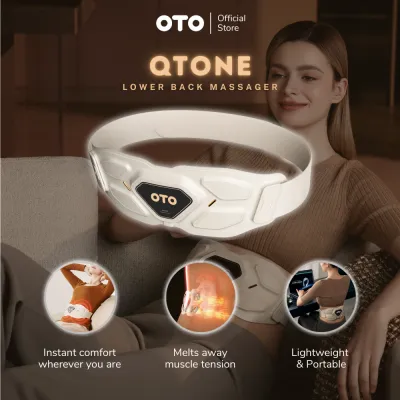
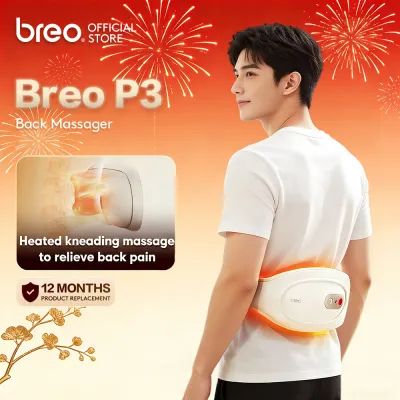
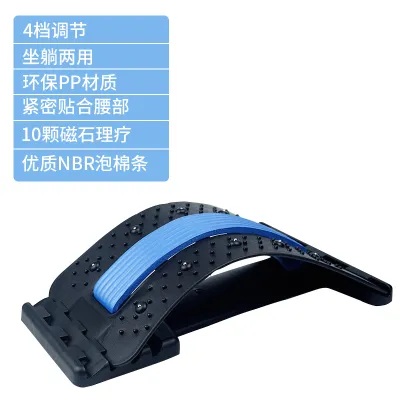
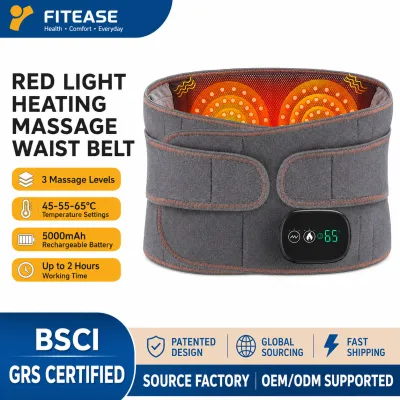
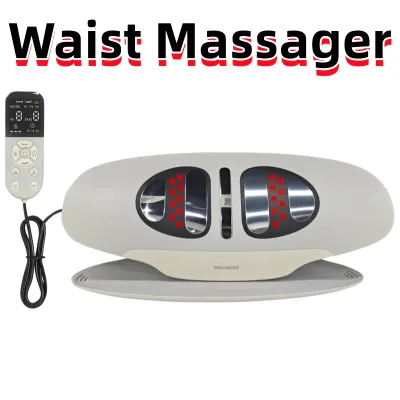
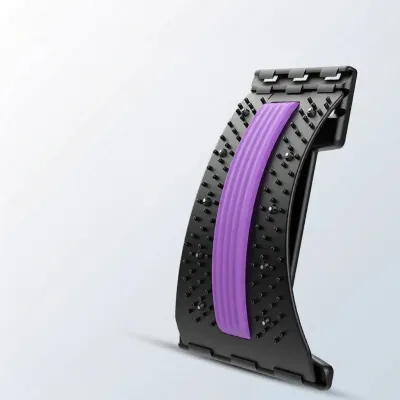
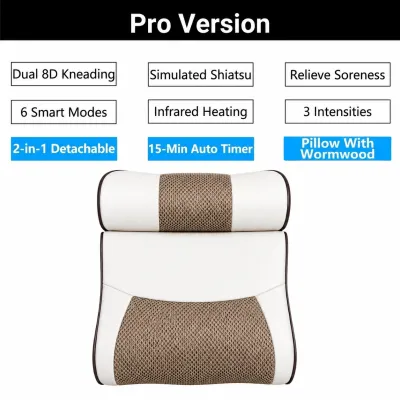
Prices are valid at publication and may change. Please refer to the product page for the latest price.
Key Mechanisms That Define Lower Back Massage Effectiveness
To understand how a massage chair will perform on your lower back, you must look past marketing terminology and examine the core mechanical components. The effectiveness of any lumbar massage is determined by three primary systems working in unison: the roller mechanism, the airbag network, and the heating elements.

Roller Types and Dimensional Movement
The rollers are the core of the massage experience, and their movement capabilities dictate how precisely they can target the lumbar curve. Standard 2D rollers move only vertically and horizontally, which often results in them passing over the lower back without making firm contact because of the natural inward curve of the lumbar spine.
To address this gap, advanced chairs utilize 3D or 4D roller mechanisms. A 3D system allows the rollers to protrude forward and retract backward, enabling them to press deeply into the lower back arch. A 4D system refines this further by dynamically adjusting the speed of the rollers as they protrude, mimicking the acceleration and deceleration of a professional therapist’s hands.
The path these rollers travel is determined by the track design. An S-track follows the natural curvature of the spine from the neck to the lower back, offering excellent contouring but stopping at the waist. An L-track extends past the lower back, traveling under the seat to reach the glutes and hamstrings. For comprehensive lower back relief, an extended L-track is highly beneficial, as tight gluteal muscles are a frequent, overlooked contributor to lumbar tension.
Airbag Compression and Pelvic Stabilization
Airbags do not replace rollers; instead, they perform a vital supporting role by stabilizing your body. When airbags located around the hips, pelvis, and thighs inflate, they hold your lower body firmly in place. This stabilization prevents your body from shifting away when the back rollers protrude, ensuring the rollers can apply the intended depth of pressure to your lumbar muscles.
Additionally, coordinated airbag inflation can facilitate gentle stretching. By inflating one side of the pelvic airbags while deflating the other, some chairs can gently twist the hips, helping to relieve rotational tension in the lower back. Other systems use thigh and shoulder airbags to hold the body while the chair reclines, creating a traction-like stretch along the spine.
Heat Therapy Placement
Heat is a powerful tool for preparing tight muscles for deep tissue work. Applying heat to the lumbar region dilates blood vessels, increasing local circulation and delivering oxygen to damaged tissues. This process helps to relax rigid muscle fibers, making them more pliable and receptive to the mechanical action of the rollers.
When comparing models, verify the exact location and type of heating elements. Some chairs feature stationary heating pads built into the lumbar fabric, while others utilize heated rollers that apply warmth directly to the muscles as they move. Heated rollers provide a more dynamic therapy, but stationary pads often deliver a more consistent, intense heat to the lower back throughout the entire session.
How Leading Brands Approach Lumbar Massage (Condition-Based Comparison)
Different massage chair brands design their systems around distinct therapeutic philosophies. To find the right chair, you should match these design approaches with your specific physical symptoms and comfort preferences.
Deep-Tissue Roller Focus for Chronic Muscle Knots
If your lower back pain is characterized by deep, stubborn muscle knots and a preference for intense pressure, look for brands that prioritize high-performance 4D roller mechanisms. These chairs are engineered to deliver firm, localized pressure that penetrates deep into the muscle layers.
When evaluating these models, ensure the chair allows you to manually adjust the roller depth across multiple levels. A high-quality deep-tissue chair should also offer a “spot massage” function, allowing you to pause the automatic program and lock the rollers onto a specific tight spot in your lumbar region for targeted relief.
Airbag Stretching and Zero-Gravity for Spinal Decompression
For individuals who find direct, heavy roller pressure painful or uncomfortable, brands that emphasize zero-gravity positioning and airbag-assisted stretching are highly suitable. The zero-gravity position reclines the chair so that your knees are elevated slightly above your heart, distributing your body weight evenly across the chair.
This positioning reduces the gravitational pressure on your spinal discs, allowing the surrounding muscles to relax. When combined with inflating airbags that gently grip your shoulders and hips, the chair can perform decompression stretches that alleviate pressure on compressed lumbar discs without relying on aggressive roller force.
Extended L-Tracks for Radiating Lumbar and Gluteal Tension
Lower back pain is frequently caused or worsened by tightness in the glutes, piriformis, and hamstrings. If your discomfort radiates downward from your lower back into your seat, prioritize brands that feature long L-tracks paired with dedicated lumbar heating.
These chairs ensure that the transition from the lower back to the glutes is seamless, addressing the entire posterior chain. The combination of heat in the lumbar region and rolling massage under the seat helps release the tension that pulls on the pelvis, promoting better overall spinal alignment.
Essential Safety and Medical Considerations
While massage chairs are excellent tools for general muscle relaxation, they are not medical devices and can potentially aggravate certain spinal conditions. If you suffer from a herniated disc, sciatica, spondylolisthesis, spinal stenosis, or severe osteoporosis, mechanical compression and intense roller movements can worsen your symptoms.
Before using any massage chair for a diagnosed spinal issue, obtain clear guidance from your physician or physical therapist. When testing a chair, always start on the lowest intensity setting and use a manual program to ensure the movements do not cause sharp pain or discomfort.
What to Verify Before Choosing a Lower Back Massager
Investing in a massage chair is a significant decision that requires careful logistical planning, especially within Singapore’s unique residential landscape. To avoid delivery issues and ensure long-term satisfaction, verify several practical factors before making a purchase.
Delivery Access and Doorway Dimensions
Massage chairs are incredibly heavy, often weighing between 80kg and 150kg, and they are typically delivered in large, bulky boxes. Because many residential properties in Singapore feature narrow corridors, tight elevator doors, or specific entryway configurations, measuring your space is critical.
Before ordering, obtain the exact packaging dimensions and the “minimum clearance width” required for delivery from the retailer. Measure your apartment’s main door, any internal room doors the chair must pass through, and the dimensions of your building’s lift to ensure the delivery team can safely transport the unit into your home.
Reclining Footprint and Floor Space
To experience the full benefits of features like zero-gravity positioning, a massage chair must recline fully. This action requires a substantial amount of physical space behind and in front of the chair.
Check if the model you are considering features a “space-saving” slide-forward mechanism. Chairs with this design slide forward on a track as they recline, requiring as little as 5cm to 10cm of clearance from the wall behind them. Models without this feature may require up to 50cm of clearance, which can severely limit placement options in smaller living rooms.
Height and Weight Capacities
For a massage chair to target your lower back effectively, your body must align correctly with the internal sensors and rollers. Most modern chairs perform an automatic body scan when turned on, but they still operate within physical height and weight limits.
Review the manufacturer’s specifications to ensure your height and weight fall comfortably within the recommended range. If a user is too tall, the rollers may not reach the lower lumbar region; if a user is too short, the shoulder rollers may press uncomfortably against the back of the head.
Warranty and Local Service Support
Because massage chairs contain complex mechanical, electronic, and pneumatic systems, reliable local after-sales support is essential. Verify the terms of the manufacturer’s warranty, paying close attention to what is covered under parts versus labor.
Ensure the brand has an established local service center in Singapore that can dispatch technicians to your home for repairs. Transporting a massive chair for servicing is highly impractical, making in-home warranty service a crucial feature to confirm before buying.
Frequently Asked Questions (FAQ)
Can a massage chair worsen existing lower back pain?
Yes, a massage chair can aggravate lower back pain if used incorrectly, for too long, or on an acute injury. When muscles are actively inflamed or spasming, intense roller pressure can cause the muscles to contract further to protect themselves, leading to increased soreness or bruising.
If you experience sharp, shooting pain, numbness, or tingling that radiates down your legs, stop using the chair immediately, as these are signs of nerve compression. To prevent soreness, limit your initial sessions to 10 or 15 minutes on a gentle setting, and gradually increase the intensity only as your body adapts.
Is an L-track or S-track better for lower back relief?
The choice between an S-track and an L-track depends on the source of your lower back discomfort. An S-track is designed to follow the natural curve of your spine, ending at the lower back. This design often allows for a more pronounced, deeper stretch in the lumbar region because the mechanism is focused solely on the back.
An L-track extends past the lower back to massage the glutes and upper hamstrings. If your lower back pain is connected to tight hip and gluteal muscles, an L-track is generally more effective because it addresses these contributing areas. However, you should verify that the specific L-track model has sufficient roller protrusion to maintain firm contact with your lumbar curve.

Community discussion
Share your experience or ask a question. Comments are reviewed before publication.