
Quick Answer: What Age is Safe for a Loft Bed?
When determining the right time to transition your child to an elevated sleeping space, standard safety guidelines and manufacturers typically recommend a minimum age of six years old. This age threshold is established because younger children generally lack the physical coordination and spatial awareness required to navigate heights safely, especially during the night. However, chronological age is merely a baseline indicator and should never be the sole factor in your decision.
Before introducing a loft bed into your home, you must verify the specific manufacturer’s age label and safety warnings, as some designs may have more stringent requirements. True safety depends on pairing this age recommendation with an honest assessment of your child’s physical development, behavioral maturity, and sleep habits. A child who is technically six but prone to sleepwalking or roughhousing may not be ready for an elevated bed, whereas a highly coordinated, rule-following child of the same age might transition smoothly. Ultimately, these age guidelines serve as a starting point, and parents must evaluate their child’s individual readiness before making a purchase.
Assessing Developmental Readiness and Behavior
Evaluating your child’s sleep habits is the first critical step in determining if they are ready for a loft bed. Children who sleep restlessly, toss and turn excessively, or frequently wake up disoriented in the middle of the night face a much higher risk of accidental falls. Additionally, if your child regularly needs to use the bathroom during the night, they must be able to navigate the ladder safely while groggy. If your child is prone to sleepwalking or experiences frequent night terrors, an elevated bed is generally not recommended, as these conditions significantly increase the likelihood of nighttime falls.
Products mentioned in this guide
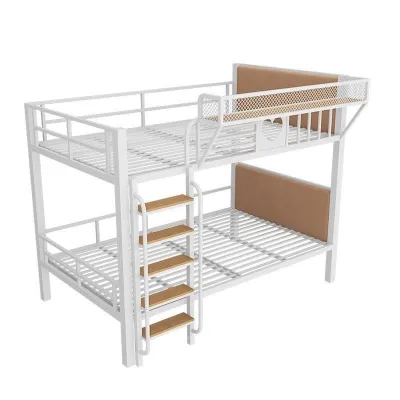
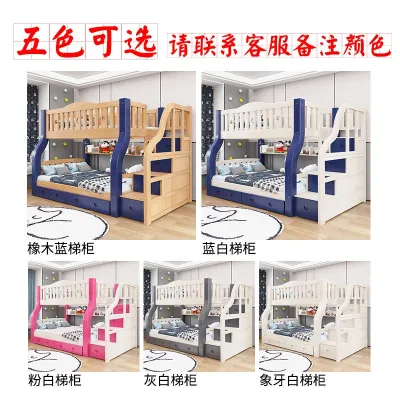
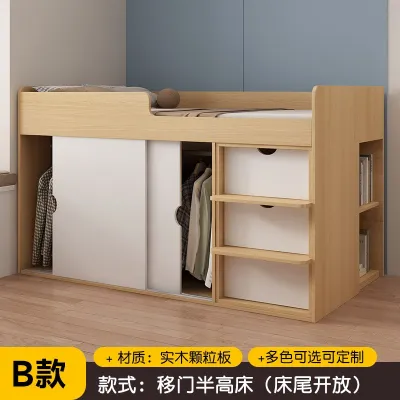
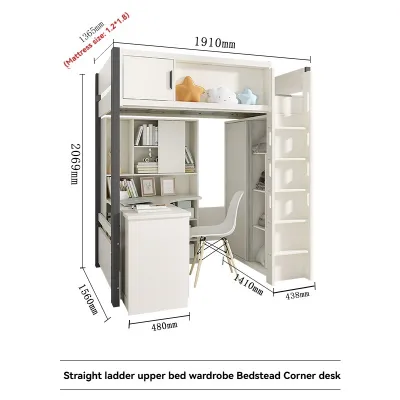
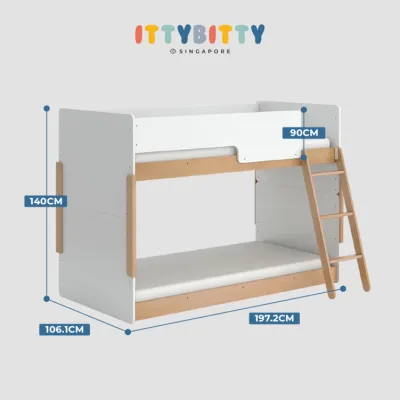
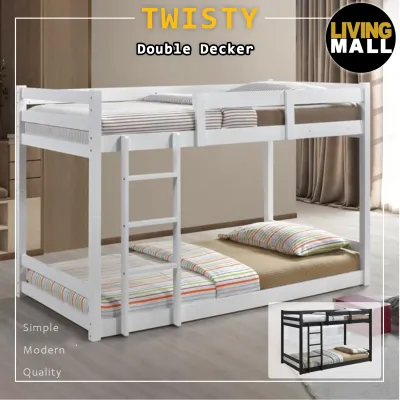
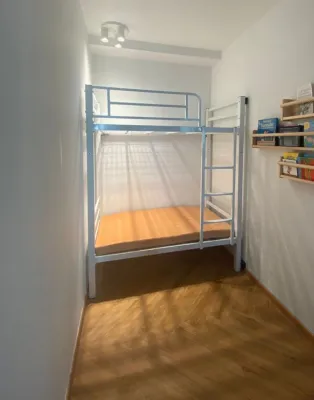
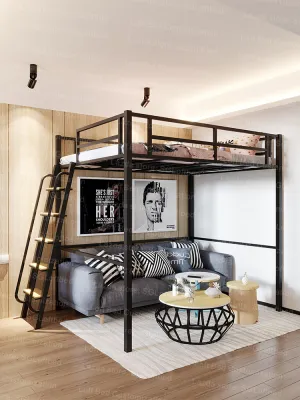
Prices are valid at publication and may change. Please refer to the product page for the latest price.

Physical coordination is another essential pillar of developmental readiness. Your child must possess the motor skills and grip strength to climb up and down the ladder confidently without slipping. It is helpful to observe how they handle similar climbing structures at local playgrounds or on smaller household steps. Keep in mind that climbing down a ladder in a dark or dimly lit bedroom requires a higher level of coordination than climbing up in broad daylight. If your child struggles with balance or hesitates on vertical ladders, it is wise to delay the transition until their physical skills mature.
Behavioral compliance is just as important as physical ability when it comes to elevated safety. A loft bed is a piece of furniture, not playground equipment, and your child must be mature enough to understand and respect this distinction. You need to assess whether your child is willing to follow strict household rules, such as never jumping on the mattress, not playing on the ladder, and keeping toys off the elevated platform. If your child tends to test boundaries or enjoys roughhousing in their bedroom, the risk of a fall increases dramatically, making a standard single bed a safer choice for the time being.
Essential Structural Safety Features to Verify
When shopping for a loft bed for kids, the guardrails are your primary line of defense against falls. You must verify that the bed features continuous guardrails on all four sides, even if the bed is positioned directly against a wall. A common hazard occurs when a child slips into the gap between the bed frame and the wall, so full-length guardrails are essential. Additionally, the top of the guardrail must extend significantly above the top surface of the mattress. Standard safety recommendations suggest a clearance of at least 12.7 centimeters (five inches) from the top of the mattress to the upper edge of the guardrail to prevent a rolling child from tumbling over the side.
The design and stability of the ladder require close inspection before you finalize your purchase. Ladders should be securely attached to the bed frame with robust hardware rather than simply hooked over the edge, which can lead to slipping. Examine the rungs to ensure they are wide enough to support your child’s feet comfortably and feature a slip-resistant texture or grip. You will also need to choose between a straight vertical ladder and an angled ladder. While angled ladders are generally easier for younger children to climb, they occupy more floor space, which is a key consideration in cozy Singapore bedrooms where floor area is at a premium.
Mattress fit is a critical structural detail that is frequently overlooked but carries significant safety implications. You must check the manufacturer’s specifications for the exact mattress dimensions required for the specific loft bed model. A mattress that is too small will leave dangerous gaps along the sides or ends of the bed, creating a severe entrapment hazard for a child’s limbs or head. Conversely, a mattress that is too thick will reduce the effective height of the guardrails, rendering them useless. Always measure the mattress thickness and compare it against the bed frame’s maximum allowable mattress height before installation.
Finally, you must verify the manufacturer’s stated maximum weight capacity for the loft bed. This limit must accommodate not only your child’s current weight but also the weight of the mattress, pillows, heavy blankets, and any toys they might bring up with them. It is also important to factor in your child’s projected growth over the next few years to ensure the bed remains safe as they get older. Keep in mind that solid timber frames and heavy-duty metal frames generally offer different weight capacities and structural stabilities, so you should review the product specifications carefully to match your family’s needs.
Room Environment and Installation Safety
Before purchasing a loft bed, you must carefully measure your room’s vertical space to ensure adequate ceiling clearance. A child sitting up in bed should have ample headroom to prevent them from bumping their head against the ceiling. In Singapore, where standard residential ceiling heights typically range around 2.6 meters, choosing a loft bed requires precise calculations. As a general rule, aim for at least 76 to 90 centimeters of clear space between the top of the mattress and the ceiling. If your home has lower ceilings or false ceiling installations, a low-profile loft bed may be a more appropriate and comfortable option.
Hazard mapping within the bedroom is another vital step in the planning process. You must position the loft bed well away from potential dangers such as ceiling fans, light fixtures, wall-mounted air conditioning units, and windows. A ceiling fan positioned too close to an elevated bed poses a severe risk of injury if a child sits up or raises their arms. Additionally, ensure the bed is kept far from window blind cords or electrical wires to eliminate any risk of entanglement. Take a detailed look at the layout of the room from the perspective of the elevated platform to identify and eliminate these hazards before assembly.
Proper assembly and secure anchoring are fundamental to the structural integrity of any elevated bed. You must follow the manufacturer’s assembly instructions precisely, ensuring every bolt, screw, and bracket is installed exactly as directed. Never skip steps or substitute hardware, as this can compromise the stability of the entire frame. Depending on the design and the manufacturer’s recommendations, you may need to anchor the loft bed directly to the wall to prevent tipping. In Singapore apartments, which often feature solid concrete walls, you will need to use appropriate masonry drills, plugs, and heavy-duty screws to achieve a secure, wobble-free anchor.
Establishing Daily Safety Rules and Maintenance
Once the loft bed is safely installed, establishing clear household rules is essential for maintaining a safe sleeping environment. Teach your child that the ladder is the only approved method for entering and exiting the bed, and that sliding down the support posts or jumping from the top platform is strictly forbidden. Limit the elevated space to one child at a time to prevent accidental collisions or overloading the frame’s weight capacity. Furthermore, make it a strict rule that no items such as ropes, belts, bags, or clothing are hung from the bed frame or guardrails, as these can easily become dangerous strangulation hazards.
Maintaining the safety of a loft bed requires a commitment to regular structural inspections. Over time, the natural movement of a child climbing and shifting on the bed can cause hardware to loosen. You should consult the product manual for the manufacturer’s recommended maintenance schedule, which typically advises checking and tightening all connection points every few months. During these checks, inspect the wooden or metal joints for signs of wear, ensure the ladder remains firmly attached, and verify that the guardrails are secure and show no signs of wobbling. If you notice any structural instability, restrict access to the bed immediately until it can be properly repaired.
Knowing when to retire or modify a loft bed is just as important as knowing when to buy one. As your child grows, they will eventually approach the manufacturer’s maximum weight limit or outgrow the physical dimensions of the bed. If you observe persistent wobbling that cannot be resolved by tightening the hardware, or if the frame material begins to crack or bend, it is time to stop using the bed. In such cases, you should contact the manufacturer or a qualified furniture professional to source genuine replacement parts or determine if the structure can be safely repaired, rather than attempting makeshift fixes.
Frequently Asked Questions (FAQ)
Can a toddler or preschooler safely use a low loft bed?
No, toddlers and preschoolers should not use standard or low loft beds. While low loft beds feature a lower clearance and are closer to the ground than traditional models, they still present elevated fall hazards that young children are not developmentally equipped to handle. You must always check the manufacturer’s specific age grading, safety warnings, and minimum age requirements before purchasing any elevated bed. For toddlers and preschoolers, a standard single bed or a toddler bed with low-profile safety rails remains a safer option to prevent accidental falls.
What type of mattress is safest for a kids' loft bed?
The most suitable mattress for a kids’ loft bed is one that matches the exact dimensions specified by the bed manufacturer and does not exceed the recommended maximum thickness. A mattress that is too thick will reduce the effective height of the guardrails, making it easier for a child to accidentally roll over the edge. Typically, manufacturers recommend a mattress thickness of no more than 15 to 20 centimeters for elevated beds, but you must verify the specific limit in your product manual. Additionally, choose a firm mattress that fits snugly within the frame to eliminate any dangerous gaps along the sides.
How often should I inspect the loft bed's hardware?
You should consult your product’s user manual for the manufacturer’s specific maintenance and hardware tightening schedule, which often recommends inspections every three to six months. However, you should perform an immediate inspection if the bed is moved to a new position in the room, subjected to unusual stress such as rough play, or if you notice any wobbling or squeaking during daily use. Regularly checking and tightening the bolts, screws, and brackets ensures the structural integrity of the frame remains intact and prevents joint failure over time.
Community discussion
Share your experience or ask a question. Comments are reviewed before publication.