
Whether you can repair a damaged leather seat or must replace it depends on the depth of the damage, the type of material, and the structural integrity of the underlying cushion. Minor surface issues like scuffs, light scratches, and localized fading are highly repairable with the right tools and techniques. Conversely, deep tears across seams, widespread peeling on synthetic alternatives, and collapsed internal foam usually demand professional reupholstery or a complete seat replacement.
Evaluating your furniture early prevents minor wear from expanding into irreparable structural failure. By understanding the specific characteristics of your seat’s material and the severity of the wear, you can make an informed, cost-effective decision that restores both comfort and appearance to your living space.
Quick Diagnosis: Is Your Leather Seat Beyond Repair?
Before investing time in DIY fixes or calling in a specialist, a rapid visual and tactile assessment can clarify your options. Run your hands across the damaged area to check if the leather still retains its flexibility or if it has become brittle and paper-thin. Press down firmly on the cushion to feel if the support structure beneath remains intact or if it sinks completely without resistance.
Products mentioned in this guide
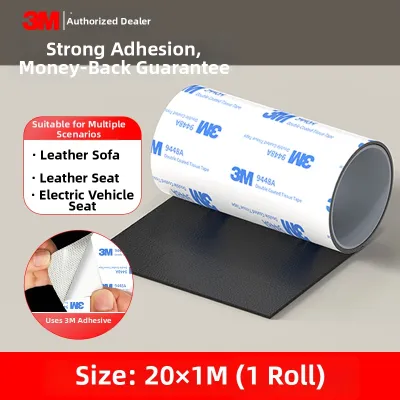
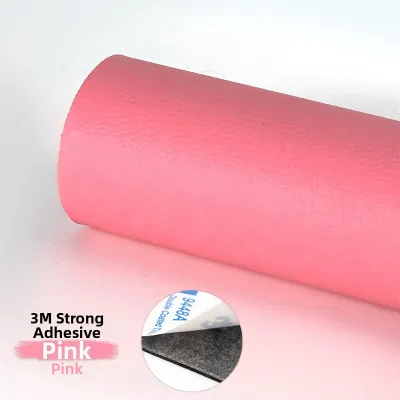
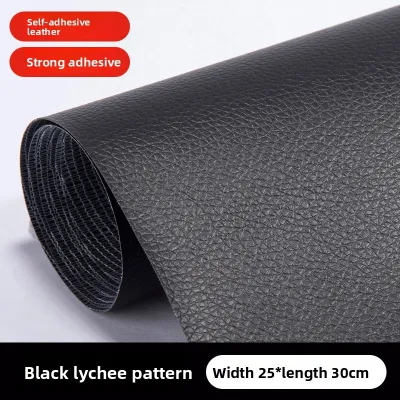
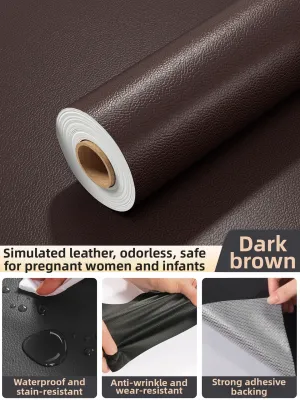
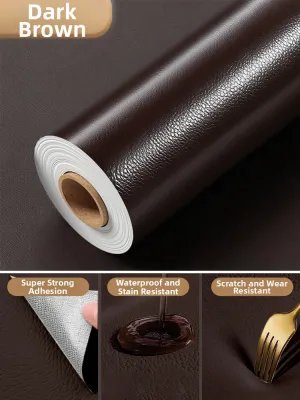
Prices are valid at publication and may change. Please refer to the product page for the latest price.
Indicators for Replacement or Reupholstery
- Structural Foam Collapse: The seat cushion remains permanently sunken, or you can feel the internal wooden frame or metal springs when sitting.
- Extensive Dry Rot: The leather feels extremely dry, stiff, and cracks or crumbles into dust when lightly flexed.
- Large Missing Sections: Gaps in the material where the leather has torn away completely, leaving the underlying foam exposed over a wide area.
- Widespread Peeling: The top color layer is flaking off in large sheets, which is a classic sign of degraded synthetic or bonded leather.
Indicators for Repair
- Surface Scratches: Shallow marks from pet claws, keys, or zippers that have not penetrated through the backing of the leather.
- Minor Scuffs and Fading: Light wear on high-use areas, such as the front edge of the seat cushion or the armrests, where the color has faded but the leather remains strong.
- Small Punctures: Tiny holes from sharp objects that are less than a few millimeters in diameter and have clean, non-frayed edges.
- Localized Cracking: Fine hairline cracks on the surface coating that do not extend through the entire thickness of the hide.
If you notice deep structural damage, complex tears along stitched seams, or if you are dealing with a high-value antique piece, stop any DIY attempts immediately. Applying incorrect retail products can permanently alter the leather’s surface, making professional restoration much more difficult and expensive.
Identifying the Type and Severity of Leather Damage
To choose the correct path forward, you must categorize the damage based on observable physical signs. Leather wear generally falls into three distinct categories: surface-level wear, material degradation, and underlying structural issues. Each category requires a different level of intervention.

Surface-level issues are primarily cosmetic and do not threaten the structural integrity of the seat. These include light scratches, minor scuffs, and color fading. In tropical climates like Singapore, constant exposure to sunlight through large windows and dry air from air-conditioning units can accelerate color fading and dry out the surface oils. Fortunately, these issues are usually confined to the protective topcoat of the leather, meaning the fibrous structure underneath remains perfectly healthy.
Material degradation represents a deeper level of damage where the actual physical integrity of the cover is compromised. This includes deep cracks, peeling, and tears. Cracking occurs when the leather loses its moisture and natural oils, causing the fibers to shrink and split under pressure. Peeling is highly common in bonded or faux leather, where the synthetic polyurethane layer separates from its fabric backing. Tears occur when a scratch or crack is subjected to tension, pulling the fibers apart and creating an open wound in the material.
Underlying structural issues involve the components beneath the leather cover, such as the polyurethane foam, webbing, springs, or the internal frame. If your seat sags, feels uneven, or makes creaking noises when you sit down, the issue is structural. Even if the leather cover looks pristine, a failed internal structure will cause the leather to stretch unevenly, leading to rapid wrinkling, cracking, and eventual tearing along stress points.
When Leather Seat Repair is the Right Choice
Repairing your existing leather seat is highly practical when the damage is localized and the material itself is genuine leather. Genuine leather possesses a dense, fibrous structure that responds exceptionally well to conditioning, fillers, and specialized dyes. A successful repair not only restores the visual appeal of the furniture but also reinforces the damaged area, preventing further tearing.
For minor surface damage, commercial leather repair kits containing color-matched compounds, grain papers, and adhesives are highly effective. If the damage is slightly deeper but still localized—such as a small tear or a deep scratch—a professional technician can apply a flexible sub-patch beneath the leather, fill the gap with a specialized curing compound, and meticulously color-match the area to blend seamlessly with the surrounding material.
When evaluating the financial aspect, localized repairs are highly cost-effective. A quality DIY repair kit typically costs under S$50, while hiring a professional technician for localized patching and recoloring generally ranges from S$100 to S$300, depending on the size of the damage. Compared to the cost of purchasing a new premium leather sofa or armchair, which can easily run into thousands of dollars, a targeted repair offers excellent value and extends the lifespan of your furniture by several years.
When Full Seat Replacement or Reupholstery is Necessary
There are clear limits to what surface repairs can achieve. When material failure is widespread or the underlying structure has collapsed, attempting a repair is a temporary cosmetic fix that will quickly fail under the daily stress of sitting. In these scenarios, full seat replacement or professional reupholstery is the only viable long-term solution.
Severe material failure, such as widespread dry rot or continuous peeling across multiple panels, cannot be repaired. Once genuine leather has dry rotted, the fibers have lost their structural strength and will continue to tear under minimal weight. Similarly, bonded leather that has begun to peel cannot be saved; the adhesive bond between the synthetic topcoat and the backing has failed permanently, and any patch applied will simply peel away along with the surrounding material.
Damage to the internal cushioning or frame also makes surface repairs pointless. If the foam has compressed completely or the internal springs have broken, the leather cover will sag into the hollow spaces. This lack of support subjects the leather to extreme stretching and tension every time someone sits down, causing any repair compound or patch to crack and fail almost immediately.
If you decide that replacement is necessary, keep practical logistics in mind. For those living in high-rise apartments, verify the finished dimensions of the new furniture against your doorway clearances, hallway turns, and lift dimensions. Sourcing a replacement seat or opting for professional reupholstery ensures you receive a product that is structurally sound, comfortable, and built to withstand daily use.
Step-by-Step Action Plan: What to Do Next
To address your damaged leather seat systematically, follow this clear decision tree based on your self-diagnosis results. Taking the correct steps in the right order prevents unnecessary expenses and ensures a durable result.
Path A: Basic DIY Maintenance and Minor Repair
- Clean the Area: Use a dedicated, pH-neutral leather cleaner and a soft microfiber cloth to remove all surface dirt, body oils, and dust from the damaged area.
- Condition the Leather: Apply a high-quality leather conditioner to restore moisture and flexibility to the surrounding fibers, allowing them to bend without cracking.
- Apply Repair Compound: For minor scratches or small punctures, apply a thin layer of color-matched leather repair compound or filler according to the product instructions.
- Protect the Finish: Once cured, apply a protective leather sealant to shield the repaired area from friction and UV exposure.
Path B: Seeking Professional Upholstery Services
- Take Clear Photos: Capture high-resolution photos of the damage from multiple angles, including one close-up shot and one wide shot showing the entire seat.
- Request Quotes: Contact local professional upholstery and leather restoration specialists to obtain detailed quotes and assessments.
- Verify Material Compatibility: Confirm with the specialist that the proposed repair method and color-matching process are suitable for your specific type of leather.
Path C: Sourcing Replacement Parts or a New Seat
- Check Manufacturer Warranty: Review your original purchase documentation to see if structural frame failures or material defects are covered under an active warranty.
- Measure Your Space: Carefully measure your room, doorways, and lift access to ensure any replacement furniture can be delivered safely.
- Select Durable Materials: When purchasing a replacement, prioritize top-grain or full-grain genuine leather over bonded options if long-term durability is your primary goal.
Before applying any retail repair kits, conditioners, or cleaning chemicals to your seat, always perform a spot test on an inconspicuous area, such as the underside of the cushion or the back of the frame. This simple check ensures the product will not cause discoloration, color transfer, or unexpected chemical reactions with the existing leather finish.
Frequently Asked Questions (FAQ)
Can I repair peeling bonded leather at home?
No, attempting to repair peeling bonded leather at home with liquid leather or patch kits only provides a very temporary cosmetic fix. Bonded leather consists of shredded leather scraps mixed with polyurethane binders and sprayed onto a fabric backing. Once this top synthetic layer begins to crack and peel away, it indicates that the adhesive bond has degraded completely across the material. Applying a repair compound over a flaking surface will not stop the surrounding areas from continuing to peel, meaning the entire cover will eventually need to be replaced or reupholstered.
How do I know if the damage is just cosmetic or structural?
You can differentiate between cosmetic and structural damage through simple tactile and visual checks. Press your hand firmly into the center of the seat cushion; if it bounces back quickly and feels firm, the damage is likely cosmetic and confined to the leather cover. If the cushion sinks deeply, feels lumpy, or if you hear squeaking, grinding, or cracking noises from the frame, the issue is structural. You can also inspect the underside of the seat by removing the dust cover to check for sagging webbing, broken springs, or cracked wooden rails.
Community discussion
Share your experience or ask a question. Comments are reviewed before publication.