
Choosing between leather patches and felt pads to protect your floors depends on how your furniture moves and the specific type of flooring in your home. Felt pads excel at preventing scratches on frequently moved items like dining chairs, allowing them to glide smoothly across hard surfaces. Leather patches, on the other hand, offer high resistance to compression and provide a firm grip, making them ideal for heavy, stationary furniture that needs to stay securely in place.
To make the right choice, you must evaluate the weight of your furniture, how often it is shifted, and the sensitivity of your floor finish. While both materials serve as protective barriers, they function in fundamentally different ways. Understanding these mechanics prevents costly damage to hardwood, laminate, vinyl, or tiled surfaces.
How Floor Protectors Actually Prevent Damage
Floor protectors work by distributing the weight of furniture over a larger surface area and reducing the direct friction between hard furniture legs and delicate floor finishes. When a chair is occupied, the downward force concentrates on small contact points, creating immense pressure. Without a buffer, this localized pressure can easily indent wood fibers or crack protective sealants.
Products mentioned in this guide
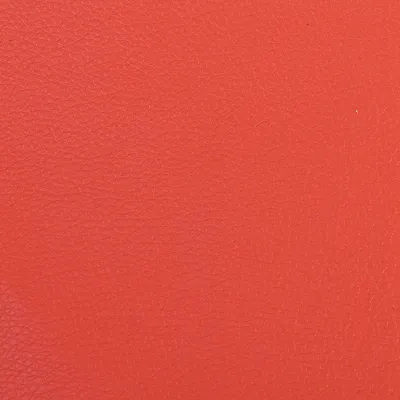
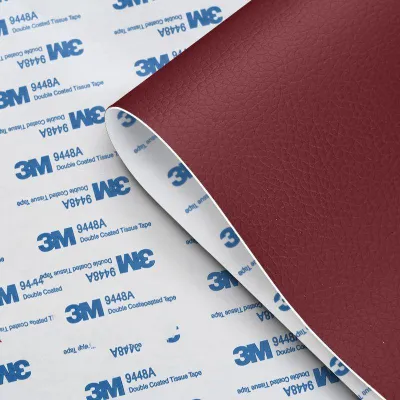
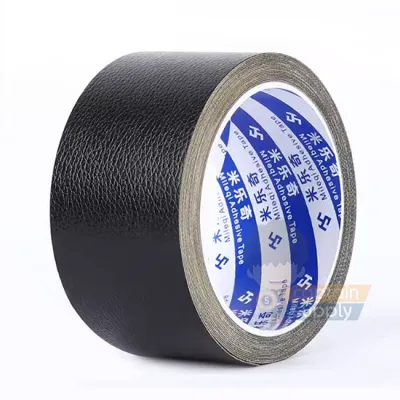
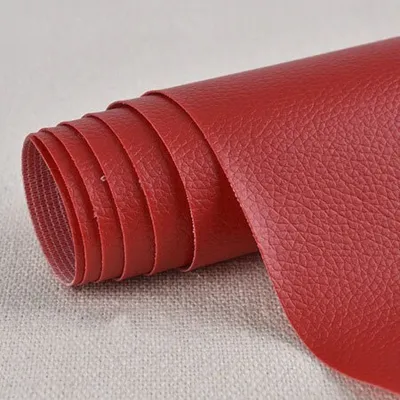
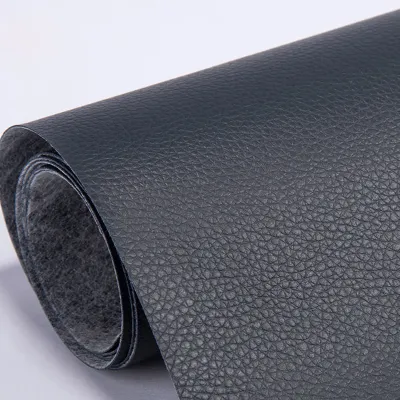
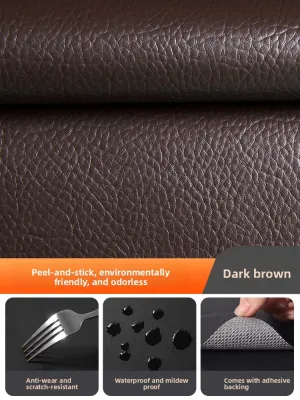
Prices are valid at publication and may change. Please refer to the product page for the latest price.
A standard dining chair carrying an adult can exert significant pressure on four small contact points. If each leg has a contact area of just a few square centimeters, the pressure is surprisingly high. This concentrated force can exceed the yield strength of softwoods like pine or even hardwoods like oak, leading to permanent indentations. Floor protectors increase the effective contact area slightly, but more importantly, they act as a dampening layer that absorbs sudden impacts.
The primary mechanical difference between protective materials lies in how they handle sliding friction versus static grip. Felt pads are engineered to minimize sliding friction, allowing furniture legs to slide across smooth floors with minimal resistance. This sliding action prevents the shearing forces that can tear or scratch polyurethane and wax coatings. Conversely, leather patches provide a high coefficient of static friction, which grips the floor surface to prevent accidental sliding and shifting.
Another critical factor is how these materials interact with household debris. Dust, sand, and small grit act like sandpaper when trapped beneath a heavy furniture leg. If a protector is too hard, it presses this grit directly into the floor finish, causing deep micro-scratches over time. A successful protector must either absorb these particles into its fibers or prevent them from sliding across the floor surface entirely.
When to Use Felt Pads (and When to Avoid Them)
Felt pads are the traditional choice for lightweight to medium-weight furniture that requires daily movement. Dining chairs, bar stools, and small side tables benefit immensely from the soft, fibrous texture of felt. The material allows these items to slide effortlessly, reducing noise and preventing surface scratches on smooth hardwood, laminate, and luxury vinyl tile.

Felt pads come in various forms, primarily synthetic polyester felt and dense wool felt. Wool felt is generally more resilient and retains its loft longer under moderate loads, whereas synthetic felt is common and highly cost-effective. You will also find self-adhesive felt pads and screw-in or nail-on varieties. While self-adhesive pads are easy to install, they can slide off center over time if the furniture is dragged frequently. Nail-on felt pads offer a more permanent attachment, but they carry a significant risk: if the felt wears down completely without being noticed, the exposed metal nail or screw will gouge deep grooves into your flooring.
However, felt pads have distinct limitations under heavy loads. Over time, the constant weight of large sofas, heavy dining tables, or wardrobes compresses the felt fibers into a hard, dense disc. Once compressed, the felt loses its cushioning ability and can no longer absorb impact or trap debris. Furthermore, felt pads tend to wear down quickly in high-traffic areas, requiring frequent inspection and replacement to avoid exposing the underlying furniture leg.
Debris accumulation is another significant drawback of felt. The fibrous structure that makes felt soft also acts as a magnet for pet hair, dust, and grit. When these particles become embedded in the felt, the pad itself becomes abrasive. If you use felt pads on waxed hardwood or sensitive polyurethane finishes, you must regularly check for grit buildup to ensure the pads are not actively scratching your floors. On rougher surfaces like textured slate or rustic terracotta tiles, felt pads will shred rapidly, leaving fibers behind and losing their protective qualities within weeks.
When to Use Leather Patches (and Their Limitations)
Leather patches are highly effective for heavy, stationary furniture that does not need to move. Items such as heavy bookcases, bed frames, storage cabinets, and large armchairs exert continuous downward pressure that would quickly flatten standard felt. Leather possesses natural density and toughness, allowing it to resist compression under substantial weight while protecting the floor from deep dents.
Genuine leather is composed of densely interwoven collagen fibers, which give it natural shock-absorption properties and incredible tensile strength. This fibrous network does not bottom out or flatten completely under heavy loads the way synthetic felt does. Consequently, a leather patch of 2mm to 3mm thickness can support heavy wardrobes, pianos, or solid timber dining tables without losing its protective qualities.
In addition to dent protection, leather patches are excellent for preventing unwanted movement. The natural texture of leather grips the floor, making it ideal for furniture placed on slick tiles or polished concrete where sliding could cause structural strain or wall damage. Leather patches are also useful for covering sharp, uneven metal legs or worn plastic glides on vintage furniture, providing a durable barrier that conforms to irregular shapes.
Despite these benefits, leather patches have notable limitations. They are not designed for sliding; attempting to drag furniture with leather patches can cause the material to catch, potentially tearing the patch or putting excessive stress on the furniture joints. Additionally, leather is sensitive to moisture. In humid environments or during floor mopping, leather can absorb water, which may weaken the adhesive backing or cause the leather to rot and stain sensitive wood finishes.
When selecting leather patches, it is essential to verify the material type on the product label. Genuine top-grain leather offers high durability and resistance to tearing, while bonded or faux leather (polyurethane-based) may degrade faster under heavy loads. Faux leather patches often have a slicker surface, which reduces their grip compared to genuine suede or split-leather alternatives.
Felt vs Leather: Matching Protectors to Your Floors
To choose the right material, you must compare how felt and leather perform across key household conditions. While felt is the clear winner for noise reduction and smooth sliding, leather excels in load-bearing capacity and preventing furniture drift.
| Performance Dimension | Felt Pads | Leather Patches | Verification & Action Steps |
|---|---|---|---|
| Scratch Prevention | High (on clean, smooth floors) | Moderate (best for stationary items) | Clean floors regularly to prevent grit from embedding in felt. |
| Dent Prevention | Low (compresses under heavy loads) | High (resists flattening under weight) | Use leather for heavy cabinets; use felt only for light chairs. |
| Noise Reduction | Excellent (mutes sliding sounds) | Minimal (not designed for sliding) | Choose felt for dining chairs to eliminate scraping noises. |
| Adhesive Stability | Moderate (can shift under lateral force) | High (less prone to sliding off) | Check adhesive backing monthly; replace if pads begin to slide off center. |
| Moisture Resistance | Low (absorbs water and holds dirt) | Low to Moderate (can stain wood if wet) | Avoid using either material in wet areas like bathrooms or outdoor patios. |
Adhesive strength is a critical consideration for both materials. On sensitive floor types, such as newly finished hardwood or natural stone, the adhesive backing on self-adhesive pads can leave a sticky residue or chemically react with the floor sealer. When applying either protector, ensure the adhesive is rated for your specific flooring type to avoid permanent discoloration or peeling when the pads are eventually removed.
Different flooring materials also react uniquely to these protectors. For hardwood and engineered wood, which are highly susceptible to both scratches and dents, felt is excellent for high-movement chairs, while leather is essential under heavy sofas to prevent deep pressure marks. For luxury vinyl plank (LVP) and laminate, which have tough wear layers but can still be scratched by trapped grit, felt pads must be kept clean. Some LVP manufacturers warn against certain rubber or plastic backings, making high-quality felt or natural leather with acrylic adhesives a safer choice.
On ceramic and porcelain tile, which are highly scratch-resistant but can be noisy when furniture slides, felt pads are excellent for dampening the scraping sound of chairs on tile grout lines. Leather patches are useful for heavy tables to prevent them from shifting on slick tile surfaces. For natural stone like marble, slate, or limestone, which is porous and can scratch or stain, avoid low-quality adhesives that can leach oils into the stone. Natural leather patches without harsh chemical adhesives, or heavy-duty felt, are preferred.
How to Choose the Right Protector for Your Furniture
Selecting the correct protector requires matching the material to the specific function of each furniture piece. For daily-use items that must slide, felt pads are the most practical option. If your dining chairs are moved multiple times a day, high-quality felt pads will keep the movement quiet and smooth, provided the weight remains within the pad’s rated capacity.
For heavy, stationary items, leather patches are the superior choice. If you are placing a heavy sideboard, a solid wood bed frame, or a metal-legged shelving unit, leather patches will prevent the legs from sinking into the floor and creating permanent indentations. The grip provided by leather also ensures that these heavy items do not shift when bumped, protecting both the floor and nearby walls.
To simplify the decision, use a simple three-step evaluation:
- Assess Movement: Does the furniture piece move daily (chairs, stools) or remain stationary (sofas, beds, cabinets)? If it moves, choose felt. If it stays put, choose leather.
- Calculate Weight: Is the item lightweight or heavy? Heavy items will crush felt within months, making leather the more durable and protective option.
- Inspect the Leg Bottoms: Are the legs flat, hollow, metal, or wood? Hollow metal legs can cut through soft felt quickly; a tough leather patch or a specialized insert is required to handle the sharp edges.
Before making a final decision, verify the condition and material of your flooring. If your floors are newly finished, heated from underneath, or made of highly sensitive materials like luxury vinyl plank or soft natural stone, consult the flooring manufacturer’s guidelines. Some finishes require specific non-reactive adhesives or breathable materials to prevent discoloration, especially when subjected to the warmth of underfloor heating systems.
Installation and Maintenance for Lasting Protection
Proper installation is key to ensuring that your floor protectors remain effective and do not cause accidental damage. Before applying any adhesive pad, thoroughly clean the bottom of the furniture legs. First, sand away any rough wood burrs or rust on metal legs using fine-grit sandpaper. Wipe the area with rubbing alcohol to remove grease, wax, and dust, ensuring a clean surface for the adhesive. Any remaining debris will prevent the adhesive from bonding securely, causing the pad to slide off center and expose the floor to the bare furniture leg.
When applying self-adhesive protectors, press and hold the pad firmly for at least 30 seconds to activate the pressure-sensitive adhesive. Let the adhesive cure for several hours before placing weight on the furniture or moving it. This simple step ensures the bond is strong enough to withstand lateral forces.
Routine maintenance is equally important for long-term floor protection. Establish a seasonal checkup routine. Every six months, tip your chairs and heavy furniture to inspect the pads. For felt pads, inspect the contact points for signs of flattening or embedded grit. If the felt feels hard or looks dirty, peel it off, clean the leg, and apply a fresh pad. For leather patches, check the edges for peeling or adhesive failure, especially on furniture legs that experience occasional shifting.
If you have specialized floor finishes, custom-stained hardwood, or active flooring warranties, take a cautious approach. If you are unsure whether an adhesive backing is safe for your floor, stop and consult the flooring manufacturer or a qualified installation professional. Taking the time to verify compatibility ensures your floors remain beautiful and scratch-free for years to come.
Community discussion
Share your experience or ask a question. Comments are reviewed before publication.