
Selecting a leather chaise lounge chair in Singapore requires balancing aesthetic appeal with structural durability and material authenticity. Because a chaise lounge features an extended seat designed for stretching out, it experiences unique structural stresses compared to standard sofas. Navigating the local market involves comparing different brand profiles—ranging from established physical showrooms to online-direct retailers and premium international importers. By understanding how leather grades, frame construction, and retail models influence the final price tag, you can make an informed investment that suits both your living space and your budget.
Understanding Leather Grades and Build Quality
To evaluate any chaise lounge chair, you must first look past marketing terms and examine the specific grade of leather used. Full-grain leather represents the highest tier, preserving the natural hide surface with minimal processing, which allows it to develop a rich patina over time. Top-grain leather, which is slightly buffed to remove imperfections, offers a more uniform appearance and excellent durability, making it highly practical for daily use. Split leather, derived from the lower layers of the hide after the top grain is separated, is often coated with polyurethane to mimic higher grades; while more affordable, it lacks the natural breathability and longevity of top-grain options. High-quality synthetic alternatives, such as polyurethane (PU) or microfiber leather, provide a consistent look and water resistance but do not offer the same aging characteristics as genuine hides.
Beyond the upholstery, the internal engineering of a chaise lounge determines how well it supports weight over time. The extended section of the chaise acts as a cantilevered platform, requiring a robust frame to prevent sagging or warping. Look for frames constructed from kiln-dried hardwood, which has had its moisture content reduced to prevent warping in humid environments, rather than cheaper engineered wood or softwoods. The suspension system underneath—typically pocket springs, sinuous S-springs, or high-tension webbing—must be securely anchored to the frame. High-resilience (HR) foam with a density rating of at least 30 kg/m³ ensures the seat retains its shape and support after prolonged sitting, while double-stitched seams with heavy-duty nylon thread prevent the leather from pulling apart at the stress points.
Products mentioned in this guide
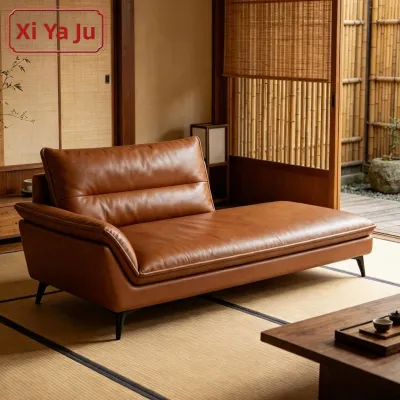
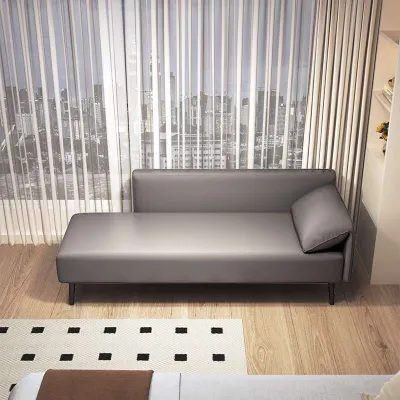
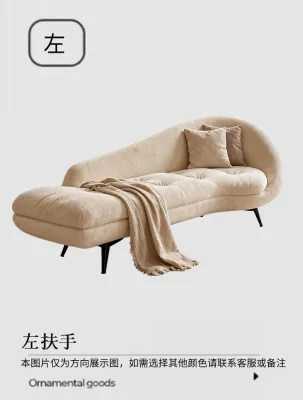

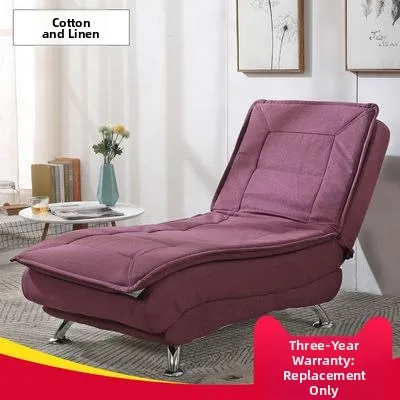

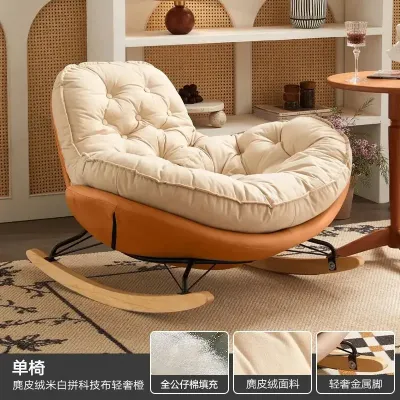
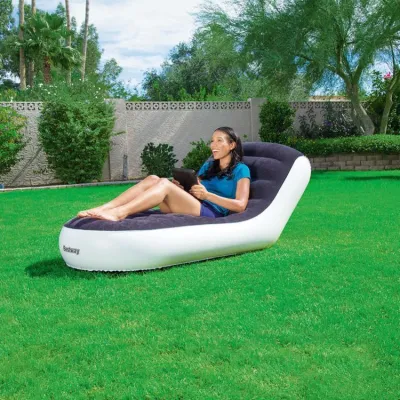
Prices are valid at publication and may change. Please refer to the product page for the latest price.
Comparing Brand Profiles in the Local Market
When shopping for a chaise lounge chair in Singapore, brands generally fall into three distinct profiles, each offering a different balance of convenience, customization, and cost. Local showroom brands are a prominent fixture in the furniture landscape, maintaining physical retail spaces across major design hubs. These brands allow you to physically test the seat depth, cushion firmness, and leather texture before committing to a purchase. They typically provide localized customer service, straightforward delivery coordination, and clear warranty support, though their retail prices often reflect the high overhead costs of maintaining physical showrooms in prime locations.

International imported brands cater to those seeking distinct design heritages, European styling, or specialized leather finishes. These brands often source their materials from renowned tanneries and employ advanced manufacturing techniques, resulting in highly refined statement pieces. However, choosing an imported brand usually involves longer lead times—sometimes stretching to several months if the piece is custom-ordered—and higher price points driven by international shipping, import duties, and brand premiums.
Online-direct and e-commerce platforms have restructured the market by cutting out traditional retail middlemen to offer highly competitive pricing. These digital-first brands focus on modern, streamlined designs that appeal to contemporary tastes. While they offer excellent value and convenient home delivery, buying online requires extra diligence. Because you cannot sit on the chair beforehand, you must rely heavily on digital specifications, request physical leather swatches if available, and carefully review the platform’s return policies and restocking fees in case the comfort level does not meet your expectations.
Mapping Price Tiers to Material Reality
Understanding how price correlates with material specifications helps you set realistic expectations when browsing different brands. Entry-level chaise lounges, often priced under S$1,000, typically utilize synthetic leather, split leather, or leather-match configurations where genuine leather is only used on contact surfaces while the back and sides are faux leather. The frames in this tier are frequently made from engineered wood or lighter softwoods, making them suitable for low-traffic areas, temporary housing, or buyers working with a strict budget.
The mid-range tier, generally spanning from S$1,500 to S$3,500, represents the sweet spot for many Singaporean households. In this bracket, you can expect top-grain leather on all contact areas, supported by a sturdy kiln-dried hardwood frame and high-resilience foam. These chairs are built to withstand daily family use, offering a balanced combination of comfort, durability, and aesthetic appeal.
Premium chaise lounges, starting from S$4,000 and extending much higher, feature full-grain or aniline leathers that showcase natural markings and offer exceptional breathability. The craftsmanship in this tier includes solid hardwood frames, advanced suspension systems, and multi-layered foam or down-feather cushioning. These pieces are designed as long-term investments that improve in appearance with age. When comparing these tiers, always check the final S$ price tags carefully, as seasonal promotions, custom upholstery choices, and delivery or assembly fees can significantly alter the initial estimate.
Practical Verification Before You Buy
Before finalizing your purchase, conducting a series of practical checks can save you from costly mistakes. If you are visiting a physical showroom, inspect the stitching along the seams of the chaise lounge; it should be straight, tight, and free of loose threads. Press down firmly on the center of the extended chaise section to check for frame stability and listen for any squeaks or creaks, which can indicate loose joints or weak suspension. Run your hands over the leather to assess its texture; genuine leather should feel warm and organic, whereas low-grade synthetics often feel cold, uniform, and plasticky.
Spatial verification is equally critical, especially given the compact layouts of many modern Singaporean apartments. Measure the exact footprint of the chaise lounge, ensuring there is sufficient clearance around it for comfortable foot traffic. Do not forget to measure your home’s entry points, including doorway widths, hallway corners, and elevator dimensions. Many delivery failures occur because a long, single-frame chaise lounge cannot clear the low ceiling of a residential lift or navigate a tight stairwell turn.
Finally, perform a thorough policy check. Read the warranty document to understand exactly what is covered and for how long. A reliable warranty should distinguish between the frame structure (which should ideally be covered for several years), the suspension system, and the leather upholstery. Be aware that most warranties do not cover natural wear and tear, color fading from sunlight, or peeling caused by improper chemical cleaning, so understanding these terms beforehand is essential.
Decision Framework: Which Brand Profile Fits You?
To choose the right brand profile, align your household priorities with the strengths of each retail category. If your priority is hands-on reassurance, immediate comfort testing, and reliable local after-sales support, a local showroom brand is your most suitable option. These brands provide a tangible buying experience and predictable delivery timelines, making them ideal for those who want to minimize purchase risks.
If you are focused on maximizing value, prefer modern minimalist designs, and are comfortable purchasing furniture based on specifications and reviews, online-direct brands offer an appealing path. To mitigate the lack of physical testing, ensure the brand provides clear documentation on their leather origin, frame materials, and a flexible return policy.
For those who view a chaise lounge as a central design statement, prioritize premium full-grain leather, and have a flexible budget and timeline, international imported brands deliver unmatched craftsmanship. Regardless of which path you choose, always verify the manufacturer’s material specifications and warranty terms before making your final decision.
Frequently Asked Questions (FAQ)
How does Singapore's climate affect leather chaise lounge chairs?
Singapore’s tropical climate, characterized by high humidity and consistent warmth, presents specific challenges for leather preservation. High humidity can trap moisture in the pores of genuine leather, potentially leading to mold or mildew growth if the room lacks adequate ventilation. Conversely, constant exposure to air conditioning can strip the natural oils from the leather, causing it to dry out, stiffen, and eventually crack. To protect your investment, position the chaise lounge away from direct sunlight and air conditioning vents. Regularly wipe the surface with a dry microfiber cloth and apply a specialized leather conditioner every six months, following the manufacturer’s care instructions to maintain its suppleness.
Is faux leather a viable alternative to genuine leather for chaise lounges?
Faux leather can be a practical alternative depending on your lifestyle, budget, and maintenance preferences. High-quality synthetic options, such as polyurethane (PU) or microfiber leather, are highly resistant to moisture and spills, making them easier to clean and less susceptible to the mold issues associated with high humidity. They are also generally more affordable and offer a highly uniform appearance. However, faux leather lacks the natural breathability of genuine hide, which can make it feel warm and sticky during hot afternoons. Additionally, synthetic materials do not develop a soft patina over time and tend to wear out or peel faster under heavy daily use compared to durable top-grain leather.
Community discussion
Share your experience or ask a question. Comments are reviewed before publication.