
Finding the perfect latex mattress firmness requires balancing your primary sleeping position with your body weight. Generally, side sleepers and lighter individuals (under 60 kg) benefit from a soft to medium feel that cushions prominent joints, while back sleepers and average-weight individuals (60 kg to 100 kg) find their ideal support in a medium to medium-firm mattress. Stomach sleepers and heavier individuals (over 100 kg) typically require a firm or high-density latex mattress to prevent the midsection from sinking and throwing the spine out of alignment.
Selecting the right firmness is not merely a matter of subjective comfort; it is a biomechanical decision. Because natural and synthetic latex are highly elastic, they respond differently to pressure than traditional innerspring or memory foam alternatives. Understanding how your body interacts with this unique material will help you avoid morning stiffness, alleviate pressure points, and make an informed investment for your bedroom.
Quick Diagnostic: Which Latex Mattress Firmness is Right for You?
Before exploring the technical details of latex construction, you can use this quick diagnostic matrix to identify your baseline firmness range. This self-assessment serves as a practical starting point, though your personal comfort preferences and any existing physical conditions should also guide your final choice.
Products mentioned in this guide
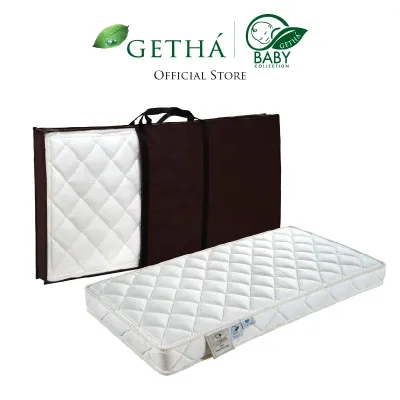
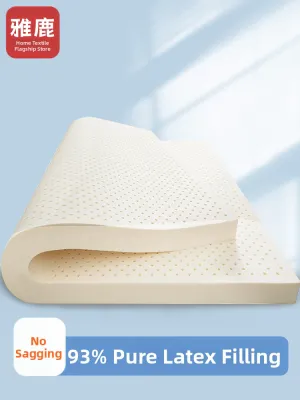
![[PRE-ORDER] Getha Sunny 5 Kids Mattress / Eco Latex Mattress](https://img.lazcdn.com/g/p/0d0e2c046017d2c742bed193ef79dfaf.jpg_400x400q80.jpg_.webp)
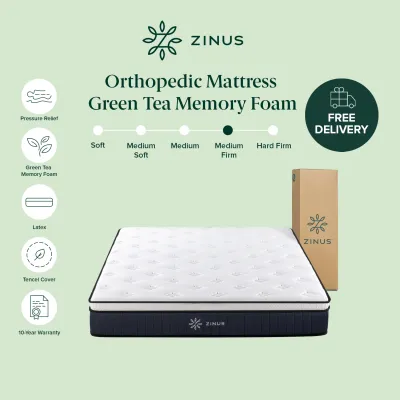
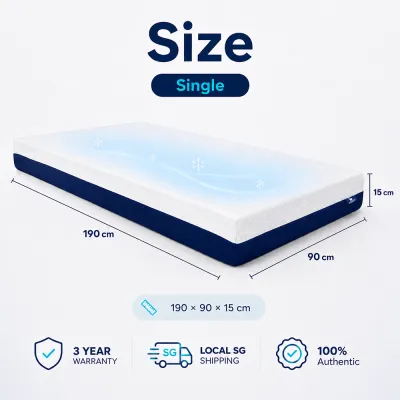
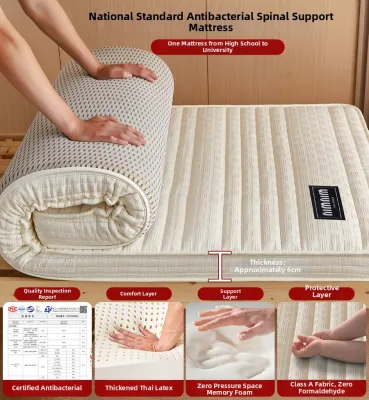
Prices are valid at publication and may change. Please refer to the product page for the latest price.
| Body Weight Category | Side Sleeper | Back Sleeper | Stomach Sleeper |
|---|---|---|---|
| Lightweight (Under 60 kg) | Soft to Medium | Medium | Medium-Firm |
| Average Weight (60 kg to 100 kg) | Medium | Medium-Firm | Firm |
| Heavyweight (Over 100 kg) | Medium-Firm | Firm | Extra-Firm / High-Density |
If you share a bed with a partner who has different sleeping positions or weight profiles, finding a single compromise mattress can be challenging. In these scenarios, a medium or medium-firm latex mattress is widely considered the safest “universal” choice, as it balances surface contouring with deep structural support. Alternatively, many premium latex manufacturers offer dual-firmness or split-tension configurations, allowing each side of the bed to be customized to individual needs.
How Latex Mattress Firmness is Measured and Felt
To choose the right latex mattress, it helps to understand how manufacturers quantify firmness. The standard industry metric is Indentation Load Deflection (ILD), which measures the weight in pounds required to compress a physical sample of latex by 25 percent. A lower ILD rating (typically between 14 and 22) indicates a softer, more yielding mattress, while a higher ILD rating (ranging from 32 to 44 or more) represents a firm, highly supportive surface.

However, the physical sensation of latex is distinct from other mattress materials. While memory foam is known for its slow-conforming, “sinking-in” feel that hugs the body, latex is highly resilient and elastic. It provides an active, buoyant sensation that makes you feel as though you are sleeping “on” the mattress rather than “in” it.
Because of this inherent springiness, a “medium” latex mattress will feel noticeably different from a “medium” memory foam or traditional pocketed coil mattress. Latex distributes body weight across a wider surface area instantly, offering immediate push-back. This means even a softer latex mattress provides a baseline level of active support that prevents you from feeling completely stuck or trapped when turning over.
How Your Sleeping Position Dictates Firmness Needs
Your sleeping position determines which parts of your body bear the most weight and how your spine aligns during rest. Matching mattress firmness to your position ensures that your muscles can fully relax without trying to compensate for a sagging or overly rigid surface.
Side Sleepers
Side sleepers place concentrated pressure on relatively narrow areas of the body, specifically the shoulders and hips. If a mattress is too firm, these joints cannot sink in, forcing the spine to curve laterally and causing pressure-point pain or numbness in the arms.
- Ideal Firmness: Soft to medium.
- Biomechanical Goal: The latex must yield sufficiently under the shoulders and hips to allow them to sink, keeping the spine in a straight, horizontal line from the neck to the tailbone.
Back Sleepers
Back sleeping naturally distributes body weight more evenly, but it requires precise support in the lumbar region. If the mattress is too soft, the pelvis will sink too deeply, flattening the natural curve of the lower back; if it is too firm, a gap forms between the lower back and the mattress surface, leaving the lumbar muscles unsupported.
- Ideal Firmness: Medium to medium-firm.
- Biomechanical Goal: The mattress should contour gently to the lower back while providing enough upward resistance to keep the hips and shoulders on a level plane.
Stomach Sleepers
Stomach sleeping is highly sensitive to mattress firmness because the bulk of human body weight is concentrated around the pelvis and abdomen. A mattress that is too soft allows the hips to sink, arching the lower back downward into an unnatural hyperextended position that frequently leads to chronic lower back pain.
- Ideal Firmness: Medium-firm to firm.
- Biomechanical Goal: The surface must remain rigid enough to keep the pelvis elevated and aligned with the chest and head, minimizing spinal extension.
Combination Sleepers
Combination sleepers shift between multiple positions throughout the night, requiring a mattress that can adapt quickly to changing pressure points. The highly responsive nature of latex is particularly beneficial here, as it does not retain a temporary body impression like memory foam.
- Ideal Firmness: Medium or medium-firm.
- Biomechanical Goal: A balanced, versatile feel ensures that the sleeper can transition easily between positions without exerting extra physical effort, while still receiving adequate support in any posture.
Adjusting Firmness Based on Your Body Weight
Body weight is the primary force that compresses a mattress. A mattress that feels perfectly medium to an average-weight individual may feel incredibly firm to a lighter person or excessively soft to a heavier person.
Lightweight Sleepers (Under 60 kg)
Lighter individuals exert less downward force on the mattress surface. Because they do not compress the latex layers deeply, they do not engage the supportive core layers underneath.
- Firmness Adjustment: Shift one level softer than standard recommendations (e.g., choosing a soft mattress instead of a medium).
- Key Consideration: A mattress that is too firm will feel like a solid board to a lightweight sleeper, preventing the shoulder and hip pressure relief necessary for comfortable sleep.
Average Weight Sleepers (60 kg to 100 kg)
Sleepers in this weight range typically experience mattress firmness exactly as advertised by the manufacturer. They compress the comfort layers sufficiently to enjoy pressure relief while still engaging the supportive core.
- Firmness Adjustment: Stick to standard recommendations based primarily on sleeping position.
- Key Consideration: You have the greatest flexibility to choose based on personal comfort preferences, whether you prefer a slightly plusher or more supportive feel.
Heavyweight Sleepers (Over 100 kg)
Heavier individuals exert substantial downward pressure, causing them to sink deeply into the comfort layers of a mattress. If the mattress is too soft or thin, they may “bottom out” against the hard foundation or bed frame.
- Firmness Adjustment: Shift one to two levels firmer than standard recommendations, prioritizing high-density latex.
- Key Consideration: Look for mattresses with thicker support cores or high-density Dunlop latex, which offers greater structural integrity. Always check the manufacturer's maximum weight capacity and structural specifications to ensure long-term support and prevent premature sagging.
Fine-Tuning Your Choice for Comfort and Pain Relief
While sleeping position and weight provide a reliable baseline, secondary factors like physical discomfort and temperature regulation can help you fine-tune your final selection.
If you suffer from chronic lower back pain or shoulder stiffness, mattress firmness plays a critical role in your daily comfort. A supportive, properly aligned mattress can significantly improve sleep quality and reduce morning stiffness by allowing your muscles to fully recover overnight. However, a mattress is not a medical cure for chronic orthopedic conditions. If you experience persistent, severe pain, you should consult a qualified healthcare professional for a comprehensive diagnosis and personalized advice.
For those who sleep hot, latex is an excellent material choice due to its natural open-cell structure and the pincore holes created during the manufacturing process. If you live in a warm, humid climate, opting for a slightly firmer mattress can actually help you sleep cooler. A firmer surface prevents you from sinking deeply into the mattress, maximizing the surface area of your body exposed to ambient airflow.
If you are struggling to find a single perfect firmness, consider these two customizable options:
- Zoned Latex Cores: These mattresses feature different firmness levels across the surface (such as 3-zone, 5-zone, or 7-zone designs). They provide firmer support under the heavier pelvic region and softer, more forgiving latex under the shoulders and legs.
- Latex Mattress Toppers: If your current mattress is too firm, adding a separate 2-inch or 3-inch soft latex topper can provide immediate pressure relief without sacrificing the underlying support of the mattress.
How to Test and Buy a Latex Mattress in Singapore
Purchasing a latex mattress in Singapore requires careful planning, both in terms of comfort testing and home logistics. Because latex is a significant financial investment, taking the time to verify your choice will prevent costly return hassles.
When visiting a physical showroom in Singapore, do not simply sit on the edge of the bed or lie down for a few seconds. Wear comfortable, loose clothing and spend at least 10 to 15 minutes resting in your typical sleeping position. Pay close attention to whether your shoulders and hips feel pinched, and check if your lower back feels supported or strained.
Because a brief showroom test cannot fully replicate weeks of continuous sleep, prioritize brands that offer comprehensive sleep trials. Many local and online retailers in Singapore provide 100-night sleep trials, allowing you to test the mattress in your own home. Always read the fine print regarding return shipping fees, repackaging requirements, and warranty terms before committing.
Finally, do not overlook the physical dimensions and logistics of your home. Latex mattresses are exceptionally heavy, dense, and flexible, making them much harder to maneuver than standard innerspring beds.
- Measure Your Space: Carefully measure your bed frame's interior dimensions to ensure a perfect fit.
- Check Access Routes: Measure your bedroom doorway, hallway clearance, and the dimensions of your HDB or condominium lift and stairwells. Ensure there is sufficient clearance for delivery personnel to transport the mattress safely without damaging your walls or the mattress itself.
Frequently Asked Questions (FAQ)
Can I change the firmness of my latex mattress after buying it?
Yes, you can adjust the perceived firmness of your latex mattress through several methods. If your mattress features a zippered cover with modular internal layers, you can open it and rearrange the latex layers (for example, moving a firmer layer to the top). If the mattress is a solid, single-piece design, adding a separate soft or firm latex topper is an effective way to alter the surface feel. Additionally, periodically rotating the mattress 180 degrees can help maintain even wear, though you should always consult the manufacturer’s care instructions first.
Is a firm latex mattress always better for back pain?
No, an excessively firm mattress is not automatically better for back pain. While adequate support is essential to prevent your spine from sagging, a mattress that is too rigid will fail to contour to the natural curves of your body. This lack of contouring creates high-pressure zones at your shoulders and hips, forcing your spinal muscles to remain tense throughout the night. A medium-firm mattress is often the most balanced starting point for back pain relief, but your individual body weight and sleeping position must ultimately dictate the final firmness level.
Does natural latex feel different from synthetic latex?
Yes, natural latex and synthetic latex exhibit distinct physical characteristics. Natural latex, harvested from the sap of rubber trees, is highly resilient, offering a more buoyant, springy feel and superior temperature regulation due to its open-cell structure. Synthetic latex, made from petroleum-based polymers, tends to feel slightly less bouncy and may retain more heat, though it can be engineered to precise, uniform firmness levels. For long-term durability and a more responsive feel, natural latex is generally preferred, but you should check the product specifications and certifications to verify the exact composition of the mattress.
Community discussion
Share your experience or ask a question. Comments are reviewed before publication.