
The kopitiam plastic chair is a familiar sight across Singapore, anchoring the bustling atmosphere of neighborhood coffee shops and open-air food centres. While traditionally valued for its sheer utility, this humble seating option has found a new home in modern residential spaces. Homeowners are increasingly drawn to these chairs for their lightweight construction, easy maintenance, and space-saving efficiency, which are highly practical for compact urban living. Today, the market offers a diverse array of styles that extend far beyond the classic red or blue plastic seats of local coffee shops. Choosing the right look for your home involves understanding the different design variations available—from nostalgic retro profiles to sleek, matte-finished contemporary models—and learning how to integrate them seamlessly into your existing interior design.
Integrating these chairs into a residential dining space requires a careful balance of cultural charm and modern functionality. While the nostalgic appeal of a traditional kopitiam chair can inject character into a room, selecting the wrong profile or colour can make a dining area look cluttered or overly commercial. By focusing on key physical characteristics, such as backrest ergonomics, leg structures, and surface finishes, you can find a style that complements your home’s aesthetic without compromising on comfort or durability. This guide will walk you through the essential styles of kopitiam-inspired plastic chairs and provide actionable advice on matching them to your home.
Key Design Features of Kopitiam-Style Plastic Chairs
Understanding the structural anatomy of the kopitiam plastic chair is the first step in making an informed purchase. While they may appear simple at first glance, subtle variations in shape, leg design, and material finish can significantly affect both the comfort of your guests and the overall look of your dining space.
Products mentioned in this guide
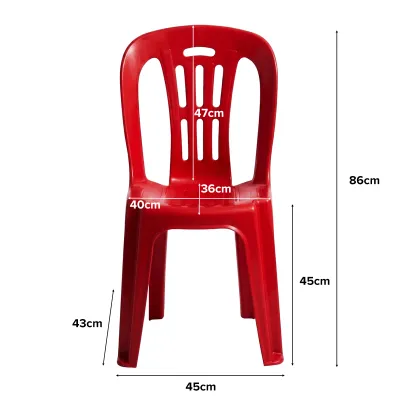
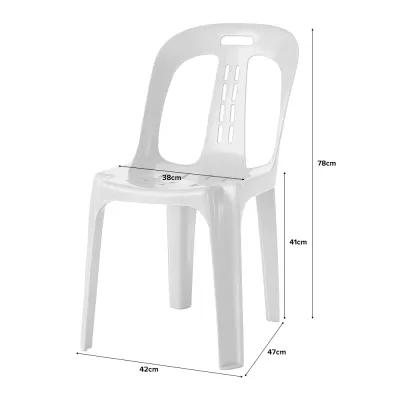
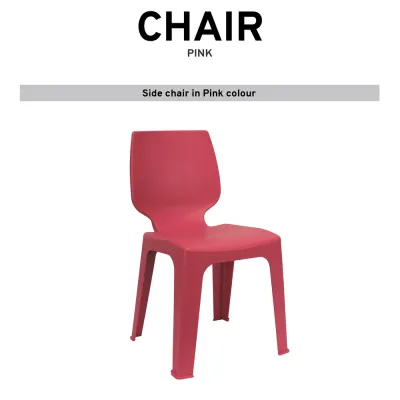
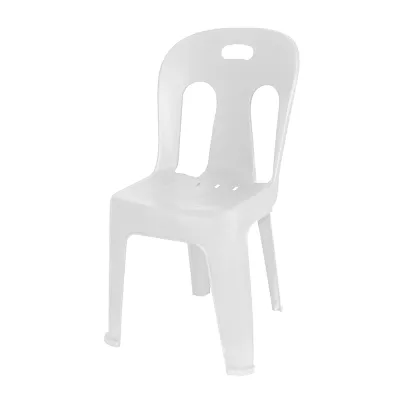
![[TheGoodFurniture] Plastic chair with backrest Stackable Coffeeshop Kopitiam Budget Washable Quality Simple and nice. Classic design. Colourful. F&B. Canteen Pantry Office. Work from Home. Tuition. HBL. SOLD IN BUNDLE OF 2 or 4](https://img.lazcdn.com/g/p/21a0a03a3186c345811ce4d11c7ac2f2.jpg_400x400q80.jpg_.webp)
Prices are valid at publication and may change. Please refer to the product page for the latest price.
Backrest Shapes and Ergonomics
The geometry of a chair’s backrest plays a critical role in determining how long you and your guests can sit comfortably. Traditional kopitiam chairs often feature a straight-back design, which promotes an upright seating posture. These straight-back profiles are highly efficient because they minimize the chair’s overall depth, allowing them to sit flush against walls or tuck tightly under narrow dining tables. This makes them an excellent choice for quick meals or smaller dining alcoves where floor space is at a premium.
For a more relaxed dining experience, many modern interpretations feature curved or wraparound backrests. These designs offer lateral support by gently contouring to the natural curve of the spine, distributing body weight more evenly and reducing pressure points. When shopping for these styles, it is essential to check the lumbar curve and seat depth against your dining table height. A deeper seat pan with a pronounced curve may require you to lean back further, which might not align comfortably with standard table heights (typically around 75cm in Singapore homes). Testing the physical relationship between the chair’s seat height and your table’s apron is crucial to ensure a comfortable, ergonomic fit.
Stackability and Leg Structures
One of the most practical advantages of the kopitiam plastic chair is its storage efficiency, which is largely determined by its leg design. Stackable models feature legs that splay slightly outward or have integrated nesting channels, allowing multiple chairs to be piled vertically when not in use. When considering stackable options, always verify the manufacturer’s maximum safe stacking height. While commercial models can sometimes be stacked ten high, residential variants with more delicate frames may have a safer limit of four to six chairs.
In contrast, some contemporary kopitiam-style chairs prioritize a clean silhouette over vertical storage, featuring non-stackable, splayed-leg structures. These designs often provide a wider, more stable base that distributes weight evenly across the floor. Regardless of which leg structure you choose, protecting your home’s flooring is a vital consideration. Hard plastic or metal-tipped legs can easily scratch vinyl, parquet, or polished porcelain tiles. Always verify if the chairs come equipped with high-quality rubber or felt leg caps, or plan to install aftermarket floor protectors to prevent unsightly scuffs and damp-mopping damage.
Colour Options and Surface Finishes
The visual impact of a kopitiam plastic chair is heavily influenced by its colour and surface treatment. Traditional models are known for their glossy, highly saturated primary colours, such as vibrant reds, deep blues, and forest greens. These glossy finishes reflect light sharply, creating a bright, energetic atmosphere. However, high-gloss surfaces tend to show dust, smudges, and oily fingerprints more readily, requiring frequent wiping to maintain a clean appearance.
For a more subdued look, modern manufacturers offer matte, pastel, or monochromatic finishes, including charcoal, olive green, warm cream, and dusty terracotta. Matte surfaces diffuse light rather than reflecting it, which helps soften the visual weight of the plastic and blends more naturally with other residential furniture materials. Additionally, matte textures are excellent at concealing minor surface scratches and daily wear. If your dining area is positioned near large windows or on a semi-outdoor balcony, check the product specifications for UV-resistant stabilizers. Non-stabilized plastics can degrade, fade, or become brittle when exposed to Singapore’s intense tropical sunlight over time.
How to Match Kopitiam Chairs to Your Home Aesthetic
The versatility of the kopitiam plastic chair allows it to fit into various interior design themes, provided you choose the right style and pair it with complementary materials.

Retro and Nostalgic Dining Rooms
If you want to evoke the nostalgic charm of mid-century Singapore, traditional kopitiam chairs are the perfect choice. To achieve an authentic look, select chairs with classic glossy finishes in primary colours like deep red or emerald green. These bold choices serve as an excellent visual anchor, immediately drawing the eye and establishing a sense of local heritage.
To prevent the space from feeling like a commercial food court, pair these chairs with high-quality, warm-toned wooden dining tables, such as those made from solid teak or rosewood. The rich grain of the wood provides a beautiful organic contrast to the synthetic texture of the plastic. Complement the setup with retro flooring elements, such as terrazzo tiles or patterned Peranakan cement tiles. For a more eclectic, lived-in cafe vibe, you can mix and match two or three different traditional colours around a single wooden table, creating a playful yet cohesive design narrative.
Minimalist and Modern HDB Interiors
For contemporary HDB flats where space is carefully managed, the kopitiam chair can be adapted to support a clean, minimalist aesthetic. In these spaces, matte finishes and muted, neutral tones—such as charcoal grey, warm beige, or olive green—work best. Alternatively, transparent or translucent polycarbonate variants can be used to keep the space feeling open and airy, as they allow light to pass through and virtually disappear against the background.
Look for slim, stackable profiles that can be tucked completely under the dining table when not in use. This keeps walkways clear and maintains a clutter-free environment in compact dining rooms. Pair these chairs with minimalist tables featuring light wood finishes (such as white oak or ash), glass tops, or clean white laminate surfaces. This combination keeps the visual weight of the dining set low, making the entire room feel more spacious and serene.
Eclectic and Industrial Spaces
Industrial and eclectic interiors thrive on contrast, making them ideal settings for the bold lines of kopitiam-style plastic chairs. In an industrial dining area characterized by raw textures like exposed concrete, brick walls, and black metal fixtures, a set of brightly coloured plastic chairs can provide a striking pop of contrast. The smooth, synthetic surface of the plastic cuts through the rough, matte textures of the architecture, injecting energy into the space.
To create a curated, collected-over-time look, consider mixing different chair styles or subtle colour variations around a single, heavy dining table. For instance, pairing a rugged, reclaimed wood table with a mix of matte black and charcoal kopitiam chairs creates a sophisticated, industrial-chic aesthetic. The key to success in these spaces is balancing the lightweight visual profile of the plastic chairs with heavier, more substantial table materials, ensuring the overall composition feels grounded and intentional.
Practical Buying Checklist for Plastic Dining Chairs
Before purchasing your chairs, it is important to evaluate them against a practical checklist to ensure they meet your standards for quality, safety, and daily comfort.
- Dimensions and Clearance: Measure your dining table's height and the thickness of its apron. Ensure the chair's seat height (typically between 43cm and 45cm) allows for at least 25cm to 30cm of vertical clearance for your legs. If the chair style features integrated armrests, double-check that the armrest height is low enough to slide completely under the table frame to save space when tucked in.
- Weight Capacity and Stability: Always check the manufacturer's stated weight capacity. High-quality molded plastic chairs should support at least 120kg to 150kg. Test the physical stability of the chair by checking the angle of the legs; splayed legs generally offer a wider base and better resistance against tipping when someone leans back or shifts their weight suddenly.
- Material and Care Labels: Look for chairs made from high-density polypropylene (PP) or polycarbonate (PC). Polypropylene is highly durable, impact-resistant, and flexible enough to prevent cracking under stress. It also resists most household cleaning chemicals. Polycarbonate offers beautiful transparency but can be more prone to surface scratches. Review the manufacturer's care label to ensure the material can be cleaned with standard household sanitizing wipes without losing its finish or turning cloudy.
- Ergonomic Testing: Whenever possible, test the chairs in person before buying. Sit in the chair for at least 10 minutes to assess how the material responds to your body weight. Check for excessive seat pan flex, which can indicate thin, low-quality plastic that may warp over time. Ensure the front edge of the seat has a gentle "waterfall" curve to prevent it from pressing uncomfortably into the back of your thighs, and verify that the backrest provides rigid, reliable support.
Recommended Kopitiam Chair Design Profiles for Your Home
To help you narrow down your search, here are three distinct design profiles commonly available on the market, along with their ideal use cases and inherent limitations.
The Classic Stackable Cafe Profile
- Best For: Compact dining areas, multi-purpose rooms, and homes that frequently host large gatherings of family and friends where extra seating is regularly required.
- Design Traits: This profile features a straight backrest, uniform leg spacing designed for seamless vertical nesting, and a lightweight frame that is easy to carry. It often includes a practical cutout handle in the backrest for easy lifting.
- Limitations: Because this design prioritizes utility and compact storage, it may lack the advanced ergonomic contouring needed for long, multi-hour seating sessions. The visual aesthetic is highly functional and may feel too commercial for formal dining setups.
The Curved-Back Comfort Profile
- Best For: Primary dining rooms where meals are enjoyed leisurely, and comfort is prioritized over maximum space-saving efficiency.
- Design Traits: This style features a wider, gently contoured backrest that wraps around the user's lower back, providing excellent lateral support. The seat pan is typically wider and deeper, often finished with a subtle matte texture to prevent slipping.
- Limitations: These chairs have a larger physical and visual footprint, making them less suitable for very tight spaces. They also tend to stack less compactly, meaning they require more storage space if put away.
The Contemporary Matte-Finish Pick
- Best For: Minimalist, Scandinavian, or Japandi-themed dining spaces that require the easy maintenance of plastic but want to avoid a glossy, commercial look.
- Design Traits: Characterized by a soft-touch matte finish, a muted colour palette (such as sage, sand, or charcoal), and sleek, tapered legs that mimic the elegance of wooden or metal furniture.
- Limitations: Matte surfaces can sometimes absorb oils from spilled food more easily than glossy plastics, which can leave faint, shiny patches if cleaned with abrasive scrubbers. It is important to follow the manufacturer's specific cleaning guidelines to preserve the uniform matte look.
Frequently Asked Questions (FAQ)
Are plastic dining chairs comfortable for long meals?
Comfort is primarily determined by the ergonomic design and contouring of the chair rather than the material itself. A well-designed plastic chair with a curved backrest and a contoured seat pan can be highly comfortable for the duration of a standard meal. For extended dinners, board game nights, or home office use, you can easily enhance comfort by adding thin, non-slip seat cushions or tie-on pads that match your dining room decor.
How do I clean and maintain kopitiam-style plastic chairs?
Maintaining these chairs is straightforward. For daily cleaning, simply wipe the surfaces down with a soft microfiber cloth dampened with warm water and a few drops of mild dish soap. Avoid using abrasive scrubbing sponges, bleach, or harsh chemical solvents, as these can scratch the plastic, strip away the matte or glossy finish, and weaken the structural integrity of the material over time.
Can kopitiam plastic chairs be used outdoors in Singapore?
While plastic is naturally water-resistant and handles spills with ease, prolonged exposure to Singapore’s high humidity and intense UV rays can cause non-treated plastics to fade, discolor, or become brittle. If you plan to use these chairs on an open balcony, patio, or rooftop garden, always verify that the product label explicitly states the material is UV-stabilized and rated for outdoor use.
Community discussion
Share your experience or ask a question. Comments are reviewed before publication.