
Maximizing a compact HDB kitchen requires shifting from deep, hard-to-reach shelves to highly functional kitchen storage drawers. In typical Singapore apartments, where floor space is limited and layouts are tightly structured, the best drawer systems are those that utilize every millimeter of existing cabinetry while maintaining clear walkways. By replacing static shelves with smooth pull-out systems, you can access the entire depth of your cabinets without bending or rummaging through dark corners.
Finding the ideal setup involves balancing physical space constraints with the specific storage needs of your household. Whether you are planning a complete kitchen renovation or retrofitting your current built-in cabinets, selecting the right drawer systems depends on precise measurements, load-bearing capacities, and moisture-resistant materials. Focusing on targeted solutions like shallow organizers, deep pot drawers, and specialized corner units allows you to create an efficient, clutter-free cooking environment.
Measure Your HDB Kitchen Space and Cabinet Dimensions
Before purchasing any drawer system, you must establish the exact physical boundaries of your existing cabinetry. Start by measuring the internal width, depth, and height of each cabinet carcass. Do not rely on external cabinet dimensions, as side panel thicknesses vary and will directly impact the clearance available for drawer runners. Use a reliable measuring tape and record dimensions at multiple points to account for any slight warping in older built-in units.
Products mentioned in this guide
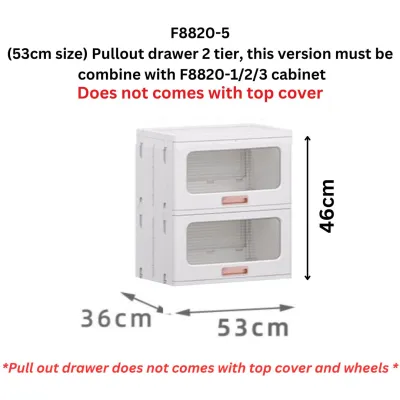
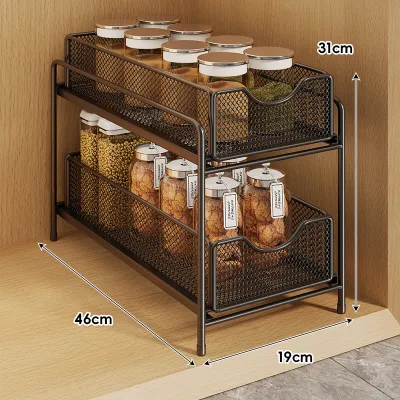

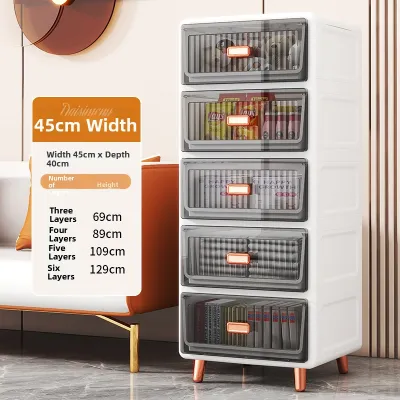
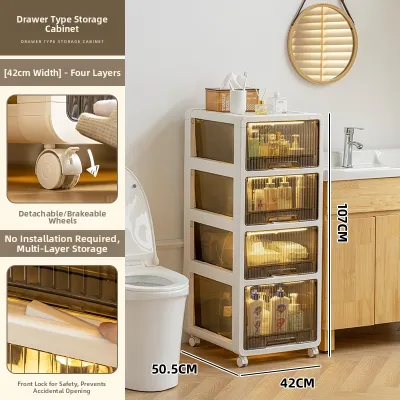
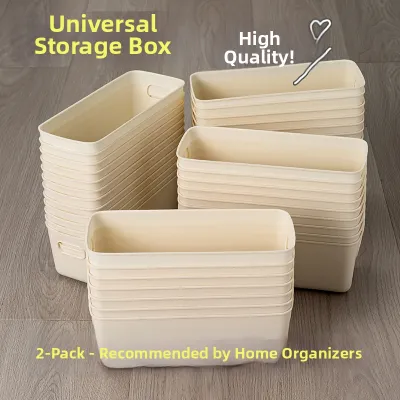
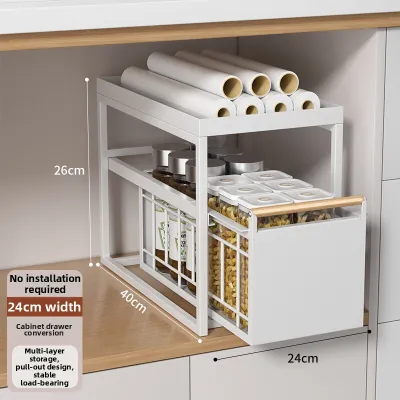
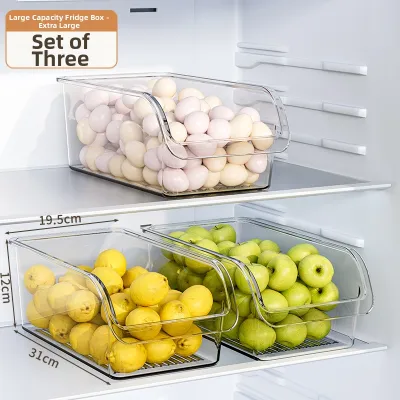
Prices are valid at publication and may change. Please refer to the product page for the latest price.
When measuring the interior, pay close attention to hidden obstructions that could block a drawer’s path. Note the positions of door hinges, protruding plumbing pipes under the sink, electrical conduits, and skirting boards. If cabinet doors do not open past 90 degrees, hinges or door thickness might obstruct the drawer, requiring spacer blocks or zero-protrusion hinges to ensure the drawer clears the door frame when extended.
Beyond the cabinet interior, you must evaluate the surrounding kitchen aisle space. A fully extended drawer requires significant clearance to operate safely without blocking traffic or colliding with opposite structures. Measure the width of your kitchen walkway and compare it to the length of the drawer slides when fully open. Maintain enough clearance to stand comfortably beside the open drawer, preventing bottlenecks in narrow galley layouts.
Finally, inspect the structural integrity of your existing cabinets. Check the thickness of the side panels, as standard drawer slides typically require solid mounting surfaces of at least 15mm to 18mm to support heavy loads. If your cabinets are made of thin or aging particleboard, they may require reinforcement before you can install heavy-duty drawer slides. Understanding these physical limitations early prevents costly installation errors and ensures your new storage system remains stable over years of daily use.
Choose the Right Space-Saving Drawer Systems
Selecting the right drawer configuration depends on what you intend to store and how much vertical space is available. For upper zones and the top sections of base cabinets, shallow drawers equipped with customizable dividers are highly effective. These drawers keep cutlery, cooking utensils, and small spice jars organized in a single, easily visible layer. This avoids wasting vertical space above low-profile items.

Deep drawers are the workhorses of a compact kitchen, designed to hold heavy pots, pans, and small appliances. When planning deep drawer storage, it is essential to verify the manufacturer’s specified load capacity for both the drawer base and the slide mechanism. Look for systems with reinforced bases and high-sided metal frames to prevent heavy cookware from bowing the drawer bottom. This eliminates awkward stacking, making retrieval safer and faster.
In tight HDB layouts, underutilized areas like toe-kicks and blind corners offer excellent opportunities for extra storage. Toe-kick drawers utilize the empty space beneath your base cabinets, making them ideal for flat items like baking trays, placemats, or spare cutting boards. However, these low-lying drawers require precise installation to clear floor tiles and must be checked for moisture exposure during floor cleaning. Blind corner pull-outs, such as magic corners or kidney-shaped swing-out trays, bring items stored deep within corner cabinets directly into view, though they require specific cabinet opening widths to function correctly.
To maintain long-term flexibility, look for drawer systems that accommodate adjustable internal accessories. Expandable dividers, pegboards with movable wooden or plastic pegs, and tiered internal organizers allow you to reconfigure the drawer layout as your kitchen needs change. This adaptability is crucial as your storage needs evolve over time.
Check Key Features Before Buying or Installing
When evaluating kitchen storage drawers, the quality of the slide mechanism is just as important as the drawer box itself. Full-extension slides are highly recommended for compact kitchens, as they allow the drawer to pull out completely, exposing the very back of the compartment. Soft-close mechanisms prevent slamming, protecting both the cabinet structure and delicate glassware. Ensure you check the manufacturer’s technical specifications to confirm the exact operational space required on either side of the drawer box for slide installation.
Given Singapore’s warm and humid climate, the material and surface finish of your drawer components must be carefully selected. Check product labels to ensure metal slides are treated with rust-resistant coatings, such as zinc plating or powder coating. Moisture-resistant materials like high-pressure laminates, marine-grade plywood, or powder-coated steel are preferable to untreated particleboard, which swells in high humidity.
Before making a purchase, determine whether your chosen drawer system matches your assembly capabilities. Some modular wire baskets and pull-out drawers are designed for straightforward DIY installation, mounting directly to existing cabinet sides or shelves with basic screws. However, heavy-duty tandem drawer boxes or complex corner pull-outs often require professional carpentry to modify existing cabinet frames, align runners precisely, and mount custom drawer fronts. Assess your tools and skills beforehand to decide between DIY or hiring a professional.
Always verify the maximum load specifications detailed in the manufacturer’s manual before loading your drawers with heavy items. Standard drawer slides are often rated for 25kg to 30kg, while heavy-duty variants can support 50kg or more. Exceeding these limits can lead to slide deformation, causing the drawer to sag, scrape against the cabinet frame, or fail to close completely. Keeping a close eye on these weight ratings ensures the longevity of both the hardware and your kitchen cabinetry.
Avoid Common Sizing and Installation Mistakes
One of the most frequent mistakes in retrofitting kitchen drawers is overlooking internal cabinet obstructions. Homeowners often measure the clear opening of the cabinet door but forget to account for protruding hinges, internal gas pipes, or water supply lines at the back of the cabinet. Without checking these clearances, the drawer may jam against hinges or fail to close. Always dry-fit your drawer runners and check for any potential contact points before final securing.
Another common error is failing to reserve adequate pull-out clearance in relation to surrounding kitchen elements. In narrow HDB kitchens, an open drawer can easily conflict with opposite cabinet doors, refrigerator handles, or dishwasher doors. Map out the swing paths of nearby appliances to ensure they do not collide with extended drawers. This spatial planning is crucial for maintaining a safe and functional workflow during busy meal preparation times.
It is also easy to fall into the trap of prioritizing maximum drawer depth over actual accessibility and structural safety. Installing excessively deep units on standard slides can strain the cabinet’s front edge. Overloading these deep units without verifying the slide’s weight rating can cause the entire cabinet carcass to tilt or warp. Always balance your desire for maximum volume with the physical load limits of your hardware.
Finally, know when to stop a DIY installation and consult a qualified professional. If you encounter structural conflicts, such as needing to cut into cabinet back panels near gas pipes, electrical outlets, or load-bearing walls, do not attempt to modify these areas yourself. Professional carpenters and kitchen installers have the specialized tools and experience to handle complex retrofits safely, ensuring your new drawer systems are securely anchored without compromising your home’s safety.
Frequently Asked Questions (FAQ)
Can I install pull-out drawers in my existing HDB kitchen cabinets?
Yes, retrofitting existing HDB kitchen cabinets with pull-out drawers is highly feasible, provided the cabinet carcass is structurally sound. Before proceeding, you must measure the internal width, depth, and height precisely, taking into account any door hinges or internal plumbing. You can mount aftermarket runners directly to sturdy plywood or thick melamine-faced chipboard panels. However, if the cabinet walls are thin or show signs of water damage, or if you want seamless integrated drawer fronts, consulting a professional carpenter is recommended to ensure a secure and aligned installation.
Are toe-kick drawers practical for compact kitchens?
Toe-kick drawers can be a practical way to capture unused space at the very bottom of your cabinets, but they come with specific limitations in local environments. Because they sit close to the floor, they are highly susceptible to dust, dirt, and moisture from daily floor mopping. To make them practical, they should only be used to store flat, infrequently used items like baking sheets, spare griddles, or serving trays. Additionally, ensure your kitchen floor is level so the drawer opens without scratching floor tiles.
How do I maintain drawer slides in a humid kitchen environment?
Maintaining drawer slides in Singapore’s humid climate requires regular inspection and basic cleaning to prevent rust and stiff operation. Wipe down metal tracks periodically with a microfiber cloth to remove dust and grease. Check for loose mounting screws along the runners and tighten them promptly to prevent misalignment. Avoid using heavy household oils or WD-40, which can attract dust and clog the ball bearings; instead, refer to the manufacturer’s instructions for approved dry silicone lubricants if the slides begin to feel stiff.
Community discussion
Share your experience or ask a question. Comments are reviewed before publication.