
Finding the right kitchen sideboard in Singapore requires navigating a wide range of local and international furniture providers. Because the balance of quality and price depends heavily on your specific kitchen layout, storage needs, and material durability requirements, there is no single winning brand for every household. Instead of relying on unverified rankings, this guide compares the primary categories of sideboard brands available in the local market, outlines the structural indicators that justify a higher price, and provides a practical decision framework to help you choose the most reliable option for your budget.
In Singapore’s compact living spaces, such as HDB flats and condominiums, a kitchen sideboard must perform multiple duties. It serves as an extension of your countertop, a home for small appliances, and a dedicated storage unit for dinnerware. Understanding how to evaluate the physical construction of these units will prevent premature wear and ensure your investment lasts for years.
Key Factors for Balancing Quality and Price in Kitchen Sideboards
In Singapore’s tropical climate, humidity levels often remain high, making moisture resistance a critical factor for kitchen furniture. Solid hardwoods like teak or oak offer natural longevity and resistance to warping when properly sealed, but they carry a premium price tag. Engineered wood options, such as Medium-Density Fibreboard (MDF) or particleboard, are highly popular budget alternatives, but their longevity depends entirely on the quality of their protective layers. Look for high-pressure laminates (HPL) or melamine coatings with seamless edge banding to prevent moisture from penetrating the core, which causes swelling and structural failure. Metal frames, particularly powder-coated steel or aluminum, provide excellent structural stability and resist both rust and pests.
Products mentioned in this guide
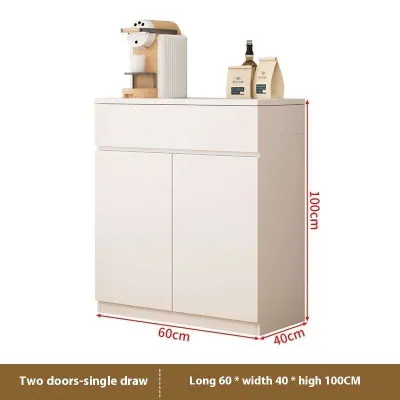
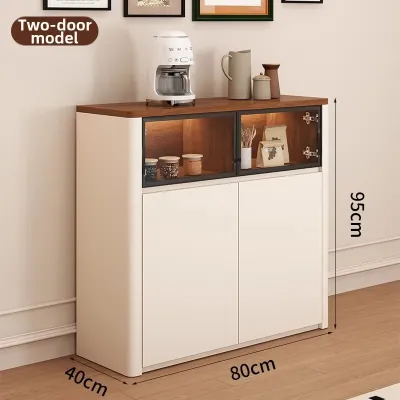
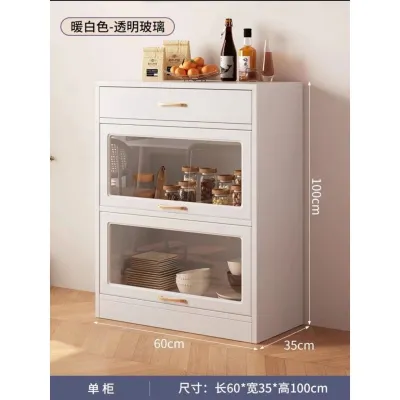
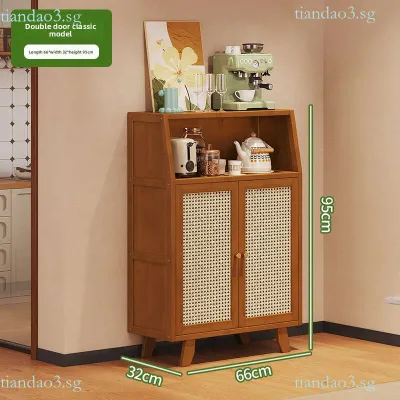
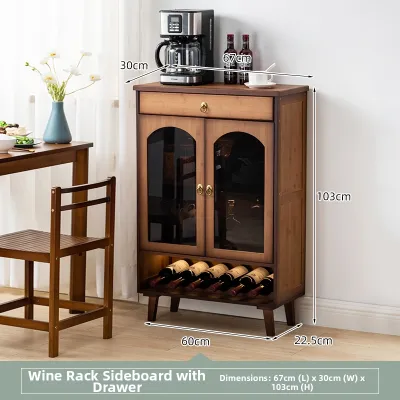
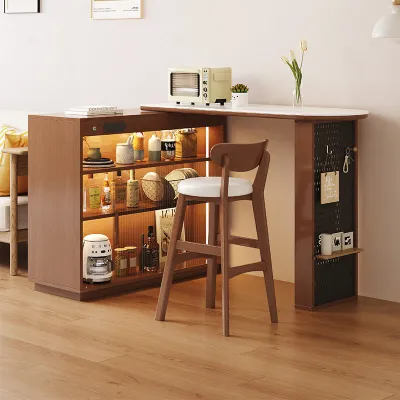
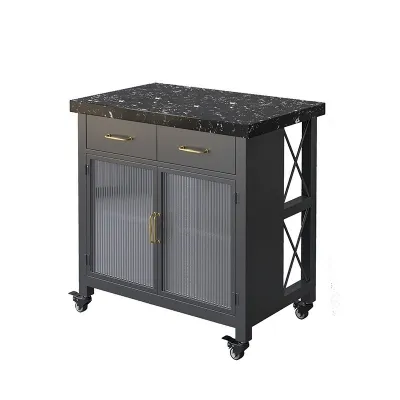
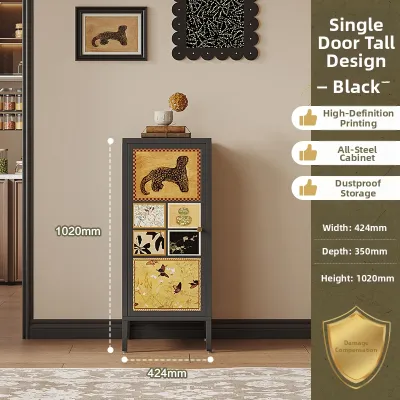
Prices are valid at publication and may change. Please refer to the product page for the latest price.
The true lifespan of a kitchen sideboard is determined by its moving parts. High-quality brands invest in robust hardware, such as soft-close hinges and full-extension ball-bearing drawer slides. These components prevent slamming, reduce wear on the cabinet frame, and ensure smooth operation under heavy loads. When inspecting a sideboard, check the joinery methods. Dovetail joints and dowel construction indicate superior craftsmanship and load-bearing capacity compared to simple glued or stapled joints. Ensure that adjustable shelves are supported by metal pegs rather than plastic ones, as plastic can become brittle over time in warm kitchen environments.
The sideboard surface must withstand daily kitchen hazards, including hot coffee mugs, oil splashes, and accidental scratches. Melamine and laminate finishes are highly practical for busy kitchens, offering excellent resistance to stains, heat, and scratches at an affordable price point. Natural wood veneers provide the warmth of real wood but require more careful maintenance, including immediate cleanup of spills and the use of protective trivets. If you plan to use the sideboard as an extended prep station or appliance zone, prioritize non-porous, heat-resistant surface treatments that can be easily sanitized with non-abrasive household cleaners.
Comparing Kitchen Sideboard Brand Categories in Singapore
Mass-market retailers are a popular starting point for Singaporean homeowners seeking predictable quality and immediate availability. These brands offer standardized dimensions that fit comfortably into typical HDB layouts, with the added benefit of physical showrooms where you can test drawer mechanisms and inspect finishes firsthand. Pricing is generally transparent and mid-range, often falling between S$300 and S$800. The primary trade-off is the lack of customization; you must adapt your kitchen space to the pre-defined dimensions of the furniture, and the designs may lack the unique character of custom-made pieces.

For homeowners dealing with awkward kitchen layouts, tight corners, or specific architectural niches, local custom carpentry workshops offer a tailored solution. This route allows you to specify exact dimensions, select premium materials like solid wood or marine-grade plywood, and integrate the sideboard seamlessly with your existing kitchen cabinetry. Custom-built sideboards can be designed to run from floor to ceiling, maximizing vertical storage in compact apartments. However, this level of personalization comes with a premium price tag, often starting at S$1,500 and scaling upward based on materials and complexity. It also requires a longer lead time for design consultations, fabrication, and on-site installation.
Direct-to-consumer online brands and digital marketplaces have transformed how Singaporeans shop for furniture, offering highly competitive prices by cutting out physical showroom overheads. These platforms provide an extensive variety of styles, from Scandinavian minimalist to mid-century modern, often at a fraction of the cost of traditional retailers. However, buying online introduces specific challenges. Most budget-friendly online sideboards require self-assembly, which can be time-consuming and requires basic tool proficiency. Furthermore, returning a bulky item due to shipping damage or a mismatch in expectations can involve complex logistics. To mitigate these risks, buyers must carefully read product labels, verify material specifications, and scrutinize customer reviews for real-world photos of the furniture.
Decision Framework: Which Brand Type Fits Your Budget and Space?
To streamline your purchasing decision, consider how your budget, space constraints, and willingness to assemble furniture align with the available brand categories in Singapore.
Choose mass-market retailers if you have a standard kitchen layout, require quick delivery within a few days, and prefer a predictable mid-tier budget without the hassle of custom design or self-assembly. This option provides a reliable middle ground where you can physically verify the product’s quality before committing.
Choose custom carpentry if your kitchen features awkward structural pillars, uneven walls, or tight spaces that cannot accommodate standard furniture dimensions. This is also the ideal route if you want a permanent, built-in look that perfectly matches your existing kitchen theme and you have a flexible, higher budget to invest in long-term home value.
Choose online marketplaces if you are working with a strict budget, furnishing a rental property, or enjoy hands-on assembly projects. To succeed with this route, ensure you independently verify seller ratings, read the fine print regarding material composition, and confirm that the shipping terms include delivery to your doorstep.
Regardless of the brand category you select, always evaluate where the sideboard will be positioned. If it is placed adjacent to high-heat appliances like ovens or in high-splash zones near the kitchen sink, you must prioritize moisture-resistant and heat-resistant specifications over aesthetic appeal or brand prestige.
Pre-Purchase Checklist for Kitchen Sideboards
Before finalizing your purchase, whether in a physical showroom or an online checkout, use this practical checklist to ensure the sideboard fits your space and lifestyle:
- Measuring clearances: Do not rely on visual estimation. Measure the designated floor space accurately, ensuring there is sufficient clearance for cabinet doors to swing open and drawers to extend fully without blocking walkways. If you plan to place small appliances on top, measure the vertical clearance to upper cabinets or shelves, and ensure there is a safe gap for heat dissipation and ventilation.
- Inspecting structural stability: A kitchen sideboard often holds heavy items like ceramic dinnerware, glassware, and small appliances. Test the unit's weight distribution and check if it includes wall-anchoring hardware to prevent tip-over accidents, especially for taller designs. Ensure the legs are sturdy and adjustable if your kitchen floor has slight leveling imperfections.
- Reviewing warranty and after-sales: High-humidity environments can accelerate wear on furniture joints and finishes. Confirm the warranty terms offered by the retailer or manufacturer. Look for coverage that specifically protects against hardware failure, drawer slide misalignment, and premature wood warping or laminate peeling.
Frequently Asked Questions (FAQ)
How do I protect a budget kitchen sideboard from moisture and heat?
To extend the lifespan of a budget-friendly sideboard made of engineered wood, always use heat-resistant silicone mats or trivets under hot appliances, coffee makers, or freshly cooked dishes. Maintain a ventilation gap of at least five centimeters between the back of the sideboard and the wall to prevent moisture buildup. Wipe away liquid spills immediately with a soft, dry microfiber cloth, and avoid using harsh chemical cleaners or abrasive scrubbing pads that can compromise the protective laminate or melamine seal.
Is it better to buy a freestanding sideboard or a built-in kitchen cabinet?
Freestanding sideboards offer excellent flexibility, lower upfront costs, and the ability to relocate the furniture if you move homes or reconfigure your layout. They are ideal for renters or those seeking a quick storage upgrade. Built-in kitchen cabinets, on the other hand, provide a seamless, high-end aesthetic and maximize every square centimeter of available space, including awkward corners. However, built-ins require professional carpentry, involve invasive installation processes, and cannot be moved once installed, making them a more permanent and costly investment.
Community discussion
Share your experience or ask a question. Comments are reviewed before publication.