
Finding the perfect king bed headboard for a Housing & Development Board (HDB) master bedroom in Singapore is less about chasing a single “best” brand and more about solving a complex spatial puzzle. Because BTO (Build-To-Order) and resale HDB flats feature highly specific room layouts, the ideal headboard must align with your exact spatial constraints, including window heights, power socket locations, and remaining walkway clearance. In Singapore’s diverse home furnishing landscape, options generally fall into three main brand categories: mass-market retail, local custom carpentry, and premium boutique design. Each category serves a distinct HDB master bedroom layout, ranging from standard rectangular rooms to challenging spaces with awkward structural pillars or low window sills. Before committing to any purchase, verifying the precise dimensions of your bedroom wall and understanding HDB renovation and drilling regulations is a mandatory first step to prevent costly installation mistakes.
Why HDB Master Bedroom Dimensions Dictate Your Choice
Standard Singapore king-size mattresses measure exactly 182 cm in width and 190 cm in length. While these dimensions are uniform across brands, the matching king bed headboard can vary dramatically. Some headboards are designed to sit perfectly flush with the mattress edge, while others extend significantly past the sides to create a grand, hotel-like aesthetic. In a standard HDB master bedroom—which typically ranges from 10 to 14 square meters in modern BTO flats—every centimeter of horizontal and vertical space is highly contested.
Unlike spacious private properties, HDB master bedrooms present several fixed architectural obstacles that directly impact headboard placement. Many layouts feature low window sills designed to maximize natural light, or structural air-conditioning ledges situated right outside the main bed wall. Additionally, pre-installed electrical sockets, fiber optic data points, and light switches are usually positioned at a standard height of 45 cm to 60 cm from the floor. Choosing an excessively tall or wide headboard can completely block access to these essential utilities, forcing you into expensive rewiring works or leaving you with unreachable outlets.
Products mentioned in this guide
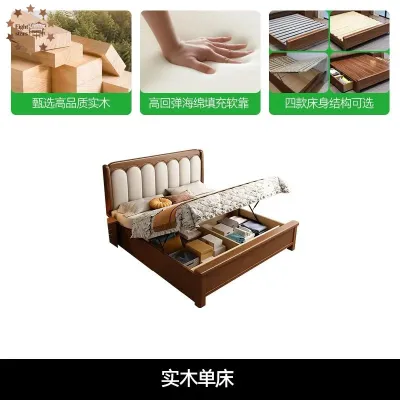
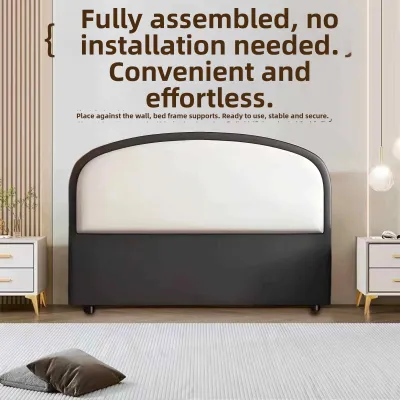
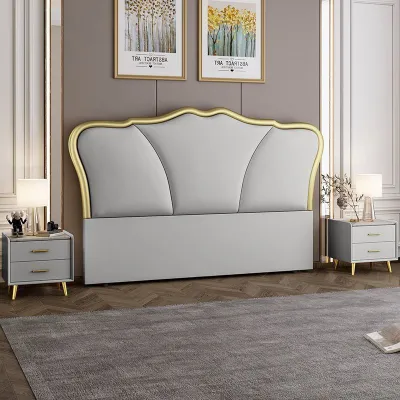
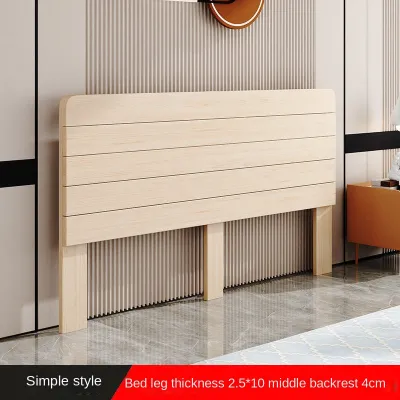
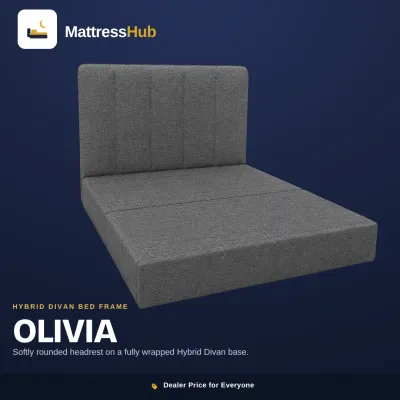
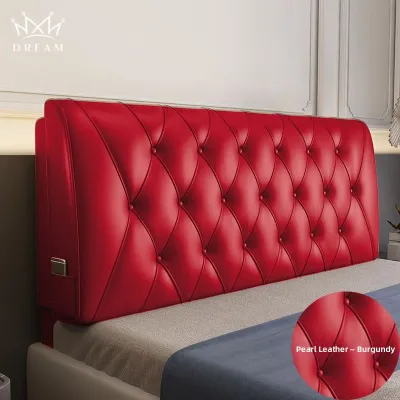
Prices are valid at publication and may change. Please refer to the product page for the latest price.
Room depth is another critical factor that homeowners often overlook. Modern HDB master bedrooms frequently leave limited clearance between the foot of the bed and the opposite wall, which is typically where built-in wardrobes or the entrance to the en-suite bathroom are located. If your wardrobe has swing doors rather than sliding panels, or if the bathroom door opens inward toward the bed space, the thickness of your headboard becomes a make-or-break dimension. A bulky headboard can push the entire bed frame forward, narrowing the remaining walkway to an uncomfortable tight squeeze or blocking doors from opening fully.
Core Metrics to Compare Across Bed Frame Brands
To make an informed decision when browsing local showrooms or online furniture stores in Singapore, you must look beyond aesthetics and evaluate three core physical metrics.

Width and Overhang
When comparing a king bed headboard, the horizontal footprint is your first major consideration. A flush-width headboard measures exactly 182 cm wide, aligning perfectly with the edges of a standard Singapore king mattress. This compact footprint is ideal for tight HDB master bedrooms, as it leaves the maximum amount of wall space available on either side for bedside tables or wardrobe clearance.
In contrast, extended-width headboards can stretch anywhere from 200 cm to over 260 cm wide, often designed to frame matching nightstands. While these extended designs serve as a powerful visual anchor and create a luxurious, cohesive look, they can easily overwhelm a standard BTO bedroom. In narrower rooms, an extended headboard can completely eliminate the physical space required for standard bedside tables, forcing you to choose between a statement headboard or practical bedside storage.
Depth and Walkway Clearance
The depth of a headboard—how far it protrudes from the wall—directly subtracts from your bedroom’s remaining walkway space. Slim wooden, metal, or minimalist fabric frames are highly space-efficient, often measuring under 5 cm in depth. These options are excellent for maximizing the floor area at the foot of the bed.
Conversely, plush upholstered, tufted, or wingback headboards can easily exceed 15 cm to 20 cm in thickness due to their internal padding and structural framing. Before purchasing, apply a practical clearance calculation: measure the total length of your bed wall to the opposite wall or wardrobe face, subtract the standard mattress length (190 cm), and then subtract the proposed headboard depth. To maintain a comfortable, safe, and accessible bedroom environment, you should ensure that at least 60 cm of clear walkway space remains at the foot of the bed.
Height and Obstruction
Vertical clearance is the final critical metric when evaluating headboard designs. You must measure the exact distance from your bedroom floor to the bottom of any low-hanging window sills, air-conditioning trunking, or wall-mounted units. A headboard that is too tall can block natural light, obstruct window operation, or interfere with the airflow and maintenance of your air-conditioning unit.
Furthermore, map out the exact coordinates of your wall sockets and light switches. Standard headboard heights range from 90 cm to over 130 cm. If your preferred headboard covers these points, you must verify if the bed frame features a cut-out design, sits forward from the wall, or if you will need to engage a licensed electrician to relocate the sockets—a modification that adds to your overall renovation budget.
Comparing Furniture Brand Categories in Singapore
The Singapore furniture market offers a wide array of options, which can be broadly categorized into three distinct brand tiers. Understanding what each tier offers allows you to match their strengths against your HDB’s physical realities.
Mass-Market Retail Brands
Mass-market retail brands are highly popular among Singapore homeowners due to their accessibility and modern, trend-driven designs. These brands specialize in standardized, ready-to-assemble furniture that heavily features Scandinavian, industrial, or minimalist aesthetics.
- Pros: These options offer highly competitive and transparent pricing, immediate off-the-shelf availability, and predictable dimensions. They are excellent for homeowners on a budget or those who need a quick, reliable furnishing solution.
- Cons: The primary drawback is the lack of flexibility. These headboards come in fixed, non-negotiable dimensions. If a mass-market retail king bed headboard blocks your electrical outlets or is 5 cm too wide for your bedside alcove, there is no option to customize the size, leaving you to adapt your room layout around the furniture.
Local Custom and Carpentry Brands
For challenging HDB layouts, local custom furniture makers and interior design carpentry services provide tailored solutions. These brands build bespoke bed frames and headboards designed specifically for your home’s unique dimensions.
- Pros: The main advantage is absolute spatial optimization. A custom maker can design a king bed headboard that stops exactly 1 cm below your window sill, integrates built-in power outlets and light switches directly into the wood paneling, or incorporates hidden storage compartments to save valuable floor space.
- Cons: Custom carpentry comes with significantly higher upfront costs compared to mass-market options. You must also account for much longer lead times—often ranging from four to eight weeks for fabrication—and the added responsibility of managing the design and installation process with your contractor.
Premium and Boutique Design Brands
Premium boutique brands cater to homeowners looking to make a design statement, offering luxury materials, high-end upholstery, and exclusive designer collaborations.
- Pros: These brands provide exceptional material quality, featuring rich textures like premium linen, top-grain leather, or performance velvet. The craftsmanship is highly refined, offering unique visual silhouettes that elevate the entire master bedroom.
- Cons: Boutique headboards are frequently bulky and designed for larger, open-concept spaces rather than compact HDB layouts. Their generous proportions can easily crowd a standard room, and the premium price tag—often running into thousands of dollars—may not align with the practical spatial compromises required in smaller flats.
Material and Aesthetic Impact on Compact Spaces
The materials you choose for your king bed headboard do more than just match your color scheme; they actively shape how large, bright, and open your HDB master bedroom feels. In compact rooms, visual weight is just as important as physical dimensions.
Solid wood and slim metal headboards are excellent choices for creating an airy, spacious feel. Open-spindle wooden designs or slim metal frames allow light to pass through, preserving sightlines and keeping the room looking uncluttered. These materials are visually light and work exceptionally well in rooms with limited natural light or lower ceilings.
On the other hand, heavy upholstered fabrics, deep tufted velvet, and dark leather headboards absorb light and present a solid, dense visual block. While they offer unparalleled comfort for sitting up in bed, they can make a small HDB bedroom feel significantly more enclosed. If you prefer the comfort of fabric, opt for light, neutral tones—such as beige, cream, or soft grey—and low-profile, clean-lined upholstery to minimize the visual footprint.
In Singapore’s warm and highly humid tropical climate, material maintenance is another crucial consideration. Upholstered headboards can trap dust mites and are susceptible to mold or mildew if the room is not well-ventilated. Before purchasing, always check the manufacturer’s care instructions and material tags. Look for performance fabrics that have been treated for moisture resistance or options with removable, dry-cleanable covers. Rather than assuming a material’s durability based solely on its generic name, rely on official product specifications to ensure it can withstand local environmental conditions.
Decision Framework: Which Brand Category Fits Your Room?
To finalize your purchasing direction, evaluate your specific HDB master bedroom layout against this actionable framework:
- Choose Mass-Market Retail if: Your bedroom features a standard, rectangular layout with plenty of clearance around the bed wall. There are no obstructing window sills or awkwardly placed power sockets, and you want a cost-effective, stylish solution with fast delivery and straightforward assembly.
- Choose Local Custom Carpentry if: Your room has complex architectural quirks, such as low-set windows, structural pillars, or poorly positioned switches. This option is ideal if you want to integrate bedside tables, lighting, and power outlets directly into a seamless, space-saving headboard wall.
- Choose Premium Boutique if: You live in a larger HDB layout—such as a corner unit, executive apartment, or jumbo flat—where the master bedroom has ample depth. This is the right choice if you want to invest in a high-end, comfortable statement piece that serves as the room's primary design focal point.
- Verify First if: You plan to mount a heavy king bed headboard directly onto the bedroom wall. Always consult HDB's official renovation guidelines regarding structural walls and concealed electrical or water conduits. Before any drilling begins, use a reliable wall scanner or consult a qualified, licensed contractor to ensure safety and compliance with building regulations.
Frequently Asked Questions (FAQ)
Can I use a freestanding king headboard in an HDB bedroom?
Yes, freestanding king headboards are highly practical and popular options for HDB flats. These headboards are designed to stand independently on the floor, securely sandwiched between your mattress base and the bedroom wall, without requiring any permanent wall attachment. This setup is ideal for HDB bedrooms because it avoids the need to drill into walls, making it easy to rearrange your room layout or move the bed frame in the future. However, you must ensure the headboard has a stable, flat base and check that your bed frame holds it firmly in place to prevent any shifting, wobbling, or tipping.
Do I need to drill into HDB walls for a king headboard?
Drilling is only required if you choose a wall-mounted headboard design. Because wall-mounting involves permanent fixtures, it is strictly governed by HDB renovation rules. Homeowners must identify whether the target wall is a non-structural partition wall or a structural concrete wall, as structural walls require more heavy-duty drilling and specific tools. Additionally, you must check for concealed electrical wiring or air-conditioning conduits running behind the plaster. To ensure safety and avoid damaging utility lines, always engage a licensed contractor to perform the installation.
Community discussion
Share your experience or ask a question. Comments are reviewed before publication.