
When transitioning your child from a baby cot to their first proper single bed, safety is the most critical factor to consider. In Singapore, where space-efficient layouts and high-rise living shape our bedrooms, selecting a bed frame that is both structurally sound and chemically safe requires a careful eye. While there is no single mandatory “Safety Mark” specifically designated for children’s bed frames in Singapore, these products are governed by general consumer protection laws. To ensure your child’s sleeping environment is completely secure, you must look for compliance with recognized international safety standards, verify the physical design of the frame, and confirm the non-toxic nature of the materials used.
Understanding Product Safety Regulations in Singapore
In Singapore, consumer products are overseen by Enterprise Singapore, the national standards and safety authority. While specific household electrical appliances and gas accessories fall under the Consumer Protection (Safety Requirements) Registration Scheme and must carry the mandatory blue “SAFETY Mark,” general furniture—including a standard kids’ single bed—is classified as general consumer goods. These goods are regulated under the Consumer Protection (Fair Trading) Act and the Consumer Protection (Safety Requirements) Regulations. This means that while they do not require a pre-market safety registration mark, they must still be safe for consumer use and free from defects that could cause injury.
When shopping for a children’s bed, you should look for clear importer details, manufacturer declarations of conformity, and clear instruction manuals. Reputable retailers in Singapore will readily provide documentation demonstrating that their products meet safety requirements. If a brand cannot provide basic information about who imported the bed or where it was manufactured, it is best to look elsewhere. Transparent documentation is the first line of defense against substandard manufacturing.
Products mentioned in this guide
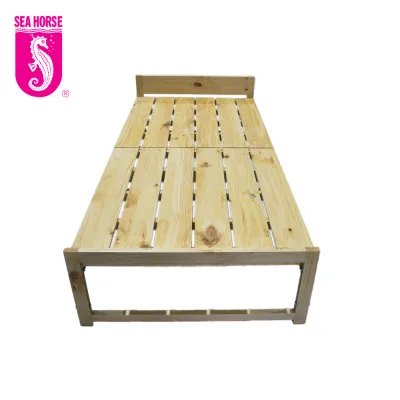
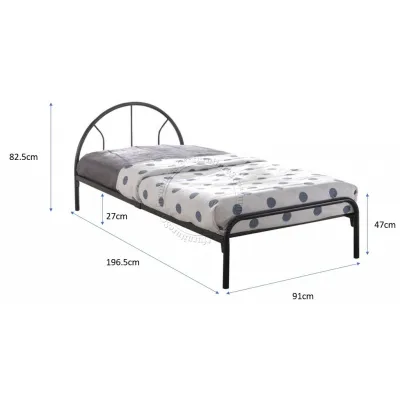
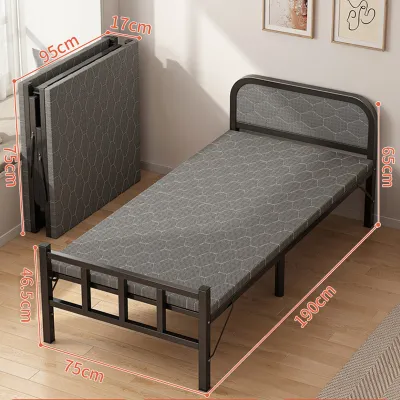
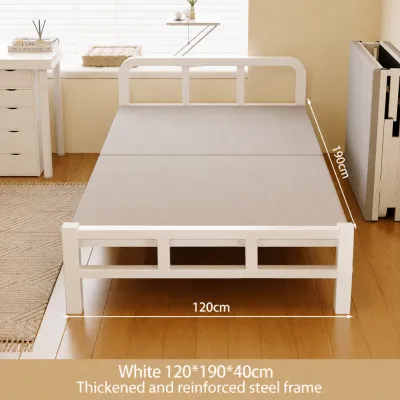
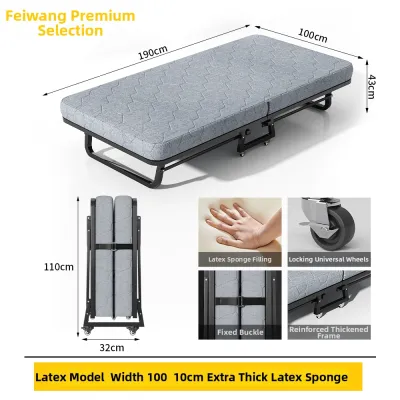

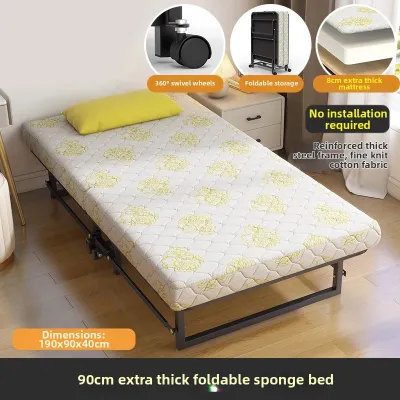
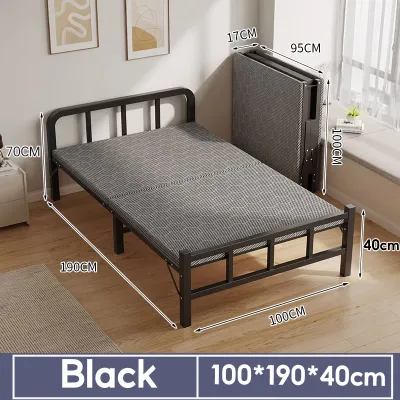
Prices are valid at publication and may change. Please refer to the product page for the latest price.
Furthermore, responsible retailers often participate in voluntary safety reporting or align their inventories with international benchmarks. When evaluating a retailer, ask if they have a dedicated quality assurance process or if their products undergo third-party batch testing. A brand that is open about its supply chain and compliance documents offers far greater peace of mind than one relying solely on generic marketing claims.
Identifying Reliable International Safety Standards
Since local furniture safety regulations are broad, the most reliable way to verify the structural integrity of a kids’ single bed is to check for compliance with established international safety standards. Reputable manufacturers design and test their children’s furniture against rigorous frameworks established in Europe, the United States, and the United Kingdom.

When reviewing product specifications, look for references to these specific frameworks:
- European Standards (EN): Look for EN 1725, which specifies safety requirements and test methods for adult and children's domestic beds. For elevated or bunk beds, EN 747 is the gold standard, outlining strict requirements for stability, strength, and guardrail heights.
- British Standards (BS): BS 8509 is a dedicated standard for children's beds for domestic use, covering beds intended for children from 4 years up to older youth. It evaluates structural strength and safety hazards.
- American Standards (ASTM): ASTM F1427 is the standard consumer safety specification for bunk beds, but its principles regarding entrapment and guardrail security are widely applied to single beds with elevated structures or safety rails.
These standards do not just exist on paper; they involve rigorous mechanical testing. Certified beds undergo static load testing, durability testing (simulating years of a child jumping or sitting on the edge), and impact testing. If a retailer uses vague marketing terms like “safety tested” or “kid-friendly,” always ask for the specific standard code (such as EN 1725 or BS 8509) to verify their claims.
Additionally, international standards dictate strict limits on structural gaps to prevent limb and head entrapment. When a bed complies with these standards, you can trust that the manufacturer has eliminated common design flaws that lead to accidents. Always prioritize brands that publish their compliance certificates or list their test reports directly on their official websites.
Inspecting Physical Design and Entrapment Risks
A physical inspection of the bed frame is essential before finalizing your purchase, whether you are visiting a showroom in Singapore or reviewing detailed product schematics online. Children are naturally curious and active, making physical entrapment and fall risks the most common hazards associated with bedroom furniture.
Begin by verifying the guardrail and frame gaps. If the single bed features safety rails, the gap between the rail and the bed frame, as well as the gaps between individual slats of the guardrail, must be carefully controlled. Under standard safety guidelines, these gaps should be less than 65 millimetres to prevent a child’s head or limbs from slipping through and becoming trapped. Conversely, gaps must not fall into a range that could trap smaller fingers or toes.
Next, assess the mattress fit. A major hazard occurs when a mattress is too small for the bed frame, leaving a void along the sides or ends. You should ensure that the gap between the mattress and the frame does not exceed 30 millimetres when the mattress is pushed to one side. Any larger gap poses a serious suffocation or entrapment risk for younger children.
Run your hands along the entire frame to check for smooth finishes. There should be no sharp corners, rough timber splinters, or protruding hardware like screws, bolts, or brackets. All hardware should be countersunk or covered with secure, flush-fitting plastic caps.
Finally, verify the bed’s stated weight capacity and test its overall stability. A quality kids’ bed should remain completely stable when subjected to lateral force. If the bed is an elevated cabin bed or has built-in storage drawers, check that the center of gravity remains low and that the frame does not wobble or tilt when drawers are fully extended.
Verifying Material Safety and Chemical Emissions
Singapore’s warm and humid tropical climate can accelerate the off-gassing of volatile organic compounds (VOCs) and formaldehyde from synthetic finishes and engineered wood. Because children breathe more rapidly than adults and are more sensitive to airborne toxins, verifying the chemical safety of the bed materials is paramount.
When choosing a wood single bed, investigate the type of wood and the adhesives used. If the bed is constructed from engineered wood—such as medium-density fibreboard (MDF) or plywood—ensure it meets low-formaldehyde emission standards, specifically rated as E1 or E0. Solid wood is generally a safer choice, provided it has been treated with non-toxic finishes.
Look for manufacturer specifications that explicitly state the use of water-based, non-toxic paints and lacquers. Avoid products that use solvent-based varnishes, which can release harmful VOCs into your child’s bedroom for months after assembly.
To verify these claims, look for recognized independent environmental and material safety certifications on the product documentation, such as:
- Greenguard Gold: Indicates that the product has been tested for over 10,000 chemicals and meets strict low-emission standards for indoor air quality.
- Singapore Green Label: Administered by the Singapore Environment Council, this certification ensures the product meets stringent environmental and toxicity standards.
- OEKO-TEX Standard 100: Crucial if the bed includes upholstered components, ensuring the textiles are free from harmful levels of toxic substances.
Additionally, review the manufacturer’s care and maintenance instructions. Ensure that the recommended cleaning methods use mild, non-abrasive agents. Avoid harsh chemical cleaners that could degrade the protective non-toxic topcoats over time, potentially exposing the raw materials underneath.
Ensuring Safe Assembly, Placement, and Maintenance
Even the safest, most highly certified single bed can become a hazard if it is assembled incorrectly or placed in a dangerous location within the room.
Room placement requires careful planning, especially in typical Singapore apartments where bedrooms may be compact. Position the bed well away from windows, sliding balcony doors, and any hanging cords from blinds or curtains. In our tropical climate, ceiling fans are common fixtures; ensure that any elevated or standard single bed is positioned with ample clearance from the sweep of the fan blades to prevent catastrophic head injuries.
During assembly, strictly follow the manufacturer’s step-by-step instructions. Do not skip any steps, and use every piece of hardware provided. If the manufacturer specifies that the bed frame must be anchored to the wall—particularly common with cabin beds, loft beds, or beds with heavy headboards—ensure you use the appropriate wall plugs and brackets suited for your wall type (such as concrete, brick, or drywall).
Establish a regular maintenance schedule to keep the bed secure over time:
- Monthly Checks: Inspect all joints and tighten any screws or bolts that may have loosened from daily use and movement.
- Guardrail Inspection: Ensure that safety rails remain rigid and do not wobble when pressure is applied.
- Slat Verification: Check that the mattress support slats are securely fastened to the side rails and have not shifted or cracked.
Frequently Asked Questions (FAQ)
Do kids' single beds require a specific safety mark in Singapore?
No, children’s single beds do not require a specific mandatory local safety mark (like the blue SAFETY Mark, which is reserved for controlled electrical and gas appliances). Instead, furniture is regulated under general consumer safety laws. You should rely on importer declarations, transparent manufacturer documentation, and compliance with recognized international safety standards such as EN, BS, or ASTM to verify the bed’s safety.
At what age is it safe to transition a child to a single bed?
Most children transition from a cot to a single bed between the ages of 1.5 and 3.5 years. Look for developmental readiness signals, such as your child attempting to climb out of their cot or outgrowing the physical space. When making the transition for a younger toddler, always install secure guardrails on both sides of the bed and consider using a low-profile bed frame to minimize the risk and impact of accidental falls.
How do I know if the mattress fits the bed frame safely?
To ensure a safe fit, measure the internal length and width of the bed frame’s mattress base and compare these dimensions directly with the specifications of the mattress you plan to buy. Once placed in the frame, the mattress should fit snugly. The gap between the mattress and any side of the bed frame should not exceed 30 millimetres to prevent entrapment or suffocation risks.
Community discussion
Share your experience or ask a question. Comments are reviewed before publication.