
When seeking a space-saving sleeping solution for a child’s bedroom or guest space, a high-quality folding bed offers exceptional practical value. However, because these frames rely on moving parts, joints, and hinges, they present distinct safety hazards that standard static bed frames do not. Before allowing a child to sleep on or play near a portable frame, parents must perform a series of rigorous pre-purchase inspections to prevent accidents. Verifying local compliance labels, testing the physical locking mechanisms, and inspecting the frame for potential pinch points are the non-negotiable first steps in securing a safe sleeping environment. This guide outlines the specific design standards, material certifications, and structural features you must verify to protect your child from harm.
Verifying Safety Certifications and Compliance in Singapore
In Singapore, consumer product safety is overseen by the Consumer Product Safety Office (CPSO), an agency safeguarded under Enterprise Singapore. While many household items are sold freely, children’s furniture with moving mechanisms must align with strict safety parameters to prevent mechanical failures. When shopping for a children’s folding bed, you should look for explicit references to recognized international safety standards such as EN 716 (the European standard for children’s cots and folding cots) or ASTM F1821 (the American standard for toddler beds). These standards govern structural stability, material toxicity, and mechanical safety, ensuring the product has undergone rigorous laboratory testing.
To verify these claims, inspect the physical product tags, labels, and manufacturer documentation for official compliance marks. Legitimate manufacturers will display their certification details prominently on the frame or within the user manual, rather than relying on vague marketing slogans. If a product listing claims to be ‘certified safe’ without citing a specific standard or testing body, treat it as unverified.
Products mentioned in this guide
![[SG Stock]Foldable Single Bed Office Folding Bed Single Bed Marching Bed Guest Bed Nursing Bed Lunch Break Bed](https://img.lazcdn.com/g/p/e4593a1c3674cbfe6e7f32fe29546789.jpg_400x400q80.jpg_.webp)
![[SG SELLER] PORTABLE LIGHTWEIGHT HEAVY DUTY 3D AND 4D FOLDING BED CAN PURCHASE WITH OR WITHOUT 4D MATTRESS PERFECT FOR OUTDOORS AND INDOORS](https://img.lazcdn.com/g/p/e7c2dfaaf06d0b68cf7cd8f28f6d88b0.png_400x400q80.png_.webp)
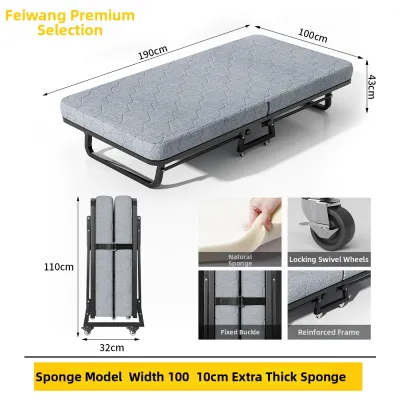
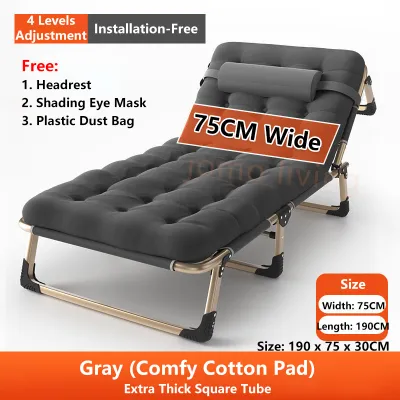
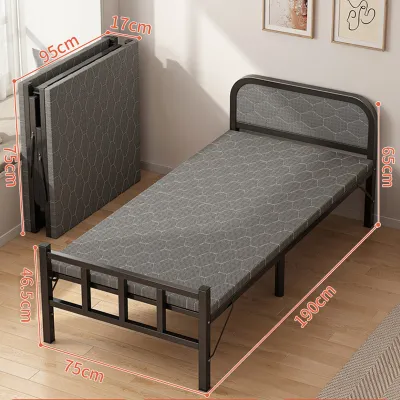
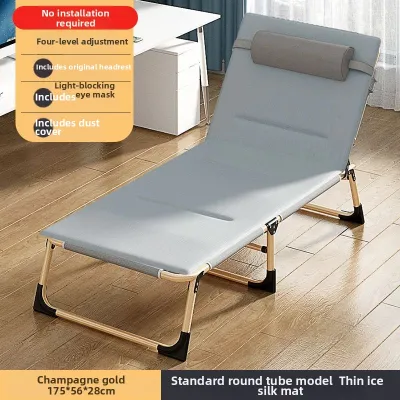
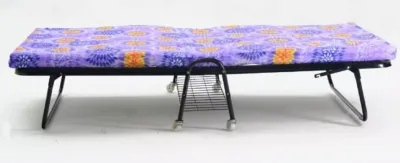
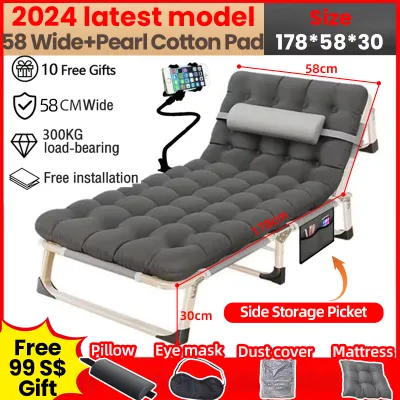
Prices are valid at publication and may change. Please refer to the product page for the latest price.
The rise of global e-commerce platforms and online marketplaces presents a unique challenge for parents, as physical inspections are impossible prior to delivery. Many budget-friendly imports bypass local safety checks, leaving buyers vulnerable to substandard materials or faulty locking systems. When purchasing online, always message the seller directly to request clear photos of the physical safety labels or PDF copies of the official compliance certificates before finalizing your transaction.
It is also vital to distinguish between general adult furniture safety and the specialized requirements for youth products. Adult folding beds are engineered primarily to support static weight, often omitting the protective shrouds, child-resistant locks, and strict gap tolerances required to keep a curious child safe. Children’s folding beds must feature specialized safety mechanisms designed specifically to withstand active play, rolling, and the smaller physical dimensions of a child’s limbs.
Critical Design Features of the Folding Mechanism
The engineering of the folding mechanism represents the most critical safety boundary of any portable bed. A poorly designed hinge or a weak lock can lead to severe injury, making a detailed inspection of these components essential.

Anti-Pinch Hinges and Gap Prevention
Children are naturally curious and frequently explore the moving parts of their furniture, making finger and limb entrapment a major risk. When evaluating a folding bed, check for physical barriers, hinge covers, or plastic shrouds that completely enclose the folding joints. These protective covers prevent small fingers from slipping into the scissor-like gaps of the metal frame when the bed is being set up or folded away.
Additionally, pay close attention to the gap sizes between the moving components during the folding process. According to international children’s safety guidelines, gaps must either be smaller than 5.0 millimeters to prevent fingers from entering at all, or wider than 12.0 millimeters to ensure that if a finger does enter, it will not become crushed or trapped. Avoid any frame that features gaps falling within this hazardous 5.0 to 12.0-millimeter range.
Secure Locking and Release Systems
An accidental collapse is one of the most dangerous structural failures a folding bed can experience. To eliminate this hazard, look for a frame equipped with a dual-action or child-resistant release mechanism. These systems require two distinct physical actions to disengage (such as pressing a safety button while simultaneously pulling a lever) or require a level of physical strength and cognitive coordination that a young child does not possess.
Furthermore, the locking mechanism must automatically engage with an audible or tactile click when the bed is fully opened. This sensory feedback confirms that the support bars are securely locked into position. Many high-quality models also include visual indicators, such as color-coded tabs that display green when the lock is fully engaged and red when it is unlocked, allowing parents to verify the bed’s safety status at a glance.
Base Stability and Tip-Over Prevention
A folding bed must remain perfectly stable even when a child is tossing, turning, or sitting on the very edge of the mattress. Evaluate the bed’s overall footprint, prioritizing designs that feature a wide base and a low center of gravity. Narrow frames with high sleeping surfaces are inherently top-heavy and prone to tipping over if a child shifts weight suddenly.
In Singapore, residential flooring commonly consists of smooth surfaces like polished marble, ceramic tiles, vinyl, or varnished parquet. To prevent the bed from sliding or shifting during use, ensure the frame legs are fitted with high-quality, non-slip rubberized feet. These feet provide the necessary traction to keep the bed anchored, protecting both your child and your home’s flooring from damage.
Material Safety, Sleeping Surface, and Weight Limits
Beyond the mechanical frame, the materials used in the construction of the bed and the design of the sleeping surface play a major role in long-term safety.
Non-Toxic Finishes and Fabric Safety
Singapore’s warm, humid tropical climate can accelerate the degradation of cheap surface coatings and increase the off-gassing of volatile organic compounds (VOCs). It is vital to check product specifications for assurances that all metal or wooden frame components are finished with lead-free, non-toxic paints and low-VOC coatings, such as GREENGUARD Gold certified finishes.
The fabric elements of the bed, including the mattress cover and any mesh side panels, must also be evaluated. Ensure these textiles are highly breathable to prevent heat retention and reduce the risk of mold or mildew accumulation in humid conditions. Verify that the fabrics have not been treated with harmful chemical flame retardants, formaldehydes, or heavy metal dyes by reviewing the manufacturer’s detailed material specifications.
Weight Capacity and Age Appropriateness
Every folding bed is rated for a specific weight capacity and age group, and these guidelines must be followed without exception. Never assume a bed is safe simply because your child physically fits on the mattress.
Keep in mind that dynamic forces—such as a child jumping, rolling, or sitting down heavily—exert significantly more pressure on the frame and joints than static weight. If your child’s weight is within 15% of the manufacturer’s stated maximum limit, it is highly recommended to transition them to a standard static bed to prevent sudden structural failure.
Mattress Fit and Entrapment Risks
The physical relationship between the mattress and the folding frame is a critical safety zone. Inspect the perimeter of the bed to ensure the gap between the mattress and the frame is virtually non-existent. Gaps wider than 3.0 centimeters pose a serious risk, as a child’s limbs, hands, or head can slip into the space and become trapped, leading to injury or suffocation.
To maintain proper safety clearances, always use the exact mattress supplied or officially approved by the bed manufacturer. Attempting to swap the original mattress for a thicker or wider aftermarket model can interfere with the folding hinges, compromise the locking mechanisms, and create dangerous gaps that violate the bed’s safety certifications.
Safe Placement and Ongoing Maintenance in Your Home
Buying a safe bed is only the first step; maintaining its structural integrity and placing it correctly in your home are equally important for long-term protection.
When setting up the folding bed, establish a safe zone around it. Position the bed well away from windows, curtain cords, Venetian blind chains, electrical outlets, and heavy, unanchored furniture. In Singapore’s high-rise apartments, placing a bed near a window is particularly dangerous, as a child could use the bed frame as a climbing step to reach the window sill.
To ensure the bed remains safe over time, implement a routine monthly inspection checklist. Examine all metal hinges, screws, and locking pins for signs of loosening, rust, or structural fatigue. Check the fabric seams and mattress support straps for any fraying or tearing near key stress points.
If you discover any defects, such as bent metal bars, cracked plastic joints, failing locks, or unusual squeaking when weight is applied, you must immediately discontinue use of the bed. Do not attempt to perform DIY repairs on critical load-bearing or locking components using household adhesives, tape, or non-standard hardware. Instead, consult the manufacturer or a qualified furniture professional to obtain authorized replacement parts or professional repair services.
Frequently Asked Questions (FAQ)
Are folding beds safe for toddlers to use as a primary bed?
Folding beds are engineered primarily for temporary or occasional use, such as family travel or weekend guest stays. They generally lack the robust edge support, spinal alignment properties, and long-term structural durability required for a toddler’s daily, primary sleeping surface. For everyday use, a standard static toddler bed is highly recommended.
How can I physically test the locking mechanism before use?
To test the locks, fully unfold the bed until you hear and feel the mechanisms click into place. Apply firm, downward pressure directly over the locking joints and the center of the frame to simulate a child’s weight. Finally, attempt to fold the bed without pressing the safety release buttons; a secure locking system must remain completely rigid and unmoved.
What are the warning signs that a folding bed is no longer structurally safe?
Look for visible warning signs such as rust on metal hinges, fabric tearing near structural joints, and a frame that sags or wobbles unevenly when empty. Additionally, if the locking pins require excessive force to engage or fail to snap cleanly into place, the bed has reached the end of its safe lifecycle and should be replaced.
Community discussion
Share your experience or ask a question. Comments are reviewed before publication.