
Selecting a kids bed requires looking far beyond aesthetics, color schemes, or clever storage drawers. The primary focus must always be physical safety, which is determined by rigorous structural standards, certified materials, and precise manufacturing. Rather than relying on marketing claims or brand reputation, parents and caregivers must know how to identify mandatory regulations, interpret product labels, and physically verify structural integrity before and after assembly.
Evaluating a bed’s safety involves understanding how international and local standards apply to children’s furniture. By learning what to look for on product labels and how to perform hands-on safety checks, you can ensure the bed remains a secure, stable environment for your child throughout its usable lifespan.
Understanding Safety Requirements for a Kids Bed
Safety standards exist to minimize the inherent risks associated with children’s furniture, transforming voluntary industry guidelines into verifiable benchmarks. Mandatory local safety regulations are established by government consumer protection bodies to ensure any product sold in the market meets baseline safety criteria. Voluntary international standards, such as those from ASTM International or European Standards (EN), often involve more rigorous testing protocols that cover structural fatigue, chemical emissions, and impact resistance.
Products mentioned in this guide
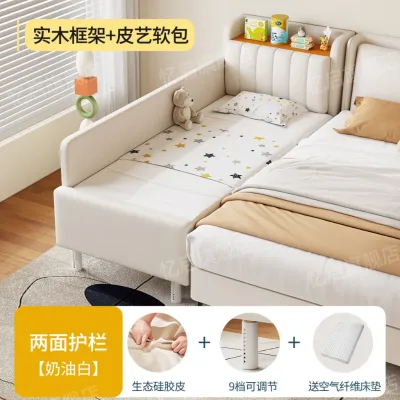
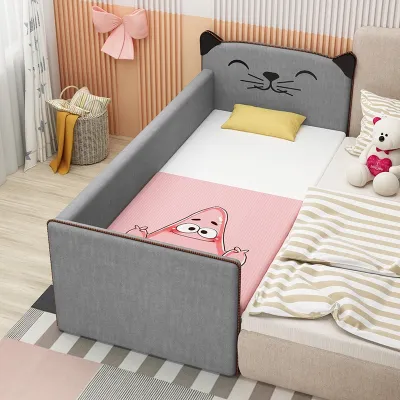
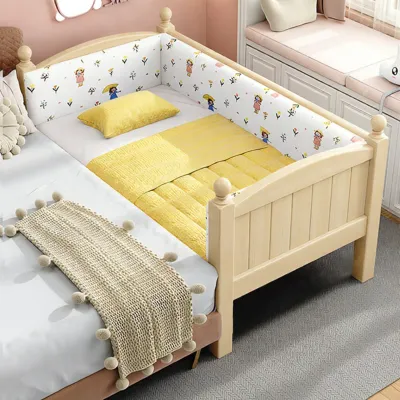
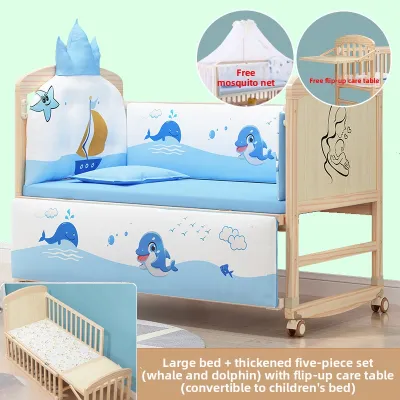
![[Pre-order]Childrens tatami 2024 new single island or simple modern childrens Montessori platform bed](https://img.lazcdn.com/g/p/dbbd457ab7f6a0c61ca39b4269e7aa21.jpg_400x400q80.jpg_.webp)
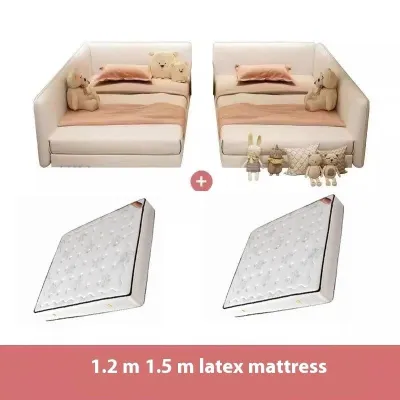
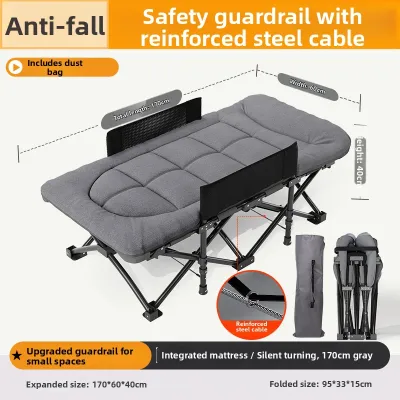
Prices are valid at publication and may change. Please refer to the product page for the latest price.
Common risk zones in children’s furniture include entrapment gaps, fall hazards, and structural collapse. Entrapment occurs when a child’s head, limbs, or torso becomes wedged between slats, guardrails, or the mattress and frame. Fall hazards are often linked to inadequate guardrail heights or unstable ladder designs, while structural collapse typically stems from poor joint construction or substandard materials that fail under dynamic weight.
It is a common misconception that premium material names or brand reputation automatically guarantee safety. A bed made of solid oak or eco-friendly pine can still pose severe risks if the structural design is flawed, the joints are weak, or the guardrails are spaced incorrectly. Verified certifications and tested load limits are the only reliable indicators of a bed’s structural integrity and safety.
Safety requirements also scale significantly with a child’s age, weight, and the specific bed type. Toddler beds require lower profiles and specialized guardrails to prevent falls while allowing safe, independent access. Standard single beds for older children must accommodate higher weight limits and withstand more dynamic physical activity, requiring robust slat support systems and reinforced frame connections.
Essential Structural and Guardrail Checks to Perform
Before finalizing a purchase or allowing a child to use a new bed, you must perform a series of physical measurements and structural checks. Guardrail height and gap dimensions are critical for preventing falls and entrapment. Measure the distance between the top of the guardrail and the top of the mattress; there must be a substantial protective barrier remaining even with the mattress in place. Slats and guardrail vertical posts should be spaced closely enough to prevent a child’s head or body from slipping through, yet wide enough to avoid trapping small limbs.

Mattress fit is another vital safety dimension that is frequently overlooked. A mattress that is too small for the bed frame leaves dangerous gaps along the sides or ends. Check for these gaps by pushing the mattress firmly to one side; if the remaining space is wide enough for a child’s hand, foot, or head to become wedged, the mattress and frame combination is incompatible and unsafe.
Stability and weight limits must be verified using the manufacturer’s official specifications rather than guesswork. Once assembled, physically test the bed frame for stability by applying force from different angles. Any noticeable frame wobble, swaying, or creaking at the joints indicates loose hardware, poor alignment, or substandard structural design that could fail under daily use.
Perform a thorough surface and hardware inspection across the entire bed frame. Run your hands along the edges, corners, and underside of the frame to ensure there are no sharp edges, protruding bolts, wood splinters, or peeling finishes. Hardware must sit flush with or be recessed into the frame material to prevent snagging clothing or causing scratches during active play.
How to Verify Certification Marks and Product Labels
Legitimate safety certifications are never just mentioned in passing on a product page; they are documented directly on the product and its packaging. Look for permanent safety labels affixed to the bed frame, typically located on the inside of the headboard, footboard, or side rails. These labels should clearly state the specific safety standards met, the manufacturer’s details, and the production batch number.
To ensure these certification marks are genuine, cross-reference the information on the label with the manufacturer’s official documentation or the database of the recognized testing body. Reputable manufacturers provide accessible safety data sheets, compliance certificates, or user manuals that detail the exact testing standards their products have passed. If a retailer cannot provide this documentation upon request, the safety claims should be treated with caution.
Be alert to warning signs such as missing, unclear, or altered certification marks on the product or packaging. If the safety label looks like a generic sticker with no specific standard numbers, or if the information on the packaging conflicts with the instructions in the assembly manual, do not assume the product is safe. These discrepancies often point to unverified manufacturing processes or counterfeit safety claims.
Establish clear stop conditions during your buying process. If you cannot verify the safety documentation, if the retailer refuses to provide compliance certificates, or if the physical product lacks permanent safety labeling, halt the purchase immediately. If the bed has already been delivered, arrange for a return rather than risking your child’s safety on an unverified piece of furniture.
Safe Assembly and Ongoing Usage Boundaries
Proper assembly is just as critical as choosing a certified bed frame. Always follow the manufacturer’s exact assembly instructions step-by-step, and use only the hardware provided in the packaging. Substituting missing screws or bolts with random hardware from a home toolbox can compromise the structural integrity of the joints, leading to premature wear or sudden failure.
Anchoring requirements must be strictly followed to prevent tip-over accidents, especially for taller frames, loft beds, or bunk beds. In many homes, securing the bed frame to the wall is a necessary safety measure. Ensure you use the correct wall plugs and brackets suitable for your wall type—such as solid concrete or drywall—to create a secure, immovable connection that can withstand climbing or pulling.
Establish a routine maintenance schedule to keep the bed safe over its entire lifespan. Every few months, inspect the bed frame to tighten any bolts that may have loosened from daily movement. Check the wooden components for signs of wear, such as splinters or hairline cracks, and verify that the guardrails and ladder attachments remain securely locked in place without any play.
Know when to stop using the bed immediately to prevent injuries. If you discover cracked support slats, loose structural joints that cannot be tightened, or broken guardrail mechanisms, restrict access to the bed right away. Do not attempt temporary DIY fixes with tape or glue; instead, contact the manufacturer for official replacement parts or consult a qualified professional to assess whether the bed can be safely repaired.
Frequently Asked Questions (FAQ)
Are Bunk Beds Subject to Stricter Safety Standards?
Yes, bunk beds are subject to much stricter safety standards due to the elevated sleeping surface and the increased risk of falls. Guardrails on the top bunk must be continuous on all sides, with the exception of a single narrow opening designed specifically for ladder access. This ensures that a sleeping child cannot roll off the bed from any angle.
The ladder itself must meet strict stability and spacing requirements. Rungs must be securely attached to the frame, spaced evenly to prevent slipping, and wide enough to provide secure footing. Additionally, manufacturers specify strict age and weight limits for the top bunk—typically restricting its use to children aged six and older—which must be strictly enforced to ensure safety.
What to Do If the Bed Fails a Stability Check After Assembly?
If the bed frame wobbles or feels unstable after assembly, do not allow your child to use it. Begin troubleshooting by re-checking all hardware, screws, and alignment against the manufacturer’s assembly manual. Often, a slight misalignment during the initial setup can prevent joints from locking together securely, causing the frame to sway.
Verify that the floor surface is completely level, as uneven flooring can mimic structural instability. If the floor is level and all hardware is tightened correctly, inspect the individual frame components to ensure they are not warped, cracked, or defective. If the instability persists, stop using the bed immediately and contact the retailer or manufacturer to request replacement parts, a professional inspection, or a product return.

Community discussion
Share your experience or ask a question. Comments are reviewed before publication.