
To choose the perfect dining chairs, you must evaluate spatial dimensions, material durability relative to your household’s daily habits, ergonomic comfort, and logistical constraints. When planning a dining room update, the most critical home factor to evaluate is how your furniture choice aligns with both your physical space and your household’s daily lifestyle. Selecting the wrong chairs can lead to cramped walkways, uncomfortable meals, or rapid wear and tear.
By taking a systematic approach to assessing your dining area, you can find seating that looks beautiful, fits perfectly, and stands up to years of daily use. This guide breaks down the essential criteria to analyze before making your purchase.
Diagnose Your Space and Dimension Constraints as a Key Home Factor
Measuring your dining area is the foundational step in your buying journey. Without accurate dimensions, you risk purchasing chairs that are too tall for your table, too wide for your room, or too heavy for your layout.
Products mentioned in this guide
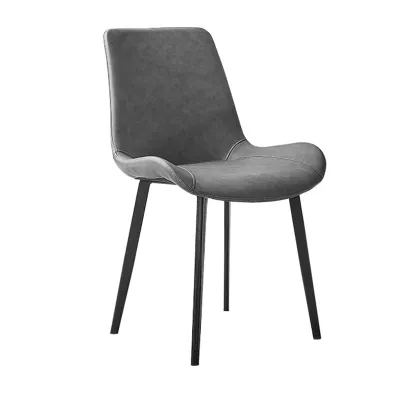
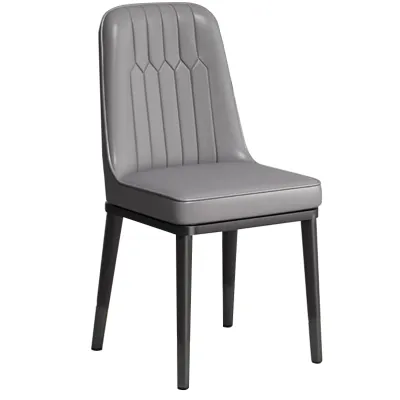
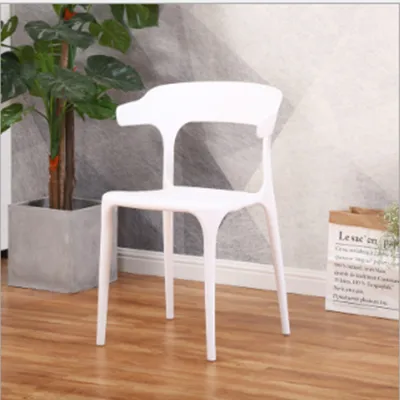
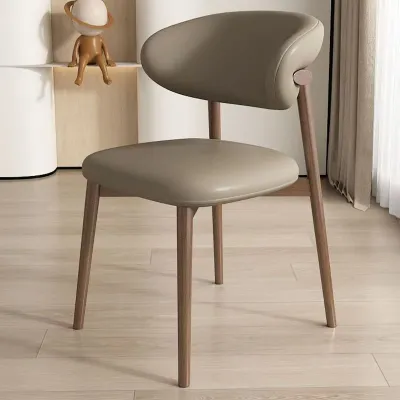
Prices are valid at publication and may change. Please refer to the product page for the latest price.
Table and Seat Clearance The relationship between your dining table height and your chair seat height dictates your overall comfort. Standard dining tables typically stand around 75 cm tall, while standard dining chair seats rest between 45 cm and 48 cm from the floor. This leaves a clearance gap of 27 cm to 30 cm, which is the optimal range for comfortable legroom. However, you must measure your specific table’s design. If your table features a thick apron (the wooden panel beneath the tabletop) or a central pedestal base, these structural elements can reduce thigh clearance. Measure from the lowest point of the table’s underside to the floor to ensure your knees will not bump against the frame.
Footprint and Movement Space A comfortable dining experience requires adequate physical space for each diner and seamless movement around the room. To prevent elbow-bumping, allocate at least 60 cm to 70 cm of table width per person. If you plan to place three chairs along one side of a rectangular table, the table length should be at least 180 cm. Furthermore, consider the “pull-out zone” behind each chair. You need a minimum of 90 cm—and ideally 100 cm to 120 cm—of clear space measured from the edge of the table to the nearest wall, sideboard, or walkway. This allows diners to push back their chairs, stand up comfortably, and walk behind seated guests without forcing them to adjust.
To visualize this footprint before buying, use painter’s tape on your dining room floor to outline the table and the maximum extension of the chairs. This simple physical check helps you assess whether the chairs will block primary pathways or collide with nearby furniture like sideboards or cabinets.
Compact Space Adjustments In Singapore, where many homes—such as HDB flats and condominiums—feature compact dining areas or open-plan living-dining layouts, optimizing spatial efficiency is critical. To maximize your floor plan, evaluate the visual weight and physical footprint of your chairs. Armless dining chairs are generally more space-efficient because they can slide completely under the table when not in use, keeping walkways clear. Look for chairs with slim profiles, tapered legs, and open backrests (such as spindle, ladder-back, or low-profile designs) that allow light to pass through. This design choice prevents your dining zone from feeling visually overcrowded while maintaining structural stability.
Assess Material Durability Against Your Household Lifestyle
Your dining chairs must withstand the daily realities of your household. The materials you choose directly impact how much time you spend on maintenance and how long the chairs will last.

Frame Stability and Floor Protection The frame material forms the structural backbone of your dining chair. Solid wood frames, such as teak, oak, or walnut, are highly durable and offer classic aesthetic appeal. When evaluating wood chairs, check the joints; high-quality construction utilizes mortise-and-tenon joinery or corner blocks secured with screws, rather than simple glue and staples. Metal frames, made of powder-coated steel or aluminum, provide exceptional weight capacity and slim profiles suitable for modern interiors. Molded plastic or polycarbonate chairs are lightweight, budget-friendly, and highly resistant to moisture, though you should verify their weight limits and structural flexibility. Regardless of the frame material, ensure the legs are fitted with appropriate floor protectors, such as heavy-duty felt pads or rubber glides, to prevent scratching delicate flooring like vinyl, laminate, or polished marble.
Upholstery and Cleanability Upholstered chairs offer superior comfort and a touch of luxury, but they require careful consideration of fabric durability. If you prefer fabric upholstery, look for high-performance textiles with a high Martindale or Wyzenbeek rub count (ideally 15,000 to 20,000 double rubs for heavy residential use) and built-in stain resistance. Genuine leather is incredibly durable and develops a beautiful patina over time, though it requires occasional conditioning and can be sensitive to sharp objects like pet claws. Synthetic alternatives, such as polyurethane (PU) or faux leather, are highly wipeable and budget-friendly. However, in Singapore’s humid tropical climate, low-quality PU leather can degrade and peel over time. To ensure longevity, always check the manufacturer’s care instructions and look for breathable, high-grade synthetics or removable, washable slipcovers.
Before purchasing any upholstered chair, perform a simple check of the care label. Look for cleaning codes such as “W” (water-based cleaner), “S” (solvent-based cleaner), or “W/S” (both). If a chair has no cleaning code or care instructions, contact the manufacturer to verify how to handle spills, especially if you have a busy household.
Lifestyle Matching Align your material selection with your household’s daily traffic. If you have young children, active pets, or host frequent casual gatherings, prioritize non-porous, easily wipeable materials like molded plastic, treated wood, or performance fabrics that resist spills. For formal, low-traffic dining rooms used primarily for special occasions, you can safely opt for delicate fabrics like velvet, linen, or intricate woven textures that require more meticulous upkeep.
Evaluate Seat Comfort for Your Dining Habits
A beautiful dining chair is of little use if it is uncomfortable to sit in. The level of support you need depends heavily on how your household utilizes the dining area.
Seat Dimensions and Cushioning If your dining table serves as a multi-functional hub—used not only for quick meals but also for long family dinners, remote work, or children’s homework—ergonomics are essential. Look for a seat depth of 40 cm to 45 cm, which supports your thighs without putting pressure on the back of your knees. The seat width should be at least 45 cm to 50 cm to comfortably accommodate different body types. The seat cushion should feature high-density polyurethane foam (typically rated at 30 kg/m³ or higher). High-density foam offers resilient support, keeping its shape over hours of sitting, whereas low-density foam will quickly bottom out, causing you to feel the hard wooden or metal support structure beneath.
Backrest Support The backrest design determines how well the chair supports your spine. A supportive chair should feature a backrest that mimics the natural S-curve of your back. High-back chairs offer formal, full-back support but can dominate a room visually. Low-back or mid-back chairs offer a more casual, contemporary look but may lack upper-back support during extended sitting sessions. If you frequently use your dining table as a workspace, prioritize chairs with slight lumbar contouring and a backrest angle of 100 to 110 degrees, which encourages an upright yet relaxed posture.
Verification Methods To ensure the comfort of your chairs, try to test them in person before buying. Spend at least 10 to 15 minutes sitting in the chair to assess how the cushioning distributes your weight and whether the frame flexes or wobbles. If you are purchasing from online furniture retailers, carefully review the detailed dimension diagrams, read customer reviews specifically mentioning seat firmness, and check the retailer’s return policy. Ensure you understand the terms for returning bulky items, including who covers the return shipping fees, in case the comfort level does not meet your expectations.
Align Aesthetics and Practicality with Your Home Setup
The final step in your evaluation process is ensuring your chosen chairs complement your home’s design while aligning with your logistical and financial plans.
Visual Cohesion Your dining chairs do not need to match your dining table perfectly. Mixing styles can create a highly personalized, curated look. For instance, you can pair a rustic wooden dining table with sleek, industrial metal chairs, or match a modern glass table with upholstered mid-century modern chairs. To maintain visual harmony, ensure there is at least one unifying element across all pieces, such as matching wood tones, a consistent color palette, or complementary leg shapes. Another popular approach is using matching armchairs at the heads of the table while using armless side chairs along the sides, creating a balanced yet dynamic setup.
Cost and Longevity When budgeting, evaluate the cost per chair as a long-term investment rather than focusing solely on the initial purchase price. While a budget chair priced under S$80 may seem attractive, it may require replacement within a couple of years due to structural wear or peeling upholstery. Investing S$150 to S$300 per chair for robust construction, high-quality joinery, and durable materials often yields a lower cost-per-use over time.
Delivery and Assembly Before finalizing your purchase, confirm the delivery and assembly logistics. Measure your home’s entry points, including the elevator door, stairwell clearance, and main entrance frame, to ensure the delivery team can safely transport the chairs. This is particularly important for pre-assembled chairs or those sold in multi-pack boxes. If the chairs arrive flat-packed, verify whether assembly tools are included or if the retailer offers professional assembly services.
Frequently Asked Questions (FAQ)
What is the ideal height difference between a dining table and chair seat?
The ideal height difference is between 25 cm and 30 cm. For a standard 75 cm dining table, choose chairs with a seat height of approximately 45 cm to 48 cm. Always measure the thickness of your table’s apron, as a deep apron can reduce the available clearance for your thighs.
How many dining chairs should I buy for a standard table?
To determine the right capacity, allow at least 60 cm of table length per diner. For a standard 180 cm rectangular table, you can comfortably fit three chairs on each long side, totaling six chairs. If you use wider chairs with armrests, or if your table has bulky legs, you may need to reduce the count to ensure comfortable spacing.
Are armchairs suitable for small dining spaces?
Armchairs can work in small dining spaces, but they present specific trade-offs. The armrests add to the overall width of the chair and often prevent it from being tucked fully underneath the table when not in use, which can block walkways. If you opt for armchairs in a compact room, verify that the armrest height is lower than the bottom edge of your table apron.
Community discussion
Share your experience or ask a question. Comments are reviewed before publication.