
When shopping for a massage chair in Singapore, comparing a JOMO massager to established alternatives requires looking past marketing buzzwords to focus on physical dimensions, mechanical specifications, and local support structures. Singaporean homes, particularly HDB flats and condominiums, present unique spatial constraints that make a chair’s actual footprint and clearance requirements just as critical as its massage programs. By systematically evaluating roller technology, track configurations, upholstery durability, and warranty terms, you can determine whether JOMO or a competing brand offers the best value for your specific relaxation needs and living space.
Because specifications and retail offerings change frequently, determining the ultimate value requires cross-referencing current product manuals, verifying physical clearances, and confirming warranty terms rather than relying on generalized brand reputations. This guide provides a structured framework to help you compare JOMO and its competitors across the dimensions that matter most for your home.
Key Criteria for Comparing Massage Chair Brands
Evaluating any massage chair brand requires establishing objective baseline criteria before looking at specific models. The core of any massage chair is its mechanical delivery system, which determines how effectively it can mimic human touch. Understanding these technical specifications allows you to make an accurate comparison between JOMO and other brands available on the market.
Products mentioned in this guide
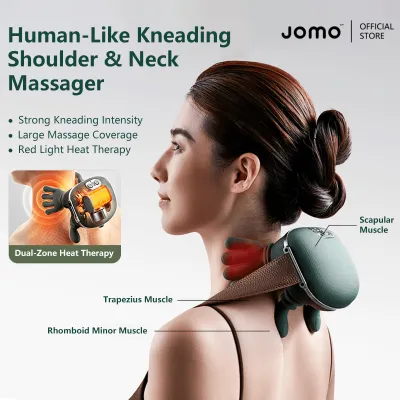
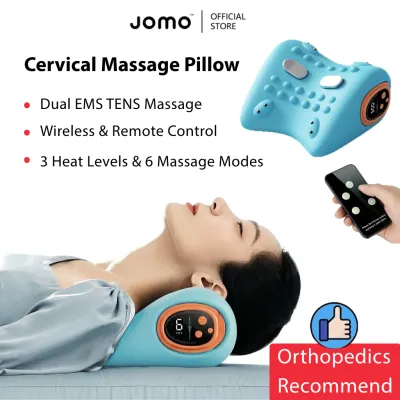
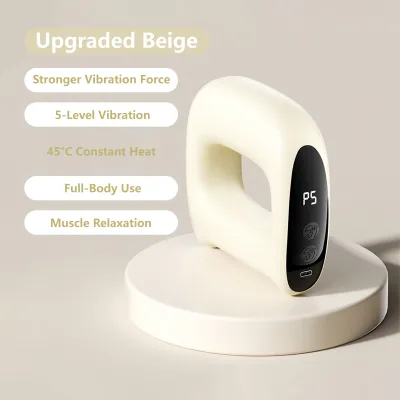

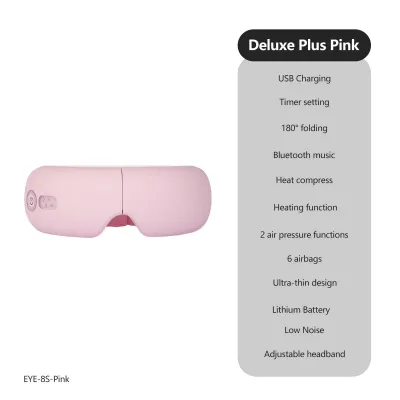

Prices are valid at publication and may change. Please refer to the product page for the latest price.
Massage mechanisms are primarily defined by their roller dimensions, which typically range from 2D to 3D or 4D systems. Basic 2D rollers move vertically and horizontally, offering a consistent but flat massage depth. Advanced 3D and 4D rollers introduce depth control, allowing the mechanisms to protrude forward into your muscle tissue and vary their speed dynamically to simulate the hands of a professional masseuse.
The track length and shape dictate how far the rollers can travel along your body. An S-track follows the natural curve of your spine from the neck to the lower back, while an L-track extends further down to cover the glutes and thighs. Choosing an SL-track combines these benefits, ensuring the rollers maintain close contact with your spine’s natural curvature while extending the massage coverage to your lower body.
Build quality indicators are essential for assessing the long-term durability of your investment. Examine the specification sheets for frame construction materials, prioritizing solid steel frames over plastic or wood hybrids. Additionally, check the maximum weight capacity and the type of upholstery material used, as high-grade polyurethane (PU) leather is generally preferred for its ability to withstand friction and resist the humid Singapore climate.
Control interfaces also play a significant role in daily usability. Some chairs rely on traditional tethered physical remotes, while others feature mounted touchscreen tablets or require a smartphone application. Consider the preferences of all household members, as older adults may find physical buttons more intuitive than navigating digital menus on an app.
How to Evaluate JOMO Massager Features Against Alternatives
To find the best functional match for your home, you must cross-reference the specific feature sets of JOMO models with competing units. Automated massage programs are the most common starting point, but the depth of manual customization options is what truly defines a high-quality chair. Look for models that allow you to pause the rollers, target specific muscle knots, and adjust the width, speed, and intensity of the massage manually.

Zero-gravity recline is another critical feature that enhances the therapeutic benefits of a massage. This position elevates your knees above your heart, distributing your body weight evenly to reduce pressure on your spine and joints. When comparing brands, verify the number of zero-gravity stages available and check if the chair utilizes space-saving sliding technology to minimize the required wall clearance.
Lower-body relief features, such as lumbar heating, calf compression, and active foot rollers, vary significantly between brands. Heat therapy helps relax tight muscles before the rollers begin their work, so check if the heating elements are located in the lumbar region, calves, or both. For foot massages, ensure the chair features active spinning rollers under the soles rather than simple static nodes that rely solely on airbag pressure.
Noise levels and motor performance directly impact how relaxing your massage experience will be. While operating decibels are rarely highlighted in marketing materials, you can often find these specifications in the back of user manuals. Requesting an in-store demonstration is the most reliable way to assess noise, allowing you to listen to the motor and mechanical transitions in a quiet environment before making a decision.
Space, Clearance, and Installation Requirements
Before purchasing any massage chair, you must ensure it physically fits your living space and can be safely delivered into your home. Singapore’s high-rise living environments require careful planning regarding lift dimensions, doorway widths, and hallway corners. Measuring your home’s entryways is the first step to preventing delivery day complications.
A massage chair requires two distinct sets of measurements: its upright footprint and its fully reclined dimensions. “Zero-wall” or space-saving models require only 5 to 10 centimeters of clearance behind the headrest because the chair body slides forward on its base as it reclines. Standard models, however, may require up to 50 centimeters of rear clearance, which can severely limit placement options in smaller living rooms.
Floor weight capacity and protection are also important considerations, as massage chairs are heavy appliances that typically weigh between 80 and 150 kilograms. When occupied, this concentrated load can dent parquet, scratch vinyl, or crack delicate floor tiles. Placing a dense, non-slip protective mat beneath the chair’s base distributes the weight more evenly and helps dampen operational vibrations.
Power requirements and cable management should not be overlooked during your space planning. Ensure there is a dedicated power outlet near the intended setup location to avoid using long extension cords. Keep power cables clear of the chair’s moving metal frame and high-traffic walkways to prevent tripping hazards and electrical damage.
Assessing Warranty and After-Sales Support in Singapore
Evaluating post-purchase support, maintenance costs, and the total cost of ownership is crucial when comparing JOMO to other brands in the local market. A massage chair is a complex mechanical and electronic device, making a robust warranty essential for peace of mind. Do not rely on generic warranty claims; instead, read the fine print to understand exactly what is covered.
Standard warranties are often split into different coverage periods for parts, labor, and the structural frame. For example, a brand might offer a three-year warranty on the frame but only one year of coverage for the electronic components and upholstery. Verify whether wear-and-tear items, such as the PU leather cover or the remote control, are included in the warranty or if they require separate coverage.
The availability of authorized local service centers and technician response times can vary significantly between brands. Inquire whether the retailer provides in-home repair services, as transporting a 100-kilogram chair to a warehouse for repairs is highly impractical. Reliable brands should offer on-site technical support with clear timelines for diagnosing and resolving mechanical issues.
Finally, review the return policies, restocking fees, and delivery charges associated with your purchase. Some authorized furniture retailers or official brand stores offer free delivery and installation, while others may charge additional fees of S$50 to S$100 for walk-up stairs if your building lacks lift access. Understanding these potential costs beforehand helps you calculate the true total cost of ownership.
Decision Framework: Choosing Between JOMO and Competitors
Making a final decision between a JOMO massager and a competing brand comes down to matching verified specifications with your personal priorities. Choose a JOMO massager if its verified feature set, physical dimensions, and local warranty terms directly match your prioritized needs and space limits. If a specific JOMO model fits your budget and offers the exact track length and roller technology you require, it represents a practical choice for your home.
Conversely, you should choose a competing brand if alternative models offer better verified wall clearance, specific therapeutic programs, or more comprehensive local after-sales support. If your living space is exceptionally tight, a competitor with superior zero-wall clearance technology may be the more viable option. Similarly, if you require specialized medical-grade programs or a longer track record of local servicing, an established competitor might be worth the additional investment.
Always verify if you are comparing older JOMO models with newly released competitor units to ensure you are matching equivalent specifications and current retail prices. Technology in the massage chair industry evolves rapidly, and older models may lack the motor efficiency, noise reduction, or roller precision of newer releases. By focusing on objective specifications and physical constraints, you can confidently select the chair that best supports your wellness journey.
Frequently Asked Questions (FAQ)
How do I test a massage chair before buying online?
To make an informed online purchase, visit a physical showroom and spend at least 15 minutes in the chair. Pay close attention to the roller track length; ensure the rollers comfortably reach your neck and travel all the way down to your lower back or glutes without causing discomfort. Evaluate the airbag pressure intensity across different settings, and assess the overall comfort and breathability of the upholstery during a complete automated cycle.
What maintenance is required to keep a massage chair in good condition?
Regular maintenance is essential to prolong the lifespan of your massage chair. Dust the exterior weekly and use a soft, slightly damp microfiber cloth to spot-clean the upholstery, following the manufacturer’s specific guidelines for synthetic leather. Keep the chair positioned away from direct sunlight and air conditioning vents to prevent the material from fading, cracking, or drying out, and periodically inspect the power cables and moving joints for any signs of wear or obstruction.

Community discussion
Share your experience or ask a question. Comments are reviewed before publication.