
Choosing between a Japanese and a Scandinavian wooden sofa comes down to how you prefer to interact with your living space. While both design movements celebrate natural timber, furniture brands interpret their structural forms, seating heights, and comfort profiles in distinct ways. A Japanese-style wooden sofa typically anchors a room with its low profile, structured lines, and exposed joinery, encouraging a grounded, mindful way of living. In contrast, a Scandinavian-style wooden sofa lifts the room with tapered legs, organic curves, and plush upholstery designed for cozy, lingering comfort. Understanding these subtle differences in brand execution allows you to select a piece that matches your daily habits, aesthetic preferences, and spatial constraints.
Core Design Philosophies: Japanese vs Scandinavian Aesthetics
Japanese furniture design is deeply rooted in traditional concepts like wabi-sabi—finding beauty in imperfection—and ma, the purposeful use of negative space. In wooden sofa design, brands translate these philosophies into low-slung frames that sit close to the floor. These pieces emphasize strong horizontal lines, heavy timber bases, and intricate, visible joinery that showcases the maker’s craft. The visual weight is concentrated downward, creating an open, airy feeling in the upper half of the room. This makes Japanese wooden sofas highly effective for homes with lower ceilings or those aiming for an uncluttered, serene atmosphere.
Scandinavian design, by contrast, emerged from a need for warmth, light, and functional simplicity during long northern winters. Brands interpreting this aesthetic focus on organic curves, tapered legs that elevate the sofa off the ground, and a lighter visual footprint. The lines are clean but softened by rounded edges and gentle angles. By raising the sofa frame, Scandinavian designs allow light to pass underneath, making small living rooms feel larger and more dynamic. The focus is on beautiful, functional furniture meant for everyday family life.
Products mentioned in this guide
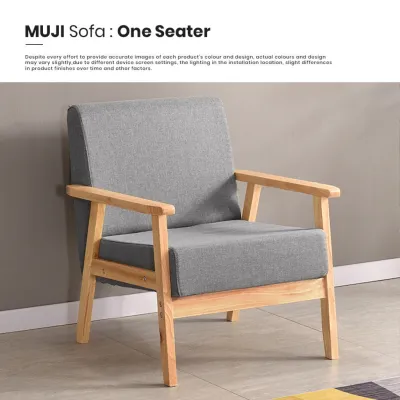
7 Lazada user ratings
Ordering process was smooth. The staff even helped me to install the sofa, which was nice. I tipped them for it.
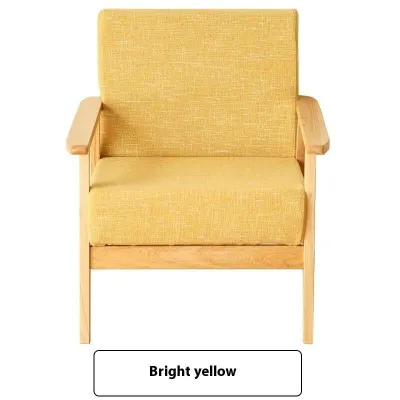
5 Lazada user ratings
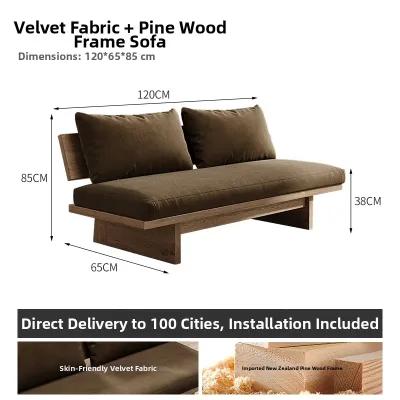
The style is simple and versatile. It bounces back and remains comfortable to sit on for a long time. It looks beautiful when placed in a sm…Read full reviewShow less
The style is simple and versatile. It bounces back and remains comfortable to sit on for a long time. It looks beautiful when placed in a small apartment and has strong practicality.
The size is just right for small apartments. The fabric is soft and skin-friendly, providing a comfortable sitting experience. The living ro…Read full reviewShow less
The size is just right for small apartments. The fabric is soft and skin-friendly, providing a comfortable sitting experience. The living room is simple yet cozy.
The texture is fine and the workmanship is good. The overall feel is light and not heavy. It is easy to maintain and is suitable for both re…Read full reviewShow less
The texture is fine and the workmanship is good. The overall feel is light and not heavy. It is easy to maintain and is suitable for both renting and home use.
The space utilization is high. The appearance is simple and elegant. The softness and hardness are moderate. It fits perfectly in a small li…Read full reviewShow less
The space utilization is high. The appearance is simple and elegant. The softness and hardness are moderate. It fits perfectly in a small living room.

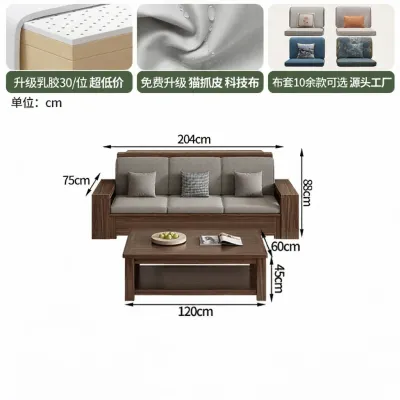
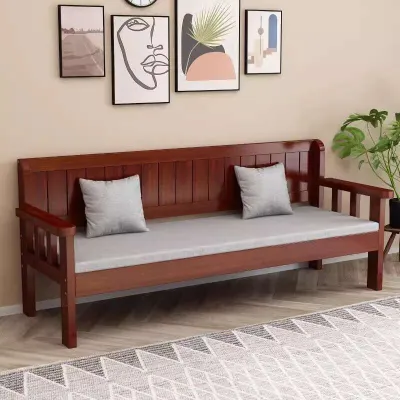
5 Lazada user ratings
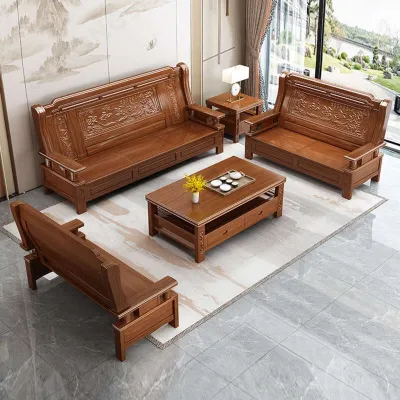
The solid wood frame is sturdy and stable, with an old-fashioned classic style. It offers a solid sitting experience and is suitable for bot…Read full reviewShow less
The solid wood frame is sturdy and stable, with an old-fashioned classic style. It offers a solid sitting experience and is suitable for both household use and decoration. It is durable and elegant for daily use at home.
The wooden materials are solid and heavy, with excellent load-bearing capacity. It is durable and suitable for daily use at home, providing …Read full reviewShow less
The wooden materials are solid and heavy, with excellent load-bearing capacity. It is durable and suitable for daily use at home, providing a very comfortable experience for the family.
The construction is thick and stable without any shaking. It is traditional, simple, and attractive. It is loved by elders and is suitable f…Read full reviewShow less
The construction is thick and stable without any shaking. It is traditional, simple, and attractive. It is loved by elders and is suitable for placement in the living room.
The solid wood has a stable texture, fine workmanship, and is not prone to deformation. It is practical, cost-effective, and suitable for da…Read full reviewShow less
The solid wood has a stable texture, fine workmanship, and is not prone to deformation. It is practical, cost-effective, and suitable for daily use at home.
The style is simple and traditional, with a stable and reliable structure. It has good ventilation. It is just the right size for the family…Read full reviewShow less
The style is simple and traditional, with a stable and reliable structure. It has good ventilation. It is just the right size for the family to sit and use.
Prices are valid at publication and may change. Please refer to the product page for the latest price.
Modern furniture brands often navigate these styles by either preserving their pure historical forms or blending them into the popular “Japandi” aesthetic. When brands keep them separate, they target distinct lifestyles. Pure Japanese collections cater to those who appreciate structured minimalism, formal hosting, or floor-based lounging. Scandinavian collections, on the other hand, target households seeking casual warmth, easy cleaning access underneath the furniture, and a softer, more fluid visual flow.
Wood Finishes and Material Execution
The choice of timber and surface treatment is where brands establish the sensory character of each style. In Japanese-inspired wooden sofas, brands frequently employ species like dark walnut, cherry, or deeply stained oak. These woods feature prominent, complex grain patterns that tell a story of growth and age. Some brands apply dark charcoal or rich brown stains to highlight the structural silhouette of the frame, aligning with the traditional charred-wood aesthetic of shou sugi ban. The textures are often left slightly tactile, allowing you to feel the natural ridges of the wood grain under your fingertips.

Scandinavian designs lean heavily toward pale, light-toned hardwoods such as white oak, ash, beech, and birch. These woods reflect natural light, helping to brighten indoor spaces. Brands executing the Nordic look typically use clear, matte polyurethane coatings, water-based sealants, or traditional soap finishes. These treatments protect the timber while preserving its raw, unfinished appearance, preventing the yellowing that can occur over time. The result is a smooth, satin-like surface that feels warm and soft to the touch.
When evaluating these sofas in a showroom, it is essential to look beyond the surface color. Check the product specifications for the type of finish used. Oil and wax finishes offer a highly natural feel but require periodic reapplication to protect the wood from spills and drying. Polyurethane and lacquer finishes provide a robust, moisture-resistant barrier that is easier to wipe clean, making them highly practical for busy households. Always inspect the joints where the timber meets; high-quality brands use precise wood-to-wood joinery, whereas mass-produced options may rely on visible metal brackets or heavy adhesives hidden beneath the surface.
Cushioning, Upholstery, and Comfort Profiles
The relationship between the wooden frame and the soft cushioning defines how you will use the sofa daily. Japanese furniture brands often treat cushions as distinct, modular elements that sit neatly within or on top of a highly structured wooden frame. These cushions tend to be thinner and firmer, utilizing high-density resilient foam that supports an upright, active sitting posture. The wooden backrest or side panels are frequently left partially exposed, allowing the beauty of the timber slats to remain a key visual feature even when the cushions are in place. This design is ideal for reading, conversation, or enjoying a cup of tea, as it prevents you from sinking too deeply into the seat.
Scandinavian sofas prioritize a plush, enveloping comfort profile. Brands designing in this style often integrate the cushioning more fully with the frame, using thicker, multi-layered foam cores wrapped in down feathers or soft polyester fibers. The seats are typically deeper, encouraging you to curl up, lounge, or lie down. Scandinavian upholstery choices emphasize cozy, tactile textures such as textured bouclé, heavy wool blends, flat-weave linens, and soft leathers. The color palette is usually soft and neutral—think warm beiges, muted grays, sage greens, and soft blues—designed to create a sense of hygge, the Danish concept of cozy contentment.
To assess the comfort and durability of a wooden sofa, pay close attention to the cushion construction. Look for high-density polyurethane foam (at least 30 kg/m³ for seat cushions) to ensure the sofa retains its shape over years of use. Check if the cushion covers are removable and dry-cleanable, which is a vital feature for maintaining a fresh look, especially with lighter Scandinavian fabrics. Sit on the sofa for at least ten minutes in the showroom to evaluate how the frame supports your lower back and thighs, noting whether the wooden frame presses against your body when you lean back.
Price Positioning and Value Assessment
Wooden sofas represent a significant investment, and brands price their collections based on materials, construction complexity, and manufacturing scale. Japanese-style wooden sofas often carry a premium associated with traditional craftsmanship. Brands that employ master carpenters to execute complex wood-to-wood joinery—such as mortise-and-tenon or dovetail joints—must price their products to reflect the hours of skilled labor involved. These pieces are built to last generations, with frames that remain structurally sound without the use of nails or screws.
Scandinavian-style wooden sofas are often positioned across a broader price spectrum. While high-end Nordic design houses charge premium rates for iconic designer reissues and hand-finished oak frames, many contemporary brands offer highly accessible modular or flat-pack interpretations. These budget-friendly options utilize smart engineering, standardized components, and efficient shipping methods to keep costs down. While they may not feature hand-carved details, they still deliver the clean lines and functional appeal of the Scandinavian aesthetic.
When comparing S$ price tags in showrooms, look for specific value indicators to justify the cost. First, check the wood sourcing certifications; reputable brands will specify if their timber is certified by the Forest Stewardship Council (FSC) or Program for the Endorsement of Forest Certification (PEFC), ensuring sustainable forestry practices. Second, inspect the underside of the frame to verify the joinery; solid wood corner blocks and dowel joints indicate a sturdy build, whereas staples and thin plywood supports suggest a shorter lifespan. Finally, review the structural warranty terms. A high-quality solid wood frame should come with a warranty of at least five to ten years, reflecting the brand’s confidence in its durability.
Decision Framework: Choosing the Right Wooden Sofa
To choose the perfect wooden sofa for your home, align the design characteristics of each style with your physical space, lifestyle, and comfort preferences.
You should lean toward a Japanese-style wooden sofa if your living room has lower ceilings or a compact footprint where a low-profile silhouette will maximize vertical space. This style is also perfect if you prefer firm, structured seating that supports your posture, or if you want to create a minimalist, tranquil environment centered around natural wood textures and clean, geometric lines.
Alternatively, a Scandinavian-style wooden sofa is the ideal choice if you prioritize deep, cozy comfort and want a piece that invites you to lounge for hours. Its elevated frame and tapered legs work beautifully in bright, airy spaces, making it easy to clean underneath with a vacuum or robotic cleaner. The softer curves and textured fabrics of Scandi design are also highly forgiving in homes with children or pets, where sharp corners might pose a safety concern.
Before making your final purchase, perform a few essential practical checks. Measure your doorways, hallways, and lift access to ensure the solid wooden frame can be delivered safely into your home, as wooden sofas often do not disassemble as easily as fully upholstered models. Additionally, consider the local climate. High humidity can cause solid wood to expand and contract; ensure the brand has treated the timber appropriately for tropical environments, and place your sofa away from direct sunlight and air conditioning vents to prevent the wood from warping or cracking over time.

Community discussion
Share your experience or ask a question. Comments are reviewed before publication.