
A sinking office chair is a frustrating disruption to your workday, and it is almost always caused by a failing gas lift cylinder—the core lifter mover mechanism of your seating. When the internal seals of this pressurized chamber degrade over time, nitrogen gas slowly escapes, leaving the cylinder unable to support your weight. Fortunately, a sinking chair does not mean you need to discard the entire piece of furniture. By systematically diagnosing the issue, you can determine whether the problem lies within the cylinder itself, a loose adjustment lever, or a damaged seat plate, allowing you to make a targeted and cost-effective repair.
Recognizing the Signs of a Failing Chair Cylinder
The most obvious sign of a failing lifter mover mechanism is a gradual descent while you are actively working. You might set your chair to the perfect ergonomic height, only to find yourself several centimeters lower just ten minutes later. This slow leak of pressure is often difficult to notice immediately, but it forces you to constantly reach for the adjustment lever throughout the day.
In other cases, the sinking is sudden and dramatic. The moment you sit down, the chair bottoms out completely with a noticeable thud. This immediate loss of pressure indicates that the internal seals have completely ruptured, allowing the pressurized gas to bypass the piston entirely. When this occurs, the cylinder can no longer support any vertical load.
Products mentioned in this guide
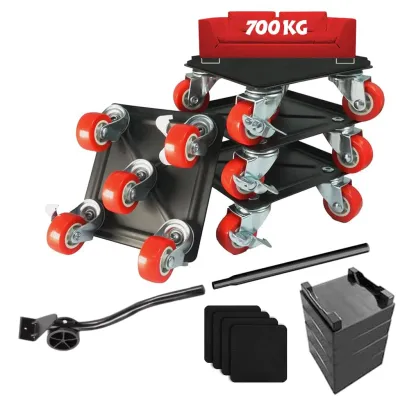
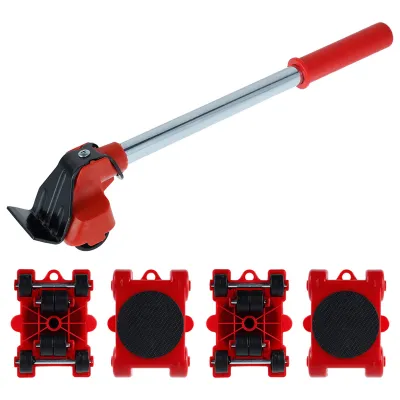
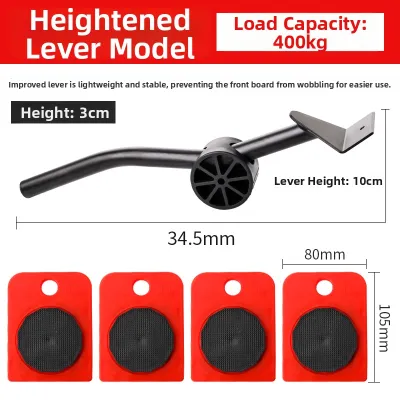
![[SG Stock] New Furniture Mover Tools Set Object Transport Lifter Stuff Carrying Glider Tool with 360 Degrees Rotating Wheels Effort-saving Heavy Furniture Moving Tools Set CNY Gift Present](https://img.lazcdn.com/g/p/0dd9b3ede0963be9593c45c12bd636a8.jpg_400x400q80.jpg_.webp)
Prices are valid at publication and may change. Please refer to the product page for the latest price.
Additionally, you might notice the chair leaning slightly to one side or feeling unstable during height adjustments. While a damaged tilt mechanism can also cause wobbling, a worn cylinder often develops internal play. This causes the inner column to rattle or tilt within the outer housing when you attempt to raise or lower the seat, compromising your sitting posture.
Distinguishing Cylinder Failure from Other Chair Issues
Before purchasing a replacement lifter mover, it is essential to rule out other structural failures that mimic a bad cylinder. Start by inspecting the base of the chair. Flip the chair over and check for loose base casters or a cracked five-star base. A hairline crack in a plastic or nylon base can cause the cylinder to sit crookedly or sink too far down, sometimes even scraping the floor.

Next, examine the metal seat plate mounted directly beneath the seat cushion. This plate houses the tilt mechanism and connects the chair body to the cylinder. Inspect the mounting screws to ensure they are tightly fastened to the seat frame, and look closely for any metal fatigue, such as cracks or bends in the plate itself. A loose or damaged seat plate can cause the chair to wobble, lean, or fail to actuate the cylinder correctly.
Finally, evaluate the adjustment lever and its connection to the cylinder valve. The lever operates by pressing down on a small button or pin at the top of the cylinder. If the lever is bent, loose, or physically disconnected from this valve, it may constantly press the pin down, causing the chair to sink continuously as if you are holding the lever. Alternatively, a disconnected lever will fail to engage the valve at all, leaving the chair locked in one position.
How to Safely Test and Inspect the Lifter Mover
To confirm that the gas cylinder is indeed the culprit, perform a structured visual and physical inspection. Begin with a visual check of the cylinder column. Look for physical dents, deep scratches, rust, or an excessive buildup of dark, greasy residue around the top seal where the inner rod enters the outer chamber. While a thin layer of lubricant is normal, a heavy accumulation of oil mixed with dirt often points to a blown seal that has allowed both hydraulic fluid and pressurized gas to escape.
Next, test the lever engagement directly. With the chair upright, pull the adjustment lever and observe if it moves smoothly or feels completely slack. If you suspect the lever is misaligned, you can carefully look under the seat while gently pulling the lever to verify that the metal fork or plastic tab is making direct, centered contact with the pin at the top of the cylinder. If the lever makes contact but the chair still fails to hold its height, the internal valve mechanism of the cylinder has failed.
Safety is paramount when inspecting or handling any lifter mover mechanism. The gas lift cylinder is a highly pressurized chamber containing nitrogen gas under extreme force. Never attempt to puncture, cut, heat, or force open the metal casing of the cylinder. Applying heat with a torch to loosen a stuck cylinder can cause the gas inside to expand rapidly and rupture the container violently. Always use proper tools, such as a pipe wrench or a rubber mallet, and apply penetrating oil to the joints if the cylinder is seized within the base or seat plate.
Deciding Your Next Step: Repair, Adjust, or Replace
Once you have completed your diagnosis, you must choose the most practical and safe path forward. If your inspection revealed that the cylinder itself is intact but the adjustment lever was simply misaligned or loose, the solution is straightforward. Tighten the mounting hardware on the seat plate and adjust the lever mechanism so that it only contacts the cylinder pin when intentionally pulled. This simple adjustment can instantly restore full functionality without costing anything.
For chairs with genuinely failed cylinders, some users turn to temporary DIY fixes, such as wrapping hose clamps around the exposed metal rod or stacking split PVC pipe spacers to hold the chair at a fixed height. While these methods can temporarily stop a chair from sinking, they carry significant limitations and safety risks. These makeshift spacers completely eliminate the chair’s height adjustability and shock absorption, leading to a rigid, uncomfortable seat. Over time, plastic PVC spacers can crack under load, and metal hose clamps can slip, causing the chair to drop suddenly and potentially causing injury or damaging your flooring.
When the internal seals of the lifter mover are blown, a full cylinder replacement is the only safe, reliable, and permanent option. Replacing the cylinder restores the original ergonomic benefits of your office chair, including smooth height adjustments and comfortable compression when you sit down. Because replacement cylinders are widely available as standardized individual parts—often costing only around S$20 to S$40—this repair is far more economical than purchasing an entirely new office chair, especially if the seat cushion, fabric, and armrests are still in excellent condition.
What to Check Before Buying a Replacement Cylinder
To ensure a seamless repair, you must select a compatible replacement cylinder that fits your specific chair frame. Start by measuring the outer diameter of your existing cylinder’s outer shell. Most modern office chairs use a standard tapered cylinder that measures approximately 50 millimeters (about 2 inches) at the center, tapering slightly to fit securely into the five-star base. However, some heavy-duty or specialized chairs may use non-standard dimensions, so verifying this measurement with a caliper or tape measure is crucial.
Next, measure the travel length of the cylinder, which is the distance the inner rod can extend from its lowest to its highest point. Choosing a cylinder with the correct travel length ensures your chair can still reach your preferred desk height. You should also verify the weight capacity rating of the replacement part. Standard cylinders are typically rated for up to 110 to 150 kilograms, but heavy-duty options are available if you require extra support. Always check the chair manufacturer’s guidelines or product manual to confirm if your chair requires a specific class of cylinder (such as Class 3 or Class 4) to maintain its original safety and weight specifications.
Frequently Asked Questions (FAQ)
Can I repair or refill a leaking gas lift cylinder myself?
No, you should never attempt to repair or refill a leaking gas lift cylinder yourself. These units are sealed at the factory under extremely high pressure, containing nitrogen gas that cannot be safely replenished or serviced using household tools. Attempting to disassemble or drill into the cylinder to fix a seal can result in a sudden, explosive release of pressure, projecting metal fragments and hydraulic oil at high speeds. If the cylinder is leaking or failing to hold pressure, the only safe course of action is to discard the old unit responsibly and install a certified replacement cylinder.
What factors affect the lifespan of an office chair cylinder?
The lifespan of a lifter mover mechanism depends heavily on daily usage patterns and environmental conditions rather than a fixed calendar duration. Frequent height adjustments and long hours of daily sitting accelerate the wear on the internal rubber seals and O-rings. Additionally, operating the chair near or at its maximum rated weight capacity puts greater stress on the pressurized chamber, leading to faster gas depletion. Keeping the exposed metal rod clean and free of dust, pet hair, and grit will help preserve the seals and extend the overall life of the cylinder.
Community discussion
Share your experience or ask a question. Comments are reviewed before publication.