
Teak wood is celebrated for its natural durability and rich aesthetic, making it a popular choice for outdoor furniture. However, placing a teak cabinet on a balcony in Singapore’s tropical climate presents unique challenges. The combination of high relative humidity, intense sun, and sudden monsoon downpours means even resilient timber is put to a rigorous test. While teak possesses inherent qualities that help it withstand moisture better than other wood species, its long-term performance on a balcony is not guaranteed by the material alone.
Determining whether a teak cabinet is suitable for your balcony requires looking beyond marketing labels. Its success depends heavily on the wood grade, structural engineering, protective finishes, and your commitment to routine upkeep. Without these supporting factors, even premium timber can succumb to the harsh local environment, leading to structural degradation, hardware failure, or mold growth. By understanding how teak behaves under tropical conditions and what design features to look for, you can make an informed decision that protects your investment.
Understanding Teak Wood in High-Humidity Environments
To evaluate how a teak cabinet will fare on a Singapore balcony, it is essential to understand the wood’s anatomy. Teak timber is divided into heartwood and sapwood. Heartwood, harvested from the center of mature trees, is rich in natural rubber and organic oils that defend against moisture, rot, and insects. In contrast, sapwood is the softer, outer layer. It lacks these protective oils, making it highly porous and prone to rapid decay when exposed to humid air. When shopping, verifying that the cabinet is constructed from high-grade heartwood (Grade A teak) is critical, as lower-grade options containing sapwood will quickly deteriorate.
Products mentioned in this guide

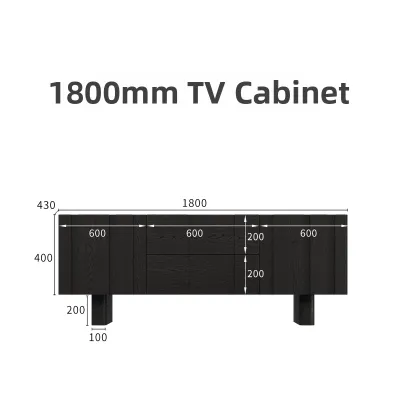
Prices are valid at publication and may change. Please refer to the product page for the latest price.
It is also vital to distinguish between water-resistant and waterproof materials. While high-quality teak heartwood is exceptionally water-resistant, it is not completely waterproof. Wood is a natural, hygroscopic material that constantly absorbs and releases moisture to balance with the surrounding atmosphere. Under continuous, direct rain exposure or where water pools around the base, even fine teak will eventually absorb water, leading to internal stress and uneven expansion.
Monitoring your cabinet for early signs of moisture stress is key to preventing permanent damage. Regularly inspect the wood surface for dark water spots, which indicate where moisture is beginning to penetrate. Another warning sign is swelling at the joints where panels meet; if the wood expands too much, these joints can warp or pull apart. Additionally, look out for surface checking, which appears as fine hairline cracks along the grain. While minor checking is natural, deep cracks allow water to penetrate deeper, accelerating decay.
Key Design and Hardware Checks for Balcony Cabinets
The structural design of a teak cabinet is just as important as the wood quality. One critical design feature to check is the base. A cabinet sitting directly on wet balcony tiles will constantly wick up moisture, leading to rot at the bottom corners. To prevent this, look for cabinets equipped with elevated feet, adjustable levelers, or a raised plinth base. These features lift the wooden frame off the ground, keeping the timber dry even during heavy downpours when balcony drainage is slow.

Air circulation is another essential factor in preventing mold and mildew inside the cabinet. In Singapore’s stagnant, humid air, a completely sealed wooden box becomes a breeding ground for fungal spores. When evaluating a teak cabinet, check for built-in ventilation features such as louvered doors, slatted back panels, or small ventilation gaps. These openings allow continuous airflow, helping to dry out damp items stored inside and keeping internal humidity levels closer to the ambient air.
Beyond the wood, you must carefully inspect the hardware used to assemble and operate the cabinet. Standard steel or iron hinges, screws, and handles will corrode rapidly when exposed to high humidity. Rusting hardware looks unsightly, stains the surrounding teak with dark streaks, and eventually causes structural failure. Ensure all metal components are constructed from marine-grade stainless steel (such as Grade 316 or 304) or solid brass. These materials resist corrosion, ensuring doors continue to operate smoothly.
Surface Treatments and Finishing Options
Deciding how to finish your teak cabinet determines both its appearance and the required maintenance. If left untreated, teak wood undergoes a natural weathering process when exposed to UV rays and rain. Over several months, the golden-brown surface gradually transitions into a classic, silvery-gray patina. This aesthetic change is purely cosmetic and does not affect the structural integrity of high-grade heartwood. However, if you prefer to maintain the warm, original golden tones, you must apply a protective coating and commit to regular reapplication.
There are several common finishing options available, each with its own maintenance demands. Teak oil penetrates deep into the wood pores, highlighting the natural grain and restoring lost oils. However, teak oil requires frequent reapplication—often every few months in tropical climates—and does not provide a hard physical barrier against heavy rain. For superior protection, marine varnish or exterior polyurethane coatings can be applied. These finishes create a durable, water-repellent seal on the surface, shielding it from moisture and UV damage. The trade-off is that film-forming finishes can trap moisture if applied incorrectly, requiring sanding before reapplication.
Before applying any chemical treatment, always consult the manufacturer’s label and product instructions. It is crucial to verify that the chosen finish is specifically rated for outdoor or semi-outdoor use in high-humidity environments. Applying an indoor-only finish can lead to premature failure, as these products lack the flexibility needed to accommodate the natural expansion of outdoor wood. Ensure the wood is completely dry and clean before application to avoid trapping moisture beneath the new protective layer.
Routine Maintenance and Inspection Checklist
A consistent maintenance routine is the single most effective way to prolong the life of a teak cabinet on a balcony. Cleaning should be done gently to avoid damaging the wood fibers or stripping protective finishes. Use a soft-bristle brush or a microfiber cloth combined with a mild solution of warm water and gentle dish soap to wipe away dust and grime. Avoid harsh chemical cleaners, bleach, or high-pressure washers, as these aggressive methods strip natural oils and compromise joint integrity.
Regular visual inspections are vital, particularly during and after heavy monsoon seasons when the balcony is subjected to prolonged dampness. Take a few minutes every month to examine the cabinet’s exterior and interior surfaces. Look closely for early signs of mold or mildew, which typically appear as small dark spots in shaded, poorly ventilated areas. Check the tightness of all screws and hinges, as wood movement can loosen hardware over time, and inspect the finish for any signs of wearing.
While many maintenance tasks can be handled easily as DIY projects, some situations require professional intervention. If you notice severe structural warping that prevents the doors from closing, deep wood rot that feels soft or spongy, or major hardware failures that cannot be resolved with simple replacements, stop DIY repairs. Consulting a qualified furniture restoration professional or contacting the original manufacturer can prevent further damage and help you determine if the cabinet can be safely repaired.
When to Consider Alternative Materials
While a teak cabinet offers unmatched natural beauty, it may not be the most practical choice for every balcony layout. Fully exposed balconies that lack an overhead roof, awning, or deep architectural recess are high-risk environments for solid wood furniture. In these zones, the cabinet is subjected to direct, unfiltered sunlight followed immediately by torrential rain. This extreme cycle of rapid heating and soaking accelerates weathering, increases warping risks, and demands an intensive maintenance schedule.
If your balcony falls into this high-risk category, evaluating alternative materials is a sensible step. When comparing options, look for materials that offer inherent moisture resistance, high UV stability, and structural strength without requiring regular chemical treatments. Powder-coated aluminum is an excellent alternative; it is lightweight, completely rust-proof, and highly durable. High-density synthetic resins and marine-grade plastics are also excellent options that resist water absorption, fading, and insect damage with minimal maintenance.
Ultimately, the choice comes down to weighing the cost-to-longevity ratio and the amount of effort you are willing to invest. A premium teak cabinet represents a significant upfront financial investment and requires ongoing care to preserve its structural integrity and appearance. In contrast, high-quality synthetic or metal alternatives offer a worry-free, long-term storage solution that stands up to the elements with minimal intervention. Visiting local furniture stores to compare these materials in person can help you find the perfect balance.
Frequently Asked Questions (FAQ)
Can I leave a teak cabinet completely exposed to the rain?
While teak is highly water-resistant due to its natural oils, leaving a cabinet completely exposed to direct, heavy rain without any overhead shelter is not recommended. Continuous exposure to downpours will eventually overwhelm the wood’s natural defenses, leading to water saturation and accelerated wear on the hardware. For fully exposed balconies, a protective waterproof cover or an alternative material is highly advisable.
How do I remove black mold spots from my teak cabinet?
To remove black mold spots safely, start by wiping the affected area with a soft brush and a mild solution of warm water and gentle soap. For stubborn spots, a specialized outdoor wood cleaner or a highly diluted mixture of white vinegar and water can be used, but always test it on an inconspicuous area first. Be sure to consult the cabinet’s care manual before applying commercial mold removers or attempting to sand the surface.
Community discussion
Share your experience or ask a question. Comments are reviewed before publication.