
Quick Diagnosis: Is a Soft Single Mattress Right for You?
Choosing a soft single mattress can dramatically improve your sleep quality, but it is not a universal solution. Mattress firmness is highly subjective, and the ideal comfort level depends heavily on your unique sleep posture, physical build, and personal comfort preferences. Before investing in a new bed, diagnosing whether a plush surface will support your body or cause chronic discomfort is essential for long-term sleep health.
Ideal Candidates for a Soft Mattress:
- Strict Side Sleepers: Those who spend the majority of the night on their side require deep contouring to cushion the shoulders and hips, preventing pressure build-up.
- Lighter Body Types: Individuals weighing under 60 kg often find medium or firm mattresses too rigid, as they do not exert enough force to compress the comfort layers.
- Joint Pain Sufferers: Sleepers who experience localized joint stiffness, hip pain, or numbness in their limbs benefit from the cradling effect of plush materials.
Who Should Avoid a Soft Mattress:
Products mentioned in this guide
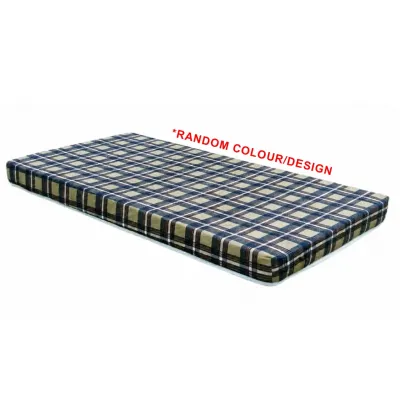


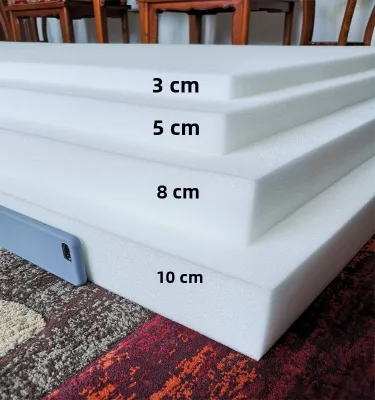
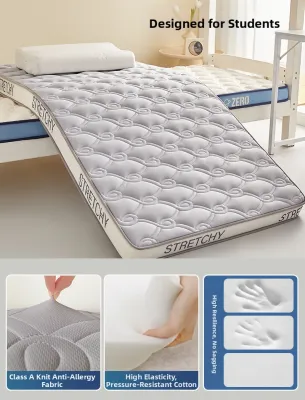
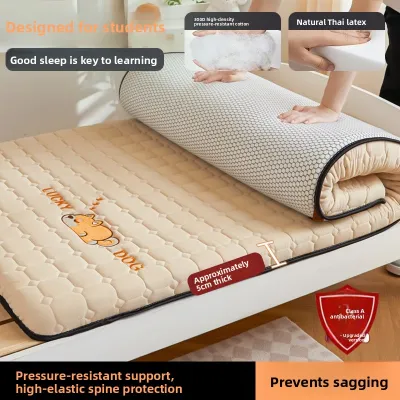
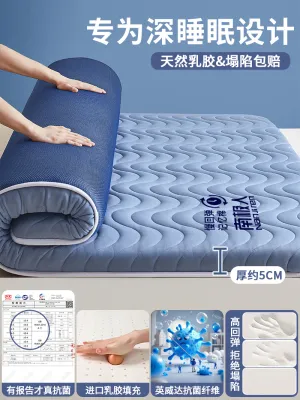
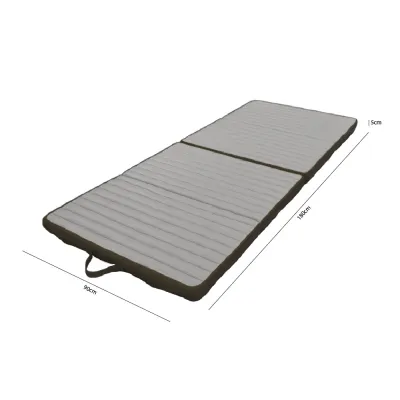
Prices are valid at publication and may change. Please refer to the product page for the latest price.
- Stomach and Back Sleepers: These positions require robust midsection support to prevent the pelvis from sinking too deeply, which can strain the lower spine.
- Heavier Body Types: Individuals weighing over 80 kg typically require a firmer support core to prevent excessive sinkage and maintain stable edge support.
- Chronic Lower Back Pain Sufferers: If your discomfort stems from spinal misalignment or a weak lumbar region, a soft bed may exacerbate the issue by allowing your posture to sag.
How Your Sleep Position Dictates Firmness Needs
Maintaining proper spinal alignment throughout the night is the primary function of any high-quality mattress. Regardless of your preferred sleep position, your spine should rest in a neutral, relaxed posture, mimicking the natural alignment of your body when standing. When your sleep surface fails to support this alignment, your muscles remain tense as they attempt to compensate, leading to morning stiffness and fatigue.

Different sleeping positions interact uniquely with the comfort and support layers of a soft mattress. Understanding these mechanical interactions allows you to predict whether a plush surface will promote restful sleep or lead to physical strain.
Side Sleepers
Side sleeping is the most common sleep posture, but it places highly concentrated pressure on the widest parts of your body: the shoulders and the hips. On a mattress that is too firm, these areas are pushed upward, forcing the spine to curve laterally and placing immense stress on the neck, shoulders, and lower back. This resistance also pinches blood vessels, leading to restricted circulation and the frequent need to toss and turn.
A soft single mattress is specifically engineered to address these pressure points. The plush comfort layers yield easily under the weight of your shoulders and hips, allowing them to sink deeply enough to align with the rest of your torso. This cradling effect distributes your body weight more evenly across the mattress surface, relieving localized pressure and keeping your spine in a straight, neutral line from your neck to your tailbone.
Back and Stomach Sleepers
Unlike side sleepers, back and stomach sleepers distribute their weight across a wider surface area, with the heaviest concentration situated around the pelvis and abdomen. To maintain a neutral spine in these positions, the mattress must provide a resilient, supportive foundation that resists deep compression under the midsection.
On an overly soft mattress, the heavy pelvic region sinks disproportionately deeper than the head, shoulders, and legs. For back sleepers, this creates a “hammock effect,” bowing the lower spine downward and straining the lumbar muscles. For stomach sleepers, the consequences are even more severe; deep pelvic sinkage forces the lower back to arch backward, compressing the lumbar vertebrae and leading to intense morning stiffness. Consequently, back and stomach sleepers generally require a medium-firm to firm mattress to keep their hips elevated and their spine properly aligned.
Why Body Weight Changes the Feel of a Soft Mattress
The firmness ratings provided by mattress manufacturers are helpful guidelines, but they are ultimately subjective. A mattress labeled as “soft” by a brand will feel entirely different to a lighter individual than it will to a heavier sleeper. This variation occurs because your body weight determines how deeply you compress the comfort layers and how much you engage the supportive core underneath.
To make an informed purchase, you must evaluate how your physical build interacts with mattress materials. This ensures that the soft single mattress you select provides the exact balance of cushioning and structural support your body requires.
Lighter Body Types
Lighter individuals, typically defined as those weighing under 60 kg, exert relatively little downward force on a mattress. When resting on a standard medium-firm or firm bed, their bodies do not compress the comfort layers sufficiently to experience any contouring. As a result, the mattress can feel exceptionally hard, leading to localized pressure points and a restless night.
For these sleepers, a soft single mattress is often the most comfortable choice. The plush top layers are designed to compress under minimal weight, allowing lighter individuals to sink gently into the surface. This provides the necessary pressure relief for the hips and shoulders while ensuring that the sleeper does not feel as though they are resting on an unyielding platform.
Average to Heavier Body Types
For individuals with an average to heavy build, particularly those weighing over 80 kg, a soft mattress presents significant support challenges. The increased downward force quickly compresses the plush comfort layers, causing the sleeper to sink completely through them and rest directly on the rigid support core below.
This rapid compression, often referred to as “bottoming out,” can cause severe discomfort as the body contacts the hard inner springs or high-density foam base. Furthermore, heavy sinkage compromises the mattress’s edge support, making the perimeter feel unstable and giving you the sensation of rolling off the bed. If you have a heavier build but prefer a plush feel, it is advisable to look for specialized hybrid mattresses that combine a soft comfort layer with a robust, pocketed coil support system to prevent excessive sinkage.
Matching Your Pain Points to Mattress Firmness
Waking up with physical pain is a clear signal that your mattress is not supporting your body correctly. However, the location and nature of your discomfort are critical indicators of whether you need to transition to a softer or firmer sleep surface. By carefully analyzing your morning aches, you can diagnose the root cause of your sleep issues.
Understanding the difference between localized joint pressure and deep structural back pain is essential when deciding if a soft mattress will alleviate or worsen your physical symptoms.
Shoulder, Hip, and Joint Discomfort
If you consistently wake up with sore shoulders, aching hip joints, or a bruised sensation along your outer thighs, your mattress is likely too firm. This type of pain is caused by localized pressure, where a rigid surface compresses the soft tissues and restricts blood flow to your joints, forcing you to wake up frequently to adjust your position.
A soft single mattress excels at relieving this joint pressure by gently cradling your body’s natural curves. When selecting a mattress for joint relief, pay close attention to the comfort layer materials. Memory foam offers deep, slow-responding contouring that conforms closely to your shape, while natural latex provides a more buoyant, responsive plushness. Always check the manufacturer’s material specifications and care instructions to choose a material that matches your joint support needs.
Lower Back Pain and Stiffness
While a soft bed can work wonders for aching joints, it is often the worst choice for individuals suffering from chronic lower back pain. Lower back stiffness is frequently caused by a lack of structural support, which allows the pelvis to sink too deeply and forces the lumbar spine out of its natural alignment.
If you wake up with a dull, aching lower back that gradually improves once you get out of bed and move around, your mattress is likely too soft. To alleviate this type of discomfort, your body requires a mattress that keeps your hips elevated and aligned with your shoulders. If you suffer from lower back pain but still prefer a plush feel, look for zoned mattresses that offer softer foam under the shoulders and firmer, more supportive foam under the hips.
Physical Signs You Need a Softer (or Firmer) Bed
Before purchasing a new soft single mattress, you can perform a self-diagnosis by observing specific physical signs from your body and your current bed. These observable cues will help you confirm whether a change in firmness is truly necessary or if your current mattress has simply reached the end of its lifespan.
Signs your current mattress is too firm:
- You frequently wake up with numb, tingling arms or hands, indicating that the rigid surface is compressing your nerves and blood vessels.
- You spend the night tossing and turning, constantly trying to find a comfortable position that does not press hard against your hips and shoulders.
- You feel as though you are resting directly on top of the mattress rather than sinking slightly into its comfort layers.
Signs your current mattress is too soft:
- You wake up with a stiff, aching lower back that makes it difficult to stand up straight immediately after getting out of bed.
- You find it physically challenging to roll over or change positions during the night, feeling as though you are stuck in a deep, body-shaped depression.
- You experience a sensation of rolling toward the center of the bed, or the edges of the mattress feel so weak that you feel unsafe sleeping near the perimeter.
Evaluating your mattress’s age and condition:
- Before deciding that your mattress's firmness is the issue, inspect the bed for physical wear and sagging. Over time, polyurethane foams and inner springs degrade, causing the mattress to sag in the areas that support your heaviest body parts.
- If your mattress is more than seven to ten years old, or if you notice visible indentations greater than 2.5 cm when no one is lying on it, the structural support has failed. A saggy, worn-out mattress will exhibit all the negative traits of an overly soft bed, regardless of its original firmness rating, and must be replaced to restore proper spinal support.
Final Checks Before Buying a Soft Single Mattress
Once you have determined that a soft single mattress is the correct choice for your body type and sleep position, several practical checks are required to ensure a successful purchase. Buying a mattress involves more than just selecting a comfort level; you must also ensure that the product fits your physical space, matches your existing furniture, and comes with adequate consumer protections.
Verify the exact dimensions for your room:
- In Singapore, single mattresses are not entirely standardized, and choosing the wrong size can lead to fitment issues with your bed frame. You must carefully differentiate between a standard Single and a Super Single mattress.
- A standard Single mattress typically measures 91 cm in width and 190 cm in length, making it an excellent, space-saving choice for compact bedrooms, children's rooms, or guest spaces.
- A Super Single mattress measures approximately 107 cm in width and 190 cm in length, offering extra lateral space that is highly beneficial for active sleepers who move frequently. Always measure the internal dimensions of your bed frame, headboard clearance, and any built-in drawers before making a purchase.
- Additionally, consider delivery and access constraints. While a single mattress is relatively compact, thick hybrid models can be heavy and rigid. Ensure your building's lift doors, stairwells, and apartment entryways provide sufficient clearance to transport the mattress safely.
Assess your bed frame and foundation compatibility:
- A soft mattress requires a highly stable, uniform foundation to prevent premature sagging and maintain its structural integrity. If you use a slatted bed frame, inspect the spacing between the slats.
- Most manufacturers recommend that slats be spaced no more than 5 to 7 cm apart; excessive gaps will allow a soft mattress to bulge downward under weight, destroying its support profile and potentially voiding the warranty.
- For solid platform bases, ensure the surface is completely flat, clean, and free of moisture-trapping dips.
Prioritize sleep trials and return policies:
- Testing a mattress for ten minutes in a retail showroom is insufficient to evaluate how your muscles and spine will adapt over several weeks. A soft mattress, in particular, requires an extended adjustment period.
- Prioritize purchasing from brands that offer a risk-free sleep trial of at least 90 to 100 nights. Ensure you read the terms carefully, checking for return shipping fees, restocking charges, and whether the brand requires a minimum trial period (often 21 to 30 days) to allow your body to adjust to the new alignment before initiating a return.
Community discussion
Share your experience or ask a question. Comments are reviewed before publication.