
Choosing the right coffee table involves balancing style, durability, and budget. If you have been browsing online marketplaces, you have likely encountered options labeled as PVC coffee tables. To determine if this material is suitable for your home, it is essential to understand that these tables are rarely made of solid plastic. Instead, they typically feature an engineered wood core wrapped in a thin, protective layer of Polyvinyl Chloride (PVC) laminate.
A PVC-finished coffee table can be an excellent choice if you want an affordable, lightweight, and easy-to-clean piece of furniture that mimics more expensive materials like marble or solid wood. However, its long-term performance depends heavily on the quality of its construction, particularly the edge sealing and the core material underneath. By understanding how these tables are manufactured and how to inspect them, you can make an informed decision that aligns with your household’s daily habits.
Understanding PVC in Coffee Table Construction
When shopping for a pvc coffee table, the first step is understanding how the material is integrated into the furniture. In almost all residential living room furniture, PVC is not used as a solid structural component. Instead, manufacturers use PVC as a decorative and protective surface laminate or foil. This thin plastic film is heat-bonded or glued over an internal structural core, which is typically made of Medium-Density Fibreboard (MDF) or particleboard.
Products mentioned in this guide
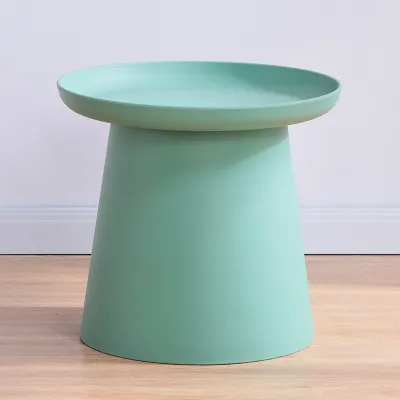
Prices are valid at publication and may change. Please refer to the product page for the latest price.
Because of this construction method, you must look closely at the product specifications rather than relying solely on the “PVC” label. The outer PVC layer provides the color, texture, and initial moisture barrier, but the underlying engineered wood core determines the table’s overall weight, structural integrity, and load-bearing capacity. When a listing mentions a PVC coffee table, it is referring to this outer wrap rather than a solid plastic piece.
To ensure the table can support your books, decorative trays, or laptop, always verify the manufacturer’s specified weight capacity. A high-quality MDF core wrapped in PVC will offer much better stability and weight tolerance than a thin particleboard core with the same outer finish. Knowing what lies beneath the surface helps you avoid purchasing a table that might sag or wobble under daily use.
Assessing Durability for Daily Living Room Use
The durability of a PVC-finished coffee table is not universal; it varies significantly based on manufacturing quality. While PVC itself is naturally waterproof and resistant to minor impacts, a laminated table’s resistance to moisture and scratches depends on the thickness of the laminate and the quality of the adhesive bond. A very thin PVC film can be susceptible to sharp objects, which may puncture the layer and expose the vulnerable wood core underneath.

One of the most critical areas to inspect on a laminated coffee table is the edge banding. The edges are where the PVC sheets meet, and if these seams are not sealed perfectly, they present a major vulnerability. In a typical living room, accidental spills or even high humidity can allow moisture to seep into these edge seams. Once water penetrates the outer PVC barrier, the underlying MDF or particleboard core will absorb the moisture, swell, and eventually cause the laminate to bubble or peel away.
To safeguard your investment, look for tables that feature thick, impact-resistant edge banding, often labeled as ABS or heavy-duty PVC edges. Additionally, check if the manufacturer provides specific details regarding scratch resistance or surface density. If you have a busy household with frequent activity, choosing a table with a thicker, textured laminate will offer better resilience against daily wear than a basic, thin-wrapped alternative.
Evaluating Aesthetics and Finish Quality
Modern manufacturing techniques allow PVC films to realistically mimic a wide variety of premium materials. You can find PVC coffee tables designed to look like oak, walnut, white marble, industrial concrete, or even high-gloss lacquer. This versatility makes it easy to find a design that complements your existing living room decor without paying the premium price of solid wood or natural stone.
However, finish quality can vary dramatically between price points. When evaluating a table, closely examine product photos or in-store displays for signs of low-quality manufacturing. Look for unnatural pattern repetition, where the printed wood grain or marble veining repeats too frequently across the surface, giving away its synthetic nature. You should also inspect the corners and joints to ensure the film wraps smoothly without visible seams, wrinkles, or lifting edges.
The texture of the finish also plays a role in both aesthetics and daily use. Textured PVC finishes feel more realistic to the touch and are excellent at diffusing light, which helps hide dust, fingerprints, and minor surface smudges. Conversely, smooth or high-gloss PVC finishes offer a sleek, modern aesthetic but tend to reflect overhead lighting sharply, making dust and oily fingerprints much more noticeable throughout the day.
Daily Maintenance and Cleaning Guidelines
Maintaining a PVC-wrapped coffee table is straightforward, but it requires avoiding specific cleaning habits that can permanently damage the synthetic surface. For routine cleaning, the safest approach is to use a soft microfiber cloth slightly dampened with water and a mild, diluted dish soap. This easily removes dust, coffee rings, and food residue without degrading the protective outer layer. Always follow up with a dry cloth to ensure no moisture lingers near the seams or edge banding.
To preserve the integrity of the finish, you must avoid harsh chemicals and abrasive cleaning tools. Never use steel wool, scouring pads, or abrasive scrubbing powders, as these will create micro-scratches that dull the surface over time. Additionally, avoid chemical solvents such as acetone, nail polish remover, bleach, or ammonia-based glass cleaners. These substances can chemically react with the PVC, causing it to cloud, discolor, or even melt. Steam cleaners should also be avoided, as the intense heat and moisture will quickly dissolve the adhesives holding the laminate to the wood core.
Because different manufacturers use varying adhesive formulas and laminate thicknesses, always refer to the specific care and maintenance manual provided with your table. Following the manufacturer’s guidelines ensures you do not inadvertently void any warranties or cause irreversible cosmetic damage during cleaning.
Final Decision Checklist: Space, Budget, and Longevity
Before purchasing a PVC coffee table, it is helpful to weigh its cost-effectiveness against your long-term expectations. These tables are highly budget-friendly, often available for under S$150, making them an attractive option for temporary living situations, rental properties, or student accommodations. However, unlike solid wood tables, a damaged PVC laminate cannot be sanded down, stained, or easily repaired. If the surface suffers a deep gouge or water damage, the table will likely need to be replaced.
To ensure the table fits your physical space and lifestyle, use this pre-purchase checklist:
- Measure the Floor Space: Ensure there is at least 30 to 45 centimeters of space between the coffee table and your sofa to allow for comfortable legroom and easy movement.
- Verify Delivery Access: Check the dimensions of your doorways, hallways, and lift doors to ensure the packaged table can be easily brought into your home.
- Check Structural Stability: Look for tables with robust leg attachments, such as metal brackets or solid wood legs, rather than legs made of thin wrapped particleboard.
- Assess Your Lifestyle: If you move frequently, a lightweight PVC-wrapped table is easy to transport, but if you want a lifetime heirloom piece, investing in solid wood or metal may be more suitable.
By matching the table’s structural specifications and price point to your household’s actual needs, you can enjoy a stylish, functional piece of furniture that serves your living room well for years to come.
Frequently Asked Questions (FAQ)
Is PVC Furniture Safe for Indoor Use?
Indoor safety concerns regarding PVC furniture usually center around chemical emissions. The primary source of indoor air quality issues is not the inert PVC film itself, but rather the adhesives and engineered wood cores (like particleboard) used underneath, which can release volatile organic compounds (VOCs) or formaldehyde. To ensure your home remains safe, look for furniture certified with low-emission standards, such as CARB Phase 2 compliance or an E1 formaldehyde rating. Additionally, when assembling new furniture, keep the room well-ventilated by opening windows or using an air purifier for the first few days to allow any manufacturing odors to dissipate safely.
Can You Place Hot Mugs Directly on a PVC Surface?
You should avoid placing hot mugs, teapots, or warm plates directly onto a PVC coffee table. PVC is a thermoplastic material, meaning it has a relatively low heat tolerance and can soften or warp when exposed to high temperatures. Direct contact with hot items can melt the surface, cause the laminate to bubble, or leave permanent white heat rings that cannot be repaired. To protect your table’s finish, always use coasters, trivets, or heat-resistant placemats under hot beverages and dishes, regardless of any heat-resistance claims in the product description.
Community discussion
Share your experience or ask a question. Comments are reviewed before publication.